









Hormones and Varicose Veins: What Women Should Know
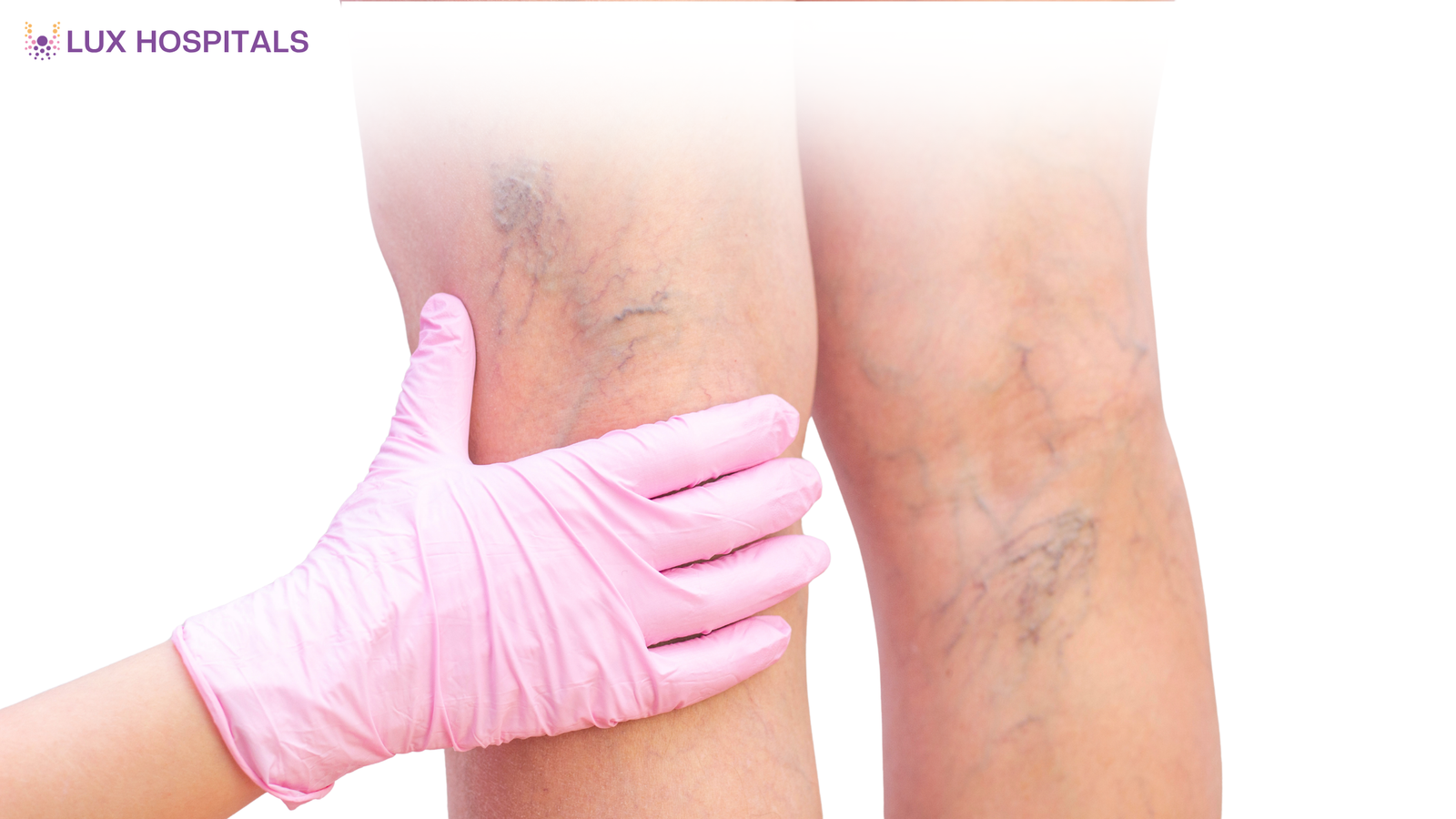
Varicose veins are a common health concern among women, often appearing as swollen, twisted veins visible under the skin. While lifestyle and genetics play a role, hormonal changes during puberty, pregnancy, menstruation, or menopause are significant contributors to vein issues. If left untreated, hormones and varicose veins can cause pain, swelling, and discomfort that interfere with daily activities. Learning the causes, symptoms, and treatment options can help women protect their vein health and seek timely care
Link Between Hormones and Varicose Veins
Hormones play a vital role in regulating many body functions, including blood circulation. When hormonal levels fluctuate, they can weaken vein walls and valves, leading to blood pooling in veins. When hormones and varicose veins interact, veins may enlarge and become twisted over time. This process can result in visible varicose veins, especially in the legs, where gravity already places extra pressure on circulation. Take preventive measures and seek treatment when symptoms appear.
Why Women Are More Prone to Varicose Veins?
Women are more likely than men to develop varicose veins due to hormonal changes throughout their lives. These changes can significantly affect vein health.
Several factors increase the risk for women:
- Hormonal changes during puberty
- Pregnancy-related hormonal shifts
- Use of birth control pills
- Hormone replacement therapy during menopause
These hormonal fluctuations weaken vein valves and slow blood circulation, making vein issues more frequent among women, especially after pregnancy or in middle age.
Hormonal Life Stages That Increase Varicose Vein Risk
1. Puberty
Hormonal changes during adolescence affect blood vessels and circulation. At this stage, some women begin to notice early vein changes as hormonesand varicose veins begin to influence vein elasticity. More often, hormones and varicose veins become noticeable.
2. Increased blood volume
Hormonal shifts cause veins to expand while the growing uterus puts pressure on pelvic veins. Together, these changes reduce blood circulation and increase the risk of varicose veins in the legs.
3. Menstrual Cycle
Additionally, vein function may be affected by hormonal changes during monthly cycles. Many women notice swollen or heavy legs during these times, further illustrating how hormones and varicose veins can impact circulation.
4. Menopause
During menopause, estrogen levels decline significantly. This hormonal shift weakens vein walls and valves, making venous issues a common concern among women over 45.
Symptoms Women Should Watch For
Early detection helps prevent complications related to vein disease. When hormonesand varicose veins affect circulation, several symptoms may appear.ns in the legs.
- Leg heaviness or fatigue
- Swelling in the ankles or feet
- Burning or throbbing sensation in the legs
- Night cramps or restless legs
These symptoms occur because weakened valve function reduces the efficiency with which blood is pushed upward.
Potential Complications if Left Untreated
Varicose veins are often considered a cosmetic issue, but they can lead to serious health problems. When hormones and varicose veins disrupt blood circulation for a long period, complications may develop. swelling
- Skin discoloration
- Painful leg ulcers
- Blood clots in superficial veins
These conditions can significantly impact quality of life. Early treatment can prevent progression to more severe vein disease.
Treatments for Hormone-Related Varicose Veins
Modern medicine offers several treatments that effectively manage varicose veins caused by hormonal changes. If these issues are affecting daily life, a vein specialist can recommend suitable treatment options.
1. Lifestyle Changes
Simple lifestyle modifications help reduce symptoms when hormones and varicose veins affect circulation. prove blood flow
- Elevating the legs while resting
- Maintaining a healthy weight
- Avoiding long periods of standing or sitting
2. Compression Therapy
Compression stockings support vein function and help blood flow upward. This treatment is often recommended when swelling or discomfort arises.
3. Minimally Invasive Procedures
Minimally invasive procedures seal damaged veins and permanently restore healthy circulation.
Common procedures include:
- Laser vein treatment
- Radiofrequency ablation
- Sclerotherapy injections
These advanced techniques effectively address persistent symptoms caused by hormonal or varicose vein issues.
When to Consult a Specialist?
Women should consult a doctor if they experience persistent leg pain, swelling, or visible veins. Early medical care helps prevent vein problems from progressing to complications. A vein specialist can evaluate circulation, identify underlying causes, and recommend personalised treatment. Walk comfortably with advanced vein treatments
Conclusion
Hormonal changes throughout a woman’s life significantly influence vein health. From puberty to menopause, these changes can affect circulation and lead to visible vein problems. Understanding how hormonal changes and vein health interact allows women to recognise early symptoms and take preventive steps. Modern treatments can effectively manage vein disease and restore comfort. At Lux Hospitals, experienced vascular specialists provide advanced diagnosis and minimally invasive treatments for varicose veins.
Frequently Asked Questions
Yes, women's vein health can be greatly impacted by hormonal shifts. Blood vessel walls are relaxed by hormones like progesterone and estrogen, which increases the risk of vein enlargement.
During pregnancy, the body produces higher levels of hormones that relax the vascular walls. At the same time, blood volume increases, and the growing uterus puts pressure on the pelvic veins.
Hormones found in birth control pills may have an impact on circulation and blood vessels. Over time, these hormonal changes may cause the walls and valves of veins to deteriorate in some women.
Varicose veins may begin as a cosmetic problem, but if left untreated, they can worsen. Persistent leg pain, skin changes, and edema can all result from poor circulation. In more severe cases, the affected veins may form blood clots or ulcers.
Treatment depends on the severity of the condition and individual health factors. Mild cases may improve with lifestyle changes and compression therapy. Moderate to severe cases often benefit from minimally invasive procedures such as laser therapy or sclerotherapy.