











Can Urethritis Lead to Infertility or Chronic Pain? A Complete Guide
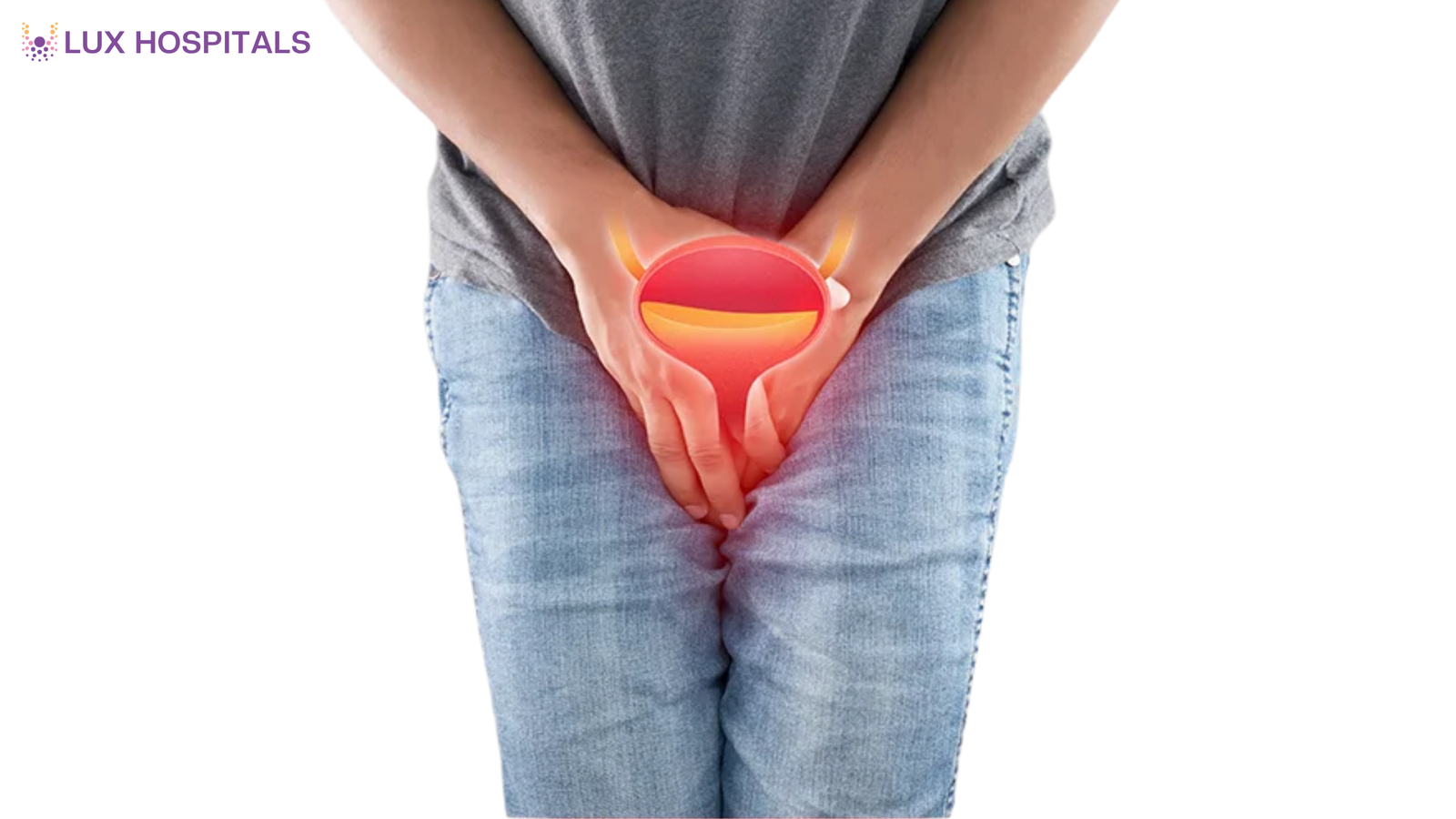
When it comes to urinary and reproductive health, urethritis is a common yet often misunderstood condition affecting the urethra — the tube that carries urine from the bladder out of the body. Urethritis, or inflammation of this tube, can occasionally lead to chronic pain or fertility issues, even if it initially presents only as discomfort while urinating. Understanding urethritis, its causes, potential complications, and long-term effects allows patients to seek prompt treatment and prevent unnecessary consequences.
What Is Urethritis and How Common Is It?
Urethritis is inflammation of the urethra, caused by infection or irritation. Common causes include sexually transmitted infections (STIs) such as chlamydia and gonorrhea, though non-infectious factors like chemical irritants or physical trauma can also trigger it.
Symptoms may include:
- Burning sensation during urination
- Itching or irritation
- Abnormal discharge
- Frequent urge to urinate
Types of Urethritis:
- Gonococcal Urethritis — caused by Neisseria gonorrhoeae.
- Nongonococcal Urethritis (NGU) — often linked to Chlamydia trachomatis, Mycoplasma genitalium, or non-infectious factors.
Why Untreated Urethritis Can Become Dangerous?
If left untreated, urethritis can allow bacteria to ascend the urinary or reproductive tract, causing infections in nearby organs.
- In women, infection can spread to the uterus, fallopian tubes, or ovaries, potentially leading to Pelvic Inflammatory Disease (PID) — a condition associated with scarring, ectopic pregnancy, and infertility.
- In men, bacteria can spread to the epididymis or prostate, affecting sperm quality and reproductive function.
Link Between Urethritis and Chronic Pain
Chronic urethritis occurs when inflammation persists for more than six weeks despite treatment, or recurs after initial recovery.
Persistent inflammation may result in:
- Long-lasting discomfort during urination
- Chronic pelvic or genital pain
- Increased urinary frequency and urgency even without infection
- Tissue scarring and narrowing of the urethra (urethral stricture)
These complications can significantly affect quality of life and contribute to chronic pain syndromes.
How Urethritis May Affect Fertility?
Urethritis can influence fertility through different pathways in men and women.
In Women:
- Infection may ascend to cause PID, scarring the fallopian tubes and hindering egg fertilisation.
- Damage to reproductive organs increases the risk of infertility and ectopic pregnancy.
In Men:
- Certain infectious organisms can affect sperm quality and function.
- Chronic inflammation in the epididymis or prostate can reduce sperm motility and cause structural changes, lowering fertility potential.
Prevention and Early Treatment
Most cases of urethritis respond well to appropriate antibiotics if bacterial, along with supportive care to relieve discomfort.
Prevention strategies include:
- Regular STI screening
- Barrier protection during sexual activity
- Treating sexual partners to prevent recurrence
- Avoiding chemical irritants
- Practising good personal hygiene
Early treatment addresses immediate symptoms and minimises long-term risks, including chronic pain and reproductive complications. Regular follow-ups with a healthcare provider are essential, particularly if symptoms persist or recur.
Conclusion
Understanding the potential link between urethritis, chronic pain, and infertility highlights the importance of early recognition and timely treatment. With appropriate medical care—including antibiotics for infections and supportive lifestyle measures—most individuals recover well and can avoid long-term complications.
At Lux Hospitals, we provide personalised care plans, prompt and accurate diagnosis, evidence-based treatments, and comprehensive urology and sexual health support. Protect your urinary and reproductive health today—schedule a consultation with our urology specialists at Lux Hospitals.
Frequently Asked Questions
A burning feeling when urinating, itching or irritation at the urethral entrance, unusual discharge from the penis or vagina, and frequent urges to urinate are common early signs of urethritis. Men and women may experience these symptoms differently, and they may be minimal or absent at times, particularly in women.
Yes, if left untreated, Urethritis can lead to complications such as pelvic inflammatory disease in women, epididymitis in men, scarring of the urethra, recurrent infections, chronic pelvic pain, and potential fertility issues.
No, Urethritis is inflammation of the urethra. It can be caused by sexually transmitted infections or chemicals. In contrast, a urinary tract infection (UTI) refers to an infection of any part of the urinary system, usually starting in the bladder or kidneys.
To identify the cause of urethritis and guide treatment, the diagnosis typically involves a review of the patient's medical history, a physical examination, and laboratory tests such as urinalysis, culture testing, or nucleic acid amplification to detect specific bacteria, such as chlamydia or gonorrhoea.
Yes, urethritis can recur if the underlying cause is left untreated, if reinfection happens via an untreated sexual partner, or if irritating exposure persists. Recurrence risk may be increased by incomplete antibiotic regimens, antibiotic resistance, or repeated exposure to STDs.