











What Is an Endometrioma? A Cyst Linked to Endometriosis
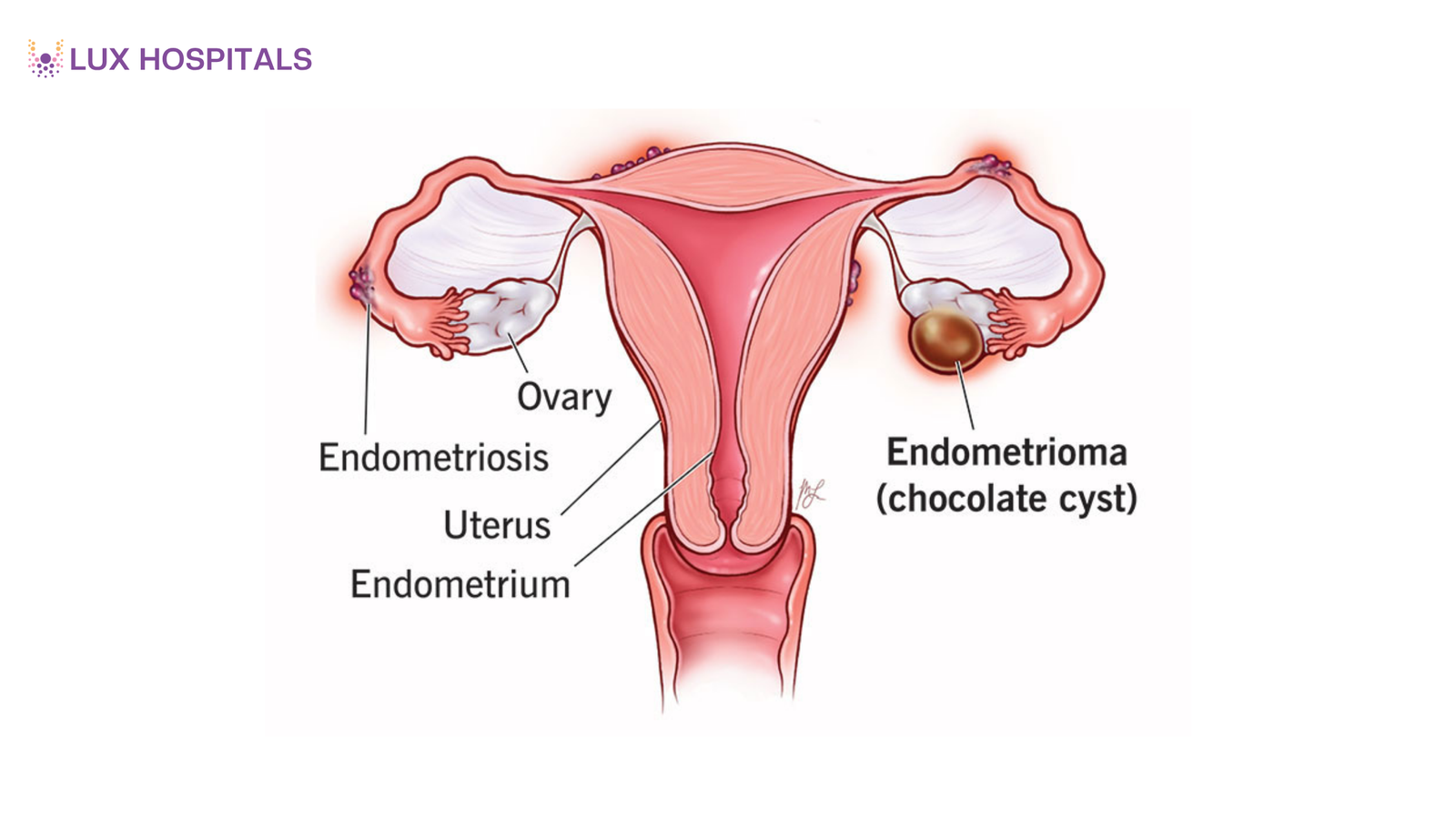
Endometriosis, a disorder in which tissue resembling the lining of the uterus grows outside the uterus, can cause an endometrioma, a kind of ovarian cyst. When endometrial-like tissue adheres to the ovary and bleeds throughout monthly cycles, old blood progressively accumulates inside a sac, forming this cyst. Women between 25 and 40 years are more commonly diagnosed, especially those with long-standing pelvic pain. Early diagnosis of an endometrioma helps prevent complications, protect ovarian reserve, and reduce the risk of recurrence.
How is an Endometrioma Linked to Endometriosis?
Endometriosis occurs when tissue similar to the uterine lining grows outside the uterus, commonly on the ovaries, fallopian tubes, or pelvic walls. This misplaced tissue behaves like normal uterine lining—it thickens, breaks down, and bleeds during each menstrual cycle.
When this tissue grows on the ovary, the blood has nowhere to escape. Over time, the trapped blood accumulates, forming a cyst. This cyst becomes an endometrioma. The longer the condition persists, the larger the cyst may grow.
Key Points:
- Develops due to untreated or advanced endometriosis
- Contains thick, old menstrual blood
- Can grow slowly over months or years
- May damage healthy ovarian tissue
Prompt treatment reduces inflammation and preserves fertility potential.
Symptoms of an Endometrioma
Some women have no symptoms, while others experience significant discomfort. Symptoms often worsen during menstruation due to hormonal changes.
Common Symptoms:
- Severe menstrual cramps
- Chronic pelvic pain
- Pain during intercourse
- Lower abdominal heaviness
- Difficulty conceiving
Pain may feel sharp, dull, or persistent. In rare cases, a large cyst may rupture or twist, causing sudden, severe pain that requires emergency care.
If pelvic pain affects your daily life, it is not normal and should not be ignored.
What is a Repeat Endometrioma?
Recurrence of the cyst following surgery or treatment is referred to as a repeat endometrioma. According to research, women who have severe endometriosis may be 12–15 times more likely to experience a recurrence than those who have milder illness.
Why Does Repeat Endometrioma Occur?
- Incomplete removal of the cyst wall
- Persistent endometriosis tissue
- Hormonal stimulation after surgery
- Lack of long-term hormonal suppression
Repeat endometrioma can cause emotional stress and fertility concerns. However, modern laparoscopic techniques and post-surgical hormonal therapy significantly reduce recurrence risk.
Diagnosis of Endometrioma
Early diagnosis improves treatment success and protects reproductive health. Doctors use several tools to confirm the presence of an endometrioma.
1. Pelvic Examination
Your physician looks for signs of ovarian enlargement or pain.
2. Transvaginal Ultrasound
This is the primary diagnostic tool. Endometriomas show a typical “ground-glass” appearance.
3. MRI Scan
MRI provides detailed imaging in complex or recurrent cases.
4. Laparoscopy
A minimally invasive surgical procedure that confirms diagnosis and allows treatment at the same time.
Regular follow-ups are important, especially for women with known endometriosis.
Treatment Options for Endometrioma
Treatment depends on age, symptoms, cyst size, and fertility goals.
1. Medical Management
Hormonal therapy lessens pain and inhibits the progression of endometriosis. It is most effective for controlling symptoms and tiny cysts.
2. Laparoscopic Cyst Removal
Minimally invasive surgery removes the cyst wall completely while preserving ovarian tissue. This reduces the risk of repeat endometrioma.
3. Fertility-Focused Approach
Techniques for assisted reproduction or fertility preservation may be necessary for women who intend to become pregnant.
4. Long-Term Hormonal Therapy
Doctors often recommend continued hormonal management to prevent recurrence. Individualised care provides better outcomes than one-size-fits-all treatment.
Complications if Left Untreated
Ignoring an endometrioma can lead to serious health issues.
- Ovarian damage
- Chronic pelvic inflammation
- Infertility
- Cyst rupture
- Ovarian torsion
Early treatment protects your reproductive future and reduces the need for repeated surgeries.
Conclusion
More than merely a cyst, an endometrioma is a marker of persistent inflammation and continuous endometriosis. Advanced laparoscopic surgery and long-term hormonal therapy significantly improve results, even if recurrence is possible, and the likelihood of recurring endometrioma may increase 12–15 times in severe cases. Lux Hospital combines expertise, technology, and compassionate care to reduce the risk of recurrence and restore quality of life. If you are struggling with pelvic pain or a repeat endometrioma, trust Lux Hospital to guide you toward lasting relief.
Frequently Asked Questions
Although endometriomas are often benign and not malignant, in rare instances, chronic severe endometriosis may marginally raise the risk of developing some ovarian malignancies. The majority of endometriomas are still treatable and non-cancerous.
Small endometriomas may shrink or stabilise with hormonal therapy that suppresses ovulation and reduces menstrual bleeding. Large cysts, however, seldom go away entirely without surgery.
Repeated endometrioma can reduce ovarian reserve because repeated inflammation and surgeries may damage healthy ovarian tissue over time. Scar formation may also interfere with egg release and fertilisation.
When a cyst is more than 4–5 cm in size, produces excruciating discomfort, interferes with fertility, or grows quickly, doctors typically think about surgery. The severity of symptoms and the patient's objectives also affect the choice.
To prevent recurrent endometriomas, the cyst wall must be surgically removed completely and then treated with long-term hormone suppression. Frequent follow-up scans help detect recurrence early, before symptoms worsen.