Dr. Samhitha Reddy
Consultant Proctologist & Laparoscopic Surgeon
MBBS, MS, FMAS, FISCP, DMAS
- 8 Yrs
- ASCRS Member
By Dr Harshita Kakarla · MBBS, MS, FMAS 29 April 2026 4 min read Updated 7 August 2026

Human Papillomavirus (HPV) is one of the most common viral infections worldwide. Many people carry the virus without knowing it, and some strains can cause serious health problems, including cervical cancer, anal cancer, throat cancer, and genital warts. The good news is that prevention is possible. The HPV Vaccine plays a powerful role in protecting both males and females from HPV-related diseases.If you are wondering whether the HPV Vaccine is right for you or your child, this guide will provide clear, practical answers. Early protection saves lives, reduces cancer risk, and builds long-term immunity.
HPV spreads mainly through intimate skin-to-skin contact. Most infections clear naturally, but high-risk strains can persist and lead to cancer. Cervical cancer is strongly linked to HPV infection, and early stages often show no symptoms.
Health risks linked to HPV include:
The HPV Vaccine protects against the most dangerous strains responsible for these conditions. By receiving the HPV Vaccine at the recommended age, individuals significantly reduce their risk.
Understanding eligibility helps families make informed decisions. Doctors recommend the HPV Vaccine for specific age groups and risk categories.
The ideal time to receive the HPV Vaccine is between 9 and 12 years. At this age, the immune system responds strongly, and protection begins before exposure to the virus.
Why early vaccination matters:
Administering the HPV Vaccine early ensures maximum effectiveness.
Teens who missed earlier vaccination should receive the HPV Vaccine as soon as possible. Catch-up vaccination remains highly effective in this age group.
Delaying vaccination increases the risk of exposure. Completing the HPV Vaccine series during adolescence improves immunity and reduces future cancer risk.
Adults aged 26 and older who were not vaccinated earlier should still consider the HPV Vaccine. Young adults benefit because:
Healthcare providers strongly encourage completing the HPV Vaccine schedule within this age range.
Vaccination in adults 27 to 45 is based on shared clinical decision-making. While the benefit may be lower due to prior exposure, some individuals may still gain protection.
If you are in this age group, consult a healthcare professional to determine if the HPV Vaccine is suitable for your lifestyle and health history.
Many people believe HPV only affects women. This is incorrect. Men can develop throat, anal, and penile cancers due to HPV infection. They can also transmit the virus to partners.
The HPV Vaccine protects males by:
Vaccinating both genders strengthens community immunity and reduces overall infection rates.
The number of doses depends on age:
Completing the full HPV Vaccine series is essential for maximum protection. Skipping doses reduces effectiveness.
Extensive research confirms that the HPV Vaccine is safe and well-tolerated. Millions of doses have been administered worldwide. Side effects are usually mild and temporary.
Common mild reactions include:
Serious side effects are extremely rare. The benefits of preventing cancer far outweigh minor temporary discomfort.
There is no scientific evidence supporting this claim. The HPV Vaccine focuses on health protection, not behaviour change.
Both males and females benefit equally from the HPV vaccine.
Research shows no link between the HPV Vaccine and infertility.
Clearing misinformation helps families make confident decisions
Receiving the HPV Vaccine offers long-term protection and peace of mind. Key benefits include:
The HPV vaccine is a proactive investment in lifelong health.
Consult a healthcare provider if:
Early consultation prevents missed opportunities for protection.
The HPV Vaccine is one of the most effective tools in preventing certain cancers and HPV-related diseases. At Lux Hospital, preventive care remains a priority. The medical team at Lux Hospital provides personalised vaccination guidance, safe administration, and expert counselling for families. Lux Hospital believes in protecting your future through evidence-based care and patient education. Schedule your consultation at Lux Hospital today and take a proactive step toward cancer prevention and lifelong wellness.
Doctors recommend the HPV Vaccine between the ages of 9 and 12 because the immune response is strongest and protection begins before exposure to the virus. Early vaccination reduces the number of doses required and provides long-term cancer prevention benefits.
Extensive global research confirms that the HPV Vaccine is safe, effective, and well-monitored by health authorities worldwide. Most side effects are mild, such as temporary soreness or low-grade fever, and resolve quickly without complications.
Adults aged 27 to 45 may benefit from the HPV Vaccine based on individual risk factors and medical consultation. While exposure to HPV may have already occurred, the vaccine can still protect against strains not yet encountered.
The HPV Vaccine protects against the most common high-risk strains responsible for the majority of cervical cancer cases. However, it does not cover all cancer-causing strains, so regular screening remains important. The HPV Vaccine significantly reduces risk but works best as part of a complete preventive care plan.
Yes, the HPV Vaccine is most effective when given before any exposure to the virus, which often occurs after sexual activity begins. Vaccinating early ensures the immune system builds protection in advance and reduces future infection risk.
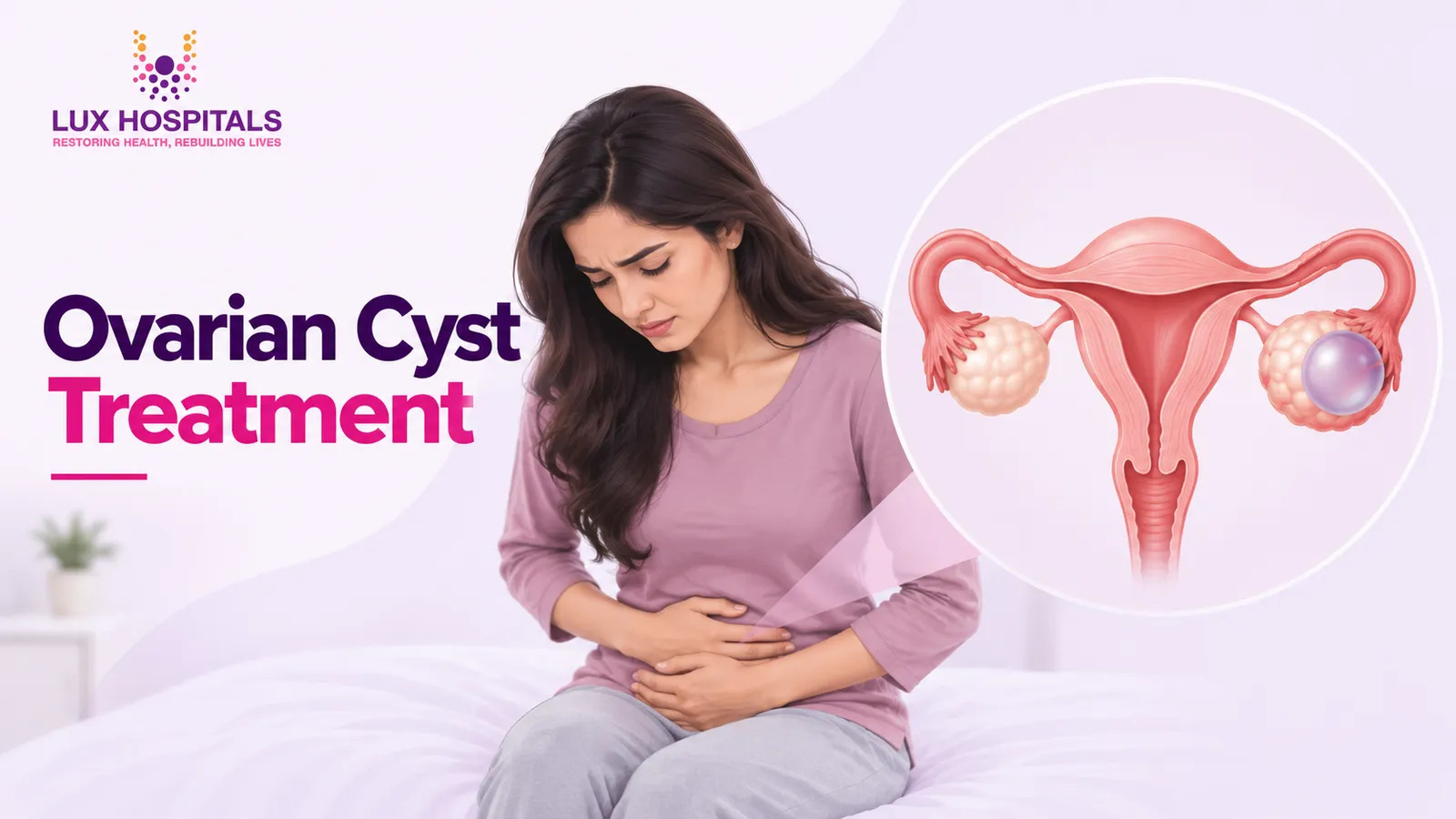
An ovarian cyst that remains on repeat scans does not automatically mean that surgery is needed. Many ovarian cysts are benign and may disappear without treatment. Your gynaecologist will consider the cyst’s size, appearance, symptoms, age, menstrual status, and whether it changes over time when deciding whether to monitor or treat.
14 October 2026
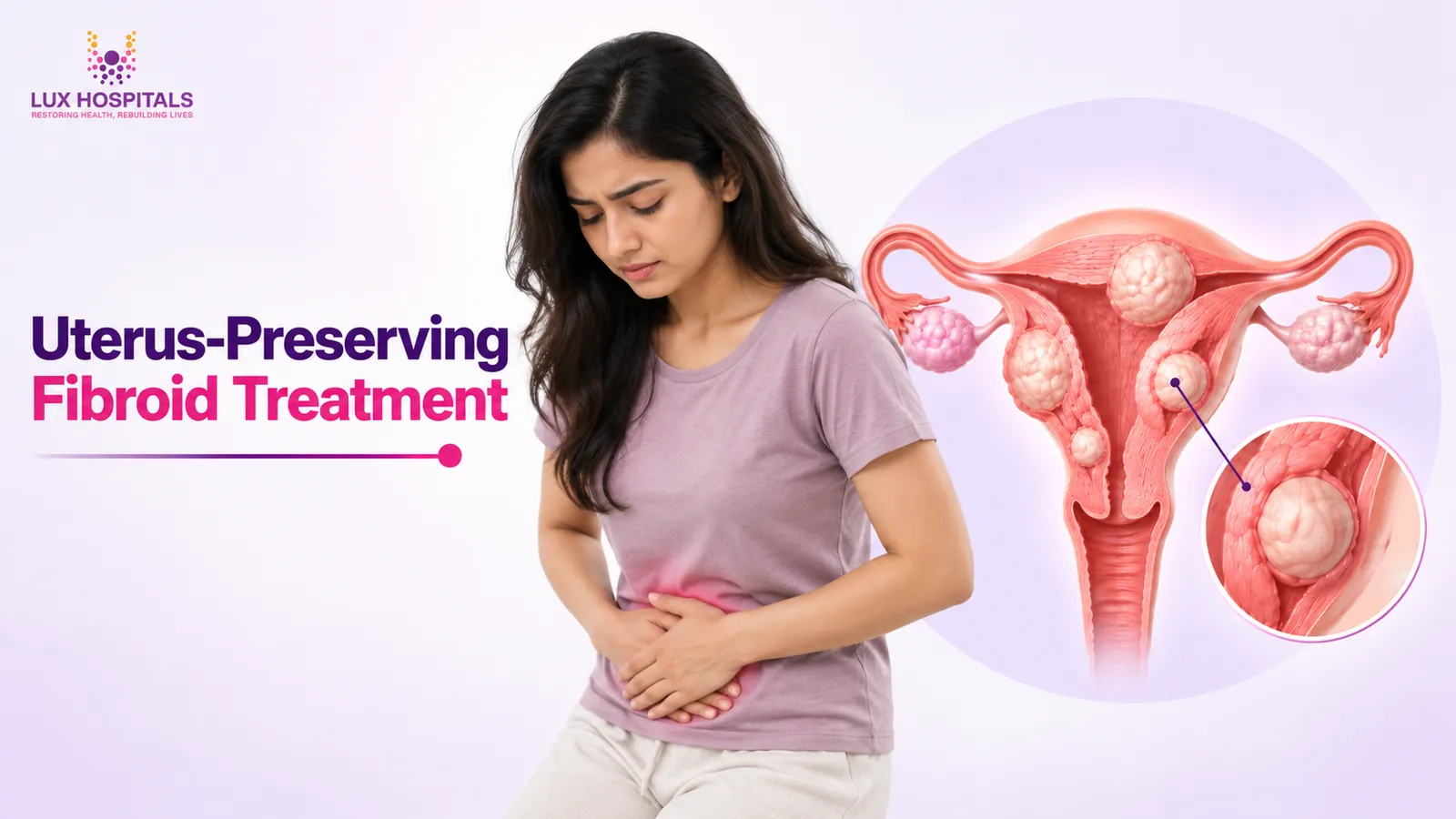
Uterus-preserving fibroid treatment may be considered when a woman wants to manage fibroids while keeping the uterus for future pregnancy. The right option depends on the fibroid’s size, number, location, symptoms, effect on the uterine cavity, age, fertility plans and overall health. Myomectomy is one uterus-preserving option.
12 October 2026
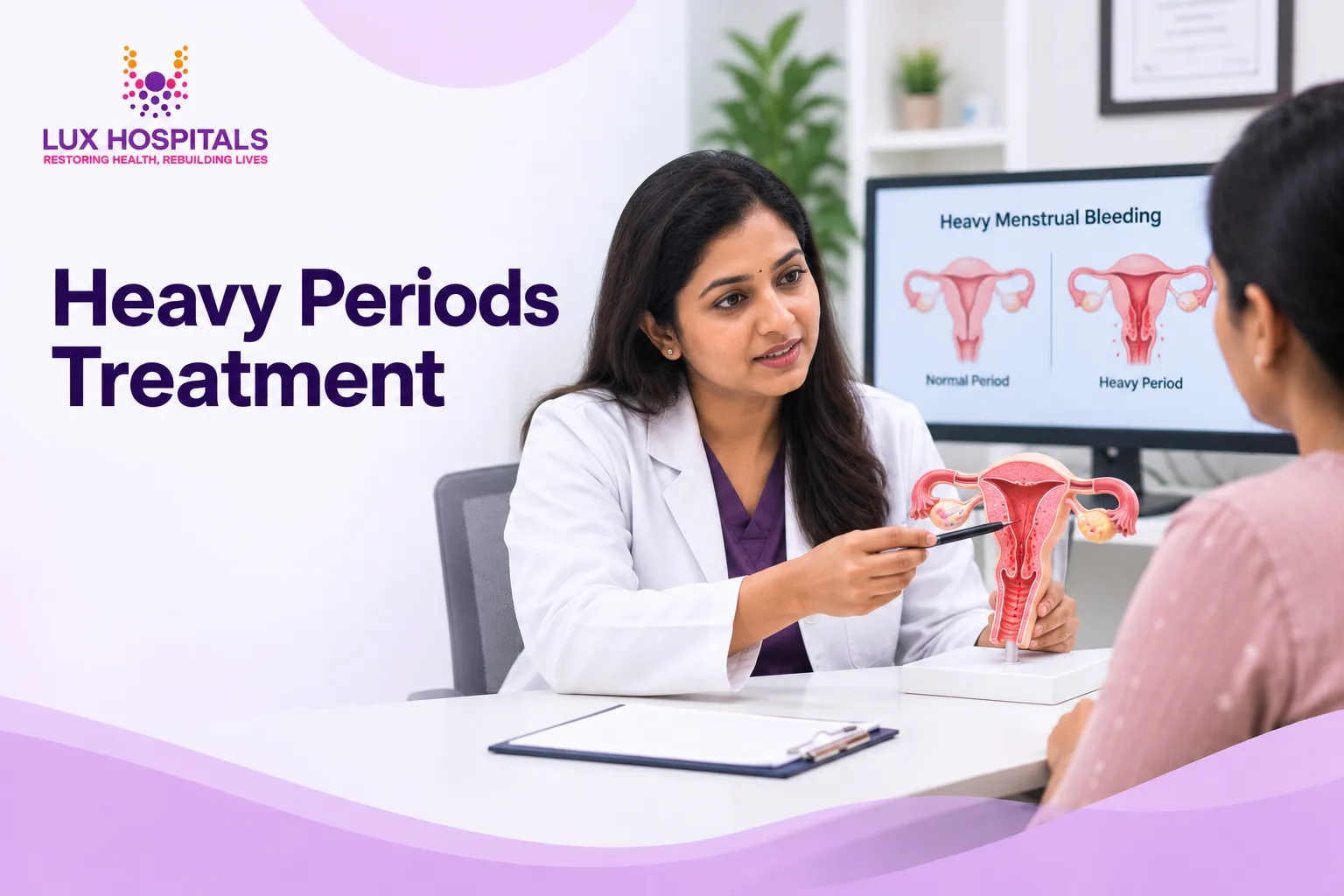
Heavy periods might influence your energy, work, sleep, emotions, and daily routine. While some women may experience less bleeding after taking medication, symptoms may occasionally persist or recur. Rather than continuing to self-medicate, persistent severe bleeding should be properly evaluated by a gynaecologist.
6 October 2026
Send your reports across and a senior surgeon will review them, explain the options and tell you honestly whether surgery is the right call.
Plot No.116, Lumbini Avenue, HITEC CITY, Near IKEA, Hyderabad – 500032