












How Abdominal Tuberculosis Affects the Digestive System?
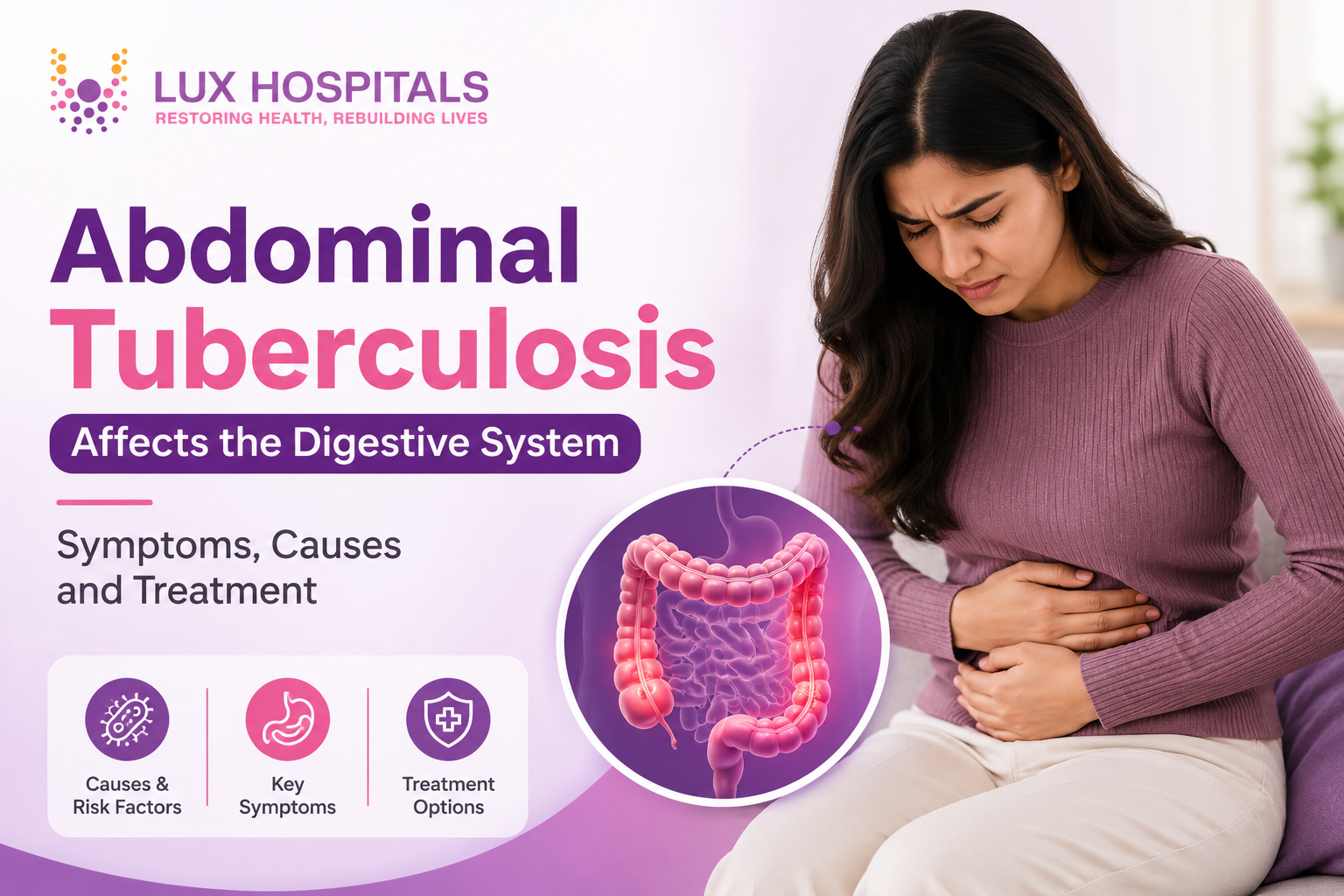
To absorb nutrients, sustain energy levels, and promote general health, the digestive system is essential. On the other hand, gastrointestinal infections can pose serious health risks and disrupt normal digestion. One situation where tuberculosis is present is abdominal tuberculosis. A cavity affects organs in the abdomen, including the intestines, lymph nodes, and peritoneum. Although tuberculosis is usually associated with the lungs, abdominal TB can arise outside of the respiratory system and impact the digestive system. Early diagnosis and appropriate medical care might help prevent complications and improve healing outcomes.

What is Abdominal Tuberculosis?
When Mycobacterium tuberculosis infects abdominal organs, abdominal tuberculosis develops. In addition to the stomach, colon, lymph nodes, and abdominal lining, the illness typically affects the small intestine, particularly the ileocecal region.
The infection may reach the abdomen through:
- Spread from another infected area of the body.
- Swallowing infected respiratory secretions
- Spread through the bloodstream or lymphatic system.
- Reactivation of previously controlled tuberculosis infection
Unlike ordinary stomach infections, Abdominal Tuberculosis develops gradually and may present with symptoms that resemble other digestive disorders. This makes early medical evaluation important.
How Does Abdominal Tuberculosis Affect the Digestive System?
The intestine is responsible for digestion and nutrient absorption. When Abdominal Tuberculosis affects the intestinal walls, it can cause inflammation, ulcers, and narrowing of the intestinal passage.
This can lead to:
- Difficulty passing food through the intestine
- Reduced nutrient absorption
- Abdominal discomfort and bloating
- Changes in bowel habits
Inflammation caused by the infection may damage intestinal tissues over time. Without proper treatment, the condition can lead to complications such as intestinal obstruction or abnormal connections between intestinal sections.
Effects on Digestive Health
Patients with Abdominal Tuberculosis may experience:
- Persistent abdominal pain
- Loss of appetite
- Unexplained weight loss
- Chronic diarrhea or constipation
- Fatigue and weakness
These symptoms often develop slowly, causing many patients to delay seeking medical attention.
Common Symptoms of Abdominal Tuberculosis
Depending on the organs afflicted and the degree of infection, abdominal tuberculosis symptoms can change. While some people have minimal symptoms at first, others have obvious stomach issues.
Common symptoms include:
Digestive Symptoms:
- Continuous or recurring abdominal pain
- Swelling or bloating in the abdomen
- Nausea and vomiting
- Changes in bowel movements
- Reduced appetite
General Symptoms:
- Unexplained weight loss
- Fever, especially during evenings
- Night sweats
- General weakness and tiredness
Because these symptoms overlap with other gastrointestinal conditions, proper testing helps doctors identify the exact cause.
At Lux Hospitals, specialists use detailed evaluations to understand symptoms and provide accurate treatment plans.
Causes and Risk Factors of Abdominal Tuberculosis
When tuberculosis germs infiltrate and proliferate in abdominal tissues, abdominal tuberculosis results. Certain factors can increase the likelihood of this disease.
Risk factors include:
- Previous exposure to tuberculosis infection
- Reduced immunity
- Poor nutritional status
- Close contact with individuals having active tuberculosis
- Certain chronic medical conditions
People with weakened immune systems may have a higher chance of developing tuberculosis outside the lungs. Understanding risk factors helps patients take preventive steps and seek medical advice when symptoms appear.
Diagnosis of Abdominal Tuberculosis
Because the symptoms of abdominal tuberculosis can mimic those of other digestive problems, diagnosing it can be difficult. Physicians employ a mix of advanced investigations, physical examinations, and medical histories.
Diagnostic methods may include:
Imaging Tests
Inflammation, swollen lymph nodes, or intestinal abnormalities can be detected with CT and ultrasound.
Endoscopy and Biopsy
Doctors may collect tissue samples from affected areas to confirm a diagnosis of tuberculosis.
Laboratory Tests
Blood tests and other investigations support diagnosis and help assess overall health.
At Lux Hospitals, advanced diagnostic facilities help specialists accurately detect digestive conditions and begin appropriate treatment promptly.
Treatment Options for Abdominal Tuberculosis
The primary treatment for Abdominal Tuberculosis involves a combination of anti-tuberculosis medications prescribed by qualified doctors. Completing the full treatment course is essential to eliminate the infection and prevent recurrence.
Treatment generally includes:
- Multiple tuberculosis medicines taken for several months
- Regular medical monitoring
- Nutritional support
- Management of digestive complications
In some cases, surgery may be required if complications such as intestinal blockage or severe damage occur. Patients should never stop medication early, even if symptoms improve, because incomplete treatment may allow the infection to return.
Diet and Lifestyle Support During Recovery
Along with medical treatment, maintaining a healthy lifestyle can support recovery from Abdominal Tuberculosis.
Helpful measures include:
- Eating protein-rich, nutritious foods
- Staying hydrated
- Following medication schedules regularly
- Getting adequate rest
- Attending follow-up appointments
A balanced diet helps restore strength and supports the body’s ability to recover from infection.
At Lux Hospitals, doctors guide patients with comprehensive care plans focused on recovery and long-term digestive wellness.
Why Choose Lux Hospitals for Abdominal Tuberculosis Care?
It takes a precise diagnosis, medical knowledge, and ongoing monitoring to treat abdominal TB. Lux Hospitals offers complete medical care with state-of-the-art facilities and highly skilled personnel.
Patients benefit from:
- Expert gastroenterology care
- Advanced diagnostic technology
- Personalised treatment planning
- Patient-friendly consultations
- Continuous follow-up support
The hospital focuses on delivering safe, effective, and compassionate care for every patient.
Conclusion
The digestive system can be severely impacted by abdominal tuberculosis, which can result in intestinal inflammation, digestive issues, and nutritional issues. Early symptom recognition and appropriate medical care might lessen problems and promote a better recovery.
Seeing a professional is crucial if you have chronic digestive problems, unexplained weight loss, or persistent abdominal pain. Throughout their medical journey, patients at Lux Hospitals receive professional evaluation, cutting-edge treatment options, and unwavering support.
Frequently Asked Questions
Abdominal Tuberculosis may cause abdominal pain, weight loss, fever, appetite changes, and digestive problems such as diarrhoea or constipation. Symptoms can develop gradually and may resemble other gastrointestinal conditions. Early medical evaluation helps identify the condition and start appropriate treatment.
Yes, a full course of anti-TB medications provided by physicians can frequently effectively treat abdominal tuberculosis. Carefully adhering to the treatment plan helps eradicate the infection and avoid consequences. Safe healing is supported by routine follow-ups.
Normal digestion may be hampered by intestinal narrowing, inflammation, and ulcers caused by abdominal tuberculosis. Abdominal pain, intestinal issues, and trouble absorbing nutrients are possible outcomes of these changes. Restoring digestive function is aided by appropriate treatment.
Yes, Lux Hospitals provides comprehensive evaluation and treatment support for patients with digestive infections, including Abdominal Tuberculosis. Specialists use advanced diagnostic methods to create personalised treatment plans. Patients receive continuous care from diagnosis through recovery.
Lux Hospitals provides professional medical care, state-of-the-art facilities, and patient-centred treatment methods for complicated digestive disorders. The medical staff concentrates on the precise diagnosis and efficient treatment of abdominal tuberculosis. Throughout their course of treatment, patients are guided with compassion.