











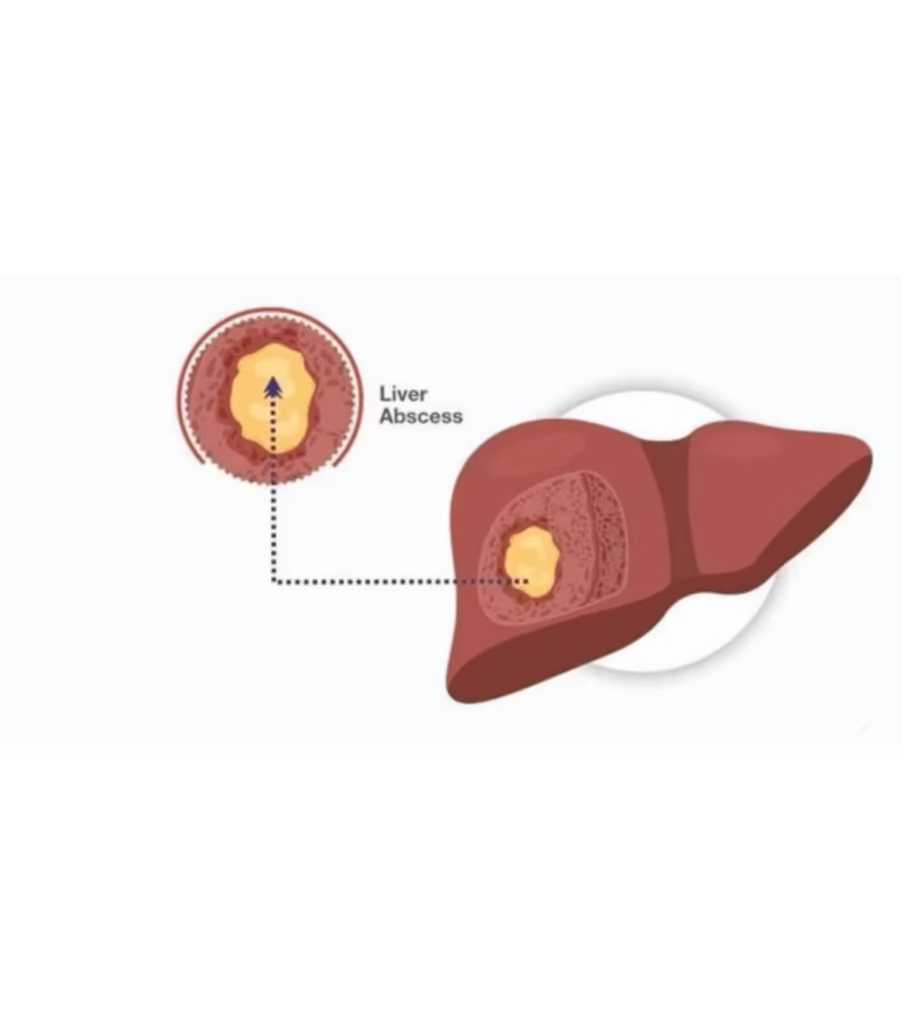

Liver Abscess Treatment for Safe & Complete Recovery
A liver abscess is a serious condition in which pus collects inside the liver due to infection. It is also called a hepatic abscess and can become life-threatening if not treated early. Common liver abscess symptoms include fever, abdominal pain, and weakness. Delay in proper liver abscess treatment may lead to complications such as rupture, sepsis, or organ failure. Early diagnosis and timely medical care help prevent long-term damage and support faster recovery.
What Is Liver Abscess?
A liver abscess is a pus-filled infection that develops inside the liver due to bacteria, parasites, or fungi. It usually occurs when an infection spreads from the abdomen or through the bloodstream. Common symptoms include fever, right upper abdominal pain, nausea, and weakness. Early diagnosis and treatment with antibiotics or drainage are important to prevent complications.
Causes of Liver Abscess
Common liver abscess causes include:
- Untreated abdominal infections
- Biliary tract infections
- Appendicitis or intestinal infection
- Bloodstream infection
- Parasitic infection (amoebiasis)
Understanding the exact cause helps doctors plan the right liver abscess treatment.
Types of Liver Abscess
There are different types of liver abscess, and identifying the type is important before starting liver abscess treatment.
Amoebic Liver Abscess
Caused by a parasite (Entamoeba histolytica). Amoebic liver abscess is common in tropical countries.
Pyogenic Liver Abscess
A bacterial infection leading to pus formation. It is also called pyogenic abscess or pyogenic liver abscess.
Tuberculous Liver Abscess
A tuberculous liver abscess is a rare form of liver abscess caused by tuberculosis infection affecting the liver tissue.
Each type requires a specific approach to liver abscess treatment.
Symptoms of Liver Abscess
Recognizing liver abscess symptoms early is critical. Symptoms may include:
- High fever with chills
- Pain in the right upper abdomen
- Nausea and vomiting
- Loss of appetite
- Weight loss
- Jaundice (in some cases)
- Weakness and fatigue
If these symptoms persist, immediate evaluation and liver abscess treatment are necessary.
Diagnosis of Liver Abscess
Accurate diagnosis ensures effective liver abscess treatment.
Physical Examination
Doctor evaluates abdominal tenderness and fever.
USG Liver Abscess
An ultrasound (USG liver abscess) is the first-line imaging test to detect pus collection.
CT Scan
Provides detailed imaging for planning liver abscess treatment.
Blood Tests
Check infection markers and liver function.
Liver Abscess ICD 10
For medical documentation and insurance purposes, liver abscess falls under specific liver abscess ICD 10 coding classifications.
Proper evaluation determines the best liver abscess treatment strategy.
Liver Abscess Treatment Options
The main goal of liver abscess treatment is to eliminate infection and drain pus.
Medical Liver Abscess Treatment
- Intravenous antibiotics
- Anti-parasitic medications (for amoebic liver abscess)
- Supportive care
Mild cases respond well to early liver abscess treatment with medications.
Minimally Invasive Drainage
- Ultrasound-guided needle aspiration
- Catheter drainage
Image-guided procedures are effective forms of liver abscess treatment for moderate cases.
Surgical Management of Liver Abscess
In complicated or large abscesses, surgical management of liver abscess may be required.
Surgery is recommended in cases of:
- Large abscess not responding to drainage
- Multiple abscesses
- Ruptured liver abscess
- Severe pyogenic liver abscess
Advanced surgical techniques ensure safe and effective liver abscess treatment.
Why Early Liver Abscess Treatment Is Important
Delaying liver abscess treatment can lead to:
- Spread of infection (sepsis)
- Liver failure
- Ruptured liver abscess
- Increased mortality risk
Prompt and appropriate liver abscess treatment significantly improves survival and recovery rates.
Why Choose Lux Hospitals for Liver Abscess Treatment in Hyderabad?
Lux Hospitals is committed to providing the best liver abscess treatment in Hyderabad. Here’s why our patients trust us:
Experienced Specialists: Our team of expert gastroenterologists and surgeons is skilled in diagnosing and treating all types of liver abscesses, including complex and high-risk cases.
Advanced Diagnostic & Treatment Options: We use modern imaging tools like ultrasound and CT scans for accurate diagnosis, along with effective antibiotic therapy and minimally invasive drainage procedures for faster recovery.
Comprehensive Care: From early detection to post-treatment monitoring, we offer complete medical support to ensure safe healing and prevent complications.
Patient-Centered Approach: Every patient receives a personalized treatment plan based on their condition, ensuring safe, effective, and timely care.
State-of-the-Art Facility: Lux Hospitals is equipped with advanced medical technology and critical care support to manage liver abscess cases safely and efficiently.
Recovery & Aftercare
Recovery after liver abscess treatment depends on severity and type.
- Mild infection: 2–4 weeks
- Post drainage/surgery: May require hospital monitoring
- Complete the full course of prescribed antibiotics to ensure the infection is fully cleared and to prevent recurrence.
- Attend scheduled follow-up imaging tests, such as ultrasound or CT scans, to confirm proper healing of the liver abscess.
- Maintain balanced nutrition with a healthy diet to support liver recovery and strengthen immunity.
- Undergo regular liver function monitoring to track progress and detect any complications early.
Proper follow-up ensures long-term success of liver abscess treatment.
Testimonials
I was diagnosed with a liver cyst, and Dr. Tagore Mohan Grandhi carefully explained all treatment options. The surgery was smooth, minimally invasive, and recovery was faster than I expected. The entire team was attentive and supportive. Highly recommend for anyone facing complex liver issues.
Vikram, Hyderabad
Abdominal tuberculosis had me worried, but Dr. Tagore guided me through the surgical treatment with patience and compassion. The surgery went smoothly, and post-op care was excellent. I felt genuinely cared for throughout the process.
Priya, Hyderabad
My mother had recurring acid reflux and needed surgical intervention. Dr. Grandhi took the time to explain everything clearly to our family, including post-operative care. The surgery was seamless, and she is now feeling much healthier and comfortable. The staff was always there to support us throughout.
Anita, Hyderabad
I was treated for colon polyps by Dr. Grandhi. The procedure was minimally invasive, painless, and very well managed. He explained the risks, recovery plan, and preventive steps in detail. The hospital staff was attentive, making the entire experience stress-free.
Suman, Hyderabad

Latest Health Articles by Lux
Frequently Asked Questions
At Lux Hospitals, liver abscesses are treated with intravenous antibiotics, anti-parasitic medications (for amoebic cases), and image-guided drainage procedures. Surgery is recommended only in complicated or ruptured cases.
Yes, a liver abscess is a serious infection. Without timely treatment, it can lead to rupture, sepsis, or organ failure. Early diagnosis and expert care at Lux Hospitals help prevent complications.
The main types treated include amoebic liver abscess, pyogenic liver abscess, and tuberculous liver abscess. Treatment is customized based on the specific type and severity.
No, many cases improve with medications and minimally invasive drainage procedures. Surgery is required only in severe, large, or ruptured abscess cases.
A hepatic abscess is a pus-filled infection inside the liver caused by bacteria, parasites, or fungi. It requires prompt medical attention and specialized care.
Common causes include untreated abdominal infections, biliary tract infections, bloodstream infections, and parasitic infections such as amoebiasis.
A ruptured liver abscess is a medical emergency where the infection spreads into the abdomen or bloodstream, potentially causing sepsis. Immediate hospitalization and treatment are necessary.
The cost depends on the severity of the condition, required investigations (ultrasound, CT scan), medications, drainage procedures, or surgery. The hospital provides a detailed cost estimate after evaluation.
You can book an appointment by calling the hospital’s appointment desk, using the online booking option on the official website, or visiting Lux Hospitals directly during OPD hours to consult a specialist.