Dr. Samhitha Reddy
Consultant Proctologist & Laparoscopic Surgeon
MBBS, MS, FMAS, FISCP, DMAS
- 8 Yrs
- ASCRS Member
By Dr Samhitha Reddy · MBBS, MS, FISCP, FMAS, DMAS 14 October 2026 4 min read
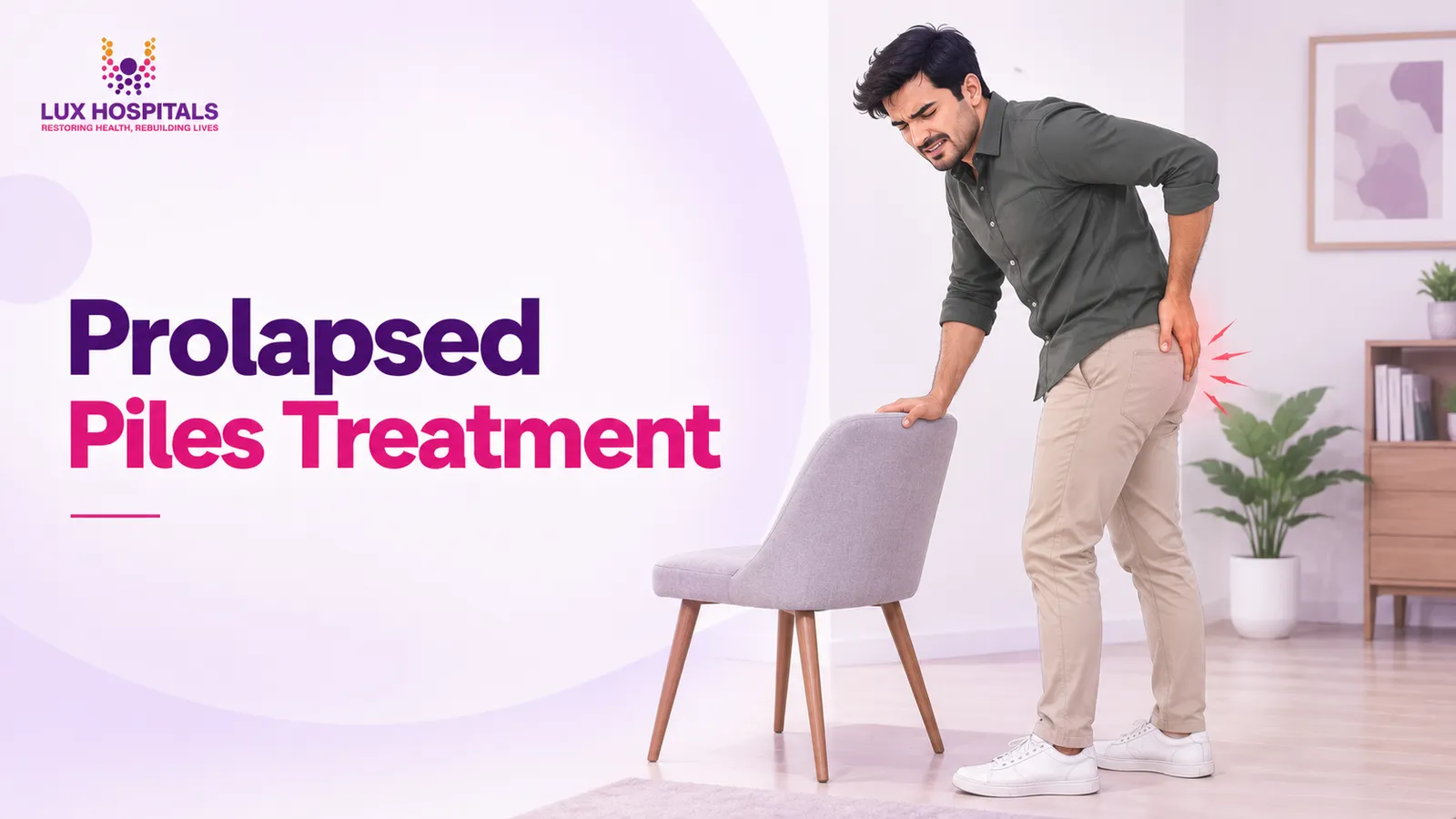
If a piles lump comes out with every bowel movement, it may indicate prolapsing haemorrhoids. The right prolapsed piles treatment depends on the severity of the prolapse, bleeding, pain, bowel habits and whether the lump goes back on its own. A specialist examination can help identify the right treatment. Noticing a lump coming out during a bowel movement can be uncomfortable and worrying. Some people notice it only while passing stool, while others may feel it outside for some time afterwards. This can happen with prolapsing piles. It does not always mean that surgery is needed. Treatment depends on how severe the problem is and how much it affects your daily life. If you are looking for prolapsed piles treatment, start by understanding what is happening and getting a proper assessment.
Piles, also called haemorrhoids, are swollen blood vessels and supporting tissue around the lower bowel. When internal haemorrhoids enlarge, they can move down and appear outside during bowel movements. This is called prolapse. Some prolapsing piles may go back inside on their own. Others may need gentle pushing back. In more advanced cases, the tissue may remain outside. Your doctor may assess the degree of prolapse during an examination. The 2024 ASCRS guidelines recommend considering symptoms such as bleeding, prolapse, hygiene problems, pain and bowel habits when evaluating haemorrhoids.
Several factors can contribute to haemorrhoids becoming worse or prolapsing.
Common factors include:
Constipation and difficult bowel movements can put extra pressure on hemorrhoidal tissue. Improving bowel habits is therefore an important part of treatment.
For mild symptoms, your doctor may first recommend changes that make bowel movements easier.
These may include:
Fibre can soften stools and make them easier to pass. Fruits, vegetables, whole grains, and other fibre-rich foods can help.
Adequate fluid intake can support softer stools, especially when combined with enough dietary fibre.
Try not to force a bowel movement. Straining can increase pressure on swollen haemorrhoids.
Using the toilet only when needed and avoiding prolonged sitting may help reduce pressure around the area. These measures may improve symptoms, but they may not be enough when a piles lump keeps coming out.
You should consider seeing a specialist if:
Repeated prolapse is a reason to get the condition assessed rather than continuing to self-treat.
The best treatment for prolapsed piles depends on the grade of haemorrhoids and your symptoms.
For early or mild disease, your doctor may recommend dietary changes, fibre, fluids and medicines to manage symptoms. These approaches can help control symptoms but may not correct significant prolapse.
Some internal haemorrhoids can be treated with procedures such as rubber band ligation. The procedure places a small band around the haemorrhoidal tissue to reduce its blood supply. The treated tissue eventually shrinks. Whether this is suitable depends on the type and severity of your haemorrhoids.
For advanced prolapsing piles, surgery may be considered. The exact procedure depends on the haemorrhoid grade, symptoms, previous treatments and your overall health. Surgery is not automatically required just because a lump comes out. Your specialist should first determine how advanced the condition is.
There is no guaranteed way to prevent haemorrhoids from progressing, but improving bowel habits can help.
Try to:
If symptoms continue despite these measures, seek professional assessment.
Don’t assume piles cause every lump or episode of bleeding. Seek medical advice if bleeding is persistent, heavy, or accompanied by other concerning symptoms. Your doctor may examine you and, when appropriate, use anoscopy or other investigations to confirm the diagnosis and rule out other causes.
Don’t ignore a piles lump that comes out with every bowel movement, especially if it’s becoming more frequent. The good news is that several treatment options are available. You may not need surgery, but you do need the right assessment before choosing a treatment. If prolapse keeps happening despite changes in your bowel habits, speak with a Lux Hospitals proctology specialist to understand your options for prolapsed piles treatment.
Some prolapsing haemorrhoids can return inside after a bowel movement, while others may need to be pushed back or may remain outside. The degree of prolapse helps determine the appropriate treatment.
No, the severity of the prolapse and your symptoms will determine the course of treatment. While advanced instances may need surgery, some people improve with non-surgical therapies or changes in bowel habits.
Straining, constipation, and enlarged hemorrhoidal tissue can contribute to prolapse. A specialist can determine the grade of haemorrhoids and recommend suitable treatment.
A fibre-rich diet and good bowel habits can reduce constipation and straining, which may improve symptoms. However, diet alone may not correct significant prolapse.
No single treatment is best for everyone. The appropriate option depends on the grade of prolapse, symptoms, bowel habits and previous treatment.
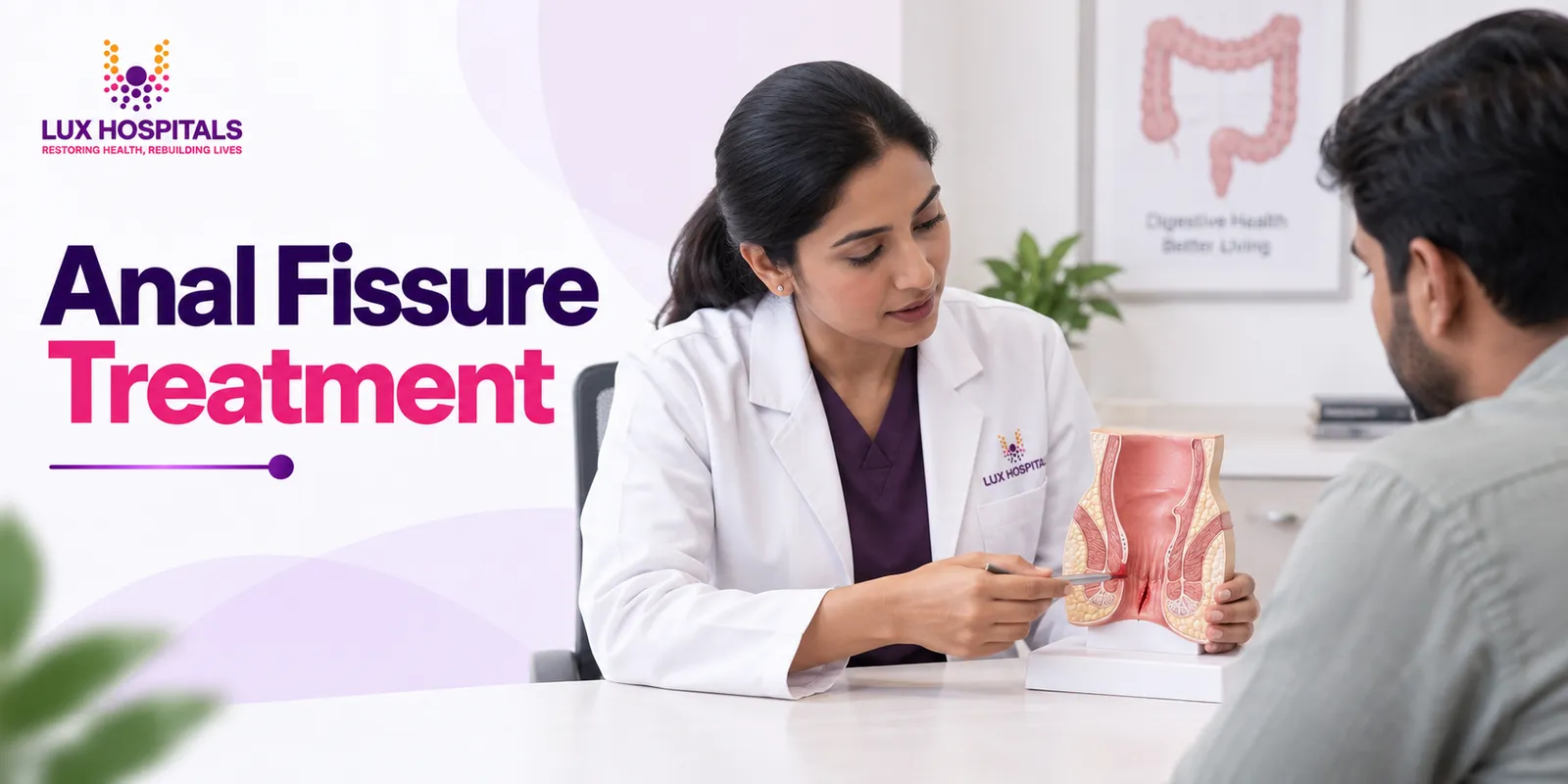
Anal fissure treatment should be discussed with a doctor when pain continues despite prescribed ointment, especially if pain lasts after bowel movements, bleeding keeps returning, or symptoms interfere with daily life.
8 October 2026
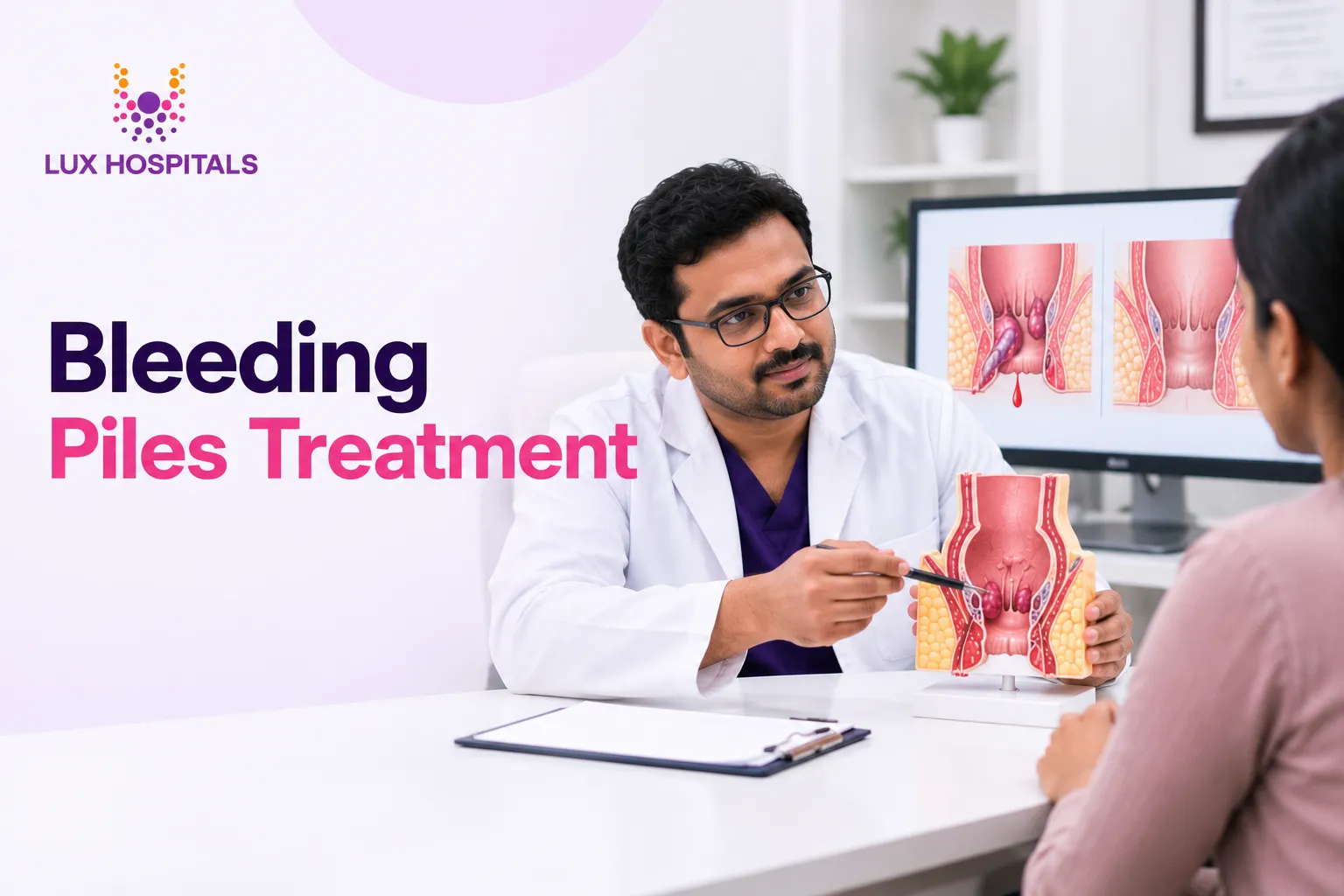
Bleeding during bowel movements is one of the common symptoms of piles, but when it keeps returning despite medicines, it should not simply be ignored. Temporary relief from creams, tablets, or other medicines does not always address the reason behind recurrent bleeding.
4 October 2026
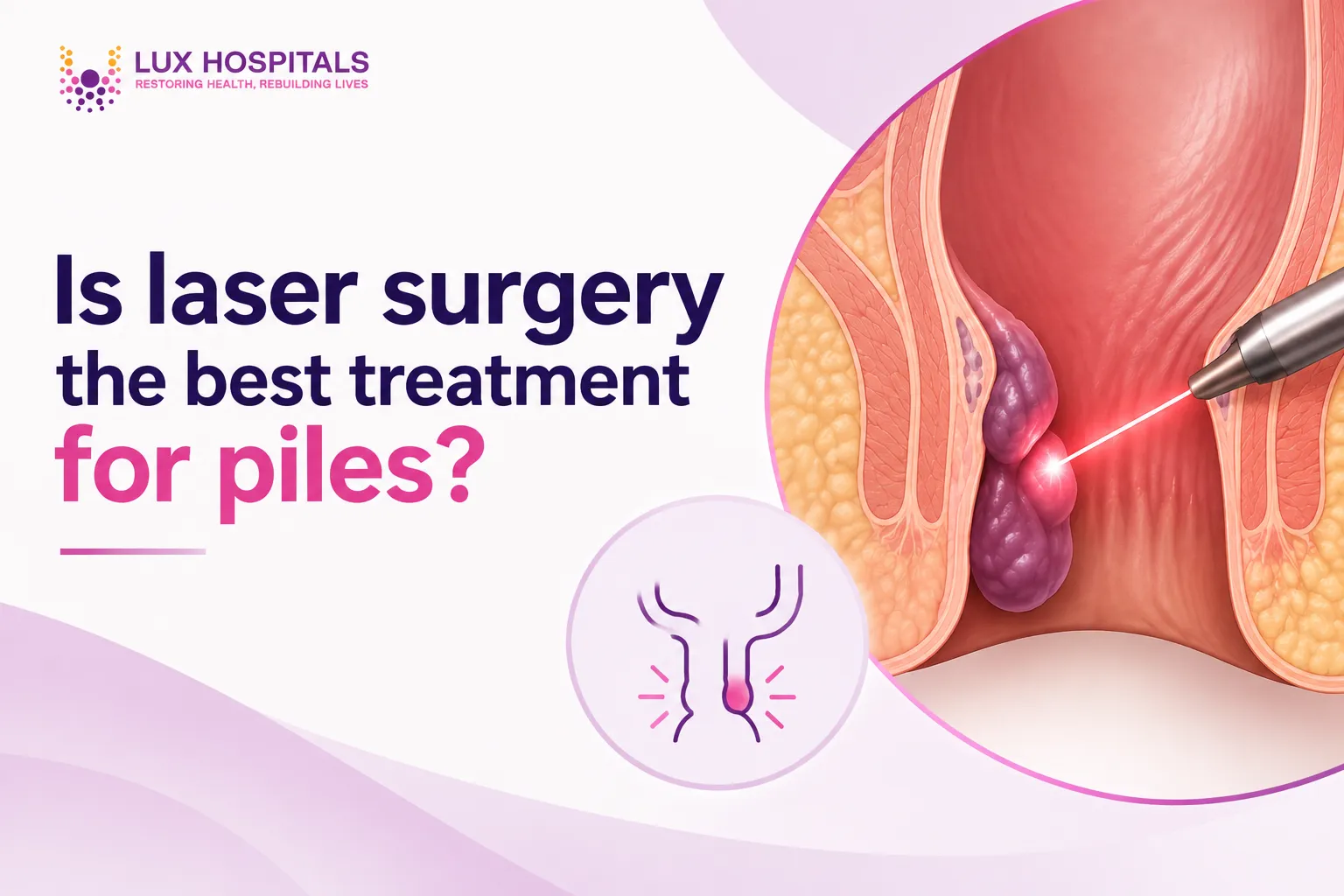
Piles, also called haemorrhoids, are swollen blood vessels around the anus or lower rectum. They can cause bleeding, itching, pain, swelling and discomfort during bowel movements. While mild piles may improve with diet and lifestyle changes, persistent or advanced symptoms may need medical treatment.
10 September 2026
Send your reports across and a senior surgeon will review them, explain the options and tell you honestly whether surgery is the right call.
Plot No.116, Lumbini Avenue, HITEC CITY, Near IKEA, Hyderabad – 500032