











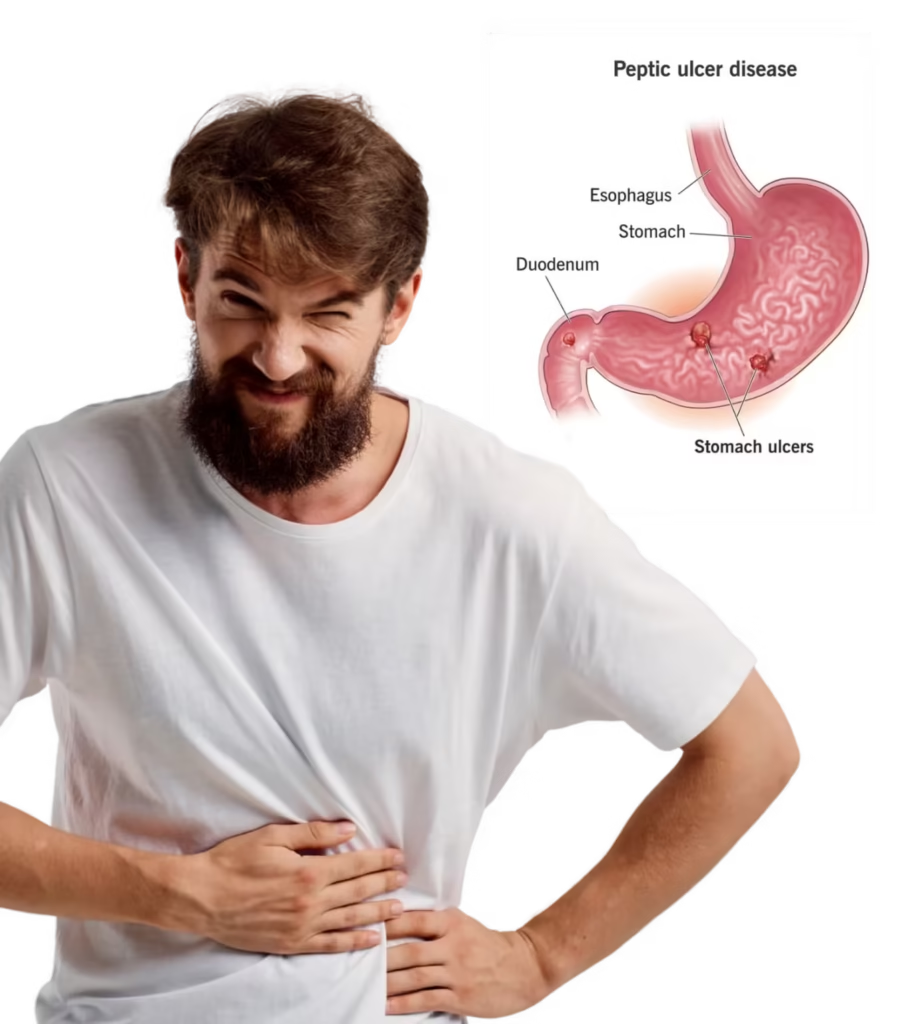

Peptic Ulcer: Symptoms, Causes & Advanced Peptic Ulcer Treatment
A peptic ulcer is a painful sore that develops on the lining of the stomach, small intestine, or esophagus. If left untreated, it can cause complications such as bleeding, perforation, or obstruction. At Lux Hospitals, Hyderabad, early diagnosis and personalized peptic ulcer treatment help prevent serious complications and ensure long-term digestive health. Our expert gastroenterologists use advanced diagnostic tools and evidence-based therapies to manage peptic ulcer disease effectively. Comprehensive care includes tailored medication plans, monitoring, dietary guidance, and lifestyle support for complete recovery.
What Is a Peptic Ulcer?
A peptic ulcer is an open sore that forms in the digestive tract, most commonly in the stomach (gastric ulcer) or the upper part of the small intestine (duodenal ulcer). It occurs when the protective lining of the stomach or intestine is eroded by stomach acid and digestive enzymes. Symptoms may include burning abdominal pain, bloating, nausea, or vomiting.
Types of Peptic Ulcers
- Gastric Ulcer: Develops in the stomach lining.
- Duodenal Ulcer: Forms in the first part of the small intestine.
- Esophageal Ulcer: Affects the lower esophagus, usually due to acid reflux.
Each type of ulcer requires an individualized evaluation and appropriate peptic ulcer disease treatment.
Causes of Peptic Ulcer
Understanding peptic ulcer causes helps in prevention and timely treatment. Common causes include:
- Infection with Helicobacter pylori (H. pylori) bacteria
- Long-term use of NSAIDs (painkillers like ibuprofen or aspirin)
- Excess stomach acid due to stress, smoking, or alcohol
- Lifestyle and dietary factors
Symptoms of Peptic Ulcer
Recognizing peptic ulcer symptoms early allows prompt peptic ulcer treatment:
- Burning stomach pain, often between meals or at night
- Bloating, belching, or feeling full quickly
- Nausea or vomiting
- Loss of appetite and weight loss
- Dark or bloody stools (in severe cases)
Diagnosis of Peptic Ulcer
Accurate peptic ulcer diagnosis may include:
- Endoscopy: Direct visualization of the stomach and duodenum
- Biopsy: To detect H. pylori infection or rule out cancer
- Upper GI series (barium swallow X-ray): Highlights ulcers in the digestive tract
- Blood, stool, or breath tests: Detect H. pylori infection
Peptic Ulcer Treatment Options
Medical Management
- Medications: Proton pump inhibitors (PPIs), H2 blockers, antibiotics for H. pylori, and antacids
- Duration: Varies depending on severity and cause, typically 4–8 weeks for healing
- Lifestyle & Dietary Support: Following a peptic ulcer diet that avoids spicy, acidic, or fatty foods supports recovery
Surgical Treatment
Surgery may be needed if complications occur that cannot be managed medically, such as:
- Perforation: Hole in the stomach or intestine wall
- Bleeding ulcers: Severe or ongoing blood loss
- Obstruction: Blockage in the digestive tract
At Lux Hospitals, Hyderabad, minimally invasive techniques are used whenever possible for safe and effective peptic ulcer treatment.
Complications of Peptic Ulcer
Without timely peptic ulcer treatment, serious complications may arise:
- Internal bleeding leading to anemia
- Perforation causing severe abdominal infection
- Obstruction due to swelling or scarring in the digestive tract
Prompt medical attention and proper management of peptic ulcer can prevent these life-threatening conditions.
When to See a Doctor
Seek medical care if you experience:
- Persistent or severe stomach pain: Continuous or intense abdominal discomfort.
- Vomiting blood or black stools: Signs of internal bleeding from the ulcer.
- Unexplained weight loss: Rapid loss of body weight without reason.
- Nausea or loss of appetite: Feeling sick or reduced desire to eat.
Early evaluation ensures accurate peptic ulcer diagnosis and timely initiation of peptic ulcer treatment.
Why Choose Lux Hospitals for Peptic Ulcer Treatment in Hyderabad
Lux Hospitals is committed to providing advanced and safe peptic ulcer treatment in Hyderabad. Here’s why patients trust us:
- Experienced Specialists: Our team of gastroenterologists and surgeons has extensive experience managing all forms of peptic ulcer disease, including complex cases.
- Advanced Diagnostic & Treatment Options: We use endoscopy, biopsy, imaging tools, and evidence-based medications to provide effective treatment.
- Comprehensive Care: From diagnosis to treatment, follow-up, dietary guidance, and lifestyle support, we provide complete care for long-term digestive health.
- Patient-Centered Approach: Each patient receives a personalized treatment plan tailored to their condition and overall health.
- State-of-the-Art Facility: Lux Hospitals is equipped with advanced technology, modern operation theatres, and specialized care units for safe and effective management.
Testimonials
I was diagnosed with a liver cyst, and Dr. Tagore Mohan Grandhi carefully explained all treatment options. The surgery was smooth, minimally invasive, and recovery was faster than I expected. The entire team was attentive and supportive. Highly recommend for anyone facing complex liver issues.
Vikram, Hyderabad
Abdominal tuberculosis had me worried, but Dr. Tagore guided me through the surgical treatment with patience and compassion. The surgery went smoothly, and post-op care was excellent. I felt genuinely cared for throughout the process.
Priya, Hyderabad
My mother had recurring acid reflux and needed surgical intervention. Dr. Grandhi took the time to explain everything clearly to our family, including post-operative care. The surgery was seamless, and she is now feeling much healthier and comfortable. The staff was always there to support us throughout.
Anita, Hyderabad
I was treated for colon polyps by Dr. Grandhi. The procedure was minimally invasive, painless, and very well managed. He explained the risks, recovery plan, and preventive steps in detail. The hospital staff was attentive, making the entire experience stress-free.
Suman, Hyderabad

Latest Health Articles by Lux
Frequently Asked Questions
Common symptoms include burning stomach pain, bloating, nausea, vomiting, and dark or bloody stools.
Peptic ulcers are mainly caused by H. pylori infection, long-term NSAID use, excess stomach acid, smoking, alcohol, and stress.
Yes, with proper peptic ulcer treatment, including medications, lifestyle changes, and in some cases, surgery.
Treatment includes medications like PPIs and antibiotics, dietary adjustments, and surgery for complications.
A diet rich in easily digestible foods while avoiding spicy, fatty, or acidic meals helps healing and symptom relief.
Complications can include bleeding, perforation, obstruction, and anemia.
You can book online via the Lux Hospitals website, call the hospital, or visit the appointment desk.
Gastroenterologists and surgeons experienced in peptic ulcer disease and its complications manage treatment.
Treatment costs vary based on diagnosis, type of therapy (medical or surgical), and tests required. Personalized consultation provides an accurate estimate.