











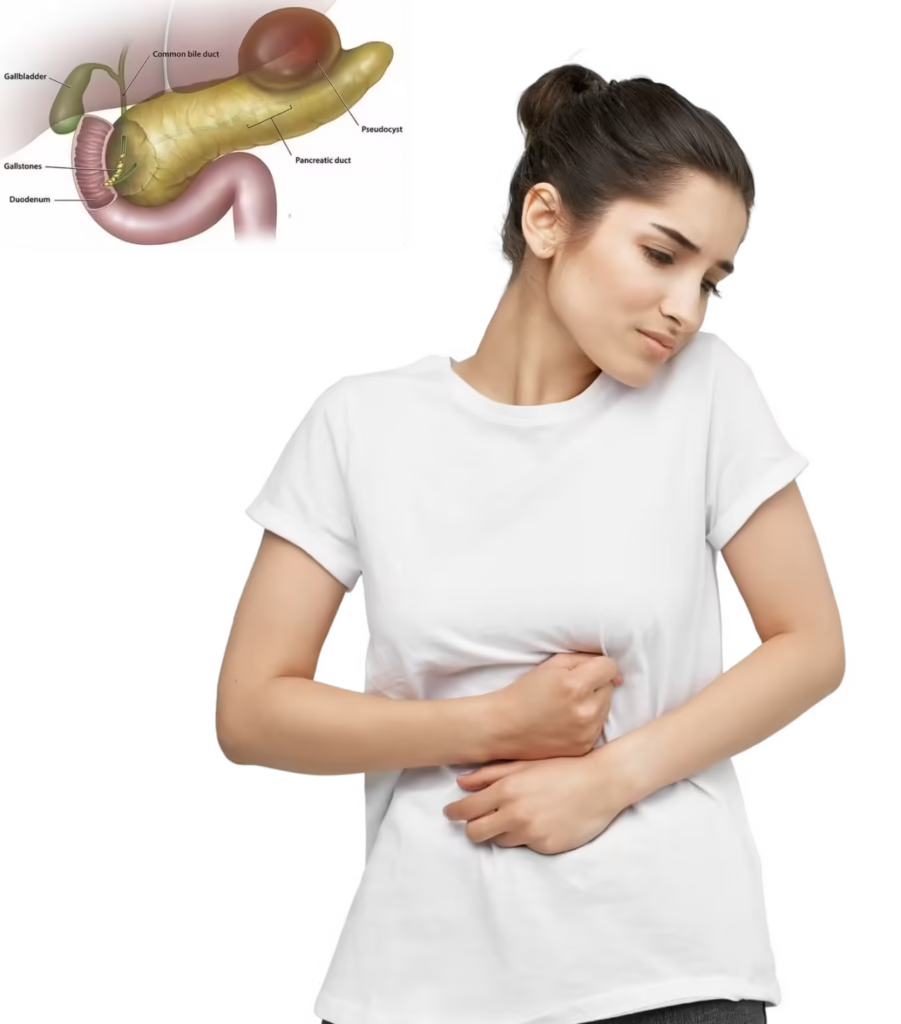

Pancreatic Pseudocyst: Symptoms, Causes & Advanced Pancreatic Pseudocyst Treatment
A pancreatic pseudocyst is a fluid-filled sac that develops in the abdomen, often following pancreatitis or pancreatic injury. While some pseudocysts may remain stable, others can cause pain, infection, or digestive problems if untreated. Many patients may not notice symptoms initially, though abdominal discomfort, nausea, or jaundice can occur. At Lux Hospitals, Hyderabad, early diagnosis and timely pancreatic pseudocyst treatment help prevent complications. Our experienced gastroenterologists and surgeons use advanced imaging and minimally invasive procedures for safe and effective management. Proper treatment ensures better digestive health, reduces the risk of infection, and supports long-term recovery. Patients receive personalized care and guidance for monitoring and ongoing pancreatic wellness.
What Is a Pancreatic Pseudocyst?
A pancreatic pseudocyst is a fluid-filled sac that develops in or around the pancreas, usually following pancreatitis or pancreatic injury. Unlike true cysts, it does not have an epithelial lining. Small pseudocysts may cause no symptoms, while larger ones can lead to abdominal pain, digestive issues, or discomfort. If left untreated, they may result in complications such as infection, rupture, or obstruction of nearby organs. Early diagnosis and timely treatment are essential for safe and effective management.
Causes of Pancreatic Pseudocyst
Understanding pancreatic pseudocyst causes helps prevent recurrence. Common causes include:
Causes of Peptic Ulcer
Understanding peptic ulcer causes helps in prevention and timely treatment. Common causes include:
- Acute pancreatitis
- Chronic pancreatitis
- Abdominal trauma
- Pancreatic duct obstruction
Inflammation leads to leakage of pancreatic enzymes, forming a pancreatic pseudocyst. Identifying the underlying cause is crucial for effective pancreatic pseudocyst treatment.
Symptoms of Pancreatic Pseudocyst
Some patients remain asymptomatic, while others experience noticeable pancreatic pseudocyst symptoms.
Common pancreatic pseudocyst signs and symptoms include:
- Persistent upper abdominal pain
- Nausea and vomiting
- Abdominal bloating
- Fever
- Loss of appetite
Severe abdominal pain with dizziness may indicate pancreatic pseudocyst rupture symptoms, which require emergency pancreatic pseudocyst treatment.
If symptoms worsen, immediate medical attention is necessary to avoid life-threatening complications.
Diagnosis and ICD Classification
Diagnosis involves:
- ltrasound abdomen: Uses sound waves to create images of the pancreas and detect pseudocysts.
- CT scan: Provides detailed cross-sectional images to assess the size, location, and complications of the pseudocyst.
- MRI: Offers high-resolution images to evaluate pancreatic tissue and surrounding structures.
- Endoscopic ultrasound: Combines endoscopy and ultrasound to visualize the pancreas and guide biopsy or drainage if needed.
For medical documentation, physicians use pancreatic pseudocyst ICD 10 codes for accurate classification and insurance processing.
Pancreatic Pseudocyst Treatment Options
- Observation and Monitoring
Small, asymptomatic pseudocysts may only require regular imaging and follow-up to ensure they do not grow or cause complications. - Endoscopic Drainage
A minimally invasive procedure where the pseudocyst is drained into the stomach or intestine using endoscopic techniques. - Percutaneous Drainage
A catheter is inserted through the skin under imaging guidance to safely drain fluid from the pseudocyst. - Surgical Management
Required for large, persistent, or complicated pseudocysts; may involve internal drainage or complete cyst removal. - Supportive Care
Includes pain management, nutritional support, and treatment of underlying pancreatitis to prevent recurrence.
- Observation and Monitoring
At Lux Hospitals, Hyderabad, experienced gastroenterologists and surgeons provide personalized pancreatic pseudocyst treatment using advanced imaging and minimally invasive techniques for safe and effective outcomes.
Pancreatic Pseudocyst Complications
Without proper pancreatic pseudocyst treatment, serious pancreatic pseudocyst complications may develop, including:
- Infection: The pseudocyst can become infected, leading to fever, pain, and systemic illness.
- Rupture: The cyst may burst, causing sudden severe abdominal pain and potentially life-threatening internal leakage.
- Internal bleeding: Blood vessels near the pseudocyst can be damaged, resulting in internal hemorrhage.
- Obstruction of nearby organs: A large pseudocyst can press on the stomach, intestines, or bile ducts, causing digestive blockages or jaundice.
Recognizing warning signs early allows timely pancreatic pseudocyst treatment and reduces long-term risks.
When to Seek Medical Help
Consult a specialist immediately if you experience:
- Severe abdominal pain: Intense pain in the upper abdomen that may radiate to the back, often signaling a large or inflamed pseudocyst.
- Persistent vomiting: Continuous vomiting caused by pressure on the stomach or digestive tract from the pseudocyst.
- High fever: Elevated body temperature indicating possible infection or inflammation within the pseudocyst.
- Sudden worsening pain (possible rupture): Rapid increase in abdominal pain may suggest pseudocyst rupture or other serious complications requiring urgent care.
Prompt pancreatic pseudocyst treatment can prevent emergency situations and life-threatening complications.
Why Choose Lux Hospitals for Pancreatic Pseudocyst Treatment in Hyderabad?
Seek medical care if you experience:
- Persistent or severe stomach pain: Continuous or intense abdominal discomfort.
- Vomiting blood or black stools: Signs of internal bleeding from the ulcer.
- Unexplained weight loss: Rapid loss of body weight without reason.
- Nausea or loss of appetite: Feeling sick or reduced desire to eat.
Early evaluation ensures accurate peptic ulcer diagnosis and timely initiation of peptic ulcer treatment.
Why Choose Lux Hospitals for Peptic Ulcer Treatment in Hyderabad
Lux Hospitals is committed to providing advanced and safe pancreatic pseudocyst treatment in Hyderabad. Here’s why patients trust us:
Experienced Specialists: Our team of expert gastroenterologists and pancreatic surgeons has extensive experience in diagnosing and managing all types of pancreatic pseudocysts, including complex and recurrent cases.
Advanced Diagnostic & Treatment Options: We use modern imaging tools like ultrasound, CT scan, MRI, and endoscopic ultrasound (EUS), along with minimally invasive drainage or surgical procedures for effective treatment.
Comprehensive Care: From early detection and evaluation to treatment, follow-up, and nutritional support, we provide complete medical support to ensure safe recovery and long-term pancreatic health.
Patient-Centered Approach: Every patient receives a personalized treatment plan tailored to their condition, overall health, and individual needs, ensuring safe, effective, and timely care.
State-of-the-Art Facility: Lux Hospitals is equipped with advanced medical technology, modern operation theatres, and specialized care units to manage pancreatic pseudocysts safely and efficiently.
Testimonials
I was diagnosed with a liver cyst, and Dr. Tagore Mohan Grandhi carefully explained all treatment options. The surgery was smooth, minimally invasive, and recovery was faster than I expected. The entire team was attentive and supportive. Highly recommend for anyone facing complex liver issues.
Vikram, Hyderabad
Abdominal tuberculosis had me worried, but Dr. Tagore guided me through the surgical treatment with patience and compassion. The surgery went smoothly, and post-op care was excellent. I felt genuinely cared for throughout the process.
Priya, Hyderabad
My mother had recurring acid reflux and needed surgical intervention. Dr. Grandhi took the time to explain everything clearly to our family, including post-operative care. The surgery was seamless, and she is now feeling much healthier and comfortable. The staff was always there to support us throughout.
Anita, Hyderabad
I was treated for colon polyps by Dr. Grandhi. The procedure was minimally invasive, painless, and very well managed. He explained the risks, recovery plan, and preventive steps in detail. The hospital staff was attentive, making the entire experience stress-free.
Suman, Hyderabad

Latest Health Articles by Lux
Frequently Asked Questions
Common symptoms include persistent upper abdominal pain, nausea and vomiting, abdominal bloating, fever, and loss of appetite.
Doctors use pancreatic pseudocyst ICD‑10 codes for accurate medical documentation and insurance processing.
Without proper treatment, serious pancreatic pseudocyst complications can include infection, rupture, internal bleeding, and obstruction of nearby organs.
Pancreatic pseudocyst surgery may be recommended for large, persistent, or complicated cysts that cannot be managed with minimally invasive drainage.
Signs of rupture include sudden worsening abdominal pain, fever, dizziness, and symptoms of internal bleeding requiring urgent medical care.
Pancreatic pseudocyst management includes regular imaging, drainage procedures, surgical intervention when needed, and supportive measures to prevent recurrence.
You should consult an experienced gastroenterologist or pancreatic surgeon for accurate diagnosis and personalized pancreatic pseudocyst treatment.
The cost of pancreatic pseudocyst treatment in Hyderabad varies based on the size of the pseudocyst, required diagnostics, procedures like drainage or surgery, and hospitalization.
You can easily book an appointment at Lux Hospitals, Hyderabad online or by contacting the hospital directly to consult a specialist for evaluation and treatment.