











Mini Gastric Bypass Procedure for Effective Weight Loss and Metabolic Health
Mini gastric bypass is a modern bariatric surgery designed to help individuals achieve significant and long-term weight loss. It is recommended for people with severe obesity and related health conditions. This minimally invasive procedure reduces the size of the stomach and reroutes a part of the small intestine, helping patients eat less and absorb fewer calories. At Lux Hospitals, Hyderabad, experienced bariatric surgeons perform mini gastric bypass using advanced laparoscopic techniques for safe treatment and faster recovery. The surgery also helps improve conditions such as type 2 diabetes, high blood pressure, sleep apnea, and other metabolic disorders, enhancing overall health and quality of life.
What is a Mini Gastric Bypass?
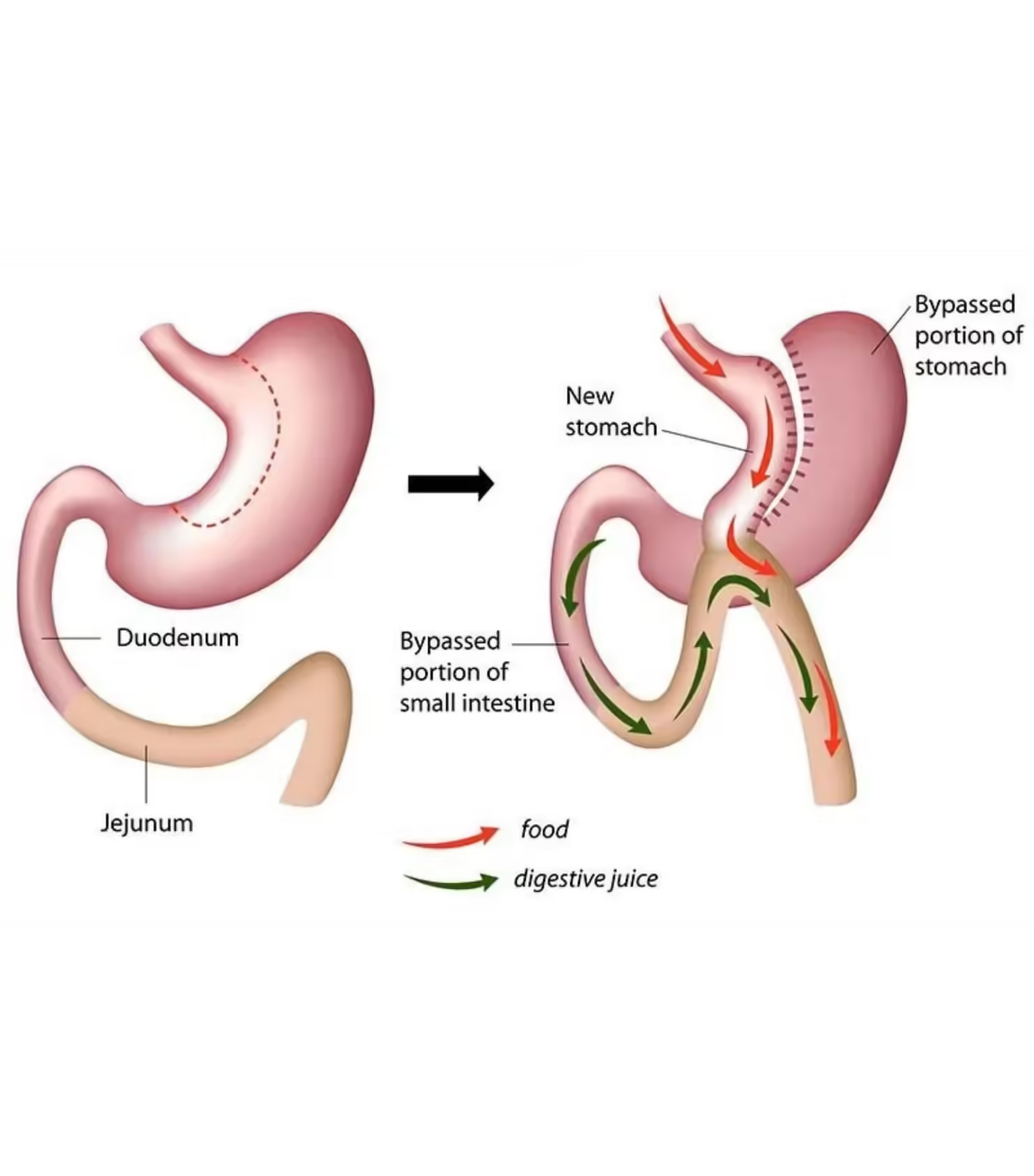
The mini gastric bypass procedure is a bariatric weight-loss surgery where the surgeon creates a small stomach pouch and connects it directly to a lower part of the small intestine. This helps reduce food intake and limits calorie absorption.
The procedure is commonly referred to as:
- Mini gastric bypass surgery
- Laparoscopic mini gastric bypass
- Mini gastric bypass
Because this technique involves fewer intestinal connections than traditional gastric bypass, it is considered a simpler and faster surgical option for many patients.
The mini gastric bypass procedure combines restriction (smaller stomach) and mild malabsorption (reduced calorie absorption), helping patients achieve sustainable weight loss.
Mini Gastric Bypass Procedure Indications
Doctors usually recommend the mini gastric bypass procedure for individuals who meet certain health and weight criteria.
Common indications include:
- Body Mass Index (BMI) above 37.5
- BMI between 32.5–37.5 with obesity-related health conditions
- Difficulty losing weight through diet and exercise
- Type 2 diabetes linked to obesity
- High blood pressure or sleep apnea
Before recommending the mini gastric bypass procedure, doctors evaluate the patient’s medical history, lifestyle, and overall health condition.
How Mini Gastric Bypass Surgery is Performed?
The mini gastric bypass procedure is performed using minimally invasive laparoscopic techniques. This allows smaller incisions, less pain, and faster healing.
Steps in the Mini Gastric Bypass Procedure
1. Pre-Surgical Evaluation
Doctors conduct medical tests and assess BMI, lifestyle, and existing health conditions before scheduling the mini gastric bypass procedure.
2. Administration of Anesthesia
The surgery is performed under general anesthesia so the patient remains comfortable and pain-free during the mini gastric bypass surgery.
3. Laparoscopic Surgical Access
Small incisions are made in the abdomen, and a tiny camera along with surgical instruments are inserted. This minimally invasive approach is widely used for the mini gastric bypass procedure.
4. Creation of a Small Stomach Pouch
The surgeon creates a small stomach pouch that restricts the amount of food the patient can eat.
5. Intestinal Bypass
The pouch is connected to a section of the small intestine, allowing food to bypass a portion of the digestive tract. This step makes the mini gastric bypass procedure effective for weight loss.
6. Completion of Surgery
Once the surgeon ensures there is no bleeding or leakage, the instruments are removed and the incisions are closed.
The entire mini gastric bypass procedure usually takes about 1–2 hours.
Benefits of Mini Gastric Bypass Procedure
Patients undergoing the mini gastric bypass procedure often experience both weight-loss and metabolic benefits.
Major Benefits
- Significant and sustained weight loss
- Improved blood sugar control in diabetes
- Reduced risk of heart disease
- Lower blood pressure levels
- Improved mobility and physical activity
- Better sleep quality
Compared to traditional gastric bypass, many patients consider mini gastric bypass vs gastric bypass when choosing the right treatment because the mini version is technically simpler and may involve shorter surgery time.
Mini Gastric Bypass Complications
Like any surgery, the mini gastric bypass procedure has certain risks, although they are uncommon when performed by experienced surgeons.
Possible mini gastric bypass complications include:
- Bleeding
- Infection
- Nutritional deficiencies
- Acid reflux
- Ulcers
Some patients may experience side effects of mini gastric bypass surgery such as nausea, vitamin deficiencies, or digestive changes. These mini gastric bypass side effects can usually be managed with proper diet, supplements, and regular medical follow-up.
Recovery After Mini Gastric Bypass Procedure
Recovery after the mini gastric bypass procedure usually happens gradually over several weeks.
Diet After Surgery
Patients follow a structured diet plan:
Week 1
Clear liquids and sugar-free beverages
Weeks 2–3
Pureed or soft foods
After Week 4
Gradual transition to healthy solid foods
Lifestyle Changes
To maintain long-term results after the mini gastric bypass procedure, patients should:
- Follow a balanced diet
- Exercise regularly
- Take recommended vitamin supplements
- Attend scheduled follow-up visits
These lifestyle changes help maintain weight loss and improve metabolic health.
Why Choose Lux Hospitals for Mini Gastric Bypass Procedure?
Patients seeking safe and effective bariatric treatment trust Lux Hospitals for advanced surgical care.
Experienced Bariatric Surgeons Our specialists are highly skilled in performing the mini gastric bypass procedure and other advanced weight-loss surgeries.
Advanced Laparoscopic Technology We use modern minimally invasive techniques to perform mini gastric bypass surgery, ensuring precision and faster recovery.
Comprehensive Obesity Care From diagnosis to long-term follow-up, our team provides complete support for patients undergoing the mini gastric bypass procedure.
Patient-Focused Treatment Each treatment plan is customized according to the patient’s health condition, weight-loss goals, and medical history.
When Should You Consider a Mini Gastric Bypass Procedure?
You should consult a bariatric specialist if:
- You have severe obesity and struggle to lose weight
- Diet and lifestyle changes have not produced results
- You have obesity-related diseases such as diabetes or hypertension
Early consultation helps determine whether the mini gastric bypass procedure is the most suitable treatment option.
Testimonials
I was diagnosed with a liver cyst, and Dr. Tagore Mohan Grandhi carefully explained all treatment options. The surgery was smooth, minimally invasive, and recovery was faster than I expected. The entire team was attentive and supportive. Highly recommend for anyone facing complex liver issues.
Vikram, Hyderabad
Abdominal tuberculosis had me worried, but Dr. Tagore guided me through the surgical treatment with patience and compassion. The surgery went smoothly, and post-op care was excellent. I felt genuinely cared for throughout the process.
Priya, Hyderabad
My mother had recurring acid reflux and needed surgical intervention. Dr. Grandhi took the time to explain everything clearly to our family, including post-operative care. The surgery was seamless, and she is now feeling much healthier and comfortable. The staff was always there to support us throughout.
Anita, Hyderabad
I was treated for colon polyps by Dr. Grandhi. The procedure was minimally invasive, painless, and very well managed. He explained the risks, recovery plan, and preventive steps in detail. The hospital staff was attentive, making the entire experience stress-free.
Suman, Hyderabad

Latest Health Articles by Lux
Frequently Asked Questions
The mini gastric bypass procedure is a bariatric surgery where a small stomach pouch is created and connected to the small intestine to limit food intake and reduce calorie absorption. This helps patients achieve long-term weight loss.
Patients with a BMI above 37.5 or those with obesity-related conditions such as diabetes or hypertension may be eligible for mini gastric bypass surgery after medical evaluation.
In mini gastric bypass vs gastric bypass, the mini version typically involves a single intestinal connection and shorter surgical time, while traditional gastric bypass uses two connections and may be more complex.
Some patients may experience side effects of mini gastric bypass surgery such as nausea, vitamin deficiencies, or digestive changes. These mini gastric bypass side effects can usually be managed with proper diet and supplements.
The mini gastric bypass cost in India varies depending on factors such as the hospital, surgeon’s expertise, and treatment plan. The cost of mini gastric bypass surgery in Hyderabad is usually determined after a detailed medical evaluation and consultation with the bariatric specialist.
Yes, Lux Hospitals, Hyderabad provides cashless insurance facilities with major insurance providers and TPAs, along with dedicated support for claim approvals and documentation.
You can book a consultation for the mini gastric bypass procedure in Hyderabad at Lux Hospitals by calling the hospital’s appointment number or contacting the team through WhatsApp for quick assistance.