Dr. Samhitha Reddy
Consultant Proctologist & Laparoscopic Surgeon
MBBS, MS, FMAS, FISCP, DMAS
- 8 Yrs
- ASCRS Member
By Dr. Ashwani Narla · MBBS, MS (Obstetrics & Gynaecology) 18 September 2024 10 min read Updated 24 September 2025
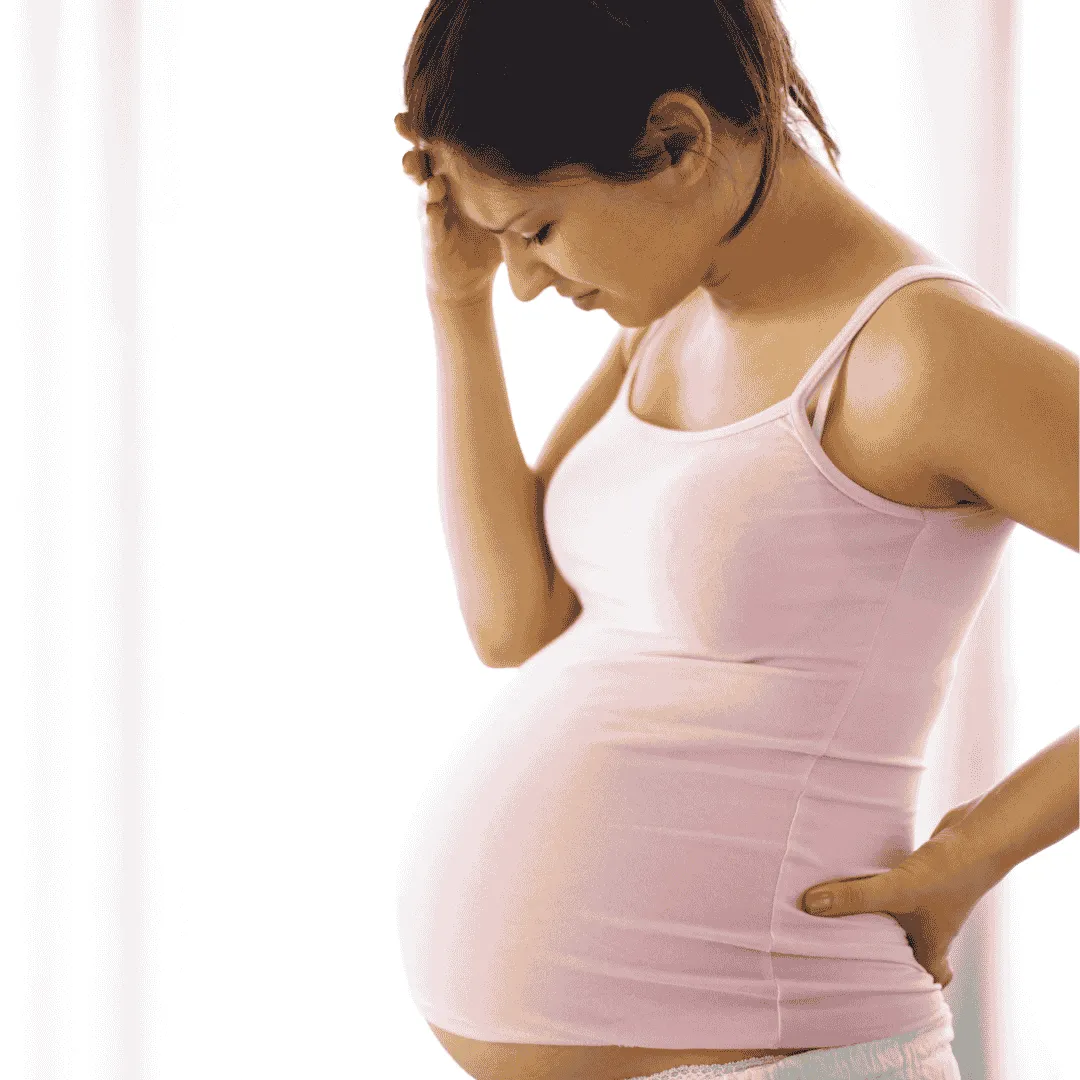
Endometriosis complications in pregnancy are often a silent battle, affecting millions of women worldwide, many of whom may not even realize the impact it has on their fertility and pregnancy journey. For those who dream of becoming mothers, the road can be filled with uncertainty and challenges. But with knowledge and proper care, women with endometriosis can navigate these complications in pregnancy with confidence.
Endometriosis is a chronic condition where tissue similar to the lining of the uterus, known as the endometrium, grows outside the uterus, causing pain, inflammation, and in some cases, fertility issues. Affecting approximately 10% of women of reproductive age, endometriosis is a common yet often misunderstood condition. Its impact extends beyond physical symptoms, as endometriosis complications in pregnancy can also take an emotional toll, especially when it comes to planning a family.
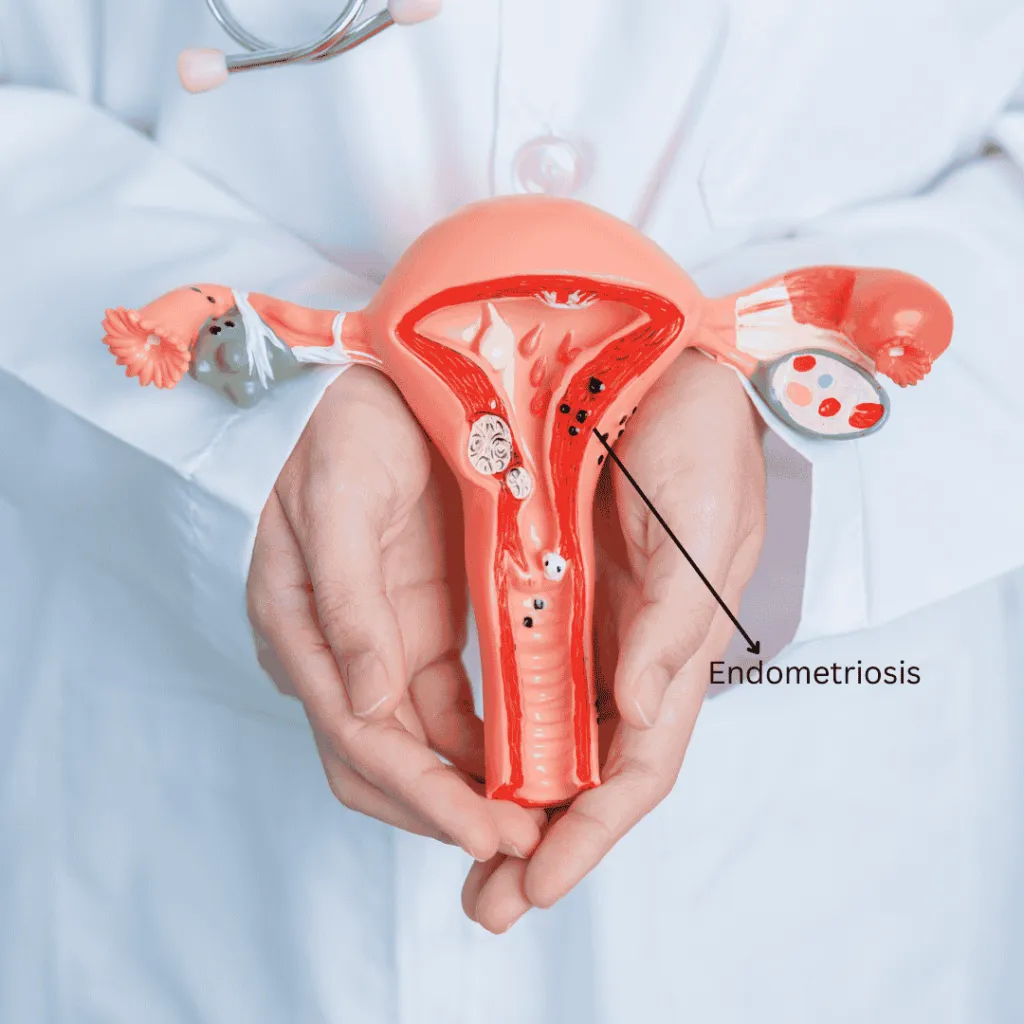
The condition can complicate conception, and, for those who do become pregnant, it may introduce additional risks during pregnancy. Understanding how endometriosis can influence this significant life event is crucial for ensuring the best possible outcomes.
This blog aims to shed light on endometriosis complications in pregnancy and how they can affect the journey to motherhood. By understanding these potential complications and learning about effective management strategies, women with endometriosis can better prepare for a healthy pregnancy. We will explore the risks, symptoms, and care options available, empowering women with the knowledge they need to face this journey with resilience and hope.
One of the most common concerns for women with endometriosis is whether they can conceive. The good news is that despite the potential endometriosis complications in pregnancy, many women with this condition can achieve pregnancy, though it may require more time, patience, and sometimes medical intervention. Endometriosis can impact fertility, primarily by causing scar tissue and inflammation that may affect the ovaries, fallopian tubes, and surrounding reproductive organs. However, with proper treatment and support, many women successfully conceive and carry a pregnancy to term.
Pregnancy induces significant hormonal changes, which can temporarily affect the symptoms of endometriosis. During pregnancy, the body produces higher levels of progesterone, a hormone that can suppress the growth of endometrial tissue. As a result, some women may experience a reduction in endometriosis-related pain and discomfort during pregnancy.
For many women, pregnancy brings a welcomed period of relief from the often debilitating symptoms of endometriosis. The hormonal environment of pregnancy, particularly the increased levels of progesterone, can halt the progression of the disease, leading to a temporary remission of symptoms. However, this relief is usually temporary, with endometriosis complications in pregnancy potentially returning after childbirth, especially if breastfeeding is not prolonged or if hormonal treatments are not continued.
While pregnancy can provide some respite, it is not a cure for endometriosis. Understanding the potential impact of pregnancy on endometriosis symptoms can help women prepare for the changes they may experience and plan their care accordingly.
While many women with endometriosis can have healthy pregnancies, endometriosis complications in pregnancy do come with certain risks that should be closely monitored. Understanding these potential complications is crucial for ensuring both maternal and fetal health throughout the pregnancy.
During pregnancy, it’s important for women with endometriosis to be vigilant about certain symptoms that could indicate complications:
By understanding these risks and symptoms, women with endometriosis can take proactive steps in collaboration with their healthcare providers to manage their pregnancy effectively, ensuring the best possible outcomes.
For women with endometriosis, maintaining regular monitoring and care throughout pregnancy is crucial to ensure both maternal and fetal well-being.
Managing pain during pregnancy, especially for women with endometriosis, requires a cautious approach to ensure the safety of both mother and baby.
In addition to medical care, certain lifestyle adjustments can significantly contribute to managing endometriosis symptoms during pregnancy and promoting overall well-being.
By focusing on regular monitoring, effective pain management, and healthy lifestyle adjustments, women with endometriosis can better navigate the challenges of pregnancy, ensuring a safer and more comfortable experience.
The postpartum period is a time of significant physical and emotional change, especially for women with endometriosis. Understanding how childbirth might impact endometriosis symptoms is essential for planning recovery.
Breastfeeding can offer additional benefits for women with endometriosis, potentially impacting the condition’s progression.
Endometriosis is a chronic condition, and long-term management is crucial for maintaining quality of life and planning for future pregnancies.
By understanding the potential impact of childbirth and breastfeeding on endometriosis, and by planning for long-term management, women can better navigate the postpartum period and make informed decisions about their health and future pregnancies.
While endometriosis complications in pregnancy can present challenges, understanding the potential risks and actively managing the condition can lead to positive outcomes for both mother and baby. With the right care and support, many women with endometriosis can experience healthy pregnancies and effective postpartum recovery.
If you are in Hyderabad and need specialized care for managing endometriosis during pregnancy, Lux Hospitals offers expert services tailored to your needs. Their experienced team is dedicated to providing comprehensive care for women with endometriosis, helping you navigate every step of your pregnancy journey with confidence. If you’re facing pregnancy with endometriosis, don’t hesitate to seek the support you need. Contact Lux Hospitals in Hyderabad today to schedule a consultation and take the first step towards a healthier pregnancy.
The most common complications include an increased risk of miscarriage, preterm birth, placental complications like placenta previa, and a higher likelihood of requiring a cesarean delivery.
Yes, complications such as preterm birth and placental issues can affect the baby’s health, potentially leading to low birth weight or other developmental concerns.
Management includes regular prenatal care, working with a specialized healthcare team, safe pain relief options, and making lifestyle adjustments such as a balanced diet and stress management techniques.
Warning signs include severe abdominal pain, unusual bleeding or spotting, and signs of preterm labor, such as regular contractions before 37 weeks.
No, not every woman with endometriosis will experience complications. While the risk is higher, many women with endometriosis have healthy pregnancies without significant issues.
Discuss your specific risks, the best management strategies, potential signs of complications, and your delivery plan, including the possibility of a cesarean section if necessary.
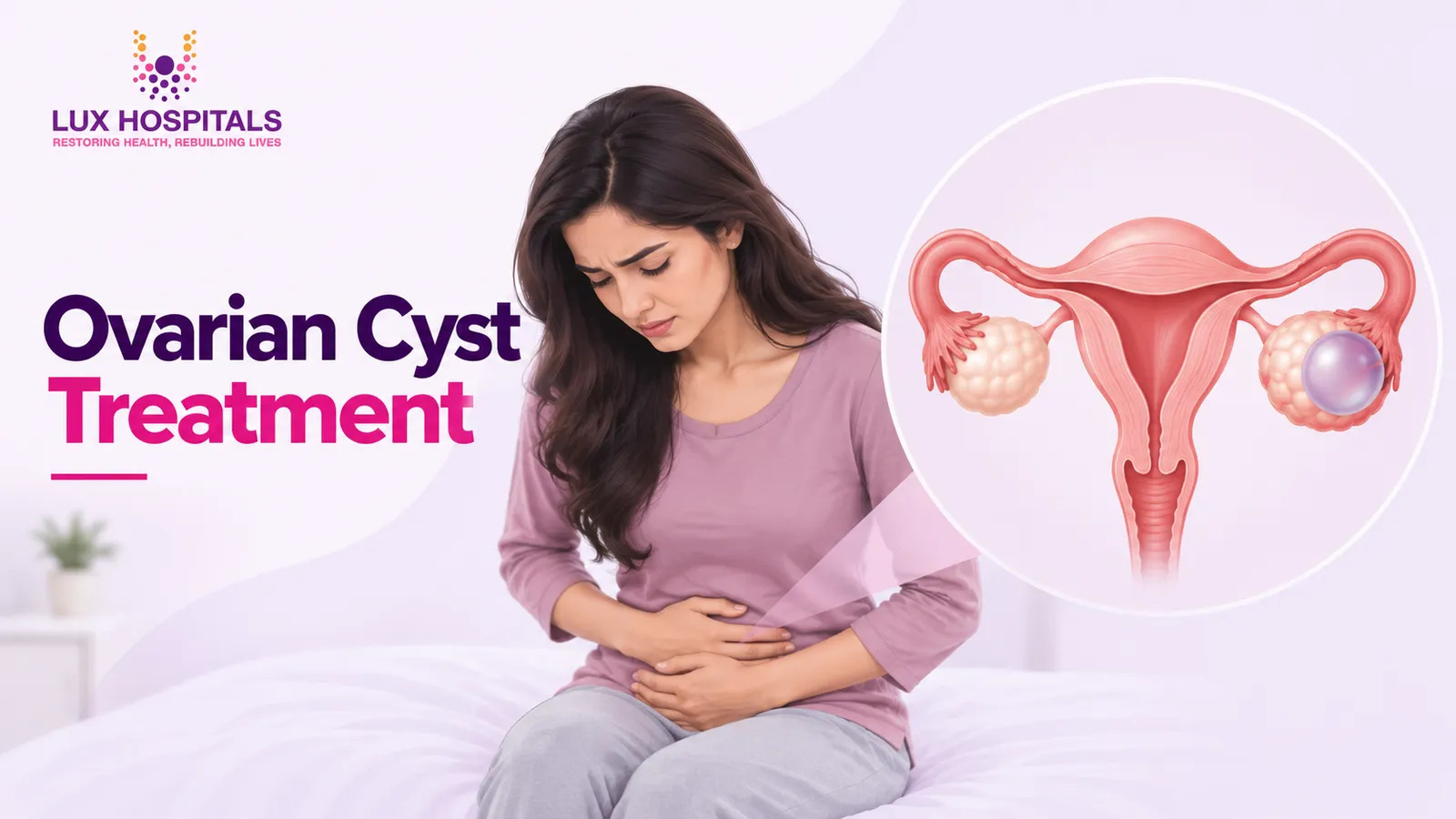
An ovarian cyst that remains on repeat scans does not automatically mean that surgery is needed. Many ovarian cysts are benign and may disappear without treatment. Your gynaecologist will consider the cyst’s size, appearance, symptoms, age, menstrual status, and whether it changes over time when deciding whether to monitor or treat.
14 October 2026
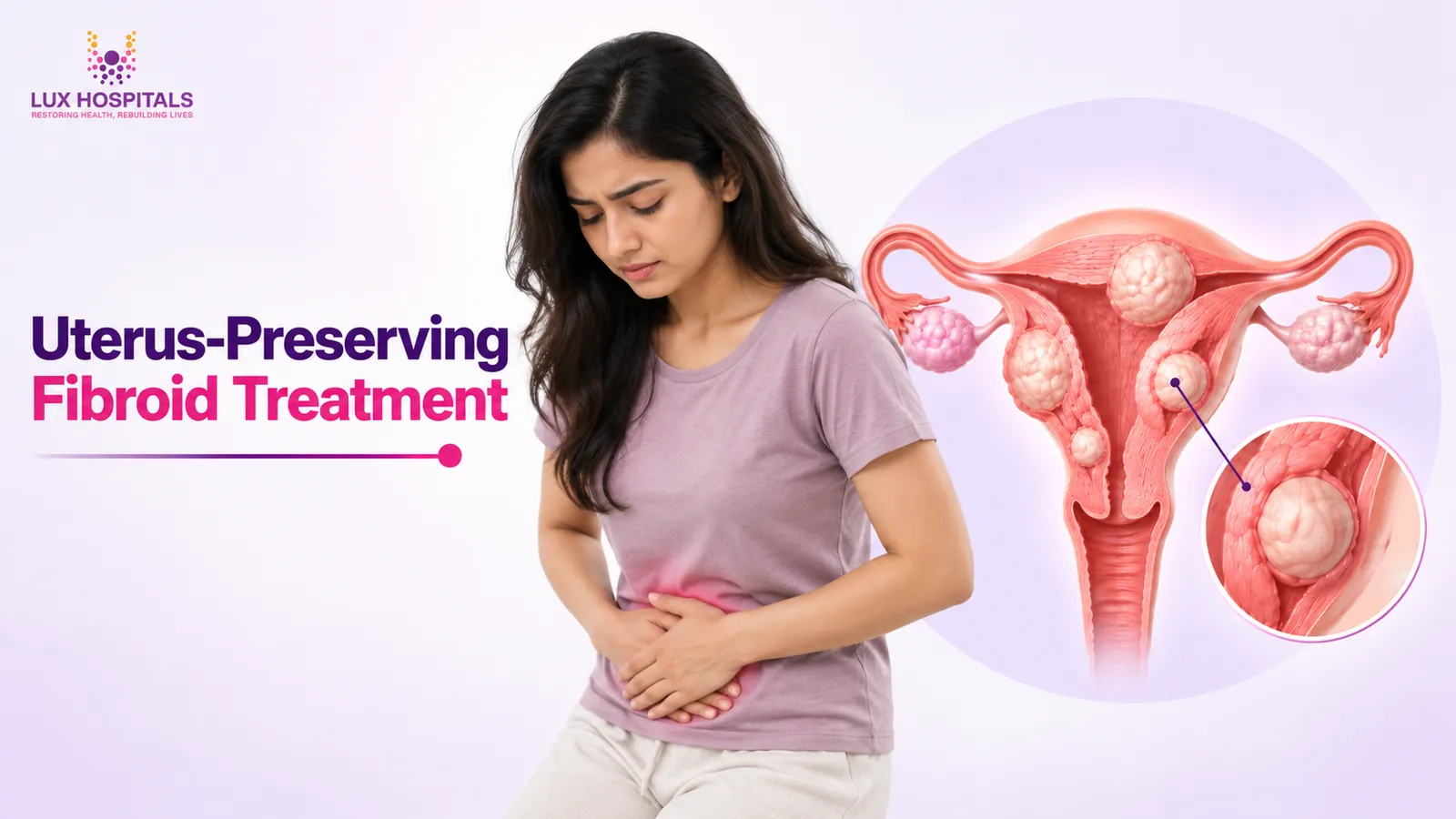
Uterus-preserving fibroid treatment may be considered when a woman wants to manage fibroids while keeping the uterus for future pregnancy. The right option depends on the fibroid’s size, number, location, symptoms, effect on the uterine cavity, age, fertility plans and overall health. Myomectomy is one uterus-preserving option.
12 October 2026
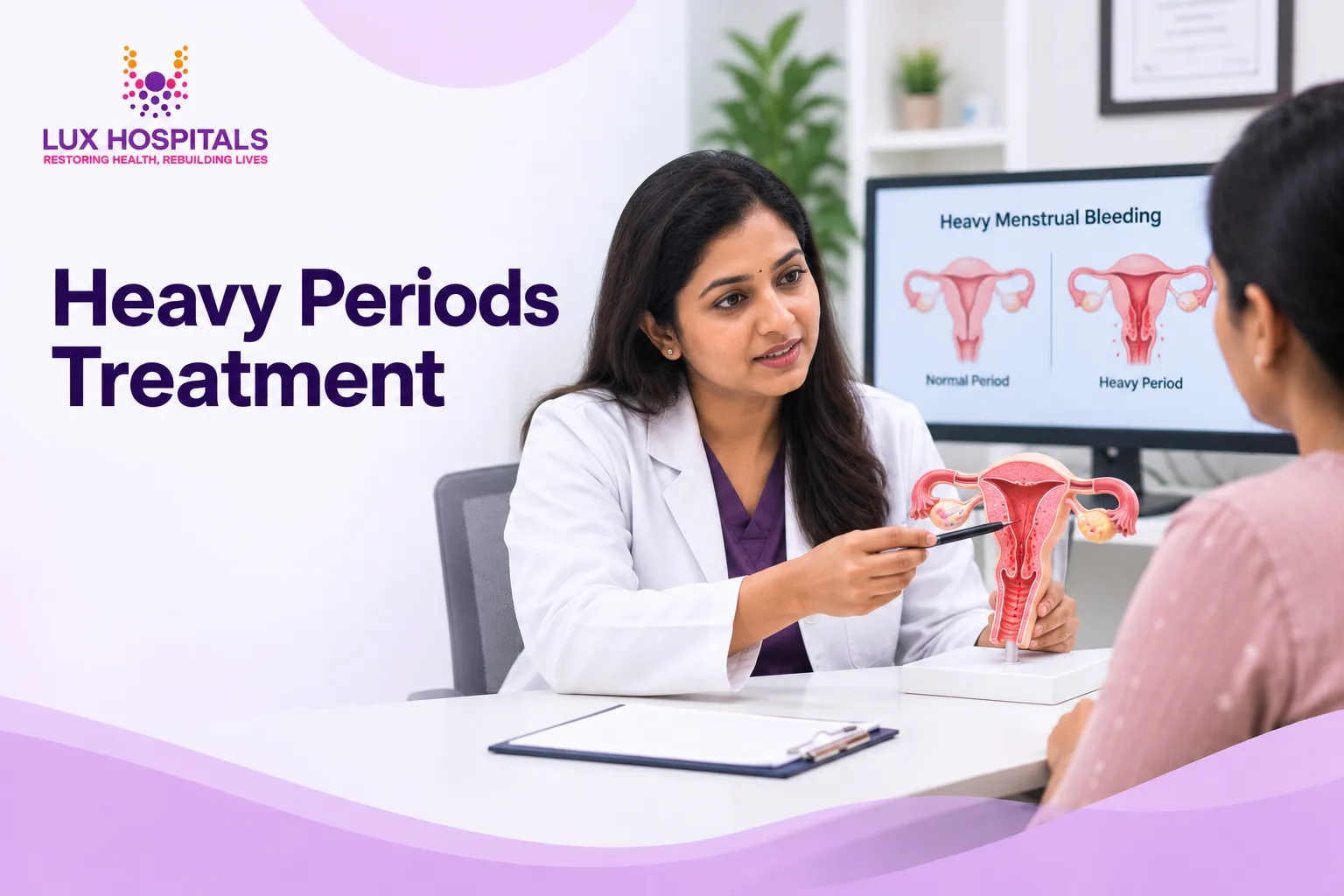
Heavy periods might influence your energy, work, sleep, emotions, and daily routine. While some women may experience less bleeding after taking medication, symptoms may occasionally persist or recur. Rather than continuing to self-medicate, persistent severe bleeding should be properly evaluated by a gynaecologist.
6 October 2026
Send your reports across and a senior surgeon will review them, explain the options and tell you honestly whether surgery is the right call.
Plot No.116, Lumbini Avenue, HITEC CITY, Near IKEA, Hyderabad – 500032