Dr. Samhitha Reddy
Consultant Proctologist & Laparoscopic Surgeon
MBBS, MS, FMAS, FISCP, DMAS
- 8 Yrs
- ASCRS Member
By Dr Harshita Kakarla · MBBS, MS, FMAS 30 July 2024 3 min read Updated 26 September 2025
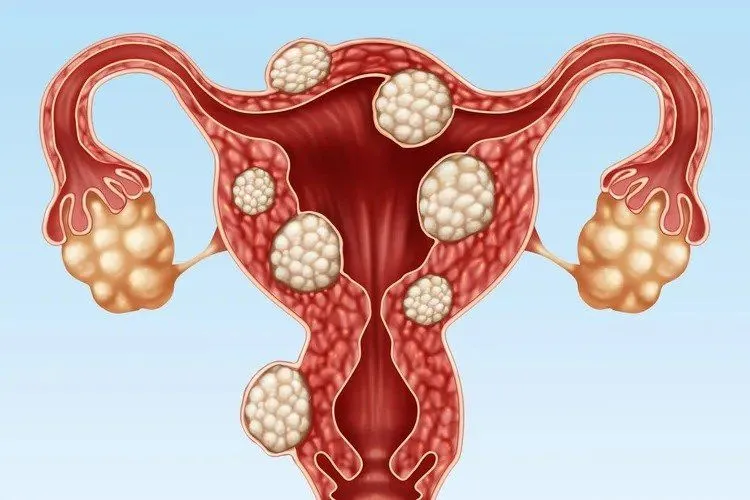
Uterine fibroids, also known as fibroid tumors in the uterus, are non-cancerous growths that develop in or around the uterus. These fibroids can vary in size and number and are common in women of reproductive age. Understanding the symptoms, causes, and treatment options for uterine fibroids is essential for managing this condition effectively.
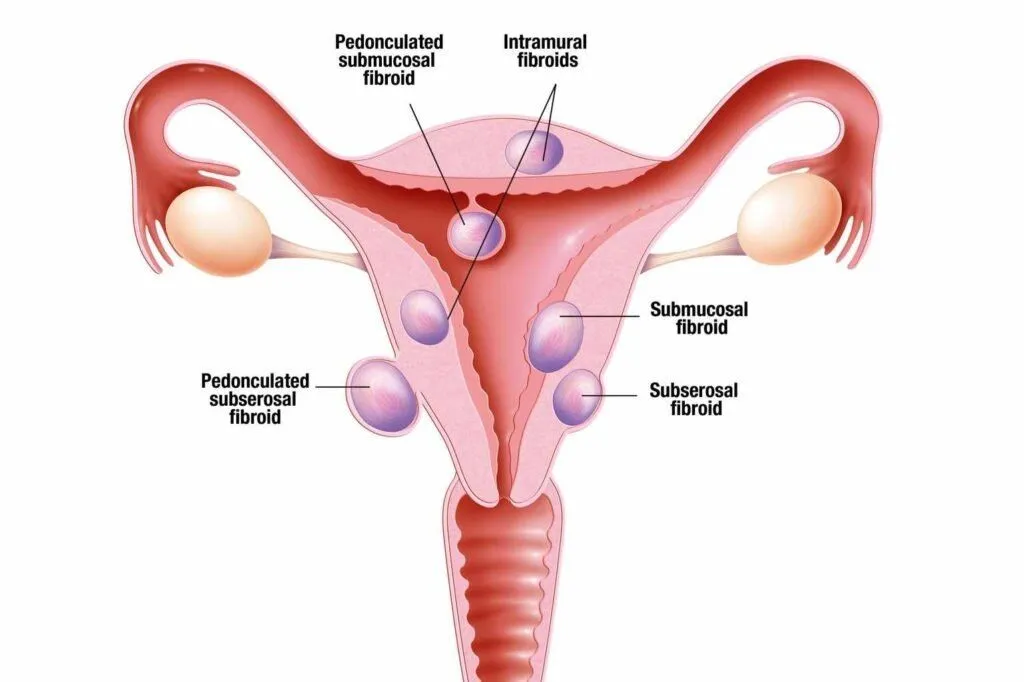
Fibroids can be classified based on their location in the uterus:
Uterine fibroids can grow in various parts of the uterus, including the inner lining, the muscular wall, or the outer surface. The location of the fibroids can influence the symptoms and complications experienced by the affected individual.
The exact cause of uterine fibroids is unknown, but several factors may contribute to their development, including:
Diagnosis typically involves a pelvic examination and imaging tests, such as ultrasound or MRI. These tests help determine the size, number, and location of fibroids.
Several factors can increase the risk of developing fibroids, including:
Fibroids can lead to complications such as severe pain, heavy bleeding, and fertility issues. They can also increase the risk of complications during pregnancy and labor.
Medications can help manage fibroid symptoms but do not eliminate the fibroids. Options include:
Surgical options for fibroid removal include: -Myomectomy: Surgical removal of fibroids while keeping the uterus intact.
While it’s not possible to prevent fibroids entirely, certain lifestyle changes may reduce the risk:
Understanding uterine fibroids and their symptoms is crucial for early detection and effective management. If you experience symptoms or have risk factors for fibroids, consult your doctor for appropriate diagnosis and treatment options. Managing fibroids can improve your quality of life and reduce the risk of complications.
If your symptoms are severe or don’t improve, don’t wait: schedule an appointment at Lux Hospital for expert care and treatment. We focus on your comfort and well-being first.
Fibroids are benign tumors that form in or around the uterus.
Symptoms can include heavy menstrual bleeding, pelvic pain, frequent urination, and backache.
The exact cause is unknown, but hormonal changes, genetic factors, and other growth factors may contribute.
See your doctor if you experience severe pelvic pain, heavy bleeding, or other symptoms affecting your quality of life.
Diagnosis involves a pelvic exam and imaging tests like ultrasound or MRI.
Medication, surgery, and lifestyle modifications are all available forms of treatment.
While prevention is not guaranteed, maintaining a healthy lifestyle can reduce the risk.
Complications include severe pain, heavy bleeding, and potential fertility issues.
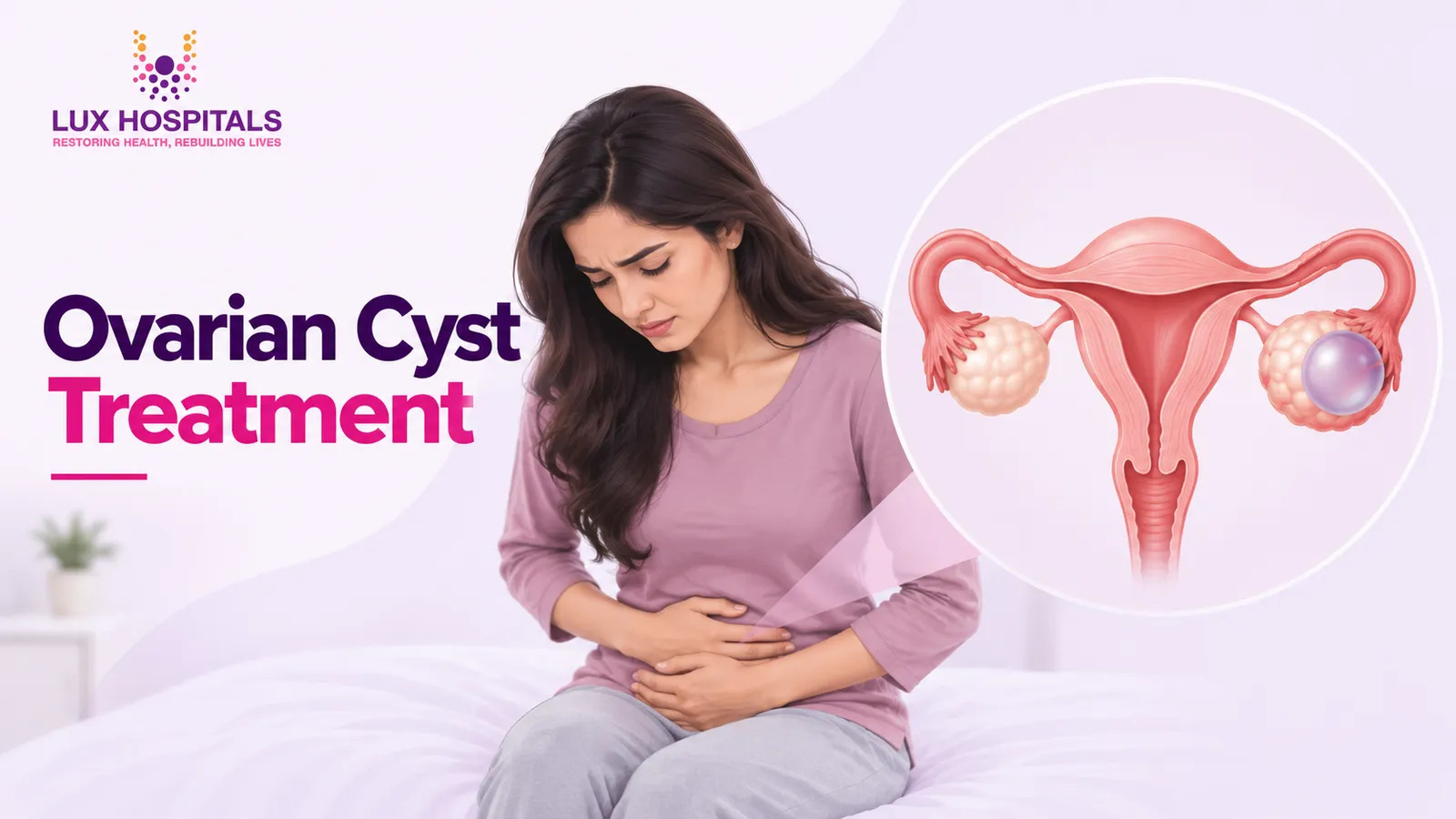
An ovarian cyst that remains on repeat scans does not automatically mean that surgery is needed. Many ovarian cysts are benign and may disappear without treatment. Your gynaecologist will consider the cyst’s size, appearance, symptoms, age, menstrual status, and whether it changes over time when deciding whether to monitor or treat.
14 October 2026
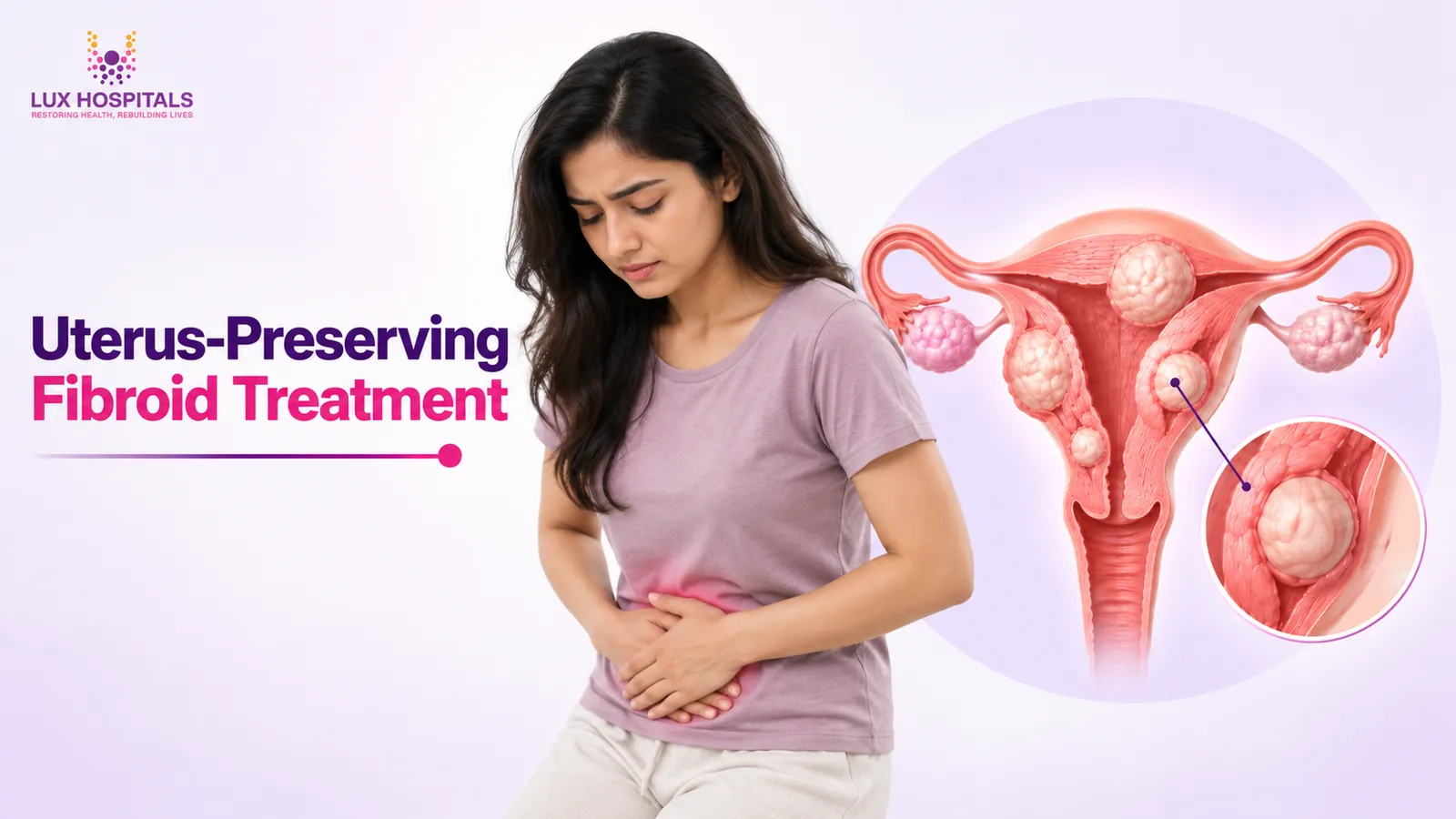
Uterus-preserving fibroid treatment may be considered when a woman wants to manage fibroids while keeping the uterus for future pregnancy. The right option depends on the fibroid’s size, number, location, symptoms, effect on the uterine cavity, age, fertility plans and overall health. Myomectomy is one uterus-preserving option.
12 October 2026
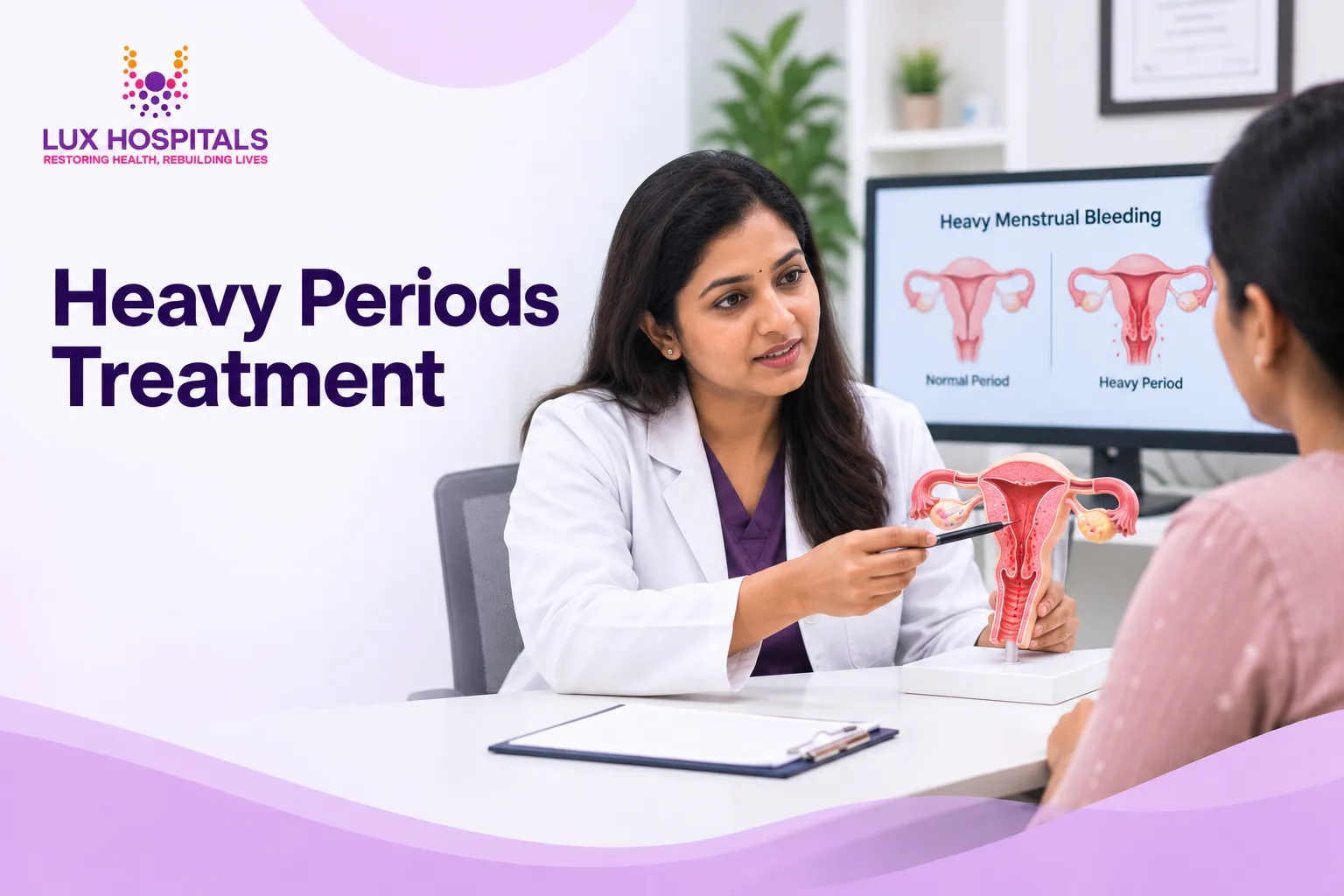
Heavy periods might influence your energy, work, sleep, emotions, and daily routine. While some women may experience less bleeding after taking medication, symptoms may occasionally persist or recur. Rather than continuing to self-medicate, persistent severe bleeding should be properly evaluated by a gynaecologist.
6 October 2026
Send your reports across and a senior surgeon will review them, explain the options and tell you honestly whether surgery is the right call.
Plot No.116, Lumbini Avenue, HITEC CITY, Near IKEA, Hyderabad – 500032