Dr. Samhitha Reddy
Consultant Proctologist & Laparoscopic Surgeon
MBBS, MS, FMAS, FISCP, DMAS
- 8 Yrs
- ASCRS Member
By Dr. Ashwani Narla · MBBS, MS (Obstetrics & Gynaecology) 18 March 2025 6 min read Updated 13 February 2026
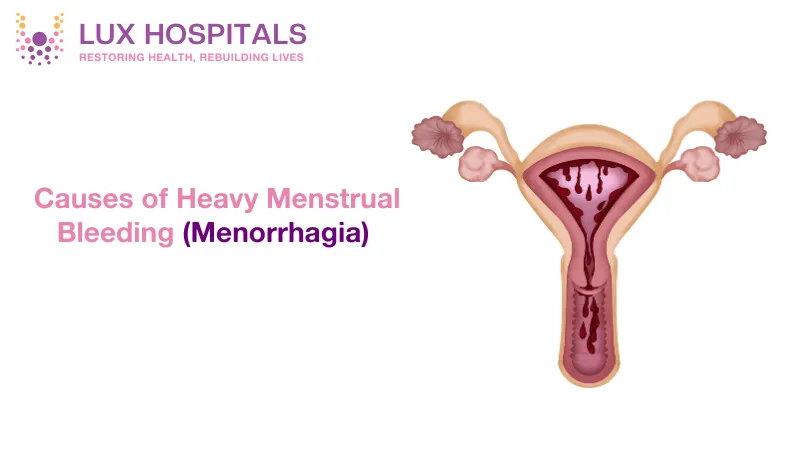
Experiencing heavy menstrual bleeding can be distressing and disruptive to daily life. Suppose you find yourself changing pads or tampons too frequently or noticing large period blood clots. In that case, you may be dealing with menorrhagia a condition characterized by excessive or prolonged menstrual bleeding. While some women naturally have a heavier flow, persistent and abnormally heavy bleeding may indicate an underlying health issue.
In this article, we’ll explore the possible causes of heavy menstrual bleeding, the symptoms, and the available treatment options to help you manage this condition better.
Menorrhagia is defined as heavy menstrual bleeding that lasts more than seven days or needs frequent sanitary product changes because of significant blood loss. It can lead to fatigue, anemia, and difficulty carrying out daily activities. Although some menstrual variability is normal, extremely heavy periods should not be ignored.
It’s crucial to speak with a healthcare professional to determine possible causes if you frequently have these symptoms.
There are numerous causes of heavy menstrual bleeding. Establishing the cause will assist in deciding the optimal treatment.
Hormones plays a key role in controlling your menstrual cycle. There is an imbalance of estrogen and progesterone, which causes the uterine lining to grow too much, leading to heavy bleeding. PCOS and thyroid disease can also interfere with hormones.
Noncancerous tumors such as fibroids and polyps in the uterus may lead to period clots and heavy menstrual bleeding. Fibroids are tumors of the muscle, and polyps are small benign growths on the lining of the uterus. Both may lead to irregular and prolonged menstruation.
Adenomyosis is a condition where the uterine lining invades the muscle wall of the uterus, leading to poor cramping, heavy bleeding during menstruation, and clots. Adenomyosis is found in women over the age of 30 and those who have had more than one child.
Certain women have inherited bleeding disorders, including von Willebrand disease, which interfere with the clotting ability of the blood. This results in heavy menstrual bleeding and heavy menstrual blood loss.
Hormonal contraceptives, anticoagulants, and anti-inflammatory agents all may produce abnormal menstrual bleeding. While birth control pills will make menstruation regular, some women will have heavier periods or breakthrough bleeding because of their use.
Endometriosis is an agonizing illness where uterine tissue occurs outside the uterus, leading to inflammation, cramping, and heavy menstrual periods. Endometriosis victims typically experience menstrual cramps and heavy clots during menstruation.
Early pregnancy complications, including miscarriage and ectopic pregnancy, can lead to heavy bleeding and menstrual clots. If pregnancy issues are suspected, seek urgent medical attention.
Although uncommon, cancers of the cervix, uterus, or ovaries can lead to abnormal uterine bleeding. If you have abnormal bleeding, postmenopausal bleeding, or severe pelvic discomfort, see your physician.
To find the reason behind heavy monthly bleeding, a physician may do a number of tests:
Several therapy approaches can help control heavy menstrual bleeding, depending on the underlying cause:
If you are more inclined towards natural remedies, try lifestyle modifications that will help reduce heavy menstrual bleeding:
1. Well-Balanced Diet
2. Regular Physical Exercise
Exercise regularly to balance hormones and ease menstrual cramps. Do not exercise too much, though, as it can upset your cycle.
3. Use Herbal Remedies
Certain women have reported getting relief with herbal supplements such as ginger, turmeric, and raspberry leaf tea, which could be used to ease inflammation and balance menstrual flow.
4. Manage Stress
Excessive stress can influence the balance of hormones and lead to heavy bleeding during menstruation. Use yoga, meditation, or deep breathing to control Stress well.
While heavy menstruation every now and then is never necessarily anything to worry about, consult a doctor if you find:
However managing heavy menstrual bleeding can be challenging, your general health can be improved by identifying the cause and getting the right treatment. Regardless of whether the reason is a disease, fibroids, or a hormone imbalance, menorrhagia requires proactive therapy.
Don’t put off seeing a doctor if you experience severe or prolonged heavy menstrual bleeding. You can manage your menstrual health and enhance your long-term health with the proper care.
Managing heavy bleeding may require a combination of treatments such as hormonal therapy, iron supplements, NSAIDs, or medical procedures like endometrial ablation. Consult a doctor for personalized treatment.
Conditions like endometriosis, fibroids, adenomyosis, or hormonal imbalances can lead to severe cramps and heavy bleeding. A medical evaluation can help identify the underlying cause.
Foods high in phytoestrogens like soy products, excess caffeine, alcohol, and processed foods may contribute to hormonal imbalance, potentially leading to heavier periods.
Yes, excessive blood loss can lead to iron deficiency anemia, causing fatigue, dizziness, and weakness. Iron-rich foods or supplements can help manage anemia.
Significant blood loss can sometimes contribute to unintentional weight loss, especially if accompanied by underlying conditions like thyroid disorders or endometriosis. Seek medical advice if you experience unexplained weight changes.
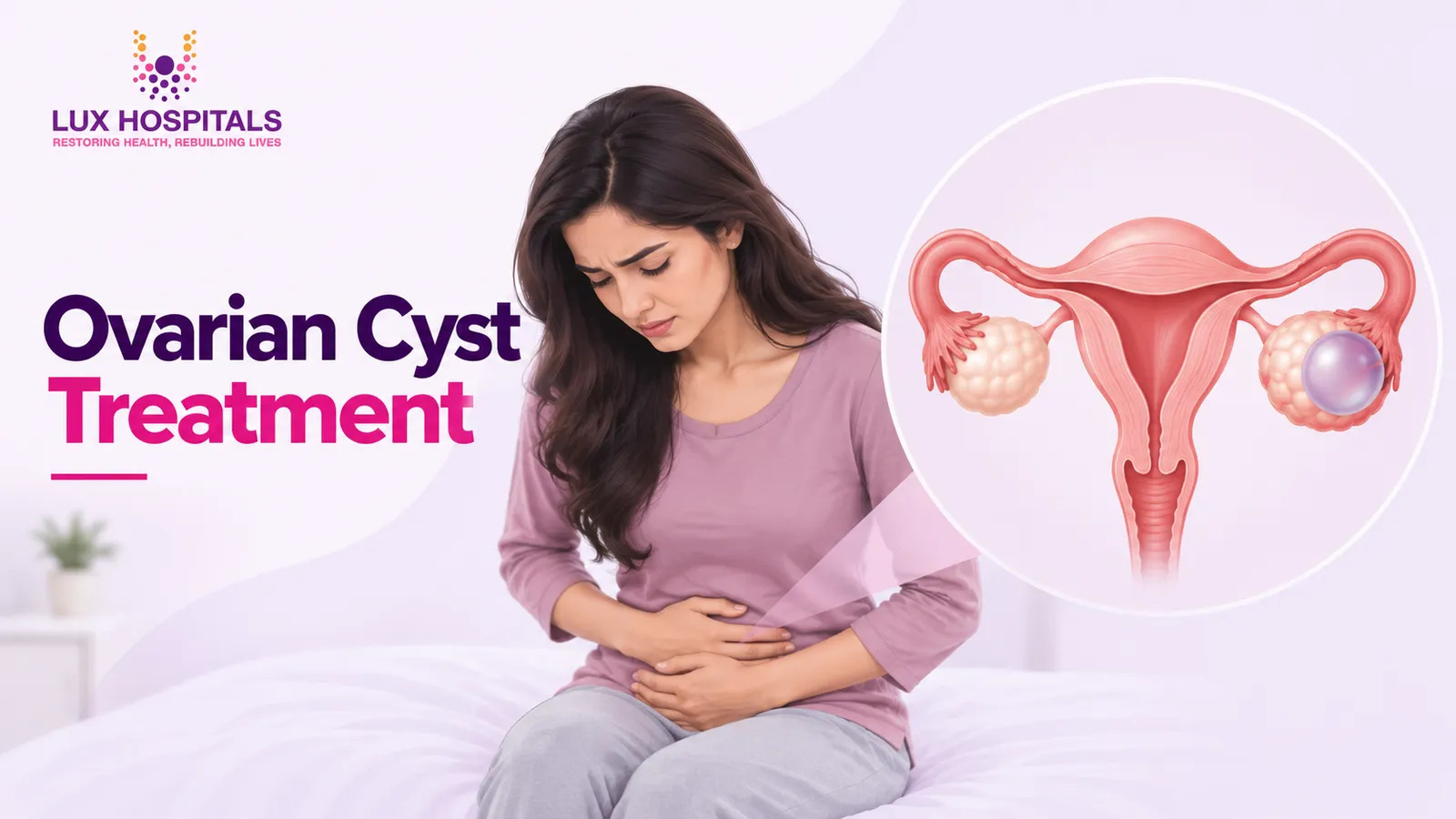
An ovarian cyst that remains on repeat scans does not automatically mean that surgery is needed. Many ovarian cysts are benign and may disappear without treatment. Your gynaecologist will consider the cyst’s size, appearance, symptoms, age, menstrual status, and whether it changes over time when deciding whether to monitor or treat.
14 October 2026
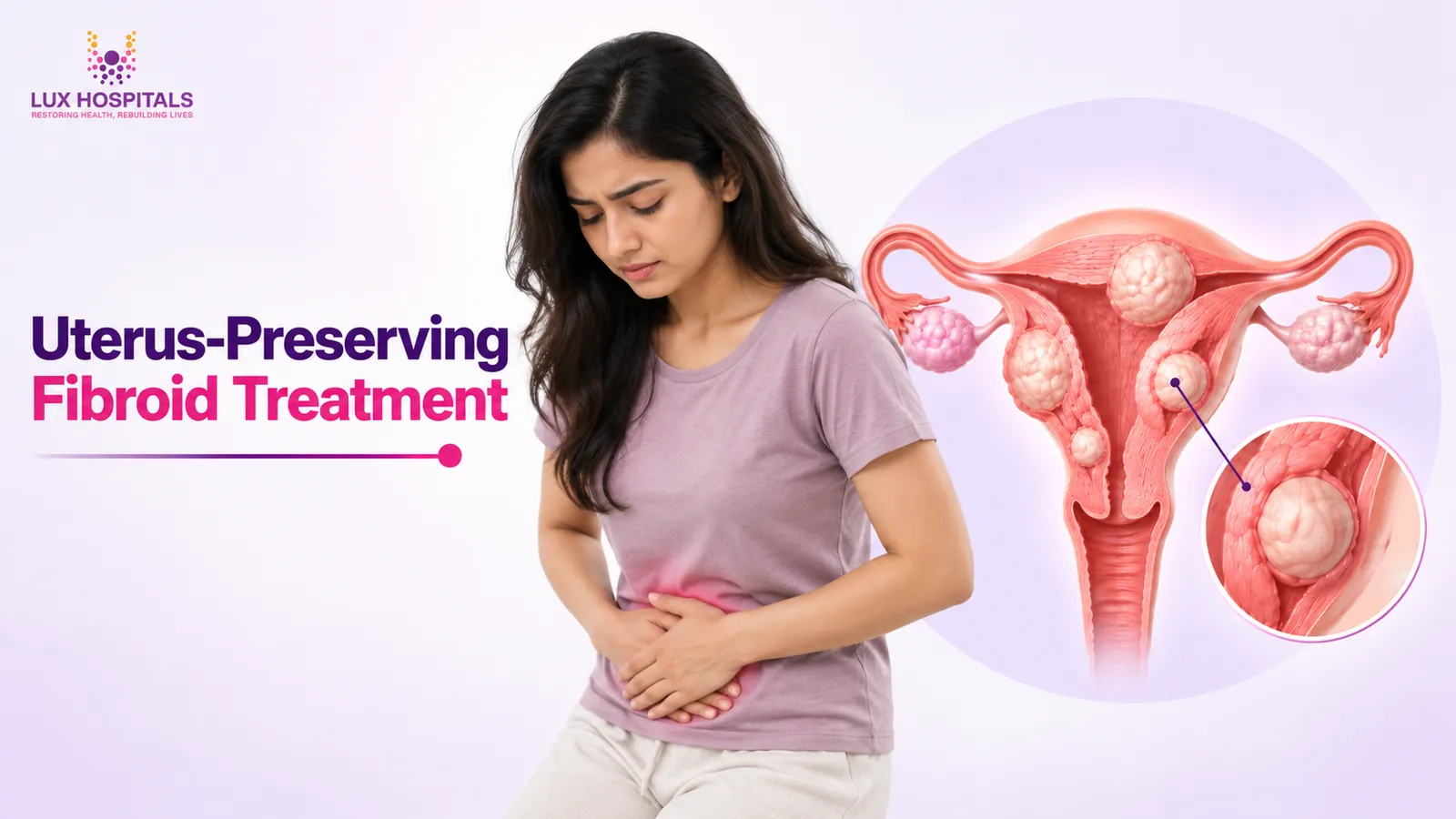
Uterus-preserving fibroid treatment may be considered when a woman wants to manage fibroids while keeping the uterus for future pregnancy. The right option depends on the fibroid’s size, number, location, symptoms, effect on the uterine cavity, age, fertility plans and overall health. Myomectomy is one uterus-preserving option.
12 October 2026
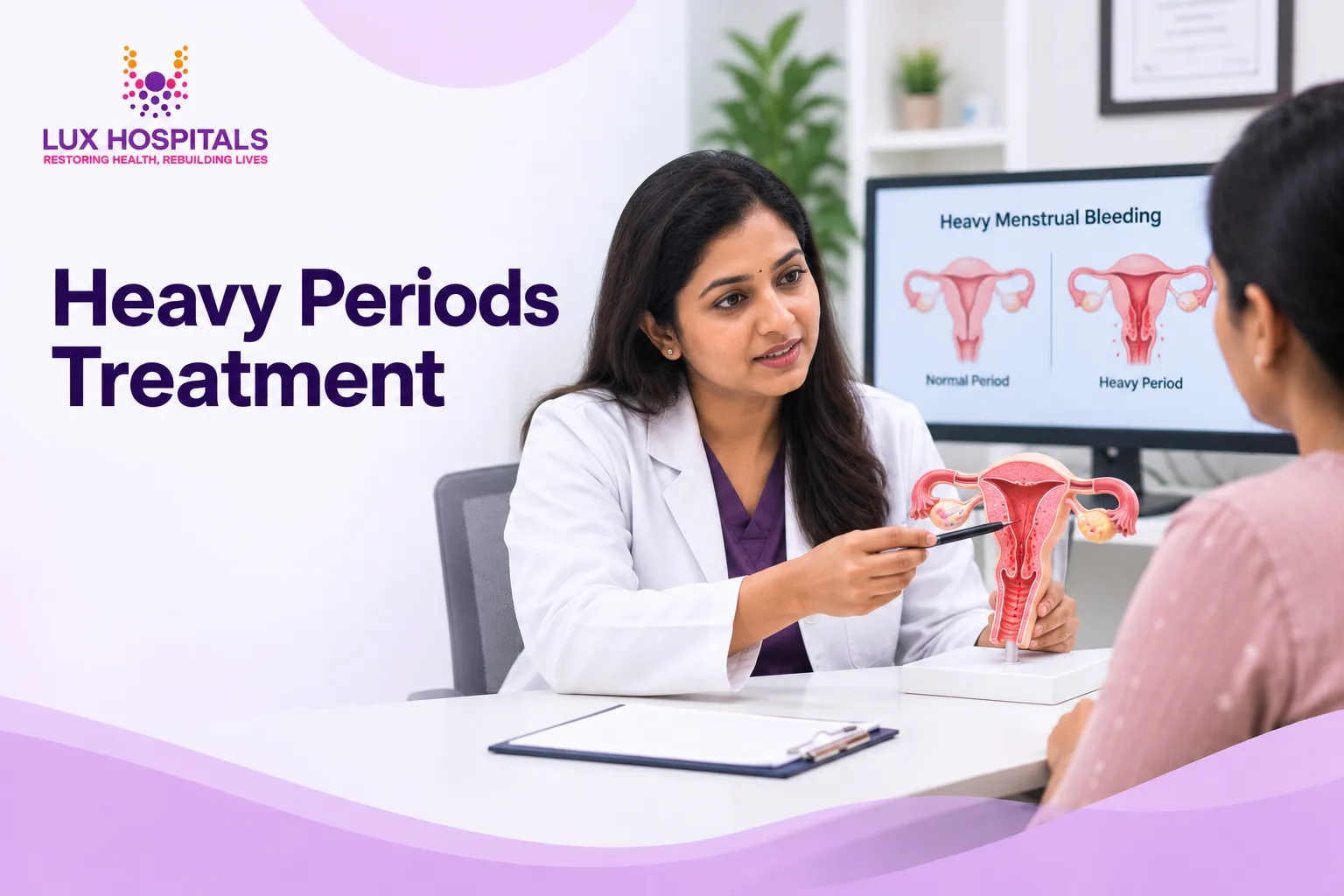
Heavy periods might influence your energy, work, sleep, emotions, and daily routine. While some women may experience less bleeding after taking medication, symptoms may occasionally persist or recur. Rather than continuing to self-medicate, persistent severe bleeding should be properly evaluated by a gynaecologist.
6 October 2026
Send your reports across and a senior surgeon will review them, explain the options and tell you honestly whether surgery is the right call.
Plot No.116, Lumbini Avenue, HITEC CITY, Near IKEA, Hyderabad – 500032