
Dr. Samhitha Reddy
Consultant Proctologist & Laparoscopic Surgeon
MBBS, MS, FMAS, FISCP, DMAS
- 8 Yrs
- ASCRS Member
By Dr Harshita Kakarla · MBBS, MS, FMAS 14 October 2025 5 min read Updated 7 August 2026
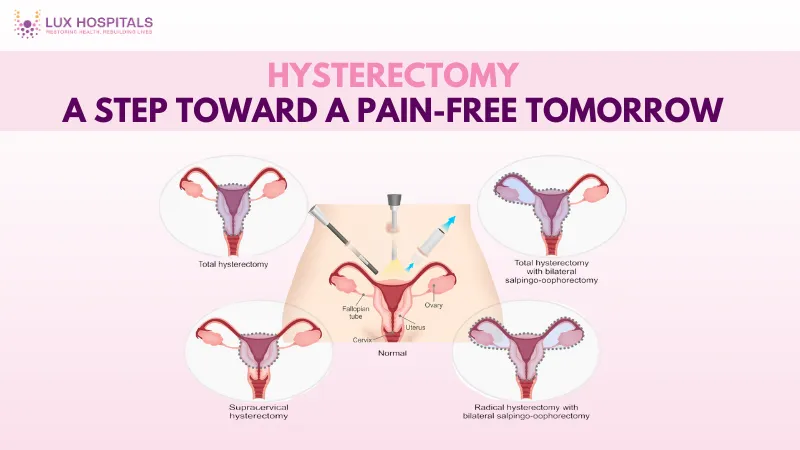
Hysterectomy, the surgical removal of the uterus, is one of the most common gynecologic procedures worldwide. Still, it’s not always the first or only option. Many conditions can be managed with medication, minimally invasive procedures, or watchful waiting. So, when is a Hysterectomy truly necessary? Below, you’ll find the evidence-based reasons doctors typically recommend this surgery, what each diagnosis means, alternatives you might try first, and how to make a confident, informed decision. By the end, you’ll better understand when a Hysterectomy is appropriate, what the surgery involves, and how recovery usually looks.
There are several medical conditions where a Hysterectomy becomes the most effective or necessary treatment. These include fibroids, heavy bleeding, adenomyosis, endometriosis, uterine prolapse, cancer, chronic pelvic pain, and even rare emergencies like severe obstetric bleeding. Understanding these reasons helps patients see why doctors may recommend a Hysterectomy when other treatments fail or when it is the safest, most definitive solution.
Noncancerous growths called fibroids might result in heavy periods. anemia, pelvic pressure, urinary frequency, constipation, and pain. Many people improve with medicines (like hormonal therapy) or procedures that shrink or remove fibroids, such as uterine artery embolization or myomectomy. Hysterectomy becomes a strong option when bleeding remains severe, fibroids rapidly regrow, fertility is no longer desired, or the uterus is so enlarged that quality of life is compromised.
Chronic heavy menstrual bleeding can lead to iron-deficiency anemia, fatigue, and missed work. Typically, clinicians first try non-surgical options, including NSAIDs, tranexamic acid, hormonal pills, IUDs, endometrial ablation, or addressing underlying disorders like thyroid disease or coagulation issues. Suppose you’ve tried appropriate therapies and bleeding persists or recurs. In that case, a Hysterectomy may be recommended as a definitive, curative solution, especially when childbearing is complete.
When endometrial tissue develops in the uterus, adenomyosis takes place. muscle, creating a boggy, tender uterus and painful, heavy periods. Hormonal therapies or an IUD can provide relief for many, but not all. When pain remains debilitating, periods are prolonged, and imaging plus clinical exams point to adenomyosis as the main culprit, Hysterectomy often provides lasting relief because it removes the source of the disease.
Endometriosis is driven by tissue similar to the uterine lining growing outside the uterus; surgery typically targets these implants rather than the uterus itself. However, some patients have overlapping adenomyosis or severe uterine pain/bleeding that doesn’t respond to medical suppression or conservative surgery. In those carefully selected cases, notably when fertility is not a concern, a Hysterectomy (sometimes with removal of ovaries, depending on age, symptoms, and risks) can reduce pain and bleeding that are uterine in origin.
When weak pelvic muscles cause the uterus to drop into the vaginal canal, symptoms can include pressure, bulge, urinary leakage, and difficulty emptying the bladder or bowels. Pelvic floor therapy, pessaries, and uterus-sparing surgeries (like hysteropexy) are valid options. Suppose prolapse is severe or recurrent, and repair goals are best met by removing the uterus. In that case, a Hysterectomy may be part of a comprehensive pelvic reconstructive procedure to restore anatomy and function.
For confirmed endometrial (uterine) cancer and in many cases of complex atypical hyperplasia (a pre-cancer), Hysterectomy is a cornerstone of treatment. It may also be indicated for certain cervical cancers and risk-reducing surgery in high-risk patients (for example, those with specific genetic syndromes), often combined with the removal of ovaries and fallopian tubes. In oncology settings, a Hysterectomy is not only therapeutic but also helps stage the disease and guide additional treatments.
Chronic pelvic pain is complex and may involve the uterus, pelvic floor, bladder, bowel, nerves, or musculoskeletal sources. Before surgery, a thorough evaluation should rule out treatable conditions and consider non-surgical therapies like pelvic floor PT, neuropathic pain medications, and targeted procedures. When the pain is linked to the uterus, such as with refractory adenomyosis or severe abnormal bleeding, Hysterectomy can significantly improve quality of life.
In uncommon situations like uncontrollable postpartum hemorrhage or placenta accreta spectrum, Hysterectomy can be lifesaving. These urgent scenarios are decided in real time by a multidisciplinary team focused on stabilizing the parent. While rare, there remain essential medical reasons where a Hysterectomy is the most effective way to stop severe bleeding.
The type of Hysterectomy depends on diagnosis, anatomy, and treatment goals. The uterus and cervix are removed during a hysterectomy.
The care team selects the most appropriate surgical method based on your condition.
Choosing to have a hysterectomy is a very personal decision that should be guided by a comprehensive medical evaluation and candid conversation with your physician. You can make an informed decision that feels right for you by carefully considering your fertility objectives, treatment options, diagnosis, and quality of life. When the uterus is the confirmed source of persistent symptoms, or when cancer is involved, a Hysterectomy often stands as the most reliable, long-term solution for restoring health and well-being.
A total Hysterectomy removes the uterus and cervix, while a partial (supracervical) one removes the uterus but leaves the cervix in place. Your surgeon recommends one based on your diagnosis, anatomy, and cancer risk
No: ovary removal (oophorectomy) is a separate decision from Hysterectomy. In many benign cases, ovaries are preserved to maintain natural hormones, especially in younger patients. In cancer care or high-risk genetic situations, removing the ovaries may be advised to reduce recurrence or future cancer risk.
Recovery varies by surgical approach and individual health. Many people resume light activities within 2-4 weeks after a minimally invasive Hysterectomy, with full recovery often around 6 weeks. Your doctor will tailor activity restrictions and follow-up based on how you’re healing
Yes, options include medication, a hormonal IUD, uterine artery embolization, MRI-guided focused ultrasound, and myomectomy. These can reduce bleeding and pressure without removing the uterus.
If your ovaries are preserved, you won’t enter menopause immediately after a Hysterectomy, though you will stop having periods. If your ovaries are removed, menopause begins, and your team can discuss symptom management strategies.
It can, but only if the pain source is uterine. A thorough evaluation should exclude other causes like pelvic floor dysfunction, bladder pain, or nerve-related conditions before considering a Hysterectomy. When pain is uterine and other treatments fail, outcomes are often favorable.
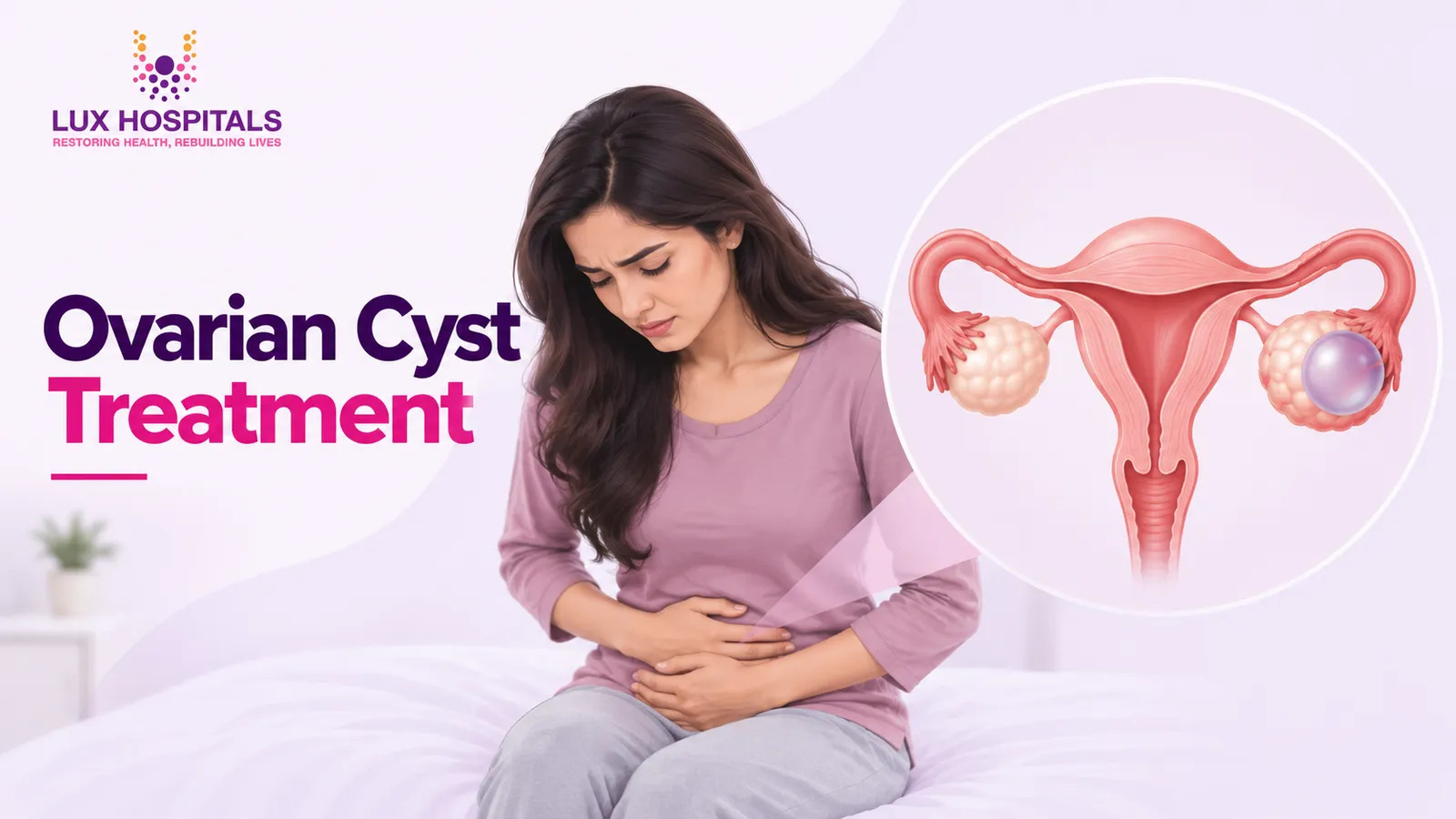
An ovarian cyst that remains on repeat scans does not automatically mean that surgery is needed. Many ovarian cysts are benign and may disappear without treatment. Your gynaecologist will consider the cyst’s size, appearance, symptoms, age, menstrual status, and whether it changes over time when deciding whether to monitor or treat.
14 October 2026
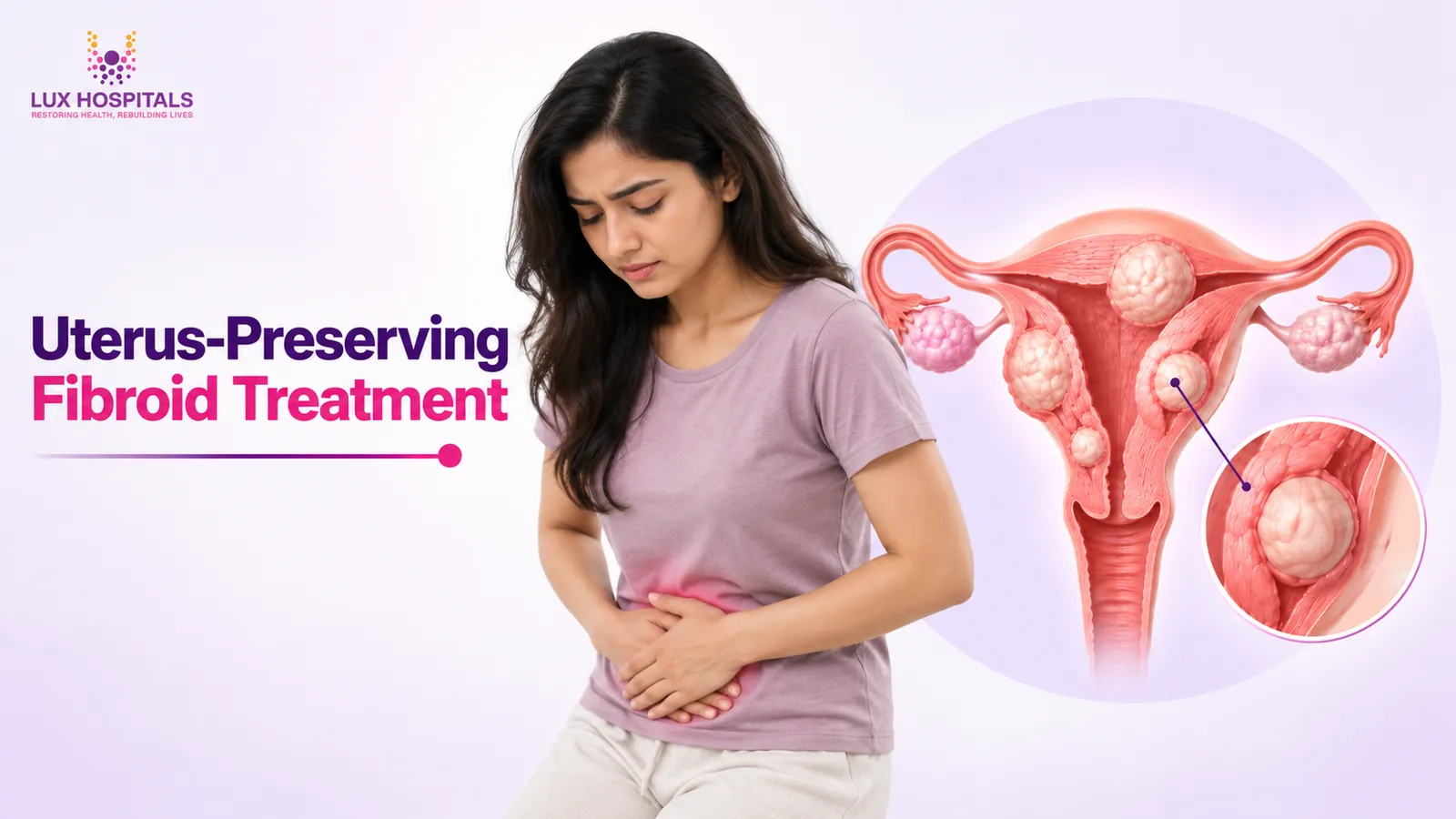
Uterus-preserving fibroid treatment may be considered when a woman wants to manage fibroids while keeping the uterus for future pregnancy. The right option depends on the fibroid’s size, number, location, symptoms, effect on the uterine cavity, age, fertility plans and overall health. Myomectomy is one uterus-preserving option.
12 October 2026
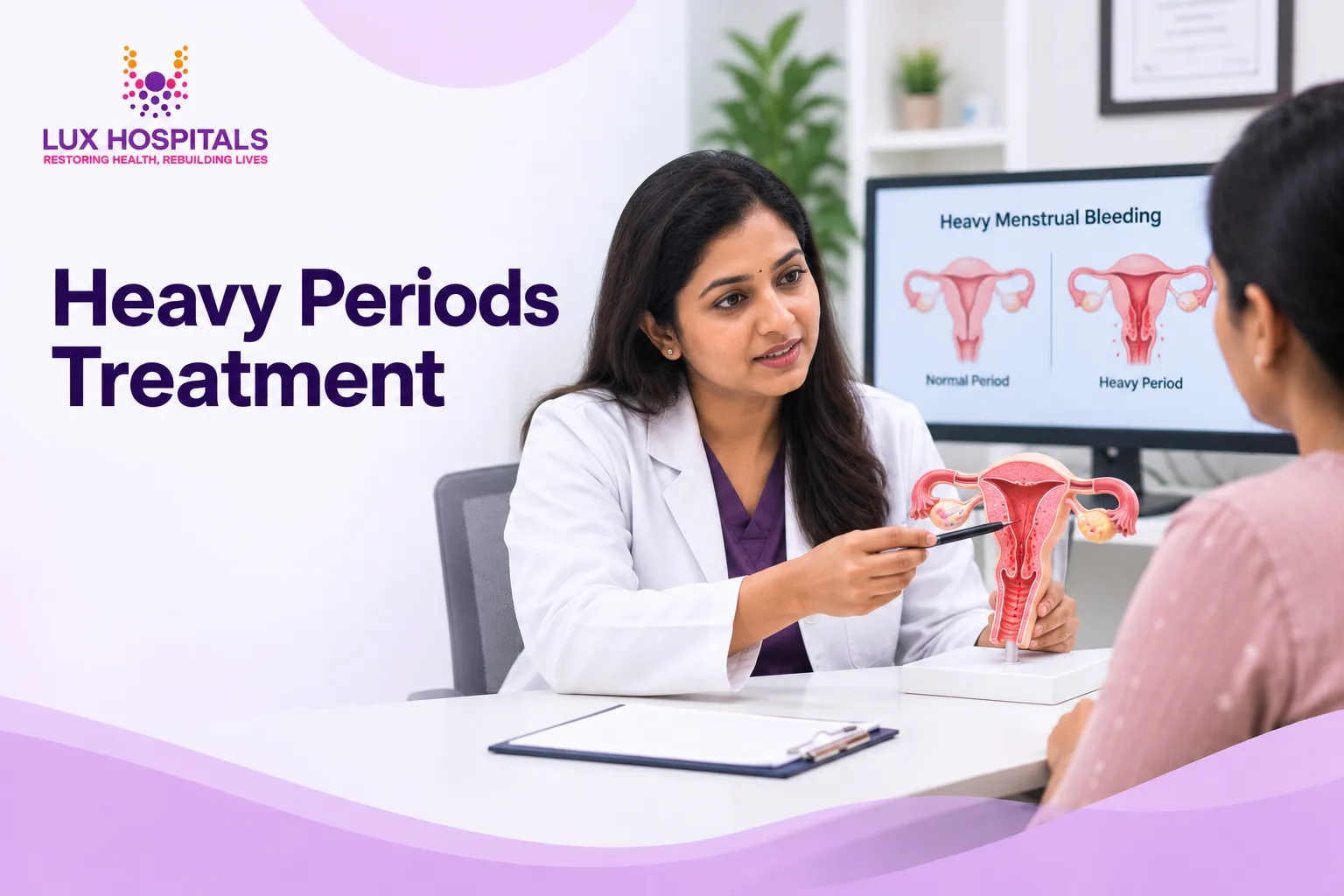
Heavy periods might influence your energy, work, sleep, emotions, and daily routine. While some women may experience less bleeding after taking medication, symptoms may occasionally persist or recur. Rather than continuing to self-medicate, persistent severe bleeding should be properly evaluated by a gynaecologist.
6 October 2026
Send your reports across and a senior surgeon will review them, explain the options and tell you honestly whether surgery is the right call.
Plot No.116, Lumbini Avenue, HITEC CITY, Near IKEA, Hyderabad – 500032