Dr. Samhitha Reddy
Consultant Proctologist & Laparoscopic Surgeon
MBBS, MS, FMAS, FISCP, DMAS
- 8 Yrs
- ASCRS Member
By Dr Samhitha Reddy · MBBS, MS, FISCP, FMAS, DMAS 25 March 2025 4 min read Updated 18 February 2026
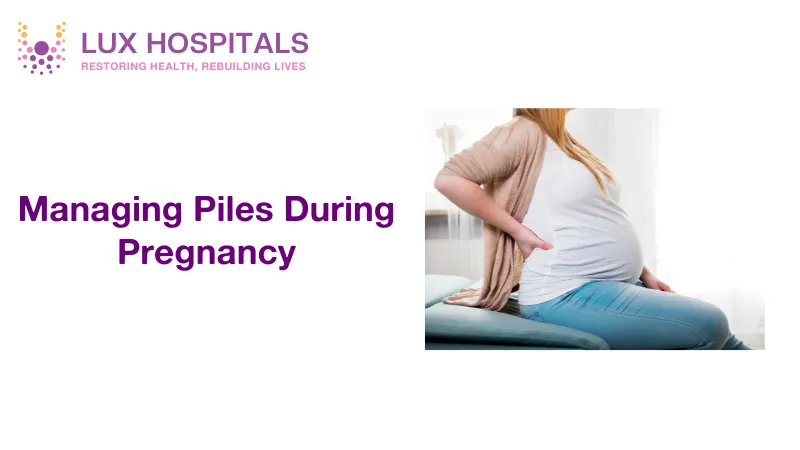
Pregnancy is a beautiful yet challenging phase in a woman’s life. While the excitement of welcoming a new life brings joy, certain health concerns, like piles during pregnancy, can make the journey uncomfortable. Piles, also known as hemorrhoids, are swollen veins in the rectal area that can cause pain, itching, and discomfort. Many pregnant women experience this condition due to hormonal changes, increased pressure on pelvic veins, and constipation.
In this blog will explore the symptoms, causes, and effective remedies to manage piles during pregnancy and ensure a more comfortable experience.
Piles are a common condition due to swelling blood vessels in the rectum. These can be internal or external. Pregnancy increases the likelihood of developing piles due to various physiological changes in the body.
Identifying these symptoms can help in seeking timely relief. Some common symptoms include:
While piles can be distressing, several natural and medical remedies can provide relief. Here are some practical ways to manage piles during pregnancy:
Food high in fibre can prevent constipation and minimize straining while defecating. Include:
Drinking at least 8-10 glasses of water every day makes stools soft, which is easily passed and also prevents constipation and piles during pregnancy.
Mild exercises such as walking, prenatal yoga, and Kegel exercises can increase blood flow and avoid worsening of piles.
Straining puts excessive pressure on veins in the rectum and worsens piles. When sitting on the toilet, use a footstool to promote a natural bowel movement position.
A warm water bath for 10–15 minutes several times a day can relieve discomfort, itching, and swelling.
A cloth-covered ice pack placed over the swollen area may help ease swelling and block pain.
Use over-the-counter creams or ointments prescribed by your doctor to ease relief of piles. A few medicated wipes also aid in soothing the swollen area.
Careful cleaning with unscented, damp toilet wipes rather than dry toilet paper avoids further irritation. The anal region must be kept dry and clean.
Sleeping on your left side reduces pressure on the rectal veins and improves blood flow, minimizing the risk of piles.
While mild cases of piles during pregnancy can be managed with home remedies, medical attention is necessary if you experience:
Safe medical remedies, including prescription ointments, stool softeners, or, in extreme situations, minimally invasive surgeries, could be suggested by your doctor.
Treatment for pregnancy piles is challenging, but it can be reduced with the right medicine and lifestyle changes. Hygiene, exercise, a fiber-rich diet, and hydration can all help to avoid and treat the symptoms. To ensure a trouble-free pregnancy, you should seek the advice of a physician if you have recurring pain.
You can manage piles throughout pregnancy and concentrate on having a great time by doing small but effective things!
Piles during pregnancy can be treated by eating a high-fibre diet, staying hydrated, taking warm sitz baths, and avoiding straining during bowel movements. If symptoms persist, consult a doctor for safe medications or treatments.
Sleep on your left side to reduce pressure on the rectal veins and improve blood circulation. Use a pregnancy pillow for support, and avoid sitting or lying down for long periods.
Yes, because of hormonal changes, constipation, and increased strain on the pelvic area, piles are frequent during pregnancy.
You can prevent piles by eating a fiber-rich diet, staying hydrated, avoiding straining during bowel movements, and engaging in regular physical activity.
No, piles do not affect the baby directly. However, severe pain and discomfort may cause stress for the mother, which is why management is essential.
Consult a doctor if you experience severe pain or excessive bleeding or if home remedies do not provide relief.
It is best to consult your doctor before using any medicated creams or ointments to ensure they are safe for pregnancy.
In many cases, piles resolve after childbirth, mainly if appropriately managed. However, some women may need additional treatment if symptoms persist.
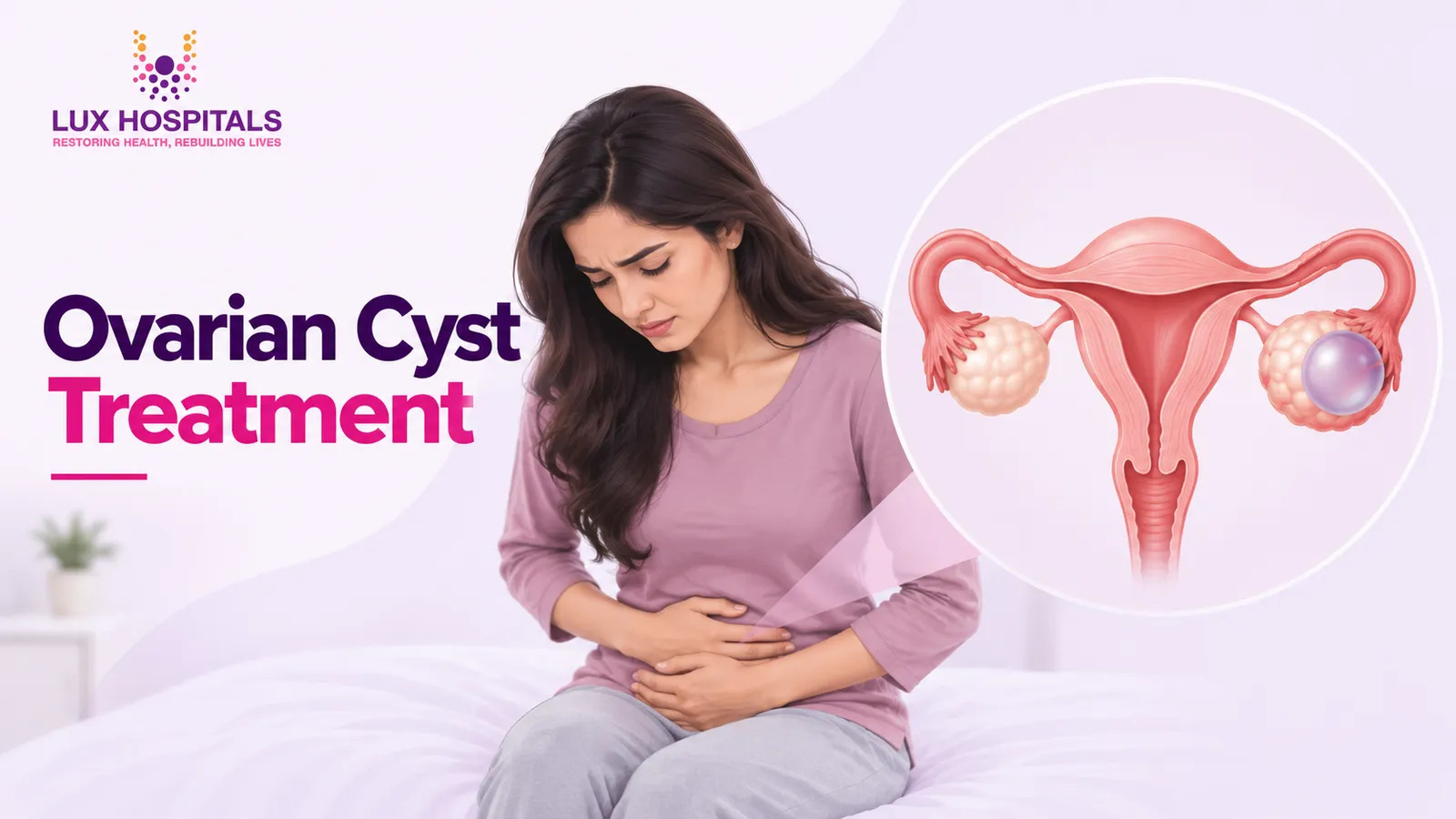
An ovarian cyst that remains on repeat scans does not automatically mean that surgery is needed. Many ovarian cysts are benign and may disappear without treatment. Your gynaecologist will consider the cyst’s size, appearance, symptoms, age, menstrual status, and whether it changes over time when deciding whether to monitor or treat.
14 October 2026
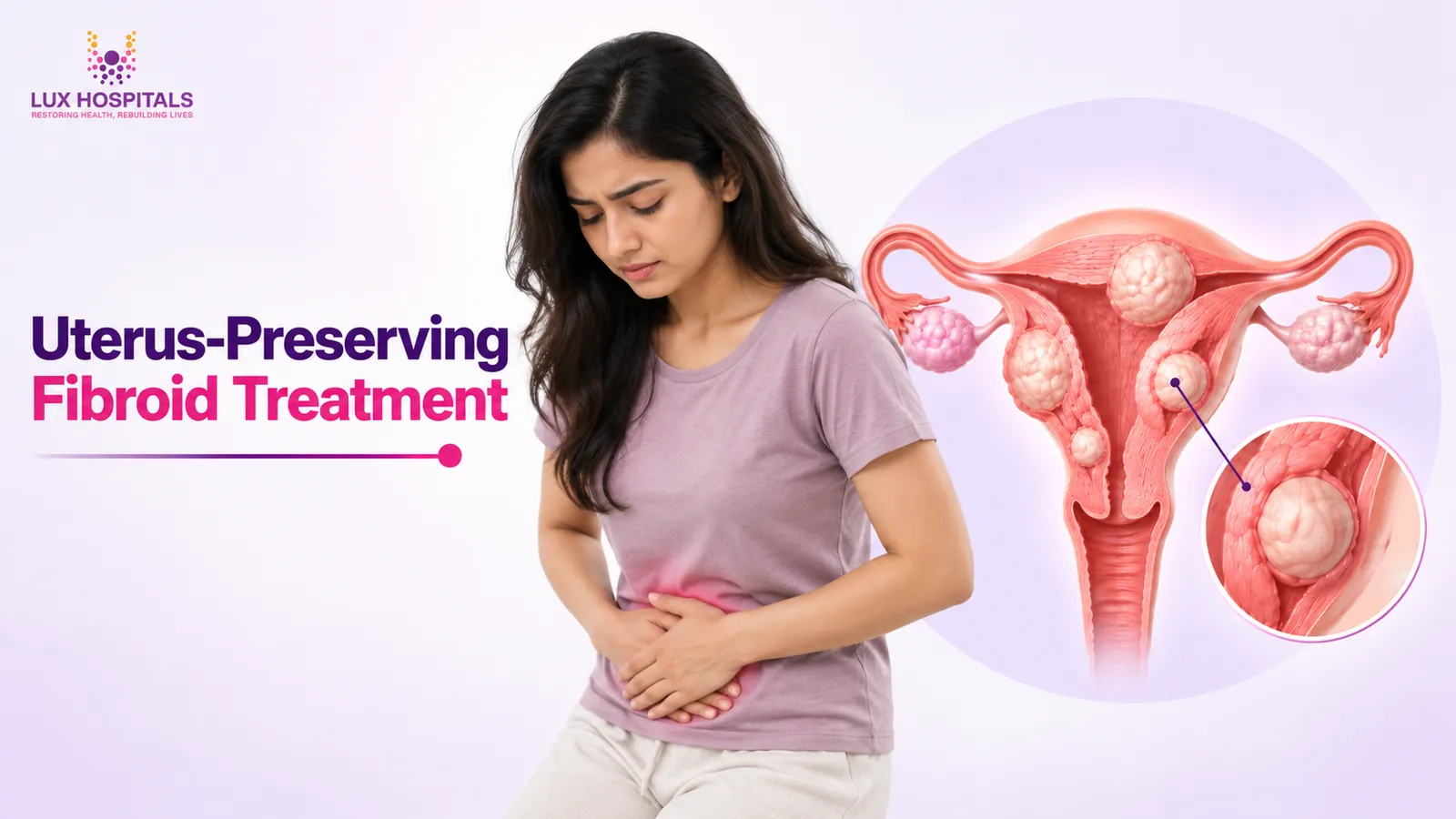
Uterus-preserving fibroid treatment may be considered when a woman wants to manage fibroids while keeping the uterus for future pregnancy. The right option depends on the fibroid’s size, number, location, symptoms, effect on the uterine cavity, age, fertility plans and overall health. Myomectomy is one uterus-preserving option.
12 October 2026
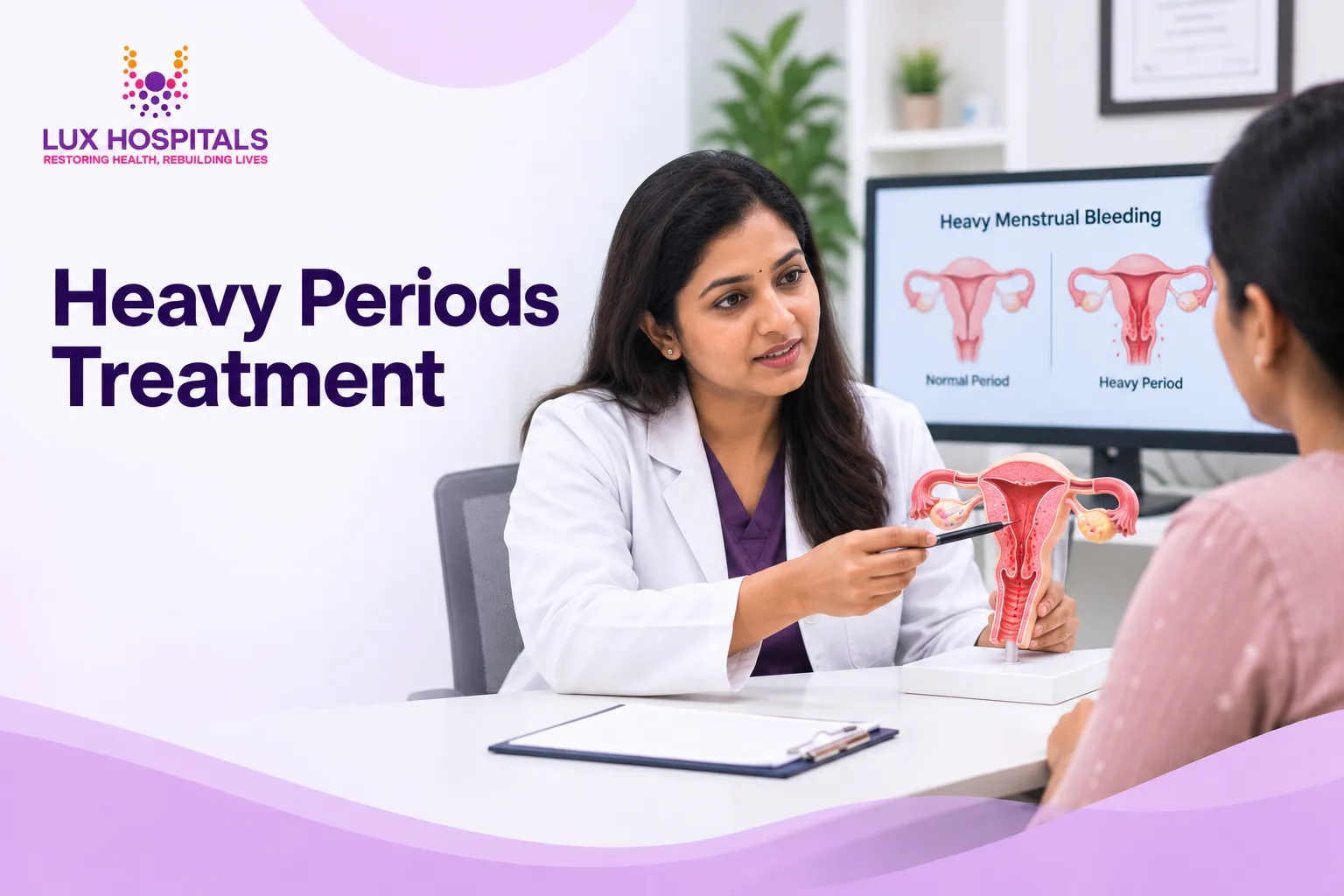
Heavy periods might influence your energy, work, sleep, emotions, and daily routine. While some women may experience less bleeding after taking medication, symptoms may occasionally persist or recur. Rather than continuing to self-medicate, persistent severe bleeding should be properly evaluated by a gynaecologist.
6 October 2026
Send your reports across and a senior surgeon will review them, explain the options and tell you honestly whether surgery is the right call.
Plot No.116, Lumbini Avenue, HITEC CITY, Near IKEA, Hyderabad – 500032