Dr. Samhitha Reddy
Consultant Proctologist & Laparoscopic Surgeon
MBBS, MS, FMAS, FISCP, DMAS
- 8 Yrs
- ASCRS Member
By Dr Harshita Kakarla · MBBS, MS, FMAS 7 April 2025 4 min read Updated 25 September 2025
The thyroid gland keeps the body’s metabolism and hormones in balance. A healthy thyroid disorder during pregnancy is paramount to both mother and fetus. Pregnancy in conditions of thyroid disorder during pregnancy may result in complications if left untreated early, thus making an early diagnosis and treatment essential.
In this blog we will learn what the thyroid does in pregnancy, how it influences the body, the types of thyroid disease, causes and reasons, signs and symptoms, precautions, effects on mother and child, and treatments.
The thyroid is a tiny, butterfly-like gland in the anterior part of the neck. It secretes hormones such as thyroxine (T4) and triiodothyronine (T3), which control metabolism, production of energy, and overall body function. The thyroid gland also adjusts during pregnancy to promote fetal development. Thyroid hormone levels rise by about 30–50% to facilitate the demands of the developing infant.
The hormones play a key role in the development of the infant’s brain and nervous system, especially in the first trimester before the baby’s thyroid gland activation. Pregnancy with a thyroid disorder during pregnancy may result in miscarriage, preterm labor, and congenital abnormalities in the infant. Thus, the thyroid hormone should be checked in the early stages of a normal pregnancy.
Hypothyroidism refers to the thyroid gland’s inability to secrete adequate thyroid hormones. It may result in slowed metabolism and lead to pregnancy abnormalities. It is primarily due to Hashimoto’s thyroiditis (an autoimmune disorder) and a deficiency of iodine.
Hyperthyroidism is excessive secretion of thyroid hormones, which causes heightened metabolism. The most prevalent cause during pregnancy is Graves’ disease.
Other women develop postpartum thyroiditis, a condition in which thyroid inflammation follows delivery to induce transient hyperthyroidism and then hypothyroidism.
Untreated thyroid disorder during pregnancy has grave long-term consequences for the growth and development of the infant. Proper control and regular monitoring go a long way in reducing such threats.
Thyroid disorder during pregnancy requires foresighted actions:
Thyroidectomy (removal of the thyroid gland) is done in unusual circumstances if medication doesn’t work or if a thyroid tumor exists.
Abnormalities of the thyroid disorder during pregnancy have to be diagnosed at the right time and treated similarly to ensure mother and infant health. Regular monitoring, control, and lifestyle changes are important in preventing complications. Pregnant women with thyroid abnormality must be closely monitored by their medical team to ensure that they are able to regulate hormones and have a healthy pregnancy.
Routine screening should be done in women presenting symptoms or a history of thyroid illness to prevent complications. By knowing about thyroid disorder during pregnancy, women may take positive measures towards a healthy pregnancy and a healthy baby. Always seek the advice of a health provider for individual medical information.
Yes, thyroid function tests can identify any underlying condition prior to conception.
Yes, as long as they are treated and monitored properly, women with thyroid disorders pregnancy can enjoy a healthy pregnancy.
No, thyroid medications under a physician’s care keep hormone levels normal, enabling proper development of the baby.
Yes, some women develop thyroid issues due to hormonal changes during pregnancy, even if they never had an issue.
Routine screening should be done in women presenting symptoms or a history of thyroid illness to prevent complications.
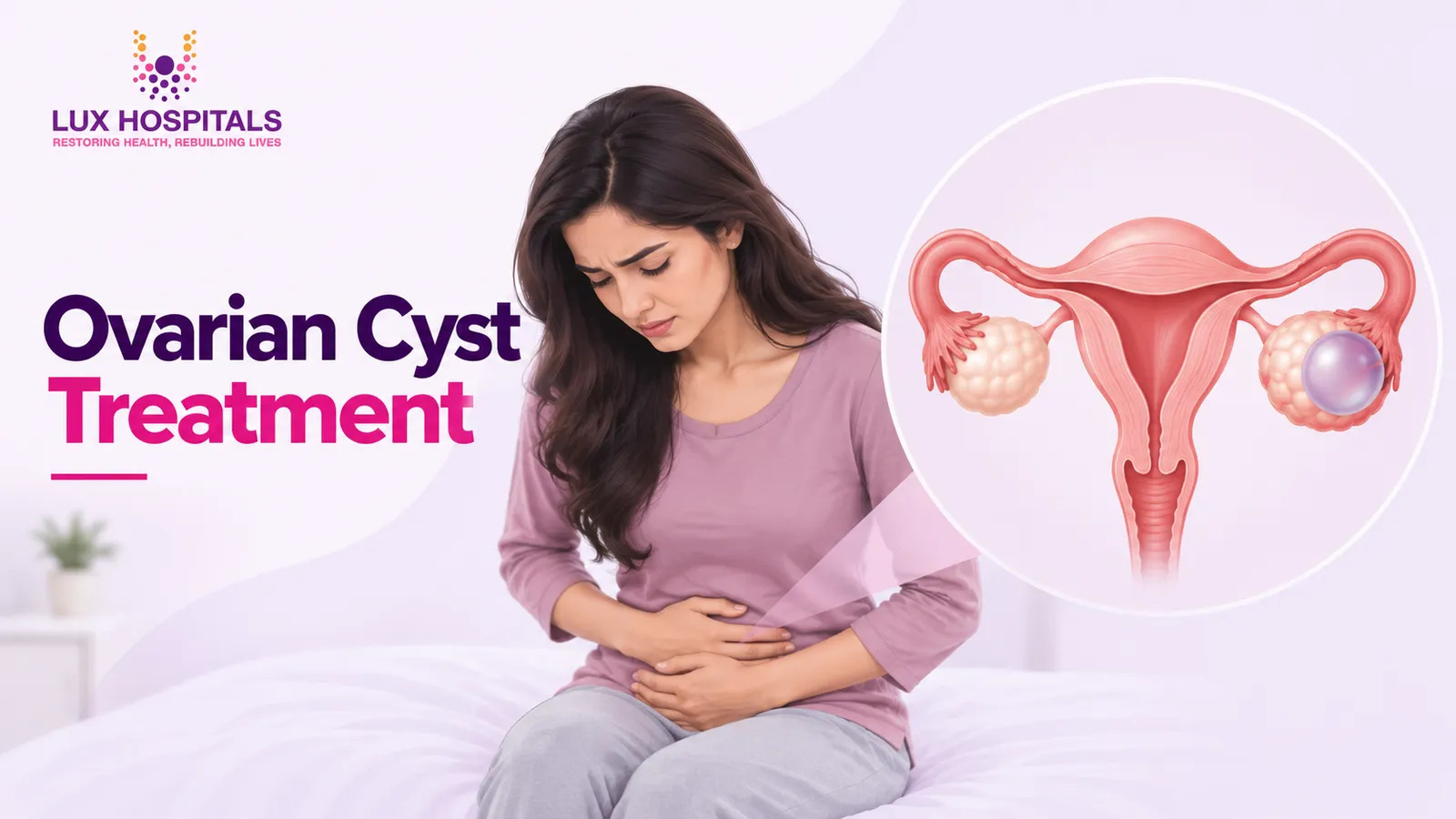
An ovarian cyst that remains on repeat scans does not automatically mean that surgery is needed. Many ovarian cysts are benign and may disappear without treatment. Your gynaecologist will consider the cyst’s size, appearance, symptoms, age, menstrual status, and whether it changes over time when deciding whether to monitor or treat.
14 October 2026
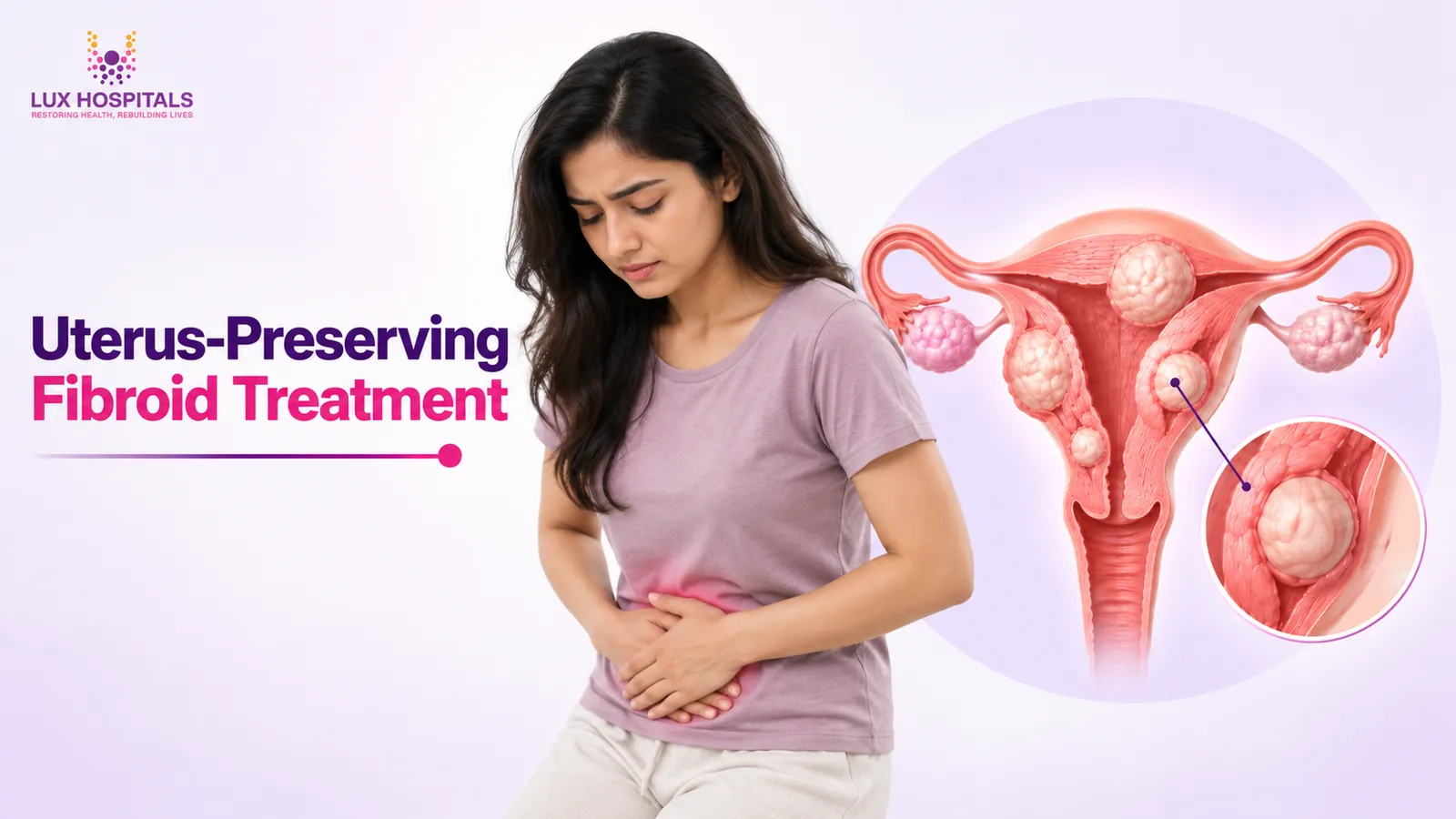
Uterus-preserving fibroid treatment may be considered when a woman wants to manage fibroids while keeping the uterus for future pregnancy. The right option depends on the fibroid’s size, number, location, symptoms, effect on the uterine cavity, age, fertility plans and overall health. Myomectomy is one uterus-preserving option.
12 October 2026
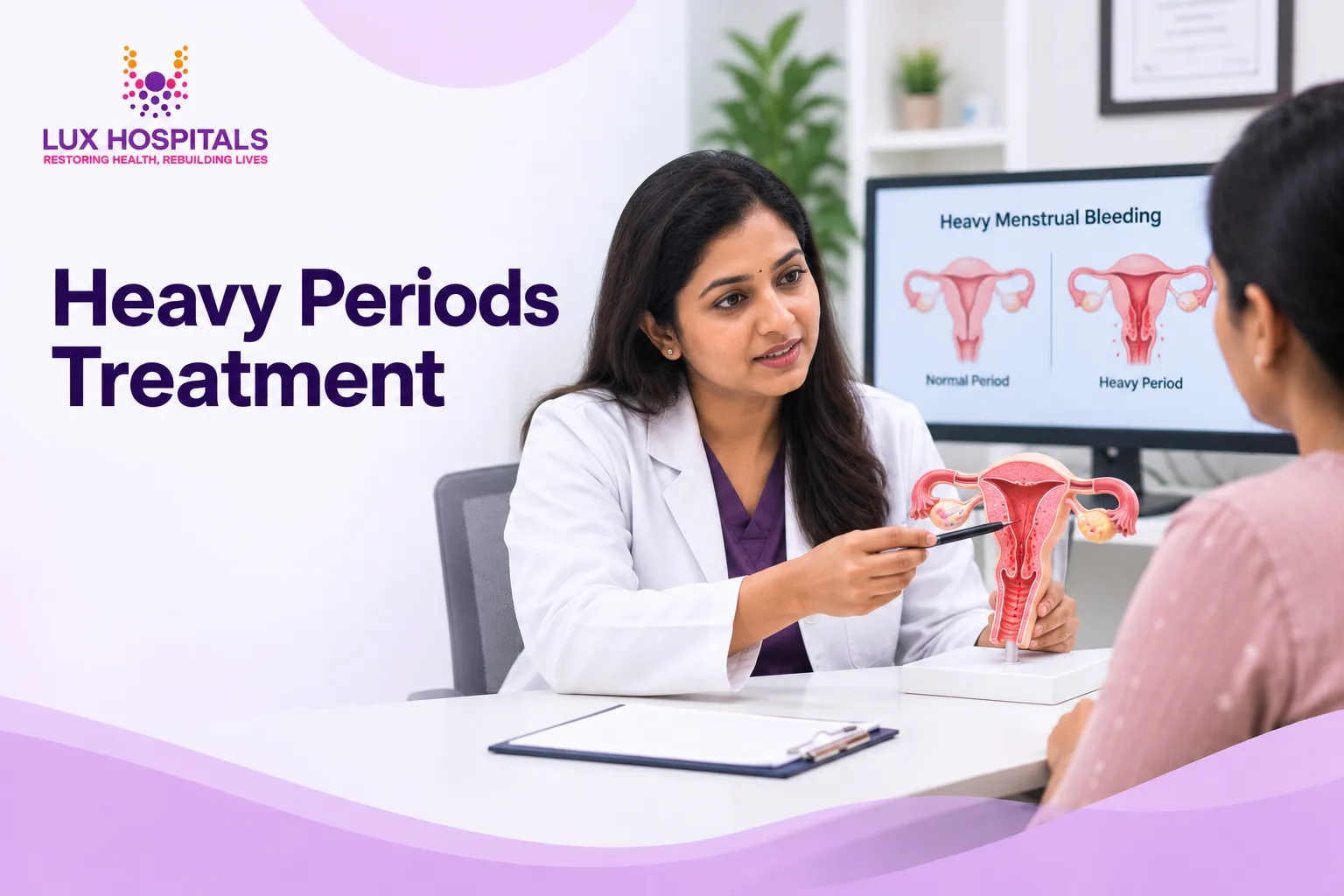
Heavy periods might influence your energy, work, sleep, emotions, and daily routine. While some women may experience less bleeding after taking medication, symptoms may occasionally persist or recur. Rather than continuing to self-medicate, persistent severe bleeding should be properly evaluated by a gynaecologist.
6 October 2026
Send your reports across and a senior surgeon will review them, explain the options and tell you honestly whether surgery is the right call.
Plot No.116, Lumbini Avenue, HITEC CITY, Near IKEA, Hyderabad – 500032