Dr. Samhitha Reddy
Consultant Proctologist & Laparoscopic Surgeon
MBBS, MS, FMAS, FISCP, DMAS
- 8 Yrs
- ASCRS Member
By Dr. Ashwani Narla · MBBS, MS (Obstetrics & Gynaecology) 31 July 2024 6 min read Updated 23 September 2025
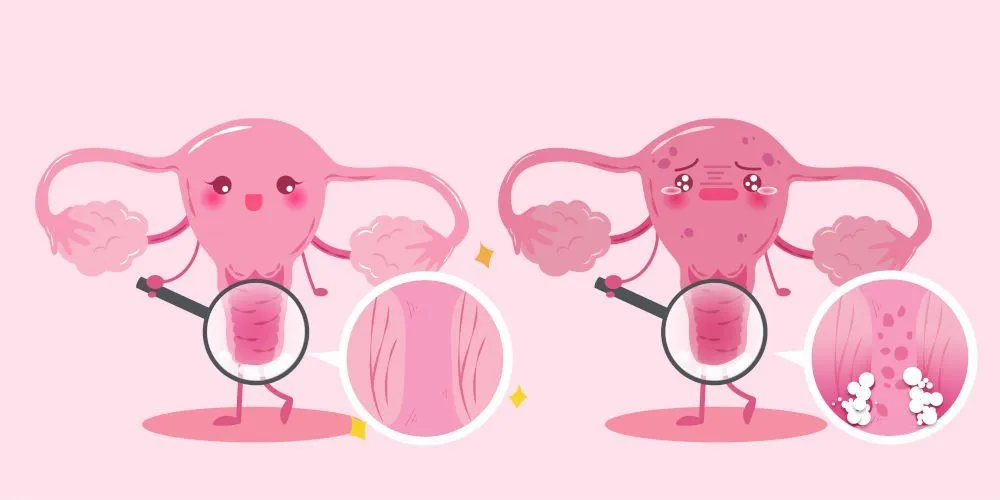
Vaginal yeast infections are a common health issue faced by women of all ages. These infections, caused by an overgrowth of Candida, a type of fungus, can lead to significant discomfort and disruption in daily life. Understanding the signs and symptoms of vaginal yeast infections is crucial for prompt treatment and relief. In this blog, we will explore the key symptoms, causes, and when to seek medical advice.
A vaginal yeast infection, also known as candidiasis, occurs when the natural balance of yeast and bacteria in the vagina is disrupted, leading to an overgrowth of Candida. This imbalance can result from various factors such as antibiotic use, hormonal changes, or a weakened immune system. The overgrowth of Candida leads to the symptoms associated with a yeast infection.

Candida is a type of fungus that naturally resides in the body in small amounts, including in the mouth, throat, gut, and vagina. It generally coexists with other bacteria, but when the balance is disturbed, Candida can multiply excessively and cause an infection. While there are several species of Candida, Candida albicans is the most common cause of vaginal yeast infections.
Recognizing the symptoms of a vaginal yeast infection is the first step towards effective treatment. The most common signs include:
Understanding the causes and risk factors for vaginal yeast infections can help in prevention and management. Common factors include:
Antibiotics have the potential to upset the vagina’s normal bacterial balance, which can result in an overgrowth of yeast. While antibiotics are effective in treating bacterial infections, they can also kill beneficial bacteria, allowing Candida to multiply unchecked.
Pregnancy, birth control pills, and hormone therapy can alter the vaginal environment, increasing the risk of infection. Hormonal fluctuations during menstrual cycles can also contribute to the development of yeast infections.
Conditions like diabetes or medications that suppress the immune system can make individuals more susceptible to yeast infections. A weakened immune system is less capable of controlling the growth of Candida.
Wearing tight, synthetic clothing can create a warm, moist environment conducive to yeast growth. Non-breathable fabrics can trap heat and moisture, promoting the overgrowth of Candida.
A diet high in sugar can feed Candida and promote its growth. Candida thrives on sugar, so consuming excessive amounts can increase the risk of infection.
Chronic stress can weaken the immune system, making the body more vulnerable to infections, including yeast infections. Managing stress through relaxation techniques and healthy lifestyle choices can help reduce this risk.
While mild yeast infections can often be treated with over-the-counter antifungal medications, it’s essential to seek medical advice if:
Infections recur frequently You experience severe symptoms such as extensive redness, swelling, or sores You are pregnant or have an underlying health condition like diabetes You are unsure whether your symptoms are caused by a yeast infection or another condition A healthcare provider can confirm the diagnosis through a physical examination and laboratory tests if necessary. They can also recommend the most appropriate treatment options based on the severity and frequency of your symptoms.
Antifungal drugs are usually used to treat vaginal yeast infections. These can be administered in various forms, including:
Antifungal Creams and Suppositories: These are available without a prescription and can be applied directly to the affected area. Common options include clotrimazole and miconazole. Prescription Treatments Oral Antifungal Medications: For more severe or recurrent infections, a doctor may prescribe oral antifungal medications such as fluconazole. Boric Acid Suppositories: In some cases, boric acid may be recommended for resistant or recurrent infections.
While home remedies are not a substitute for medical treatment, some may help alleviate symptoms:
Probiotics: Consuming probiotics, either through supplements or foods like yogurt, may help restore the natural balance of bacteria and yeast in the body. Tea Tree Oil: This essential oil has antifungal properties, but it should be used with caution and diluted before application. Coconut Oil: Known for its antifungal properties, coconut oil can be applied externally to help soothe irritation.
Keeping the body’s yeast and bacteria in a healthy balance is key to preventing yeast infections. Here are some tips to reduce your risk:
Wear Breathable Clothes: Steer clear of tight, synthetic materials and use loose-fitting cotton undergarments.
Maintain Good Hygiene: Make sure the vaginal area is dry and clean. Avoid using scented products that can disrupt the natural balance of bacteria. Manage Blood Sugar Levels: If you have diabetes, keeping your blood sugar levels under control can help prevent yeast infections. Practice Safe Sex: Use condoms to minimize the chance of spreading or catching illnesses when engaging in sexual activity. Avoid Douching: Douching can disrupt the natural balance of bacteria and should be avoided.
Vaginal yeast infections, though uncomfortable, are manageable with prompt recognition and treatment. By understanding the signs and symptoms, you can take proactive steps to alleviate discomfort and prevent future occurrences. If you suspect a yeast infection, consult with your healthcare provider to ensure appropriate care and relief. Maintaining a healthy lifestyle, practicing good hygiene, and being mindful of the risk factors can help keep yeast infections at bay and ensure your overall well-being.
If your symptoms are severe or don’t improve, don’t wait: schedule an appointment at Lux Hospital for expert care and treatment. We focus on your comfort and well-being first.
Early signs include itching, irritation, a thick white discharge resembling cottage cheese, redness, and swelling in the vaginal area. Some women may also feel a burning sensation during urination or intercourse.
Mild yeast infections may resolve without treatment, but most cases benefit from antifungal creams, suppositories, or oral medication to prevent worsening symptoms and recurrence.
Frequent infections can result from hormonal changes, uncontrolled diabetes, a weakened immune system, antibiotic use, or wearing tight, non-breathable clothing.
Treatment usually lasts 3–7 days with topical antifungal creams or suppositories. Oral antifungal medications may provide relief in 1–2 doses, depending on severity.
Yes. Maintaining good hygiene, wearing breathable cotton underwear, managing blood sugar levels, reducing sugar intake, and avoiding douching can help prevent infections.
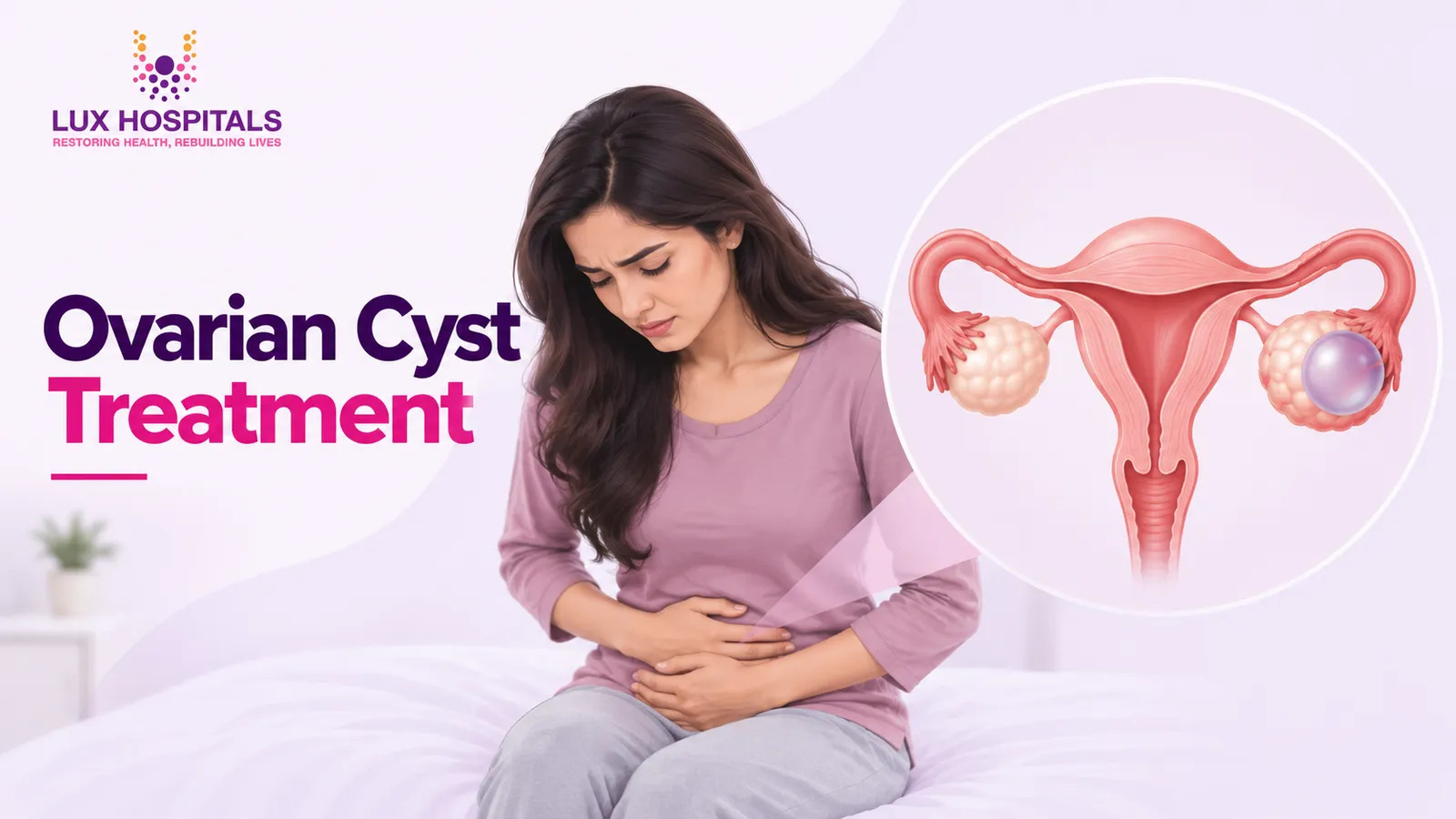
An ovarian cyst that remains on repeat scans does not automatically mean that surgery is needed. Many ovarian cysts are benign and may disappear without treatment. Your gynaecologist will consider the cyst’s size, appearance, symptoms, age, menstrual status, and whether it changes over time when deciding whether to monitor or treat.
14 October 2026
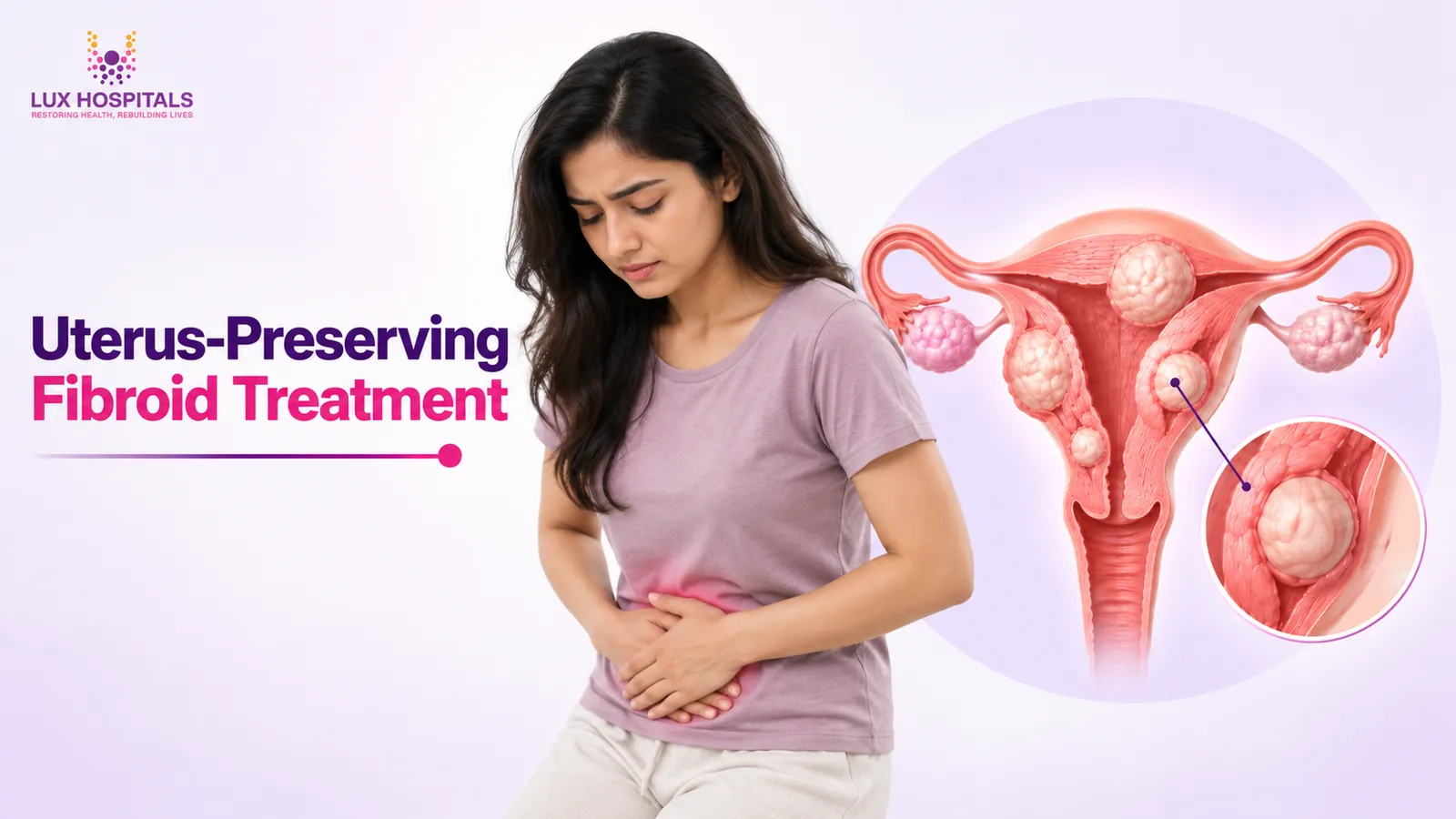
Uterus-preserving fibroid treatment may be considered when a woman wants to manage fibroids while keeping the uterus for future pregnancy. The right option depends on the fibroid’s size, number, location, symptoms, effect on the uterine cavity, age, fertility plans and overall health. Myomectomy is one uterus-preserving option.
12 October 2026

Heavy periods might influence your energy, work, sleep, emotions, and daily routine. While some women may experience less bleeding after taking medication, symptoms may occasionally persist or recur. Rather than continuing to self-medicate, persistent severe bleeding should be properly evaluated by a gynaecologist.
6 October 2026
Send your reports across and a senior surgeon will review them, explain the options and tell you honestly whether surgery is the right call.
Plot No.116, Lumbini Avenue, HITEC CITY, Near IKEA, Hyderabad – 500032