Dr. Samhitha Reddy
Consultant Proctologist & Laparoscopic Surgeon
MBBS, MS, FMAS, FISCP, DMAS
- 8 Yrs
- ASCRS Member
General and Laparoscopic Surgery
By Dr Abhishek Katha · MBBS, MS, FMAS 7 February 2025 4 min read Updated 24 September 2025
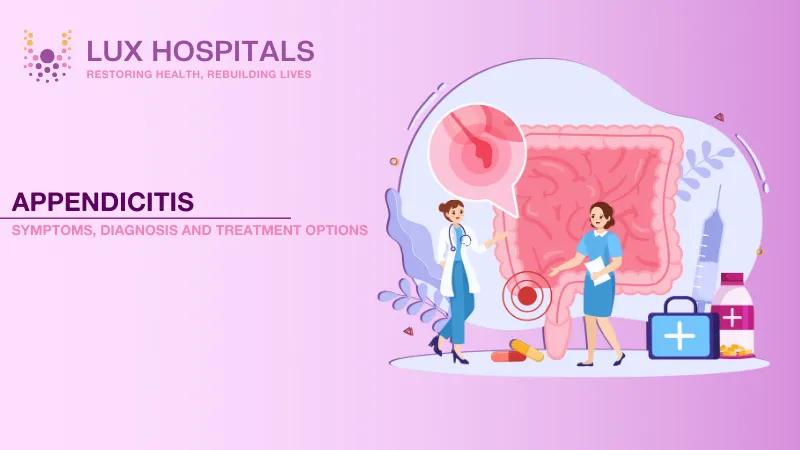
Appendicitis is a common condition that occurs when the appendix, a small pouch-like organ attached to the large intestine, becomes inflamed. Although its precise function remains unclear, the appendix can cause severe pain when it becomes infected or blocked. The inflammation of the appendix is known as appendicitis, and it can be a medical emergency requiring immediate attention.
This blog covers the symptoms, diagnosis, and treatment of appendicitis, with a focus on symptoms that may differ in women.
The appendix is a small, tube-like structure located on the lower right side of the abdomen. It is attached to the cecum, the beginning part of the large intestine. Despite being a part of the digestive system, it is believed that the appendix has a minimal role in the body’s digestive processes.
Over time, scientists have suggested that the appendix may serve as a storehouse for beneficial bacteria, which can help in the recovery of the gut after an infection.
The symptoms of appendicitis can vary, but a common sign is appendix pain, which often starts around the belly button and shifts to the lower right side of the abdomen. The pain can be sharp and sudden.
In females, appendicitis symptoms can mimic other conditions, such as ovarian cysts or pelvic infections, which can complicate diagnosis. It’s essential to pay attention to symptom development and seek medical help.
A doctor will conduct a physical exam, followed by imaging tests and possibly lab tests.
The primary treatment for appendicitis is the removal of the inflamed appendix, typically through surgery. In some cases, antibiotics may be used first, especially if the appendicitis is diagnosed early or if there are complications.
The most common treatment for appendicitis is an appendectomy. There are two types of procedures:
Both surgeries are performed under general anesthesia. Recovery times vary:
In mild or early cases of appendicitis, antibiotics may be used instead of immediate surgery. While antibiotics can reduce inflammation and help manage symptoms, surgery is typically recommended later to fully remove the appendix and prevent the infection from recurring.
During recovery, avoid strenuous activities and follow your surgeon’s instructions. This may include taking antibiotics and pain medications.
Appendicitis requires immediate medical attention. If you’re experiencing sharp abdominal pain in the lower right side, along with fever, nausea, and vomiting, seek help right away. Delaying treatment can lead to a ruptured appendix, causing a life-threatening infection called peritonitis. Early detection and treatment can prevent complications and improve outcomes.
Appendicitis is a serious condition that requires prompt diagnosis and treatment. The appendix pain can be debilitating, but with timely intervention, the prognosis is generally good. Whether through an appendix operation or antibiotics for mild cases, treatment options are effective in managing appendicitis and preventing complications.It’s important to recognize appendix symptoms in female individuals, as they may sometimes be mistaken for other conditions. If you suspect appendicitis or experience related symptoms, seek medical attention immediately to ensure the best possible outcome.
For appendicitis pain, you should consult a general surgeon at Lux Hospitals, as they specialize in conditions that may require surgery, such as appendicitis. If you’re unsure, you can first visit a general practitioner (GP) at Lux Hospitals, who can evaluate your symptoms and refer you to the appropriate specialist.
An appendix larger than 6 cm (2.4 inches) is considered dangerously enlarged and at higher risk of rupturing. Immediate medical attention is crucial to avoid severe complications.
The leading cause of appendicitis is typically a blockage in the appendix, often due to a buildup of mucus, stool, or infection. This blockage leads to inflammation, increased pressure, and infection in the appendix.
Appendicitis is most common in individuals between the ages of 10 and 30. It can occur at any age but is less frequent in older adults and young children.
You should call your healthcare provider if you experience persistent abdominal pain, especially in the lower right side, along with symptoms like fever, nausea, vomiting, or loss of appetite. These could be signs of appendicitis and require immediate medical attention.

There is more to recurrent foot corns than merely a cosmetic issue. They may result in ongoing pain, trouble walking, and recurrent discomfort that interferes with day-to-day activities. Home treatments and over-the-counter corn pads may offer short-term comfort, but they frequently don’t address the root cause.
29 July 2026
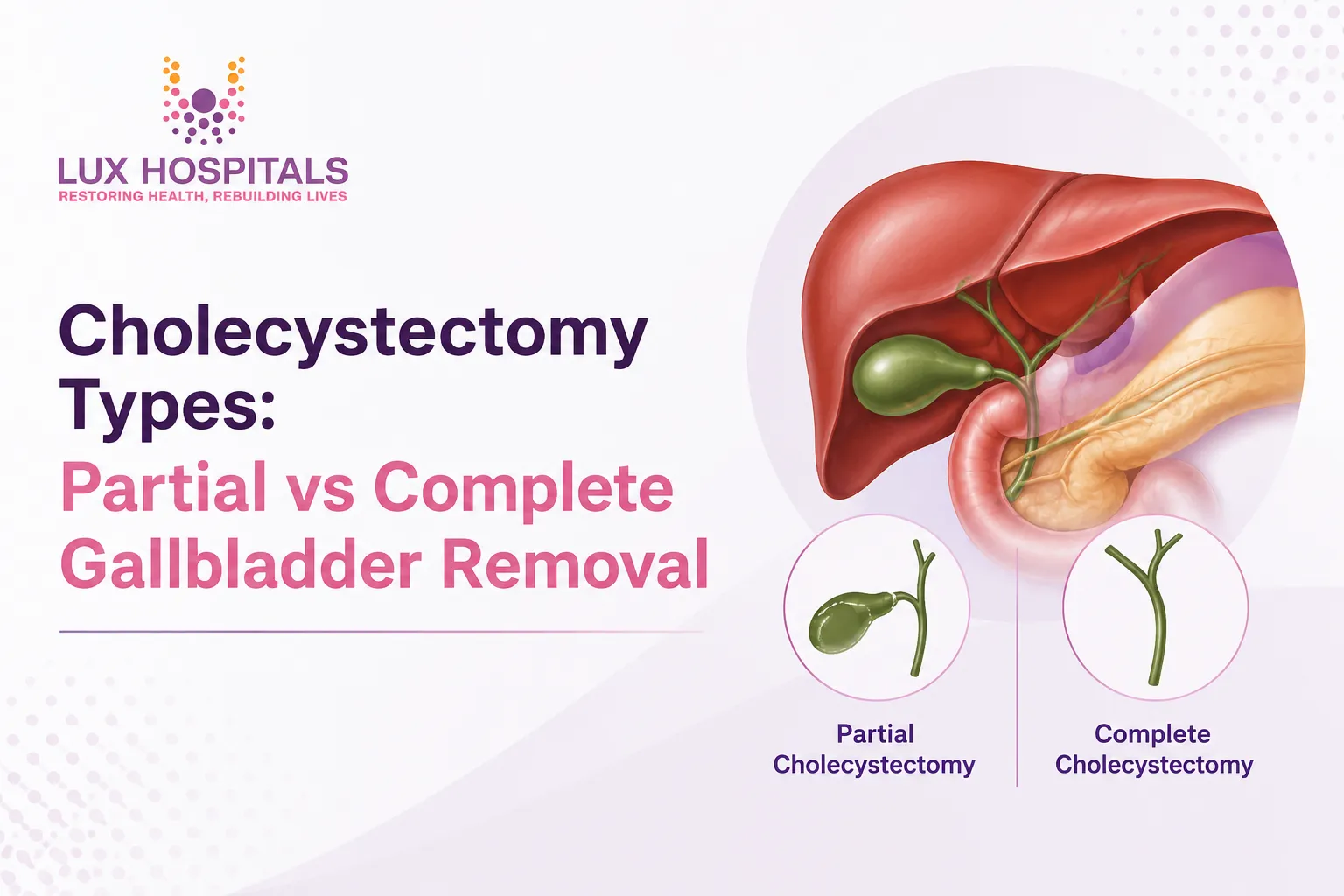
Gallbladder disease is a prevalent digestive problem that affects millions of people worldwide. To prevent serious consequences, surgery is often necessary to treat conditions such as gallstones, gallbladder inflammation, and infections. Partial removal may be advised in certain circumstances where removing the entire gallbladder could be dangerous, even though total removal is the typical technique.
24 July 2026

There is more to varicose veins than just appearance. If neglected, they might result in skin changes, pain, oedema, leg heaviness, and even problems. One of the most crucial choices you can make for successful treatment and long-term comfort is selecting the correct varicose vein specialist.
20 July 2026
Send your reports across and a senior surgeon will review them, explain the options and tell you honestly whether surgery is the right call.
Plot No.116, Lumbini Avenue, HITEC CITY, Near IKEA, Hyderabad – 500032