Dr. Samhitha Reddy
Consultant Proctologist & Laparoscopic Surgeon
MBBS, MS, FMAS, FISCP, DMAS
- 8 Yrs
- ASCRS Member
General and Laparoscopic Surgery
By Dr Abhishek Katha · MBBS, MS, FMAS 26 March 2025 5 min read Updated 21 August 2026
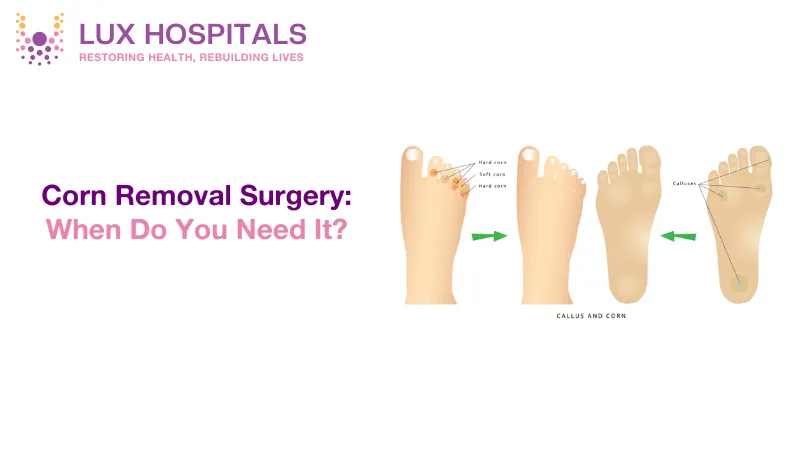
It’s common to ignore foot health until discomfort arises. Corns are a common issue that can cause significant pain and discomfort if left untreated. While most corns can be managed with home remedies or non-invasive treatments, some cases may require surgical intervention. This is where corn removal surgery comes into play. This article will explore when you might need corn removal surgery, what the procedure involves, and how to care for your feet afterwards.
The corns are small, thickened skin areas resulting from constant stress or irritation. They usually form on the toes or the soles of the feet. Foot health is often overlooked until discomfort sets in. Corns are the body’s way of protecting the skin from excessive pressure, but they can become painful and inflamed over time.
There are three main types of corn:
While mild corns can be treated with proper footwear, padding, and skin care, severe or recurring corns may require corn removal surgery.
Not all corn needs surgical removal. However, you might need to consider corn removal surgery if:
If a corn causes ongoing pain and discomfort despite trying home remedies or over-the-counter treatments, surgery may be the best option. Persistent pain can interfere with daily activities like walking, exercising, or standing for long periods.
If the corn keeps coming back even after treatment, there might be an underlying structural issue with the foot, such as a misaligned toe or abnormal bone structure. In such cases, corn excision can help prevent recurrence.
Infected corns can lead to redness, swelling, and pus formation. If the corn becomes infected, your doctor might recommend surgical removal to prevent the infection from spreading.
When a corn interferes with walking or makes it difficult to wear shoes comfortably, it can affect your overall mobility and quality of life. Corn removal surgery can help restore comfort and improve foot function.
Corn removal surgery is a minor procedure that is typically performed under local anesthesia. It is a quick and straightforward process, and most patients can walk immediately after the procedure.
Proper care after surgery is essential to ensure proper healing and prevent complications. Here’s what you need to know about after corn removal care:
Keep your foot elevated for the first 24 to 48 hours to reduce swelling and promote healing. Avoid putting too much weight on the treated area.
Follow your doctor’s instructions for cleaning the wound. Keep the bandage dry and avoid soaking your foot in water until the wound has healed.
Choose shoes with a wide toe box and soft soles to reduce pressure on the treated area. Avoid tight shoes & heels.
Watch for signs of infection such as redness, Infection signs included redness, swelling, warmth, & discharge.
Attend all follow-up appointments to ensure that the wound is healing properly and that there are no complications.
Undergoing corn removal surgery can provide several benefits:
While corn removal surgery is generally safe, like any surgical procedure, it carries some risks:
To prevent corns from returning after surgery, follow these tips:
Corn removal surgery is a safe and effective solution for painful, recurring, or infected corns. If you’ve tried non-surgical treatments without success, it may be time to consult a podiatrist about surgical options. The procedure is quick, with minimal recovery time, and can significantly improve your comfort and foot health.
With proper after-corn removal care and attention to foot health, you can prevent corns from returning and enjoy pain-free movement. If you’re considering corn removal surgery, consult with a foot specialist to determine the best treatment plan for your needs.
Corn removal surgery is usually not very painful because it’s done under local anesthesia. Mild soreness or discomfort may occur afterward but is manageable with pain relievers.
Yes, corns can be removed permanently by addressing the underlying cause, such as friction or pressure, and using proper footwear and foot care.
The cost of corn removal surgery varies based on the clinic and the complexity of the procedure. Consulting a specialist can provide a more accurate estimate.
Recovery from corn surgery usually takes about 1 to 2 weeks. Full healing may take a few more weeks, depending on the procedure and foot care.
Corns may leave a small indentation or hole after removal. Proper care helps the skin heal smoothly over time.
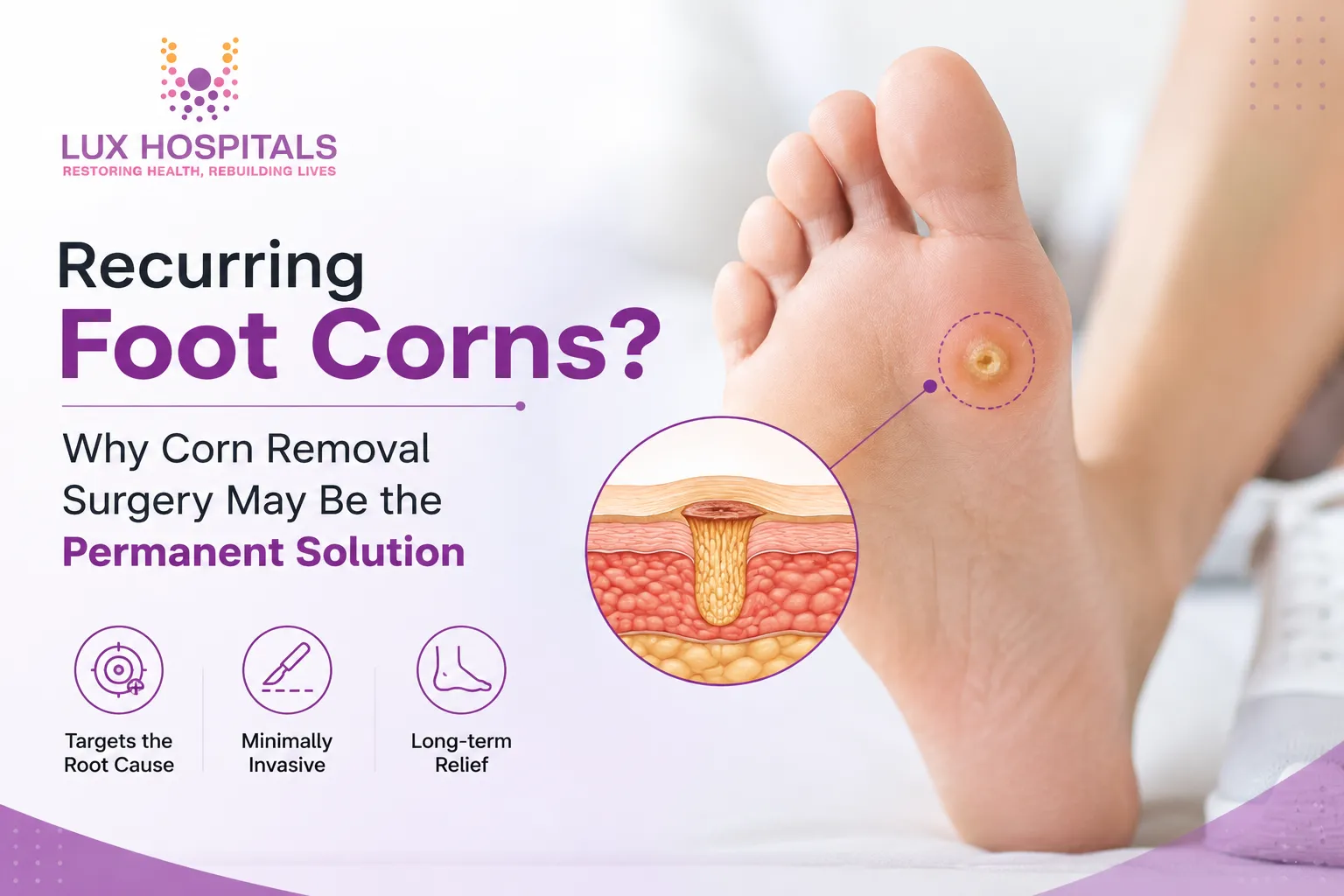
There is more to recurrent foot corns than merely a cosmetic issue. They may result in ongoing pain, trouble walking, and recurrent discomfort that interferes with day-to-day activities. Home treatments and over-the-counter corn pads may offer short-term comfort, but they frequently don’t address the root cause.
29 July 2026
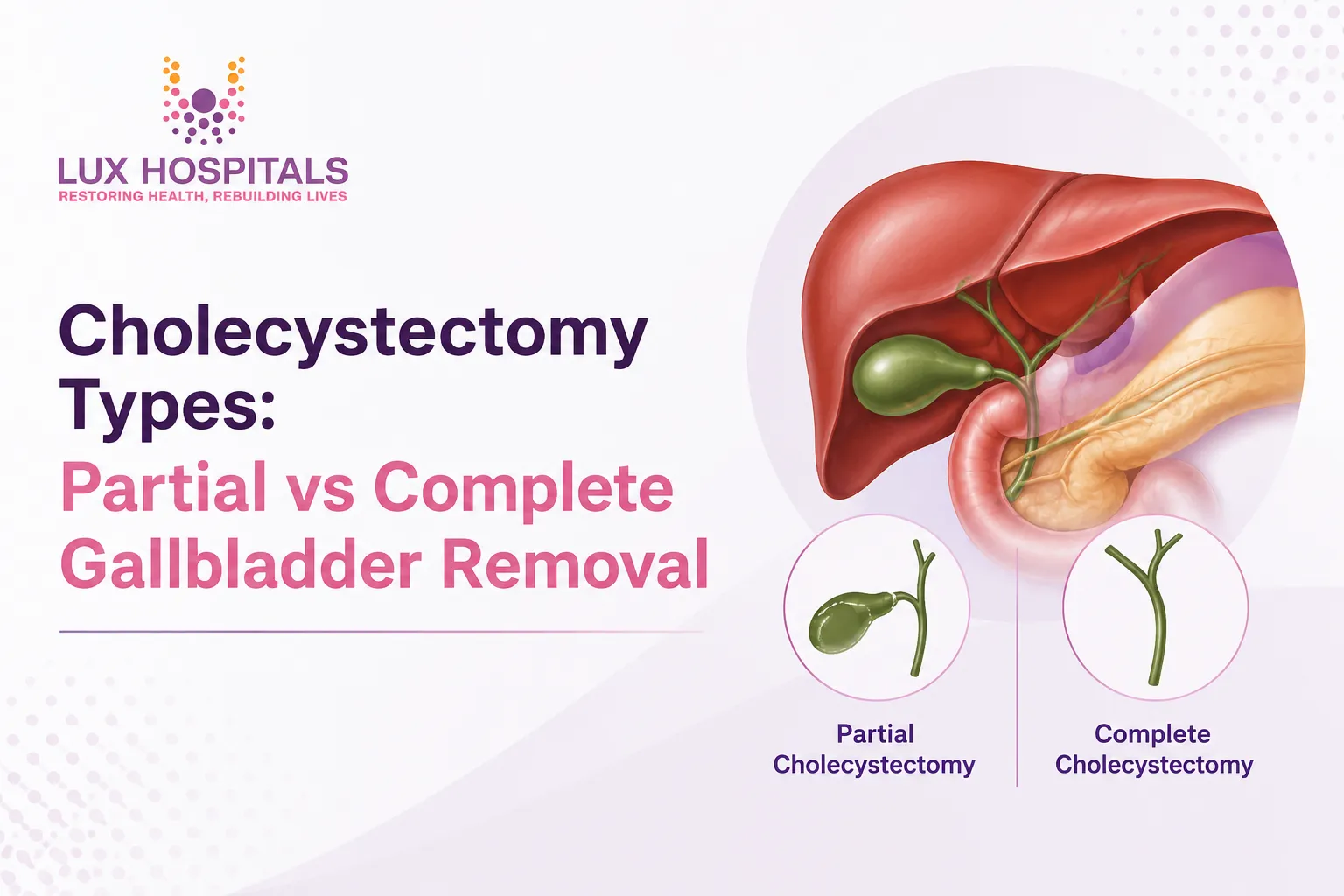
Gallbladder disease is a prevalent digestive problem that affects millions of people worldwide. To prevent serious consequences, surgery is often necessary to treat conditions such as gallstones, gallbladder inflammation, and infections. Partial removal may be advised in certain circumstances where removing the entire gallbladder could be dangerous, even though total removal is the typical technique.
24 July 2026

There is more to varicose veins than just appearance. If neglected, they might result in skin changes, pain, oedema, leg heaviness, and even problems. One of the most crucial choices you can make for successful treatment and long-term comfort is selecting the correct varicose vein specialist.
20 July 2026
Send your reports across and a senior surgeon will review them, explain the options and tell you honestly whether surgery is the right call.
Plot No.116, Lumbini Avenue, HITEC CITY, Near IKEA, Hyderabad – 500032