
Dr. Samhitha Reddy
Consultant Proctologist & Laparoscopic Surgeon
MBBS, MS, FMAS, FISCP, DMAS
- 8 Yrs
- ASCRS Member
General and Laparoscopic Surgery
By Dr Abhishek Katha · MBBS, MS, FMAS 2 August 2024 5 min read Updated 25 August 2026
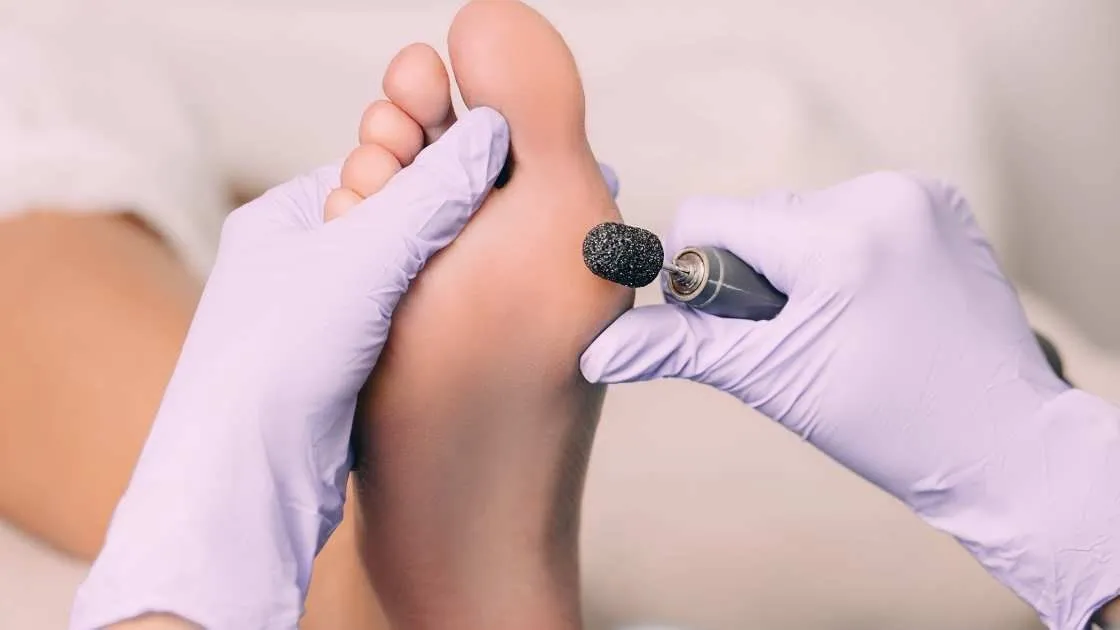
Foot corns are more than just a nuisance: they can be a significant source of discomfort and impact daily life. These thickened patches of skin develop in response to prolonged friction or pressure, often from ill-fitting footwear or abnormal foot mechanics. Fortunately, modern medicine offers various effective treatments for foot corns. In this blog, we will explore comprehensive foot corn medical treatment options, including advanced solutions and expert advice, to help you achieve relief and restore foot comfort.
Before diving into foot corn medical treatment, it’s essential to understand what foot corns are and how they form.
Foot corns can be categorized into different types based on their location and characteristics:
-Hard Corns: These are small, dense areas of thickened skin with a central core that feels painful when pressed. They typically form on the tops or sides of toes.
-Soft Corns: Found between the toes, soft corns are softer and more painful due to the moisture and constant friction in this area.
-Seed Corns: These are tiny, discrete corns that usually appear on the soles of the feet, often in clusters.
-Calluses: While not strictly corns, calluses are similar and often confused with them. They form on the soles or heels and are broader and less defined than corns.
Symptoms of Foot Corns Foot corns can cause a range of symptoms:
Foot corns develop as a response to repetitive pressure or friction. Key factors include:
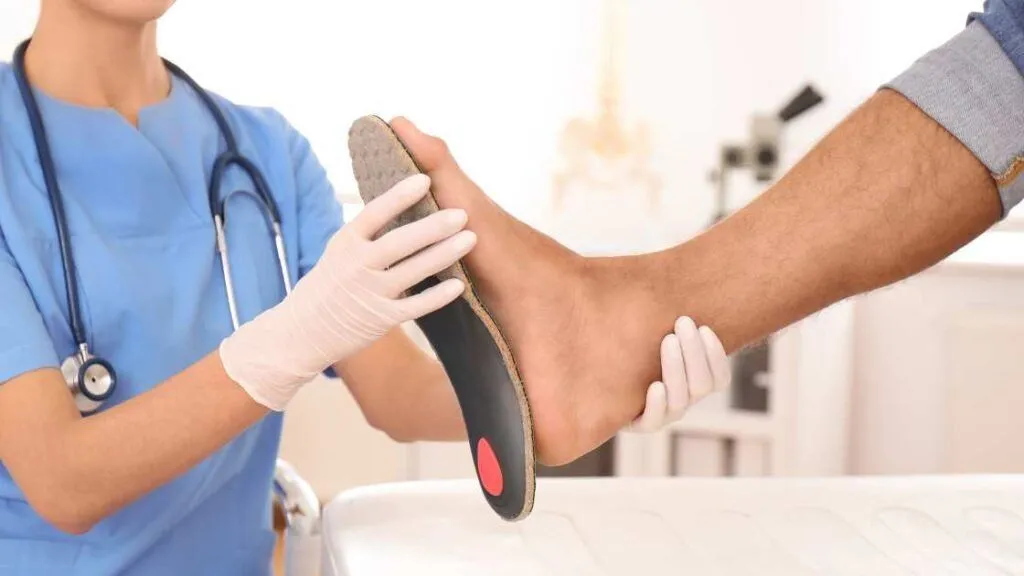
Diagnosing a foot corn involves a thorough evaluation by a medical professional:
Effective foot corn medical treatment focuses on alleviating symptoms, addressing underlying causes, and preventing recurrence. Here are the primary medical treatments:
For persistent or severe corns, professional medical intervention may be necessary:
Home care can complement medical treatments and help manage foot corns:
Seek professional help if:
With appropriate treatment and lifestyle changes, foot corns can be effectively managed. Most cases resolve with proper care, though recurrent corns may indicate ongoing issues with footwear or foot mechanics. Regular follow-up with a healthcare provider can help prevent recurrence and ensure effective management.
Living with a foot corn involves:
Foot corn medical treatment offers various solutions to alleviate pain and address the underlying causes of corns. From over-the-counter remedies to advanced medical procedures, there are effective options available for managing and treating foot corns. If you experience persistent or severe symptoms, consulting with a podiatrist will ensure you receive the appropriate care and prevent further complications. By understanding and addressing the factors that contribute to foot corns, you can achieve relief and maintain better foot health.
If your symptoms are severe or don’t improve, don’t wait: schedule an appointment at Lux Hospital for expert care and treatment. We focus on your comfort and well-being first.
The best treatment depends on severity. Mild corns may respond to over-the-counter pads or salicylic acid, while persistent corns may require professional care such as debridement, custom orthotics, cryotherapy, or laser therapy.
With proper treatment, most corns improve within 1–2 weeks. Professional interventions like debridement or laser therapy may offer faster relief, while home care helps prevent recurrence.
Yes, corns can recur if the underlying cause (such as ill-fitting shoes, abnormal gait, or foot deformities) is not addressed. Using proper footwear and orthotics can reduce recurrence.
Surgery is usually only recommended for corns caused by structural foot problems, such as bunions or hammertoes. Most corns can be treated with non-invasive methods like debridement, orthotics, or laser therapy.
Home care, including soaking, exfoliating with a pumice stone, moisturizing, and wearing proper footwear, can help manage mild corns and prevent recurrence. However, persistent or painful corns should be evaluated by a podiatrist.
If standing for a short period leaves you with leg pain, heaviness, weakness, dizziness or swelling, it may be more than simple tiredness. Causes can range from prolonged inactivity and muscle fatigue to varicose veins, joint problems, nerve conditions, or changes in blood pressure. The existing Lux article identifies circulation problems, varicose veins, orthostatic hypotension, muscle weakness, joint conditions and spinal problems among possible causes.
9 November 2026
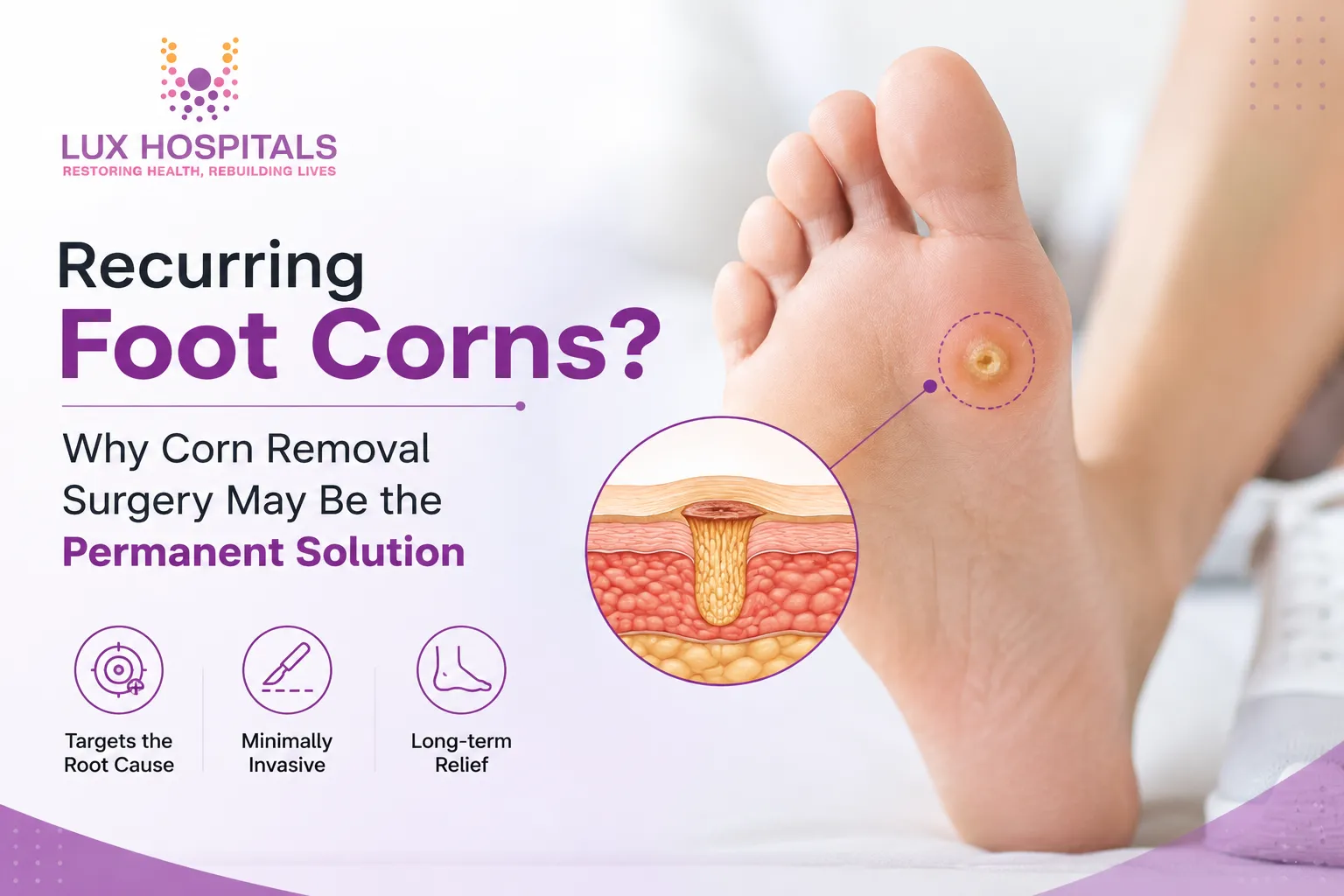
There is more to recurrent foot corns than merely a cosmetic issue. They may result in ongoing pain, trouble walking, and recurrent discomfort that interferes with day-to-day activities. Home treatments and over-the-counter corn pads may offer short-term comfort, but they frequently don’t address the root cause.
29 July 2026
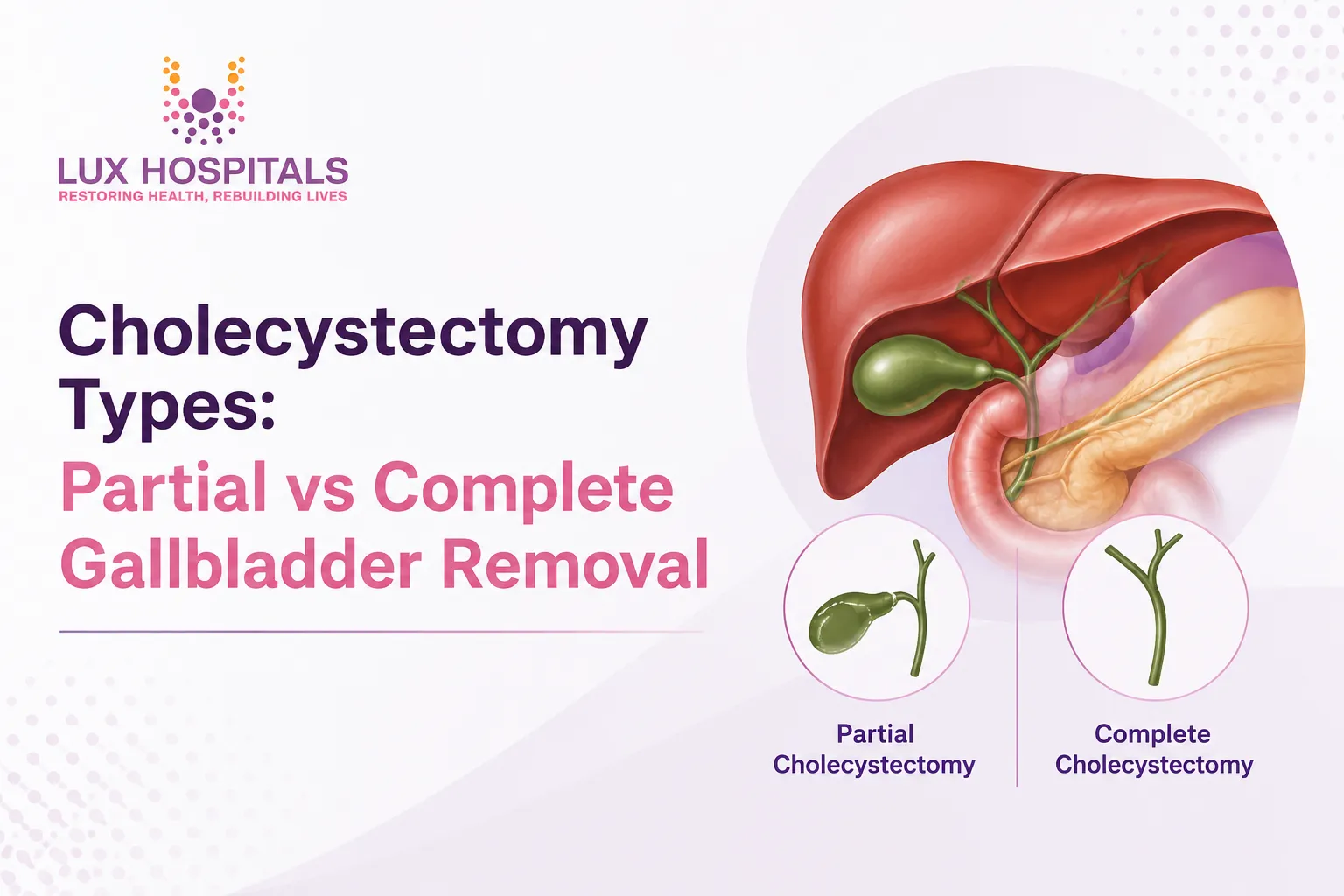
Gallbladder disease is a prevalent digestive problem that affects millions of people worldwide. To prevent serious consequences, surgery is often necessary to treat conditions such as gallstones, gallbladder inflammation, and infections. Partial removal may be advised in certain circumstances where removing the entire gallbladder could be dangerous, even though total removal is the typical technique.
24 July 2026
Send your reports across and a senior surgeon will review them, explain the options and tell you honestly whether surgery is the right call.
Plot No.116, Lumbini Avenue, HITEC CITY, Near IKEA, Hyderabad – 500032