Dr. Samhitha Reddy
Consultant Proctologist & Laparoscopic Surgeon
MBBS, MS, FMAS, FISCP, DMAS
- 8 Yrs
- ASCRS Member
General and Laparoscopic Surgery
By Dr Abhishek Katha · MBBS, MS, FMAS 20 February 2025 4 min read Updated 26 September 2025
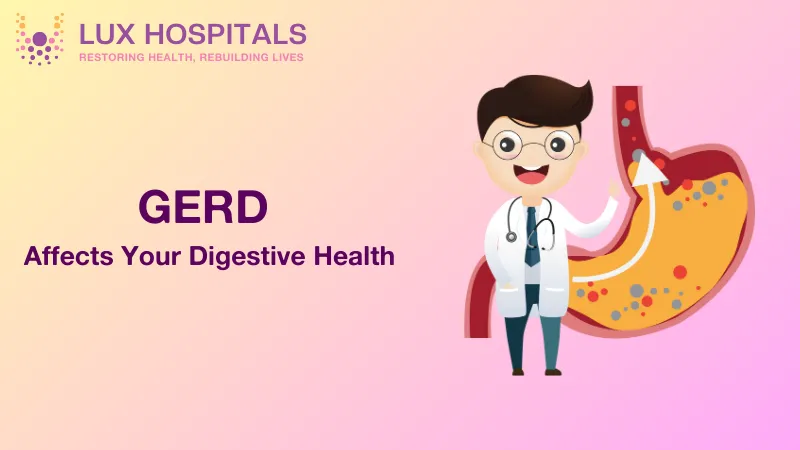
Gastroesophageal reflux disease (GERD) is a chronic digestive disease that hits so many people around the earth. If you suffer from symptoms of heartburn, regurgitation, and discomfort after eating very frequently, then you are probably suffering from GERD.
This may further affect your overall health and digestive system once it becomes advanced. So, here is everything you should know regarding the causes, symptoms, treatment, and probable complications of GERD.
Gastroesophageal reflux disease, or GERD, is a chronic condition where stomach acid regularly backs up into the esophagus. This acid reflux causes irritation of the oesophageal lining, which can cause discomfort and complications over time. Everyone occasionally experiences acid reflux. Still, when it happens often and interferes with daily life, it might be considered GERD.
Lower esophageal sphincter weakness, which affects the muscle that serves as a valve between the stomach and the esophagus, is the cause of GERD. If the LES does not close tightly, stomach acid may flow back into the esophagus, irritating it.
There are many contributory factors to GERD, such as :
Gerd has many symptoms, from mild to severe. The common symptoms include:
If these symptoms become frequent, it is necessary to visit the doctor to avoid further complications.
GERD can negatively impact digestive health in several ways:
Treatment for GERD aims to decrease acid reflux, alleviate symptoms and prevent complications. The treatments include lifestyle modification, medications and, in severe cases, surgery.
OTC and prescription medications are available to alleviate GERD symptoms:
For more severe cases where lifestyle changes and medication are ineffective, surgery is an option for GERD. The following are the common surgical procedures:
Prevention is an integral part of managing GERD and maintaining digestive health. The key preventive measures would include:
GERD is common, yet it’s a severe digestive disorder affecting one’s quality of life. The best course of action for this issue might be to comprehend the source, symptoms, and treatment. The majority of the time, GERD symptoms can be reduced and your general digestive health can be maintained by changing your lifestyle, taking medicine as necessary, and, in more severe cases, thinking about having surgery. If you are symptomatic over time, consult a healthcare professional who will suggest a treatment course suitable for your situation.
A weaker lower esophageal sphincter (LES) permits stomach acid to reflux into the esophagus, which is the cause of GERD. Contributing factors include obesity, spicy or fatty foods, smoking, alcohol, pregnancy, and certain medications.
Acid reflux is the occasional backflow of stomach acid into the esophagus, while GERD is a chronic condition where acid reflux occurs frequently and causes complications.
While GERD can be managed effectively with lifestyle changes and medications, and in some cases surgery, it is a chronic condition that may require long-term management.
If you experience severe symptoms that interfere with your daily life or if you develop difficulty swallowing, chest pain or unexplained weight loss, consult a doctor at Lux Hospitals for expert care and treatment.
Avoid spicy foods, citrus fruits, caffeine, alcohol, chocolate, fatty foods, and carbonated drinks, as they can trigger acid reflux.
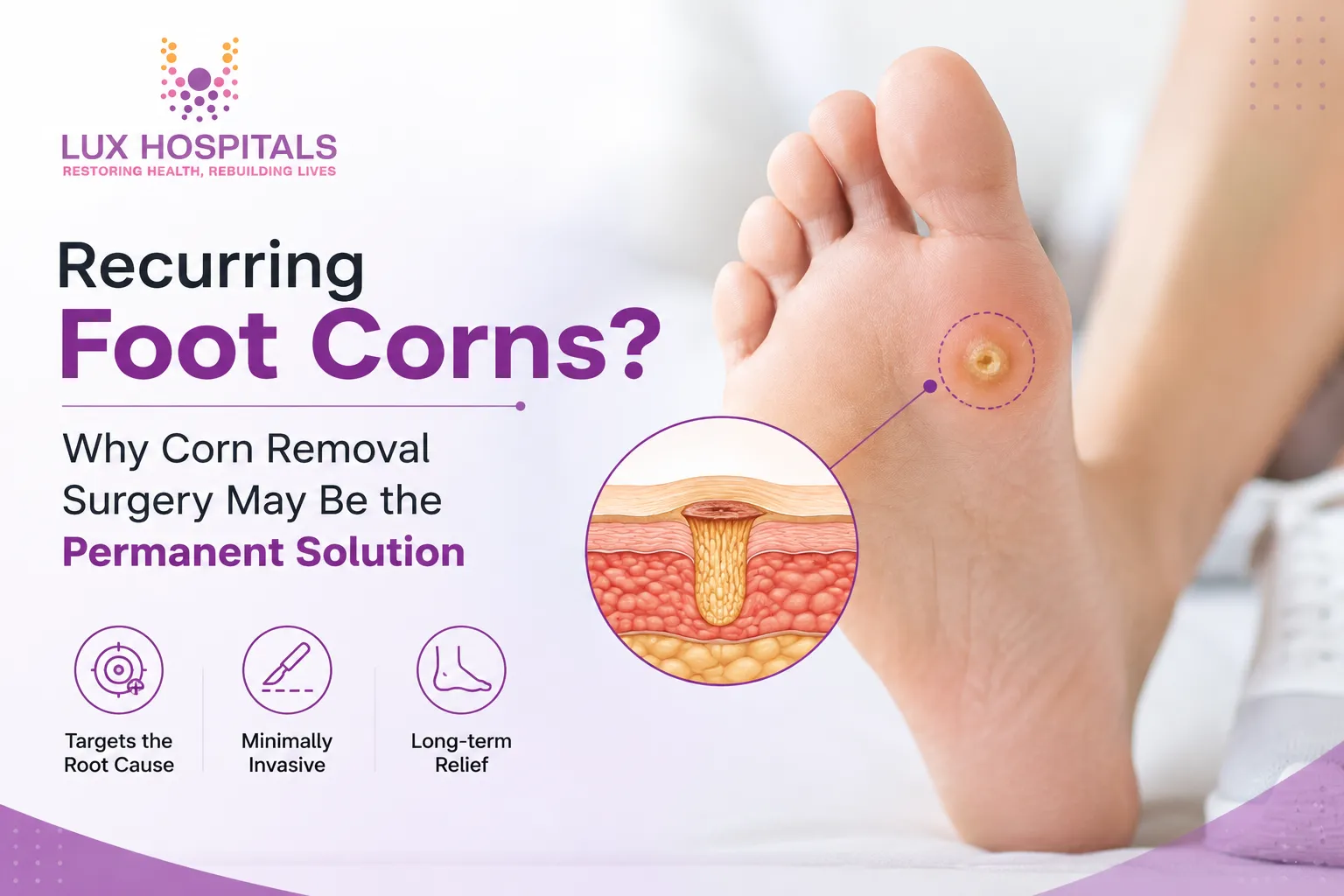
There is more to recurrent foot corns than merely a cosmetic issue. They may result in ongoing pain, trouble walking, and recurrent discomfort that interferes with day-to-day activities. Home treatments and over-the-counter corn pads may offer short-term comfort, but they frequently don’t address the root cause.
29 July 2026
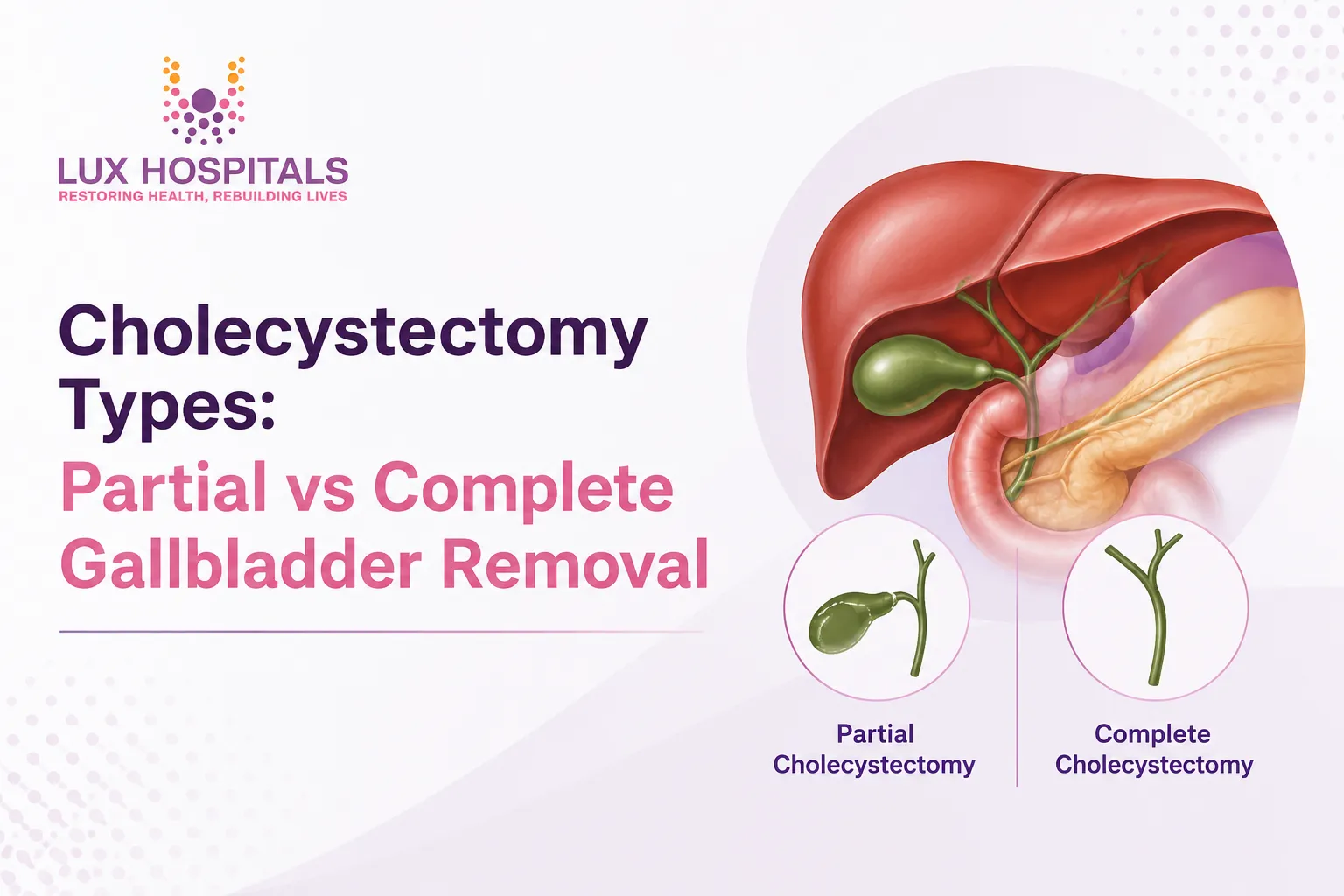
Gallbladder disease is a prevalent digestive problem that affects millions of people worldwide. To prevent serious consequences, surgery is often necessary to treat conditions such as gallstones, gallbladder inflammation, and infections. Partial removal may be advised in certain circumstances where removing the entire gallbladder could be dangerous, even though total removal is the typical technique.
24 July 2026
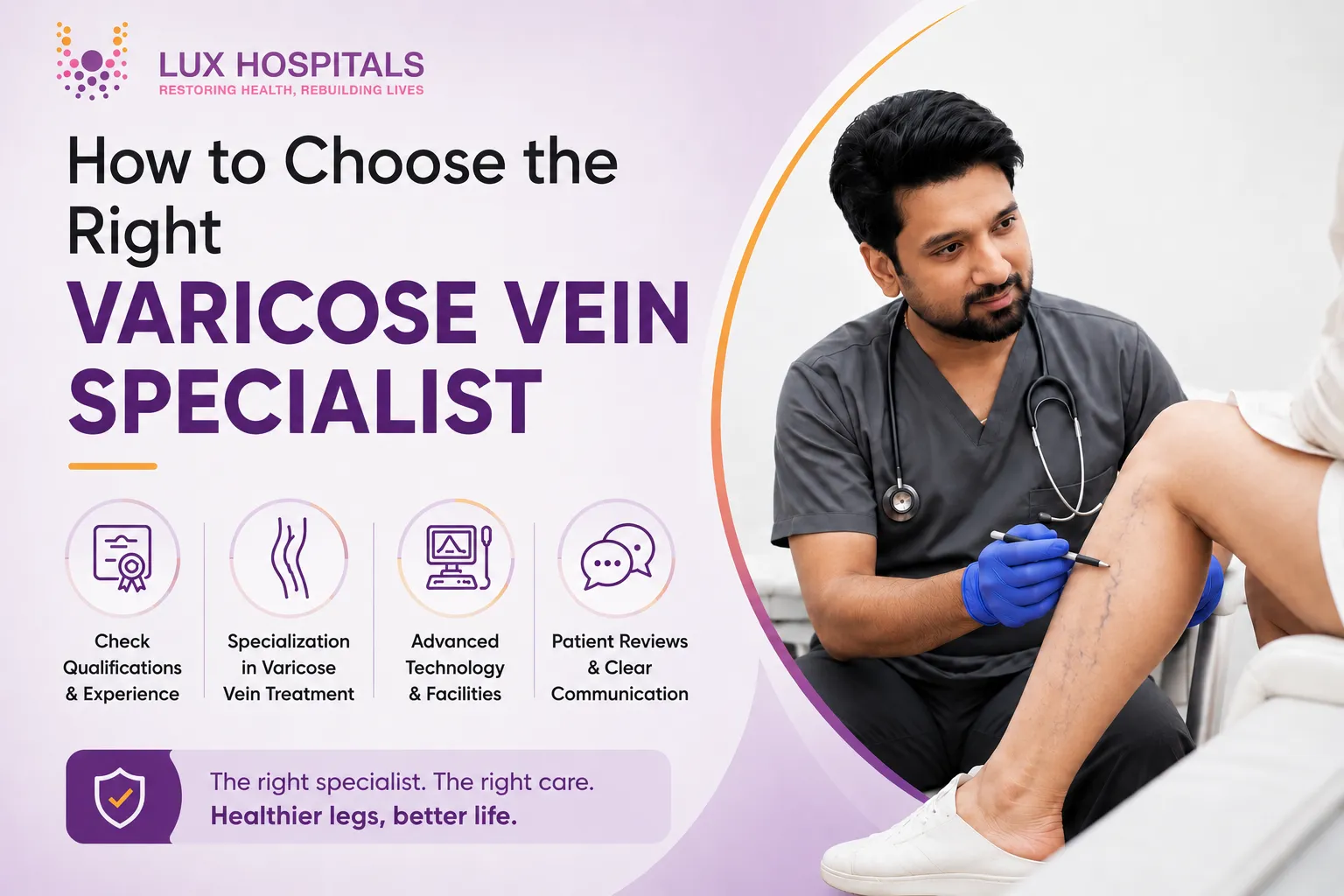
There is more to varicose veins than just appearance. If neglected, they might result in skin changes, pain, oedema, leg heaviness, and even problems. One of the most crucial choices you can make for successful treatment and long-term comfort is selecting the correct varicose vein specialist.
20 July 2026
Send your reports across and a senior surgeon will review them, explain the options and tell you honestly whether surgery is the right call.
Plot No.116, Lumbini Avenue, HITEC CITY, Near IKEA, Hyderabad – 500032