Dr. Samhitha Reddy
Consultant Proctologist & Laparoscopic Surgeon
MBBS, MS, FMAS, FISCP, DMAS
- 8 Yrs
- ASCRS Member
General and Laparoscopic Surgery
By Dr Abhishek Katha · MBBS, MS, FMAS 2 April 2025 5 min read Updated 24 September 2025
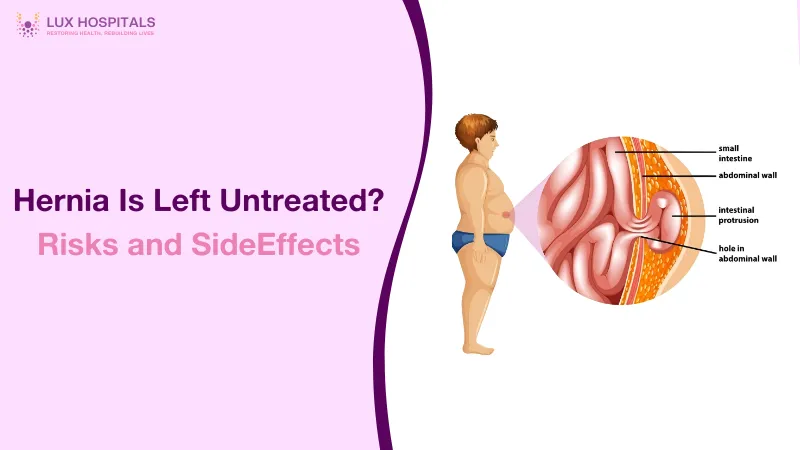
Hernias are a very frequent medical condition that can happen to anyone at any age. They may begin as a small problem, but if a hernia is not treated, it may cause extremely serious health issues. Most people do not pay attention to the initial symptoms of a hernia or even delay medical care, and […]
Hernias are a very frequent medical condition that can happen to anyone at any age. They may begin as a small problem, but if a hernia is not treated, it may cause extremely serious health issues. Most people do not pay attention to the initial symptoms of a hernia or even delay medical care, and thus, they experience horrible consequences later on. An untreated hernia can lead to severe complications that may impact overall health and well-being.
This blog will detail the causes, symptoms, possible danger of an incurable hernia, side effects, diagnosis, eating habits, and lifestyle modifications required to prevent or treat hernias.
A hernia occurs when a fatty tissue or organ protrudes through a weakened area of muscle or connective tissue that normally would hold it in position. There are a number of reasons why a hernia is created, some of which are:
Prompt identification of the symptoms will ensure timely treatment. Some of the common symptoms of untreated hernia are:
Leaving an untreated hernia can result in some serious medical problems. Some of the problems that can occur are:
1. Swelling of the Hernia
In the long run, an untreated hernia will continue to grow larger. This becomes more painful and harder to live with. More extensive hernias are also harder to fix through surgery.
2. Pain and Discomfort
As the size of the untreated hernia grows, it can produce chronic pain and discomfort, impairing daily function. Even mild movements such as bending or coughing can become painful.
3. Intestinal Obstruction
A hernia, occasionally, will clog part of the intestine, which is an obstruction. The signs and symptoms of an obstruction are extreme pain, nausea, vomiting, and constipation.
4. Strangulation (Life-Threatening Emergency)
There is strangulated hernia when blood flow to the trapped tissue is blocked. It will cause tissue death (necrosis) and needs to be treated in an emergency. A strangulated hernia has the following signs and symptoms:
Severe pain where the hernia occurs.
If a hernia is not treated, it can lead to a variety of health issues, such as:
Possible complications if operated on when the hernia is allowed to persist long enough that it is more difficult to repair.
If you are experiencing suspicion of a hernia, you must visit your doctor. A doctor can diagnose an untreated hernia with the following:
Though surgery is usually the ideal option for a hernia, diet can control symptoms and avoid complications. Here are some dietary recommendations:
Along with a healthy diet, lifestyle changes can prevent or minimize the risk of untreated hernia complications.
1. Healthy Weight
Overweight places extra pressure on the abdominal muscles, which makes a hernia more likely. A healthy diet and exercise can help maintain weight in check.
2. Proper Lifting Techniques
During heavy lifting, bend the knees, not the waist, to keep from over-stressing the abdomen.
3. Prevent Heavy Straining
Constipation may be lessened by taking additional fiber and fluid to avoid straining when having a bowel movement.
4. Stop Smoking
Smoking destroys connective tissues and leads to chronic coughing, both of which can result in the development of hernias.
5. Build Core Muscles
Exercise to Strengthen the Abdominal Muscles,Yoga and pilates, for example, can strengthen the abdominal muscles, tensing up the abdominal wall and guarding against hernias.
6. Wear Clothes to Support
Steer clear of tight clothing that compresses the abdomen and aggravates symptoms of a hernia.
7. Sleep on a Raised Head (For Hiatal Hernias)
If you suffer from acid reflux as a result of a hiatal hernia, sleeping with a raised head will ease symptoms.
A hernia can initially appear to be a minor problem, but left untreated hernia can cause serious complications. From long-term pain and obstruction of the bowel to strangulation that can be life-threatening, an untreated hernia can have a profound effect on your health and lifestyle. Early diagnosis and treatment are required to avoid these risks. Embracing a healthy lifestyle and diet can also be an important element in preventing recurrence and managing symptoms. If you suspect you have a hernia, consult a doctor at once to advise on the best course of treatment.
No, an untreated hernia will not cure itself. A procedure usually must be used to fix the fixed area.
In case you are having worsening pain, bulging, getting larger, nausea, or straining while having a bowel movement, your hernia may be worsening.
Surgery is the best treatment, but fewer cases can be treated by living differently and with supportive therapy.
Some exercises can strengthen the core, but excessive exercise can aggravate the condition. Get permission from a doctor prior to exercising.
Go for emergency care if you have severe pain, vomiting, fever, or a coloured bulge.
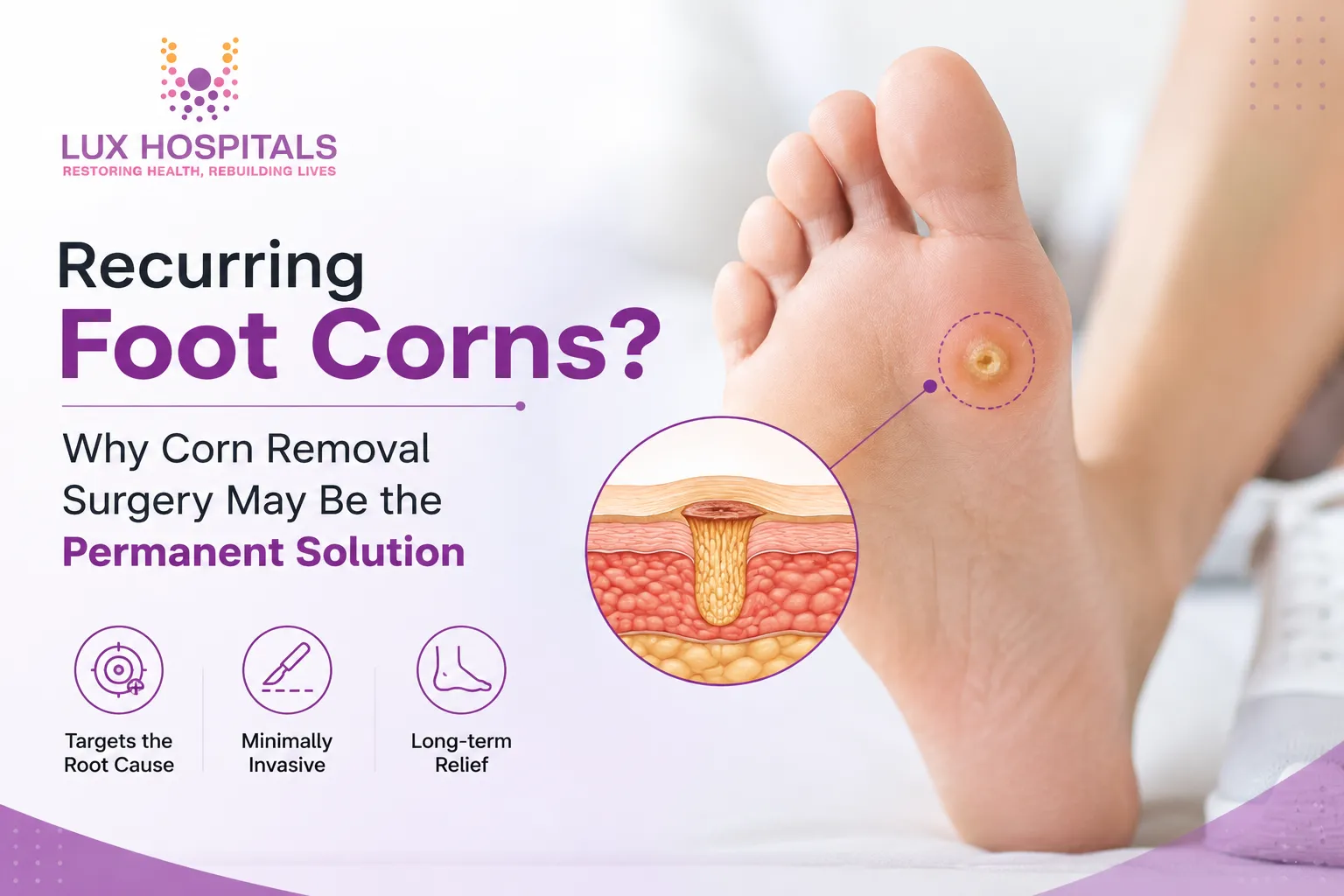
There is more to recurrent foot corns than merely a cosmetic issue. They may result in ongoing pain, trouble walking, and recurrent discomfort that interferes with day-to-day activities. Home treatments and over-the-counter corn pads may offer short-term comfort, but they frequently don’t address the root cause. Consequently, Recurring Foot Corns continue to recur, causing discomfort […]
29 July 2026
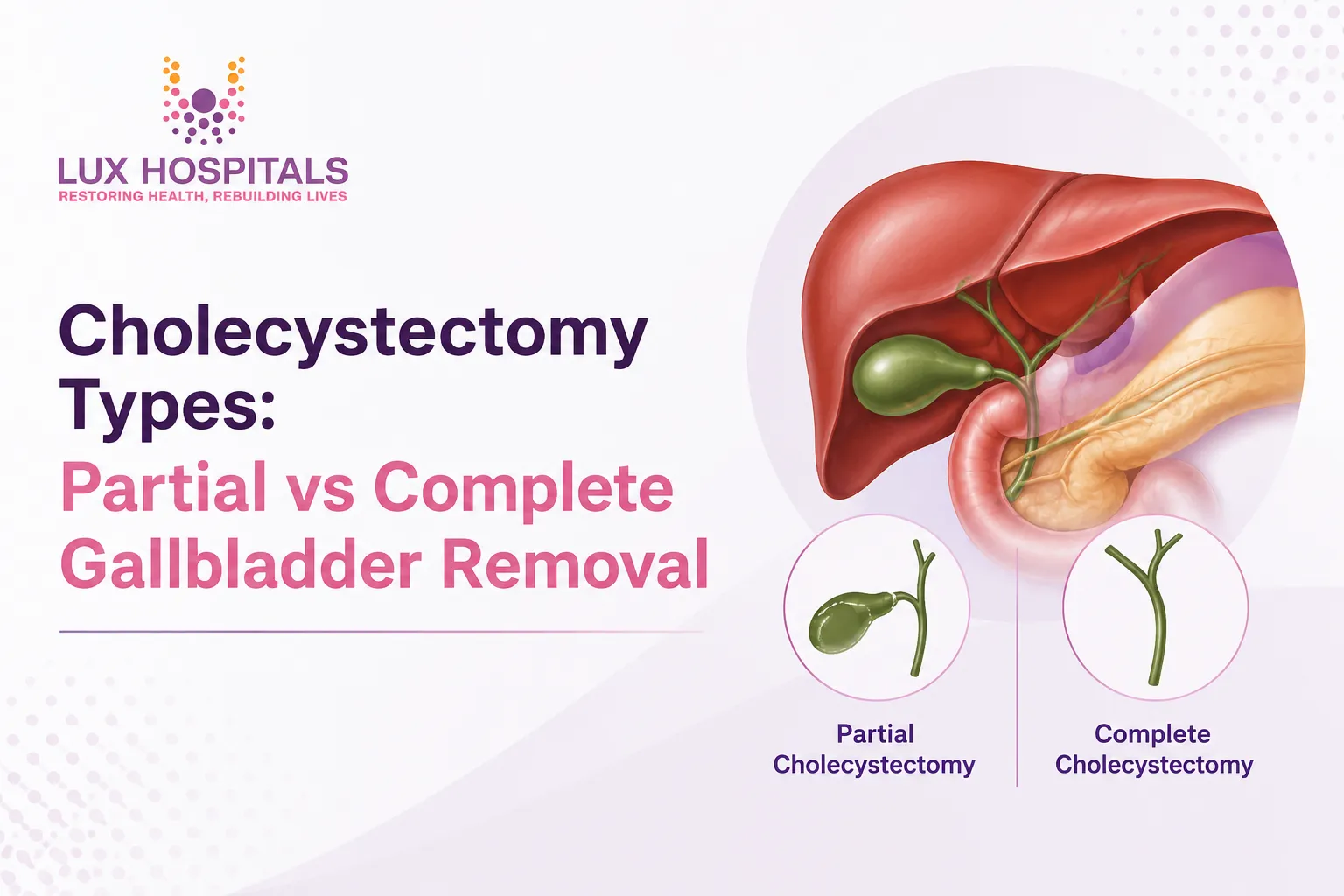
Gallbladder disease is a prevalent digestive problem that affects millions of people worldwide. To prevent serious consequences, surgery is often necessary to treat conditions such as gallstones, gallbladder inflammation, and infections. Partial removal may be advised in certain circumstances where removing the entire gallbladder could be dangerous, even though total removal is the typical technique. […]
24 July 2026
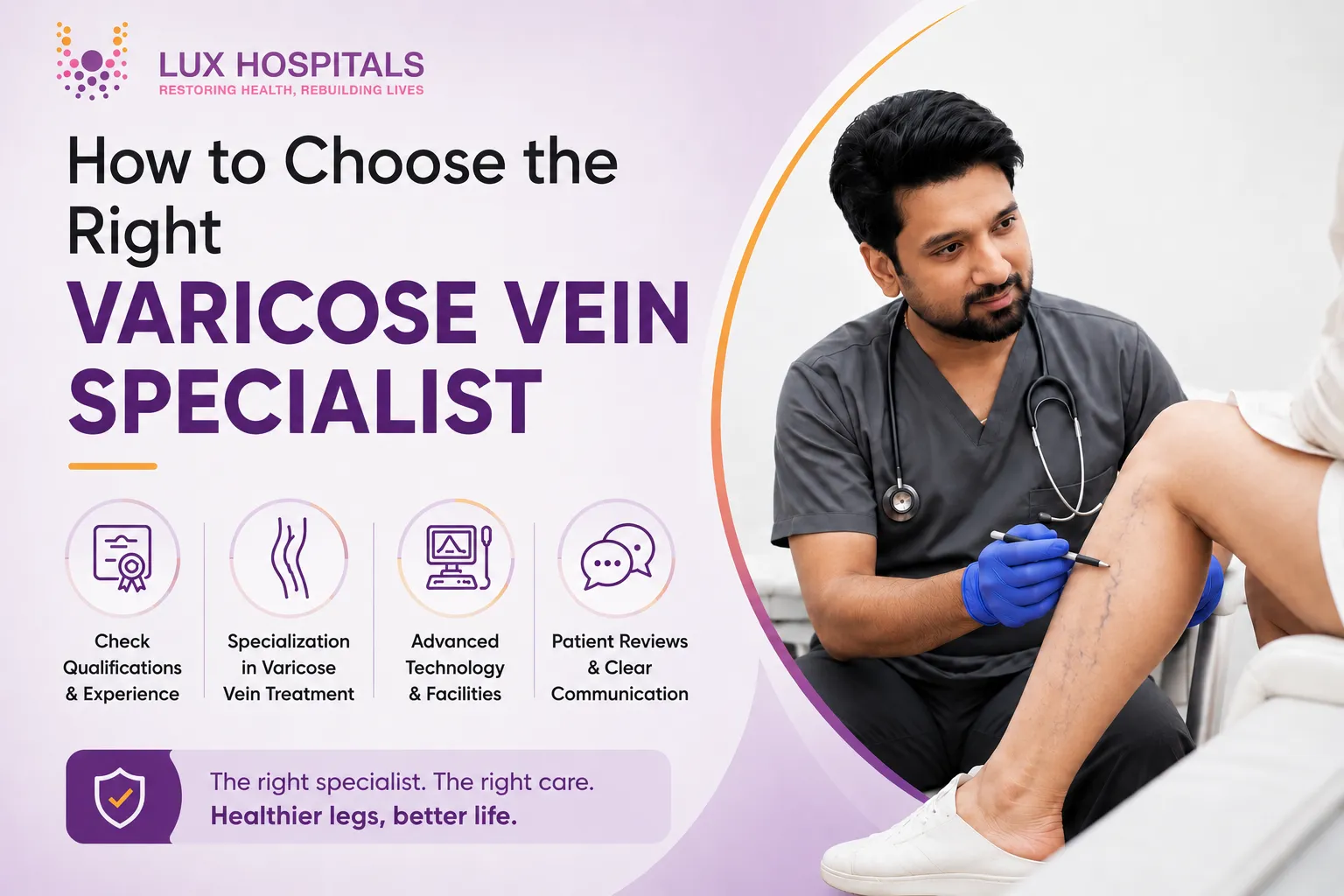
There is more to varicose veins than just appearance. If neglected, they might result in skin changes, pain, oedema, leg heaviness, and even problems. One of the most crucial choices you can make for successful treatment and long-term comfort is selecting the correct varicose vein specialist. A skilled expert can correctly identify the underlying problem, […]
20 July 2026
Send your reports across and a senior surgeon will review them, explain the options and tell you honestly whether surgery is the right call.
Plot No.116, Lumbini Avenue, HITEC CITY, Near IKEA, Hyderabad – 500032