Dr. Samhitha Reddy
Consultant Proctologist & Laparoscopic Surgeon
MBBS, MS, FMAS, FISCP, DMAS
- 8 Yrs
- ASCRS Member
By LuxHospitals 9 November 2026 2 min read
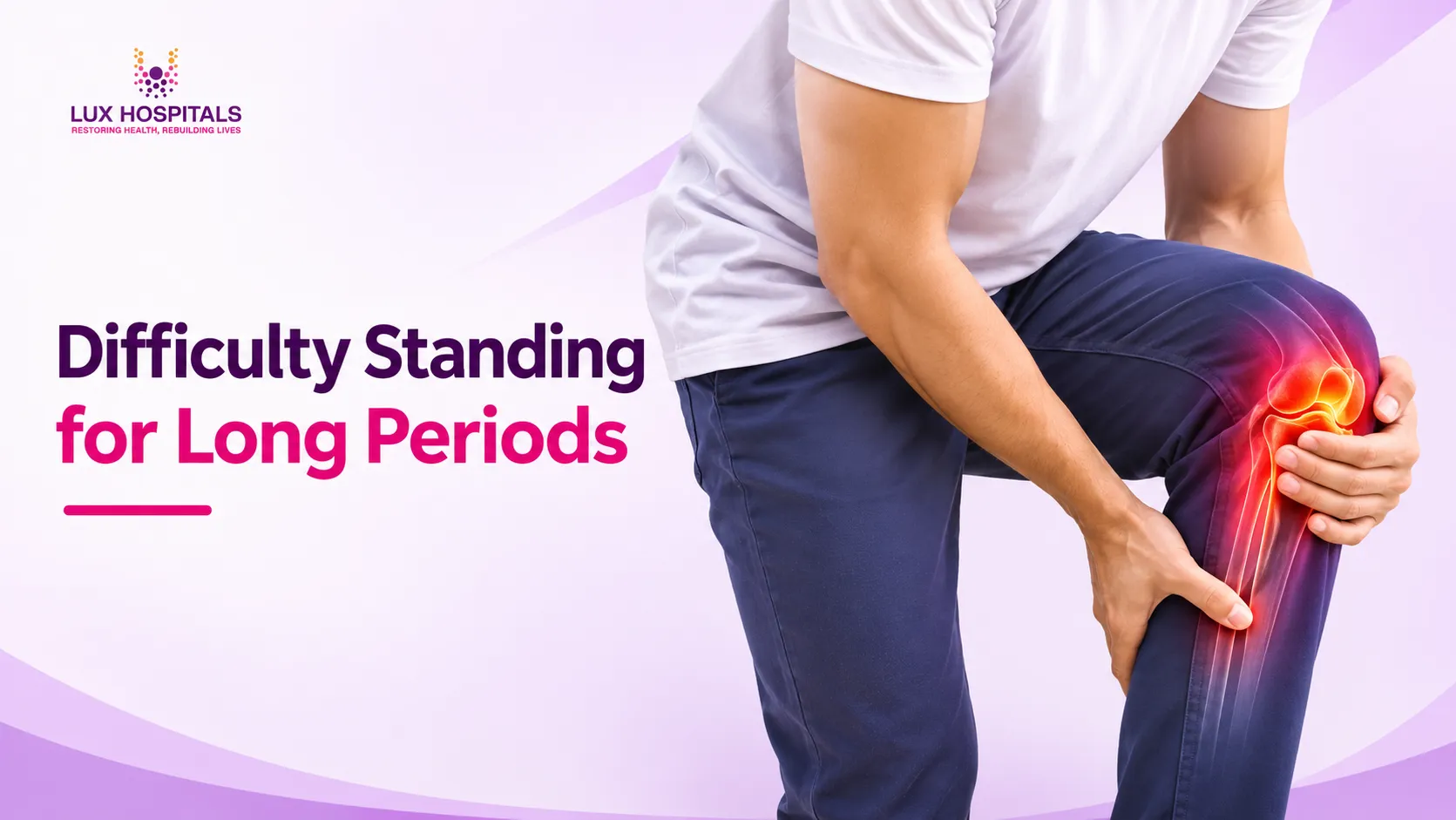
If standing for a short period leaves you with leg pain, heaviness, weakness, dizziness or swelling, it may be more than simple tiredness. Causes can range from prolonged inactivity and muscle fatigue to varicose veins, joint problems, nerve conditions, or changes in blood pressure. The existing Lux article identifies circulation problems, varicose veins, orthostatic hypotension, muscle weakness, joint conditions and spinal problems among possible causes.
Prolonged standing can exacerbate the discomfort, heaviness, oedema, and agony associated with varicose veins.
Weak or poorly conditioned muscles may become tired when they have to support the body for long periods.
Arthritis and other joint conditions affecting the knees, hips or ankles can make prolonged standing painful.
Nerve compression or spinal conditions may cause pain, numbness, weakness or difficulty remaining upright.
Some people feel dizzy or weak after standing because their blood pressure drops.
Leaning to one side or placing excessive pressure on one leg may increase strain.
Persistent swelling may be associated with venous, cardiac, kidney or other health conditions and requires appropriate evaluation.
Depending on the cause, simple measures may include:
Compression stockings shouldn't be used for everyone with leg pain. The underlying cause determines whether they are appropriate.
Seek medical assessment if difficulty standing is persistent or associated with:
Sudden one-sided leg swelling, particularly with breathing difficulty or chest pain, needs urgent medical attention.
Your doctor may review your symptoms, medical history, medications and physical findings. Depending on the suspected cause, your doctor may recommend tests such as blood pressure measurement, blood tests, vascular studies, or imaging.
Standing for long periods can be challenging for many reasons. Don't dismiss persistent symptoms—especially pain, swelling, weakness, or dizziness—as just exhaustion. By identifying the cause, clinicians can decide on the best course of action.
Varicose veins, muscle exhaustion, joint issues, nerve disorders, spinal issues, and variations in blood pressure are among the potential reasons. Instead of assuming that persistent symptoms are just typical fatigue, they should be evaluated.
Yes. Leg heaviness, pain, and swelling are symptoms of varicose veins that worsen with prolonged standing. A vascular evaluation can help determine whether the veins are causing the symptoms.
It becomes more concerning when it is persistent, worsening or associated with severe pain, swelling, weakness, numbness, fainting or breathing problems. These symptoms may require prompt medical evaluation.
For some people, strength and frequent exercise can improve muscle endurance. Exercise should, however, match the underlying condition, especially if there is pain, neurological symptoms, or joint issues.
Yes. The appropriate Lux specialist can assess symptoms and guide further evaluation based on whether the suspected cause involves veins, joints, muscles, nerves or another system.

Choosing the best hospital in Hyderabad isn't just about building size or the number of services listed on a website. Patients should also consider specialist expertise, available treatments, diagnostic support, surgical facilities, safety standards, and follow-up care. For someone seeking treatment, the right hospital should make the process easier from the first consultation through recovery. Lux Hospitals is a multi-speciality surgical hospital in Hyderabad with dedicated departments including General and Laparoscopic Surgery, Proctology, Urology, Gynaecology, Orthopaedics, Plastic & Cosmetic Surgery, and Bariatric & Surgical Gastroenterology.
14 October 2026
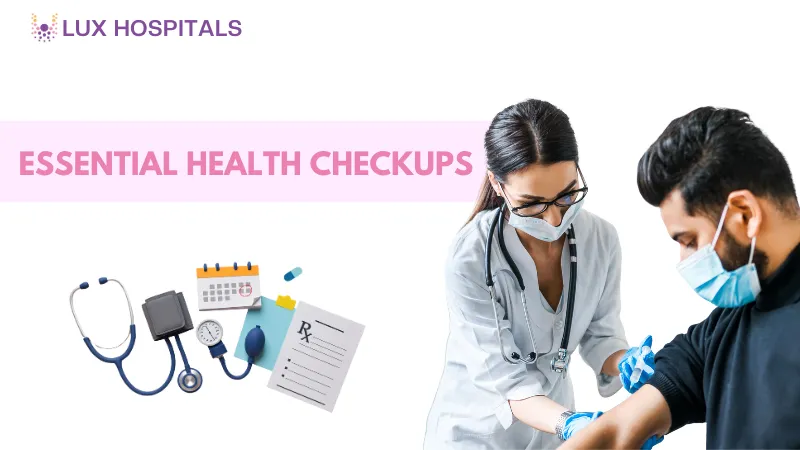
Your health is your greatest asset, and preventive care is the key to staying healthy. With modern lifestyles and busy schedules, many health issues remain unnoticed until they become serious. At Lux Hospitals Hyderabad, we emphasize department-specific preventive health checkups to detect problems early and maintain overall wellness.
31 December 2025
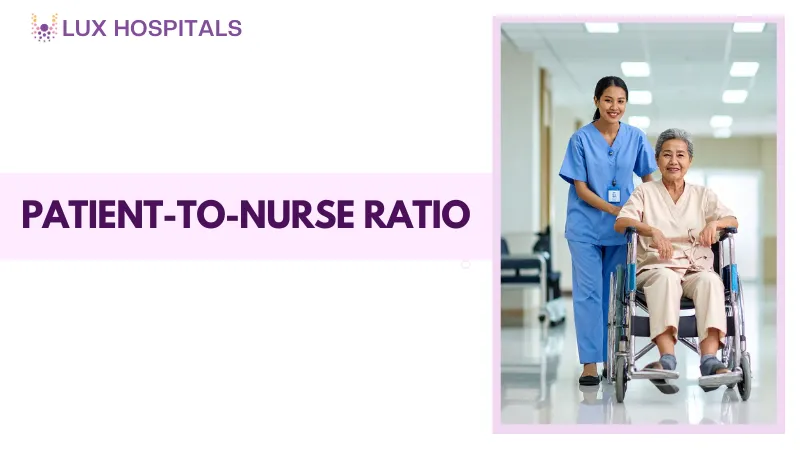
At Lux Hospitals, one of the most trusted hospitals in Hyderabad, patient safety and high-quality care start with proper nurse staffing. The patient-to-nurse ratio shows how many patients a single nurse is responsible for during a shift. A balanced ratio ensures timely monitoring, faster response during emergencies, and compassionate care for every patient.
28 November 2025
Send your reports across and a senior surgeon will review them, explain the options and tell you honestly whether surgery is the right call.
Plot No.116, Lumbini Avenue, HITEC CITY, Near IKEA, Hyderabad – 500032