Dr. Samhitha Reddy
Consultant Proctologist & Laparoscopic Surgeon
MBBS, MS, FMAS, FISCP, DMAS
- 8 Yrs
- ASCRS Member
By Dr Harshita Kakarla · MBBS, MS, FMAS 17 June 2026 5 min read Updated 7 August 2026
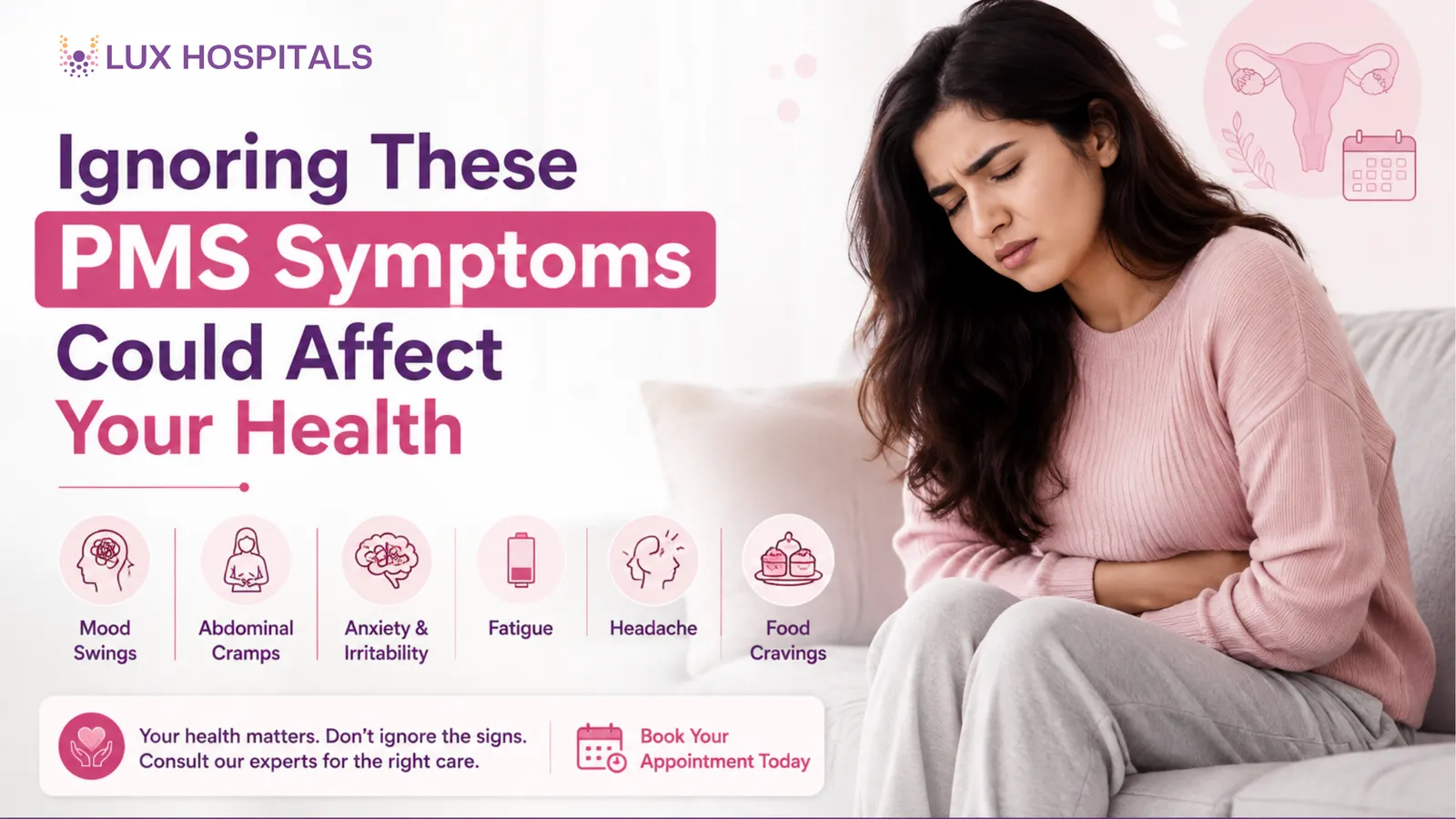
Premenstrual Syndrome (PMS) affects millions worldwide. Many see PMS as normal, but certain symptoms signal underlying health problems needing medical care. Ignoring these can harm physical health, emotions, relationships, and productivity. At Lux Hospitals, our women’s health professionals help patients identify, manage, and treat troublesome PMS symptoms before they affect their long-term health. Understanding which […]
Premenstrual Syndrome (PMS) affects millions worldwide. Many see PMS as normal, but certain symptoms signal underlying health problems needing medical care. Ignoring these can harm physical health, emotions, relationships, and productivity. At Lux Hospitals, our women’s health professionals help patients identify, manage, and treat troublesome PMS symptoms before they affect their long-term health. Understanding which symptoms require attention might help women make more educated healthcare decisions and improve their quality of life.
PMS Symptoms refer to a group of physical, emotional, and behavioural changes that occur before menstruation. These symptoms typically appear one to two weeks before a period and improve once menstruation begins. While mild symptoms are common, severe or persistent PMS Symptoms may indicate hormonal imbalances, nutritional deficiencies, thyroid disorders, or reproductive conditions and should not be ignored.
Understanding the difference between normal and concerning PMS Symptoms is the first step toward protecting your health.
Many women normalise discomfort despite significant symptoms. However, persistent or severe PMS Symptoms can harm overall health and may signal an underlying issue.
Ignoring symptoms may lead to:
Contact Lux Hospitals for early evaluation. We identify the cause and offer effective treatment.
Emotional changes are among the most common PMS Symptoms, but extreme mood disturbances should not be overlooked.
Women should seek professional evaluation if they experience:
In some cases, severe PMS Symptoms may indicate Premenstrual Dysphoric Disorder (PMDD), a condition that significantly affects emotional well-being and daily functioning.
Proper diagnosis can help women receive the support and treatment they need.
Feeling slightly tired before a period is common. However, overwhelming fatigue is one of the PMS Symptoms that should never be ignored.
Persistent exhaustion may be associated with:
Women unable to perform daily chores due to exhaustion should seek medical help. Addressing these issues can benefit overall well-being.
Many women assume menstrual pain is unavoidable. However, severe cramps are among the PMS Symptoms that may indicate an underlying gynaecological condition.
Persistent pelvic pain may be associated with:
Women who experience pain that disrupts work, sleep, or daily activities should seek evaluation promptly.
Early diagnosis can prevent complications and improve long-term reproductive health.
Heavy menstrual bleeding is one of the most overlooked PMS Symptoms. Excessive blood loss can lead to anaemia and other health complications.
Women should consult a specialist if they:
Heavy bleeding may result from hormonal changes, fibroids, polyps, or other reproductive health concerns.
Untreated heavy bleeding may cause:
Prompt treatment can help prevent these complications and restore overall wellness.
Certain physical PMS Symptoms may indicate underlying health concerns and should not be ignored.
Frequent headaches before menstruation may be linked to hormonal fluctuations and migraines.
Excessive bloating can affect comfort, appetite, and daily activities.
Persistent tenderness, swelling, or unusual breast changes should be evaluated by a healthcare professional.
Difficulty sleeping may worsen other PMS Symptoms, including fatigue, irritability, and anxiety.
Recognising these signs early can help women receive timely treatment and avoid unnecessary discomfort.
At Lux Hospitals, we provide comprehensive women’s healthcare focused on identifying and treating the root causes of PMS Symptoms.
Our approach includes:
Every woman experiences PMS differently, so individualised care is essential for effective management.
Women can often improve mild PMS Symptoms through healthy lifestyle choices.
These simple lifestyle modifications can significantly improve symptom control and overall well-being.
Seek medical attention if your PMS Symptoms:
At Lux Hospitals, our experienced specialists can determine whether symptoms are related to PMS or another underlying health condition.
While mild PMS Symptoms are common, severe or persistent symptoms should never be ignored. Mood changes, excessive fatigue, severe pain, and heavy bleeding can indicate underlying health issues that require professional evaluation. Early diagnosis and treatment can significantly improve the quality of life and prevent future complications. Lux Hospitals is committed to providing expert, compassionate care for women experiencing troublesome PMS Symptoms. If your symptoms are affecting your daily life, our specialists are here to help you find lasting relief and better health.
The most common PMS Symptoms include mood swings, bloating, headaches, fatigue, breast tenderness, food cravings, and abdominal cramps. These symptoms usually occur before menstruation and improve once the period begins. However, severe symptoms may require medical evaluation and treatment.
PMS Symptoms become concerning when they interfere with work, relationships, sleep, or daily activities. Severe pain, heavy bleeding, extreme mood changes, or worsening symptoms each month should never be ignored. Consulting a healthcare professional can help identify any underlying conditions.
Yes, hormonal fluctuations can result in anxiety, rage, despair, and emotional instability. Some women can develop Premenstrual Dysphoric Disorder (PMDD), which causes severe emotional symptoms. Proper diagnosis and therapy can improve mental and emotional health.
Lux Hospitals provides personalised treatment plans based on each patient's symptoms and medical history. Our specialists perform detailed evaluations, hormonal assessments, lifestyle counselling, and advanced diagnostics to identify the root cause. Treatment aims to improve comfort, health, and overall quality of life.
Lux Hospitals provides comprehensive women's healthcare, including competent gynaecologists, advanced testing facilities, and patient-centred care. We prioritise early diagnosis, effective symptom management, and long-term well-being. Our staff is dedicated to helping women improve their reproductive and hormonal health.
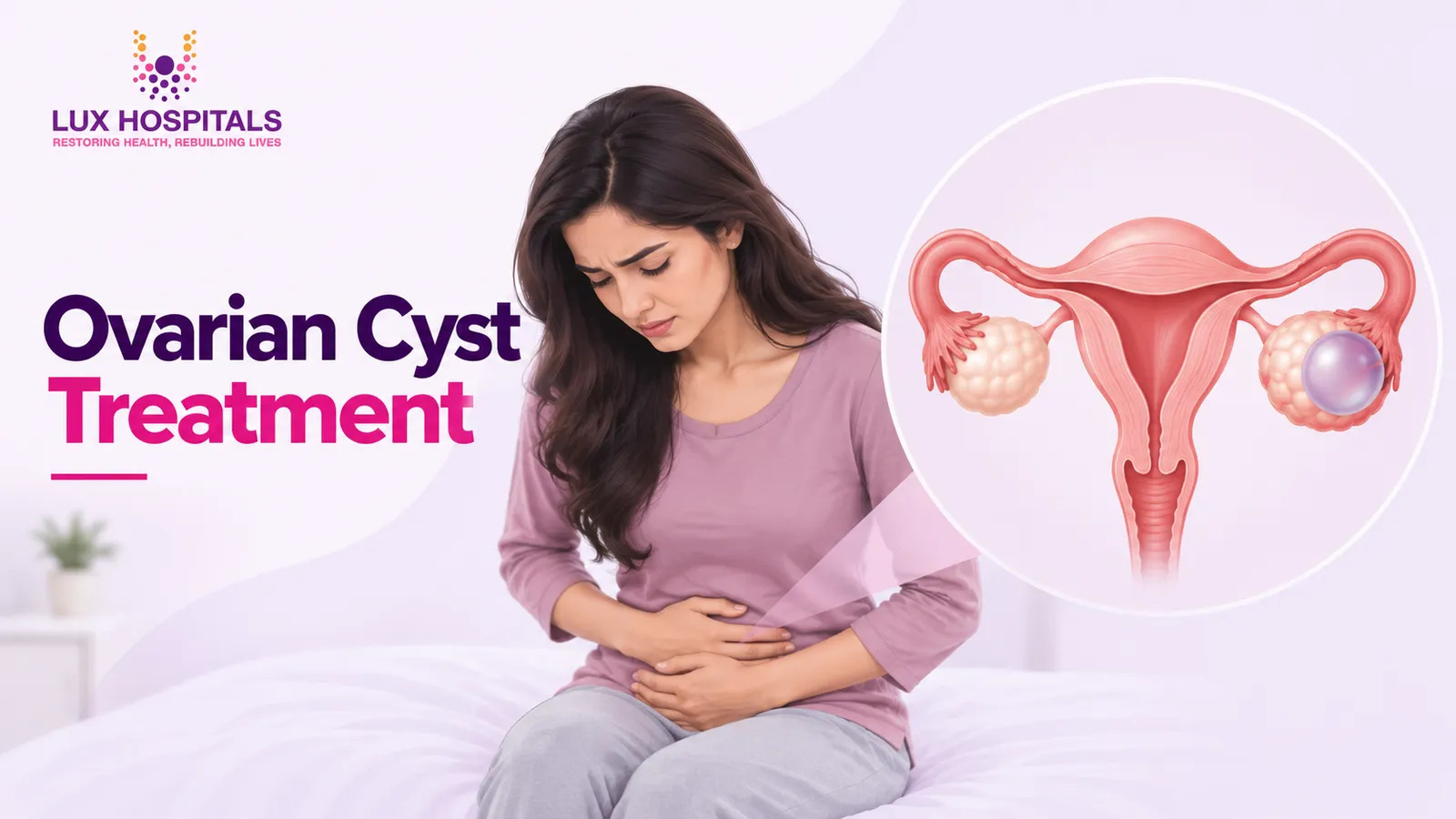
An ovarian cyst that remains on repeat scans does not automatically mean that surgery is needed. Many ovarian cysts are benign and may disappear without treatment. Your gynaecologist will consider the cyst’s size, appearance, symptoms, age, menstrual status, and whether it changes over time when deciding whether to monitor or treat. Being told that an […]
14 October 2026
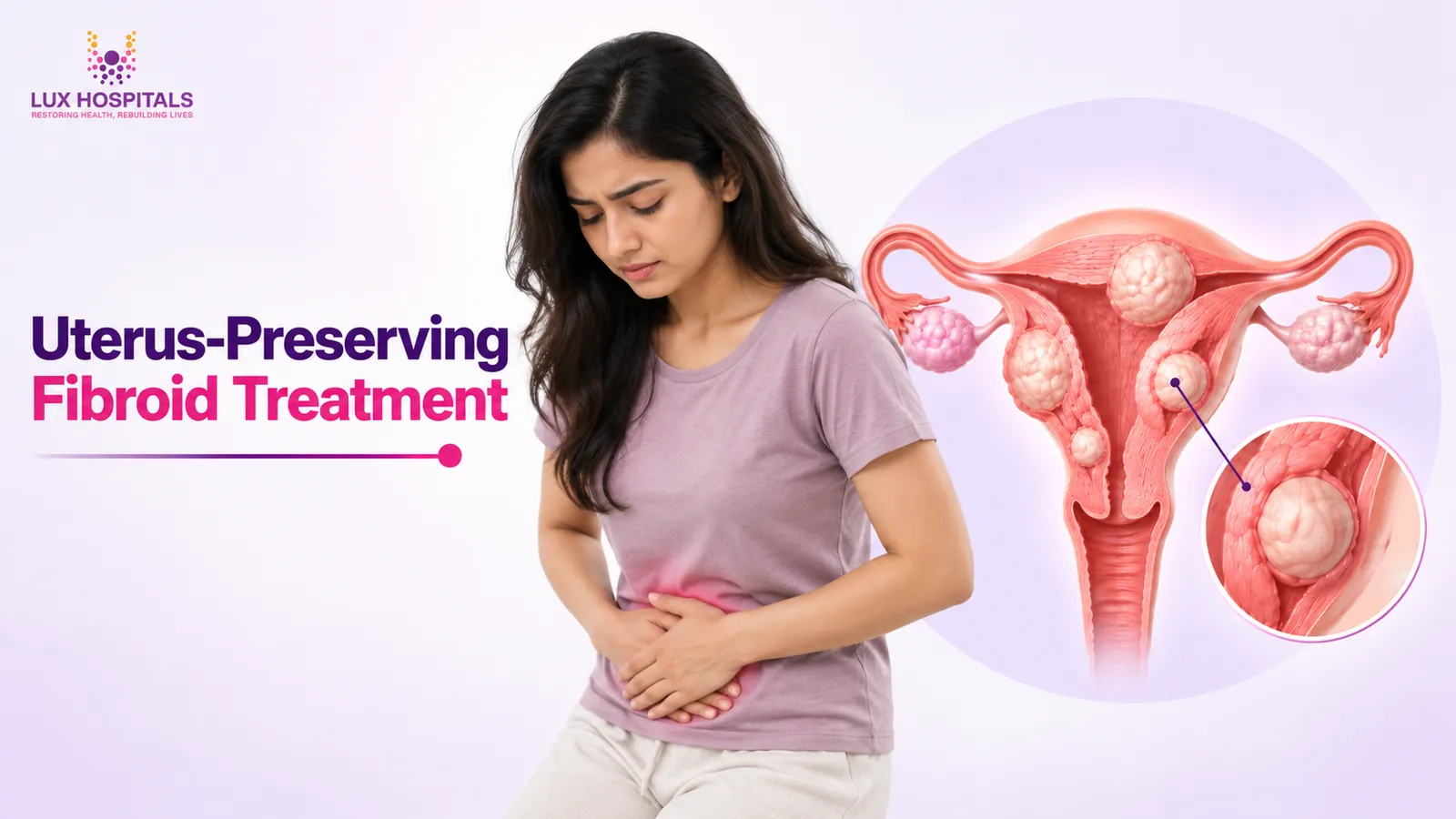
Uterus-preserving fibroid treatment may be considered when a woman wants to manage fibroids while keeping the uterus for future pregnancy. The right option depends on the fibroid’s size, number, location, symptoms, effect on the uterine cavity, age, fertility plans and overall health. Myomectomy is one uterus-preserving option. Fibroid location and whether the uterine cavity is […]
12 October 2026
Heavy periods might influence your energy, work, sleep, emotions, and daily routine. While some women may experience less bleeding after taking medication, symptoms may occasionally persist or recur. Rather than continuing to self-medicate, persistent severe bleeding should be properly evaluated by a gynaecologist. If you are looking for heavy periods treatment in Hyderabad, your next […]
6 October 2026
Send your reports across and a senior surgeon will review them, explain the options and tell you honestly whether surgery is the right call.
Plot No.116, Lumbini Avenue, HITEC CITY, Near IKEA, Hyderabad – 500032