Dr. Samhitha Reddy
Consultant Proctologist & Laparoscopic Surgeon
MBBS, MS, FMAS, FISCP, DMAS
- 8 Yrs
- ASCRS Member
By Dr Harshita Kakarla · MBBS, MS, FMAS 19 January 2026 3 min read Updated 7 August 2026
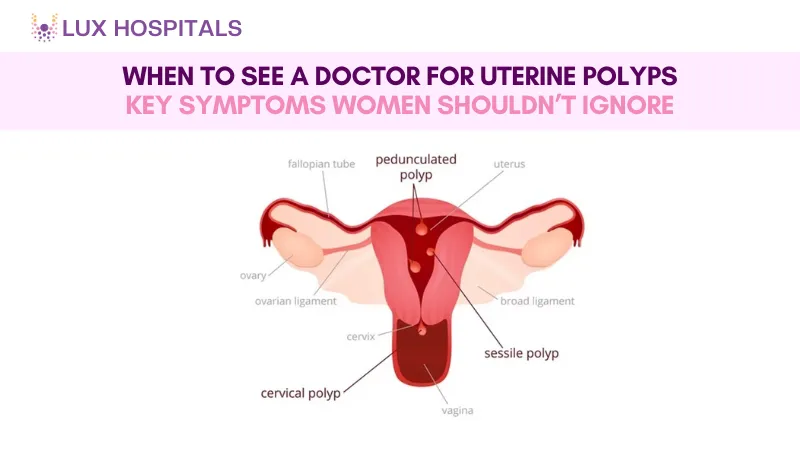
Because they believe irregular menstruation symptoms are transient, many women ignore them. However, uterine polyps, a frequent gynecological issue, may be indicated by changes in bleeding patterns. These uterine growths are often not malignant, but if left untreated, they can interfere with everyday living and fertility. Maintaining reproductive health requires prompt medical attention and early […]
Because they believe irregular menstruation symptoms are transient, many women ignore them. However, uterine polyps, a frequent gynecological issue, may be indicated by changes in bleeding patterns. These uterine growths are often not malignant, but if left untreated, they can interfere with everyday living and fertility. Maintaining reproductive health requires prompt medical attention and early awareness. At Lux Hospital, women receive expert evaluation and personalized treatment for Uterine Polyps, ensuring long-term well-being and peace of mind.
Uterine Polyps are abnormal tissue growths that form from the uterine lining, also known as the endometrium. They can range from a few millimeters to several centimeters in size and may appear alone or in groups.
Uterine polyps can cause mild to severe symptoms. Early detection of these symptoms can help avoid problems.
A warning indicator of uterine polyps or other disorders that need to be evaluated right away is postmenopausal bleeding.
Large polyps may cause discomfort, cramping, or a feeling of pressure in the lower abdomen.
Uterine Polyps may block implantation or increase miscarriage risk, making conception difficult.
The exact cause of Uterine Polyps is not fully understood, but hormonal changes play a major role.
You should consult a gynecologist if symptoms persist or worsen over time. Medical attention is necessary when:
Lux Hospital specialists use advanced diagnostic methods to identify Uterine Polyps early and recommend appropriate treatment.
A precise diagnosis is necessary for efficient treatment.
The size of the polyp, future pregnancy plans, and symptoms all influence the course of treatment.
Untreated Uterine Polyps can lead to:
Timely care significantly reduces these risks.
Women can seek prompt medical attention and prevent complications by being aware of the symptoms of uterine polyps. Reproductive results and quality of life are enhanced by early diagnosis and proper treatment. Lux Hospital, which provides skilled gynecological treatments, advanced technology, and compassionate care, is still a reliable choice for women’s healthcare. The experts at Lux Hospital are available to assist you on your path to improved health if you suspect uterine polyps.
Hormonal imbalances, particularly high amounts of estrogen, are the primary cause of uterine polyps. They are more prevalent during menopause or perimenopause. Certain drugs and obesity can raise the risk.
Most uterine polyps are benign and non-cancerous. A small percentage may show precancerous or cancerous changes. Risk is higher in postmenopausal women.
Small uterine polyps may shrink naturally over time. However, symptomatic polyps usually persist. Medical evaluation helps determine proper management.
Uterine polyps can obstruct the implantation of an embryo. They may result in repeated miscarriages or infertility. Pregnancy outcomes are frequently improved by removal.
Removal is done using minimally invasive hysteroscopy. The procedure is performed under anesthesia. Most women recover quickly with minimal discomfort.
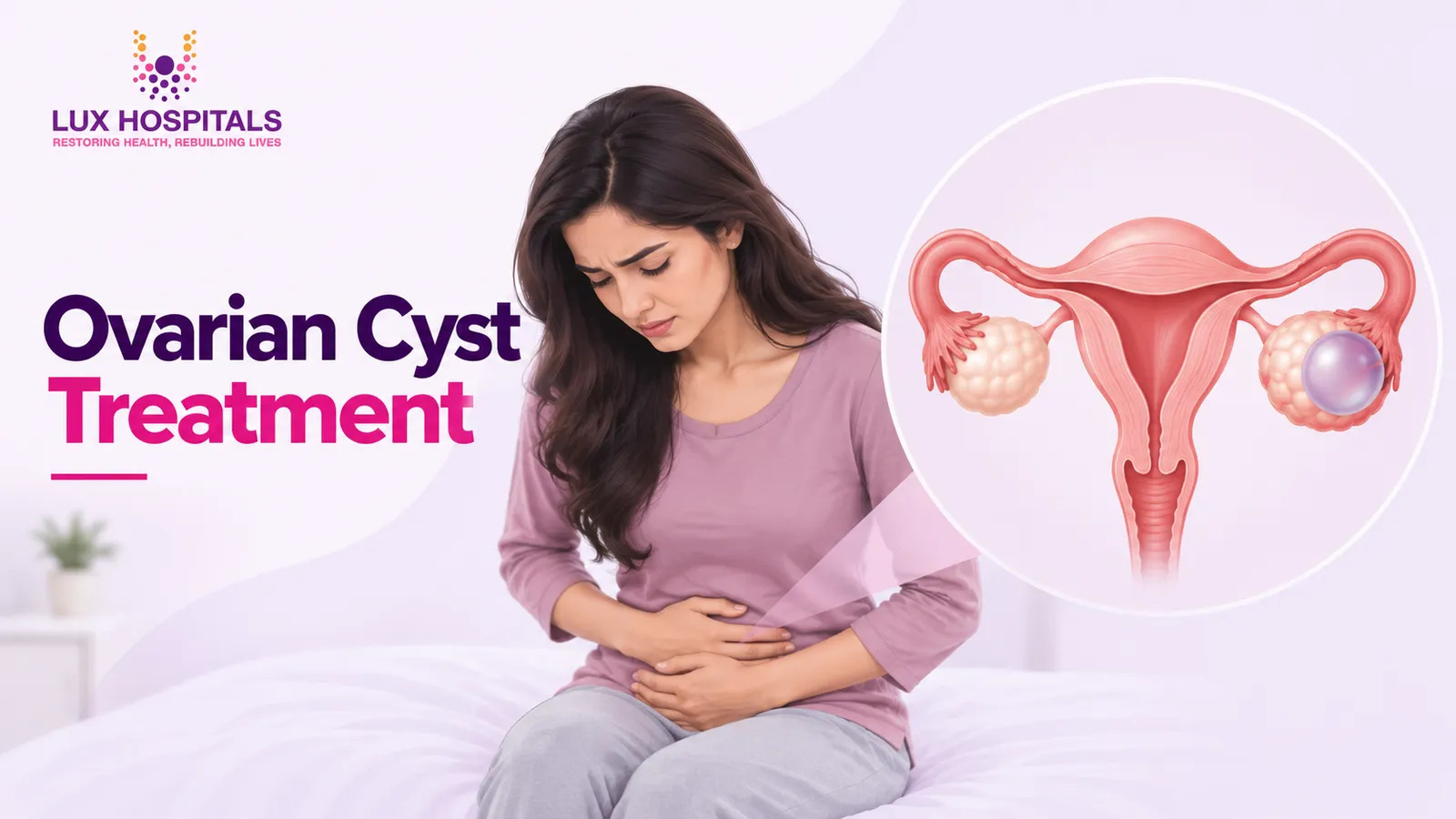
An ovarian cyst that remains on repeat scans does not automatically mean that surgery is needed. Many ovarian cysts are benign and may disappear without treatment. Your gynaecologist will consider the cyst’s size, appearance, symptoms, age, menstrual status, and whether it changes over time when deciding whether to monitor or treat. Being told that an […]
14 October 2026
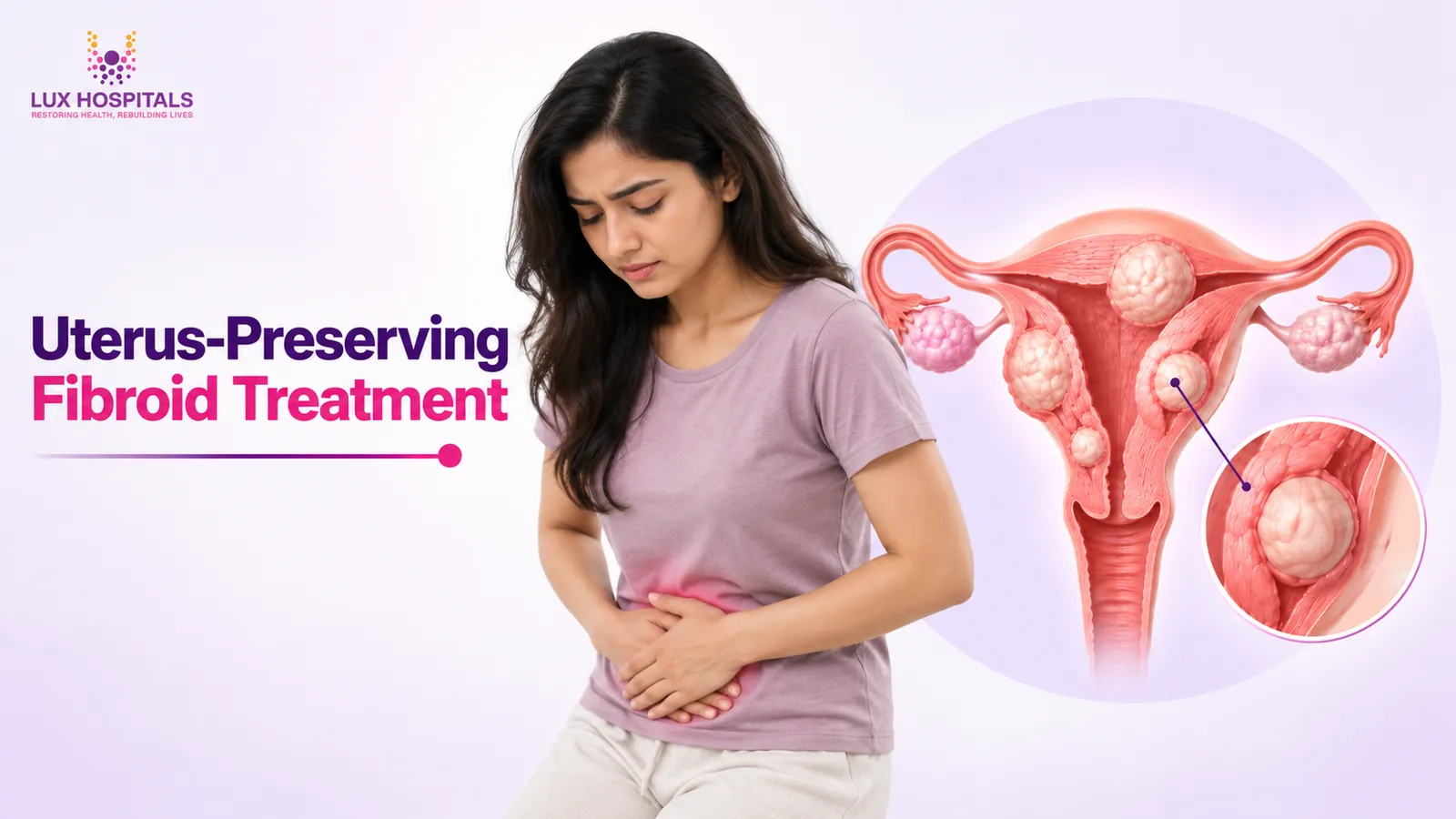
Uterus-preserving fibroid treatment may be considered when a woman wants to manage fibroids while keeping the uterus for future pregnancy. The right option depends on the fibroid’s size, number, location, symptoms, effect on the uterine cavity, age, fertility plans and overall health. Myomectomy is one uterus-preserving option. Fibroid location and whether the uterine cavity is […]
12 October 2026
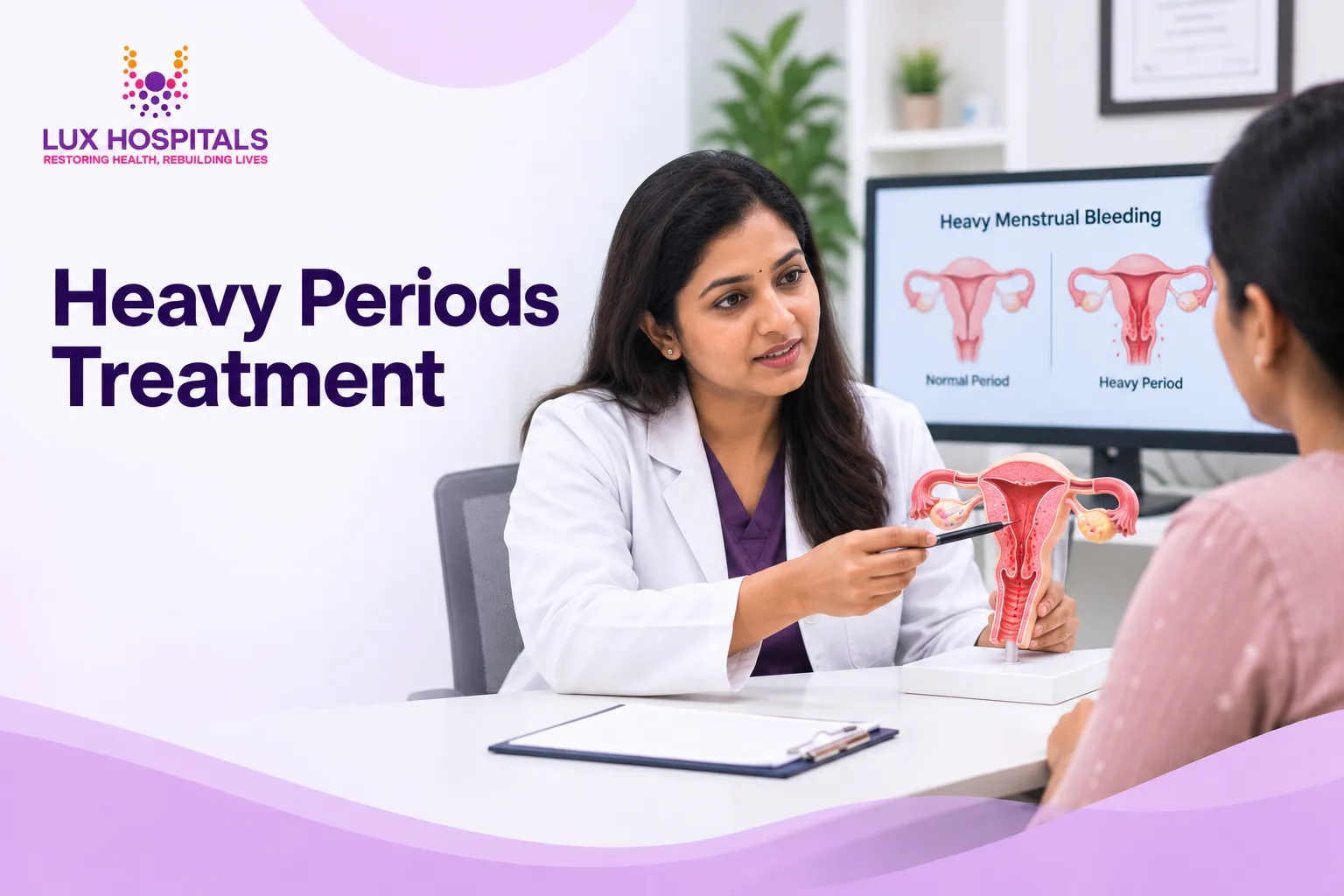
Heavy periods might influence your energy, work, sleep, emotions, and daily routine. While some women may experience less bleeding after taking medication, symptoms may occasionally persist or recur. Rather than continuing to self-medicate, persistent severe bleeding should be properly evaluated by a gynaecologist. If you are looking for heavy periods treatment in Hyderabad, your next […]
6 October 2026
Send your reports across and a senior surgeon will review them, explain the options and tell you honestly whether surgery is the right call.
Plot No.116, Lumbini Avenue, HITEC CITY, Near IKEA, Hyderabad – 500032