
Dr. Samhitha Reddy
Consultant Proctologist & Laparoscopic Surgeon
MBBS, MS, FMAS, FISCP, DMAS
- 8 Yrs
- ASCRS Member
By Dr Sai kishan Sirasala · MBBS, MS. Orthopedics, FIJR, FIASM ( UK ) 20 November 2026 6 min read
Medically reviewed by Dr Sai kishan Sirasala · MBBS, MS. Orthopedics, FIJR, FIASM ( UK ) 20 November 2026
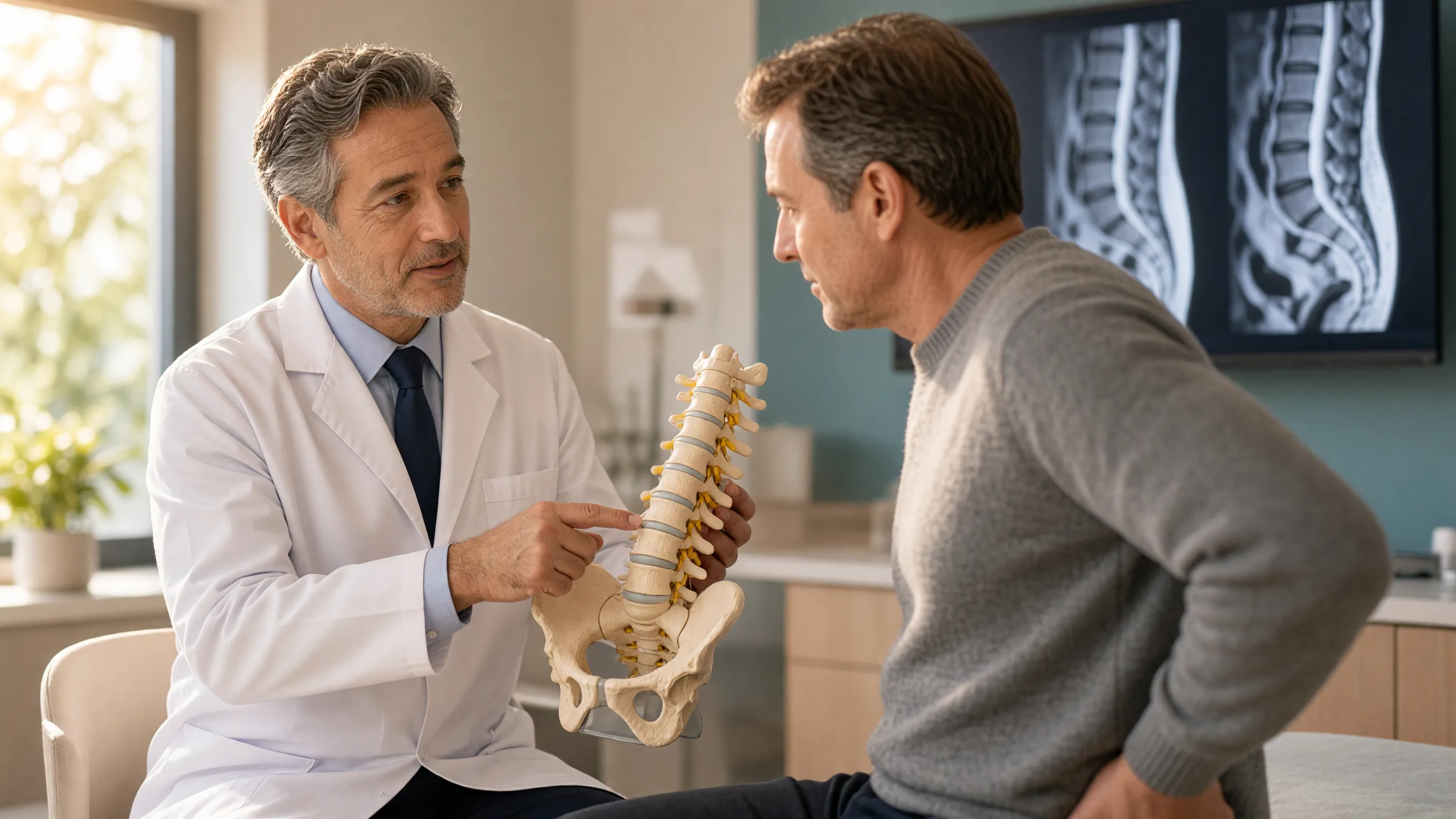
Most people with sciatica do not need spine surgery and improve with conservative sciatica treatment such as activity changes, medicines, and physiotherapy. Surgery is usually considered only when pain persists despite good care, nerve weakness worsens, or emergency signs like bladder or bowel changes appear. In this guide, you will learn what sciatica is and what causes it. We explain non-surgical options, the clear signs that point toward an operation, and how specialists diagnose the problem. You will also find surgical options, recovery tips, and how Lux Hospitals can help.
Sciatica is nerve pain that travels along the sciatic nerve, from the lower back through the buttock and down one leg. It is a symptom of an underlying problem, not a disease on its own.
The sciatic nerve is the longest nerve in the body. Sciatica typically:
When the nerve roots in the lower spine are pressed or irritated, pain can shoot all the way to the foot.
Sciatica develops when something presses on or irritates the sciatic nerve roots. Finding the exact cause guides the right sciatica treatment.
Common causes include:
A herniated disc is the most frequent culprit, and many cases settle with slip disc treatment alone. When a tight buttock muscle irritates the nerve, doctors call it piriformis syndrome.
Sciatica pain can range from a mild ache to a sharp, burning jolt. It often worsens with sitting, coughing, or sneezing.
You may notice:
Mild symptoms are common. However, numbness or weakness that keeps spreading deserves prompt medical review.
Struggling with leg pain? Book a spine consultation at Lux Hospitals today.
For most patients, conservative care is the first step. Many people improve within a few weeks to a few months without an operation.
Common non-surgical approaches include:
Guided physiotherapy treatment strengthens core muscles and eases nerve pressure. Staying gently active usually helps more than strict bed rest.
A careful assessment confirms the cause before a treatment plan is set. Not every patient needs a scan straight away.
Your evaluation may include:
Imaging is usually advised when symptoms persist, worsen, or surgery is being considered.
Surgery is usually considered when conservative care has not helped for about 6 to 12 weeks. The decision depends on your symptoms, scan findings, and daily function.
Your spine specialist may recommend surgery if you have:
In suitable patients, surgery can bring faster leg pain relief. The final choice is always shared between you and your surgeon.
Unsure if you need surgery? Get an expert second opinion at Lux Hospitals.
Rarely, a large disc herniation compresses the bundle of nerves at the base of the spine. This condition, called cauda equina syndrome, needs urgent surgery.
Seek emergency care if you notice:
Early decompression gives the best chance of protecting nerve function. Do not wait for a routine appointment if these signs appear.
Modern spine surgery aims to relieve nerve pressure with minimal damage to healthy tissue. Many procedures use small incisions and allow early walking.
Common procedures include:
Laminectomy is often part of spinal stenosis treatment, while microdiscectomy suits most disc herniations. Your surgeon chooses based on the exact cause and your overall health.
Recovery depends on the procedure and your fitness before surgery. Many patients notice leg pain easing soon after a successful decompression.
Typical recovery steps include:
Numbness and weakness may take longer to improve than pain. Following your rehab plan helps lower the risk of recurrence.
Plan a safe, guided recovery with the spine team at Lux Hospitals.
Healthy habits protect your spine, whether or not you have had surgery. Small daily changes can reduce strain on your discs.
Helpful prevention tips include:
Consistency matters more than intensity. Gentle, regular movement keeps your back strong and flexible.
At Lux Hospitals, sciatica treatment follows a step-by-step approach. Surgery is recommended only when it is truly needed.
Patients choose us for:
Our goal is to relieve your pain and help you return to everyday life safely.
Don't let sciatica control your life. Consult the spine experts at Lux Hospitals today.
Sciatica can be painful and frustrating, but the outlook is usually good. Most people recover with time, physiotherapy, and medicines, so surgery is rarely the first step. Spine surgery becomes a sensible option when severe pain lasts beyond several weeks, weakness keeps worsening, or emergency signs appear.
If you are weighing your options, learning about spine surgery procedures and benefits can help you ask better questions. A specialist can match your symptoms with scan findings and explain every choice clearly. At Lux Hospitals, our spine team offers conservative-first sciatica treatment and advanced surgery when it is truly needed. Book a consultation today and take the first step toward lasting relief.
Yes. Most people with sciatica improve without surgery through activity changes, medicines, and physiotherapy. Symptoms often ease within weeks to a few months. A specialist can monitor your progress and advise if further treatment becomes necessary.
Doctors generally recommend about 6 to 12 weeks of conservative care before considering surgery. However, worsening weakness, foot drop, or bladder and bowel changes need urgent evaluation, regardless of how long you have had symptoms.
Microdiscectomy is one of the most common procedures for sciatica caused by a herniated disc. The surgeon removes the disc fragment pressing on the nerve through a small incision, and many patients walk soon after surgery.
Usually not, but some signs are emergencies. Numbness in the groin, loss of bladder or bowel control, or weakness in both legs may indicate cauda equina syndrome. Seek emergency care immediately if these symptoms appear.
Not always. Many cases are diagnosed through history and examination alone. An MRI is usually advised when pain persists despite treatment, symptoms worsen, red flags appear, or surgery is being considered to plan the procedure.
It can, though many patients enjoy lasting relief. A disc can herniate again in some cases. Following your physiotherapy plan, maintaining healthy weight, and using safe lifting techniques help lower the risk of recurrence.
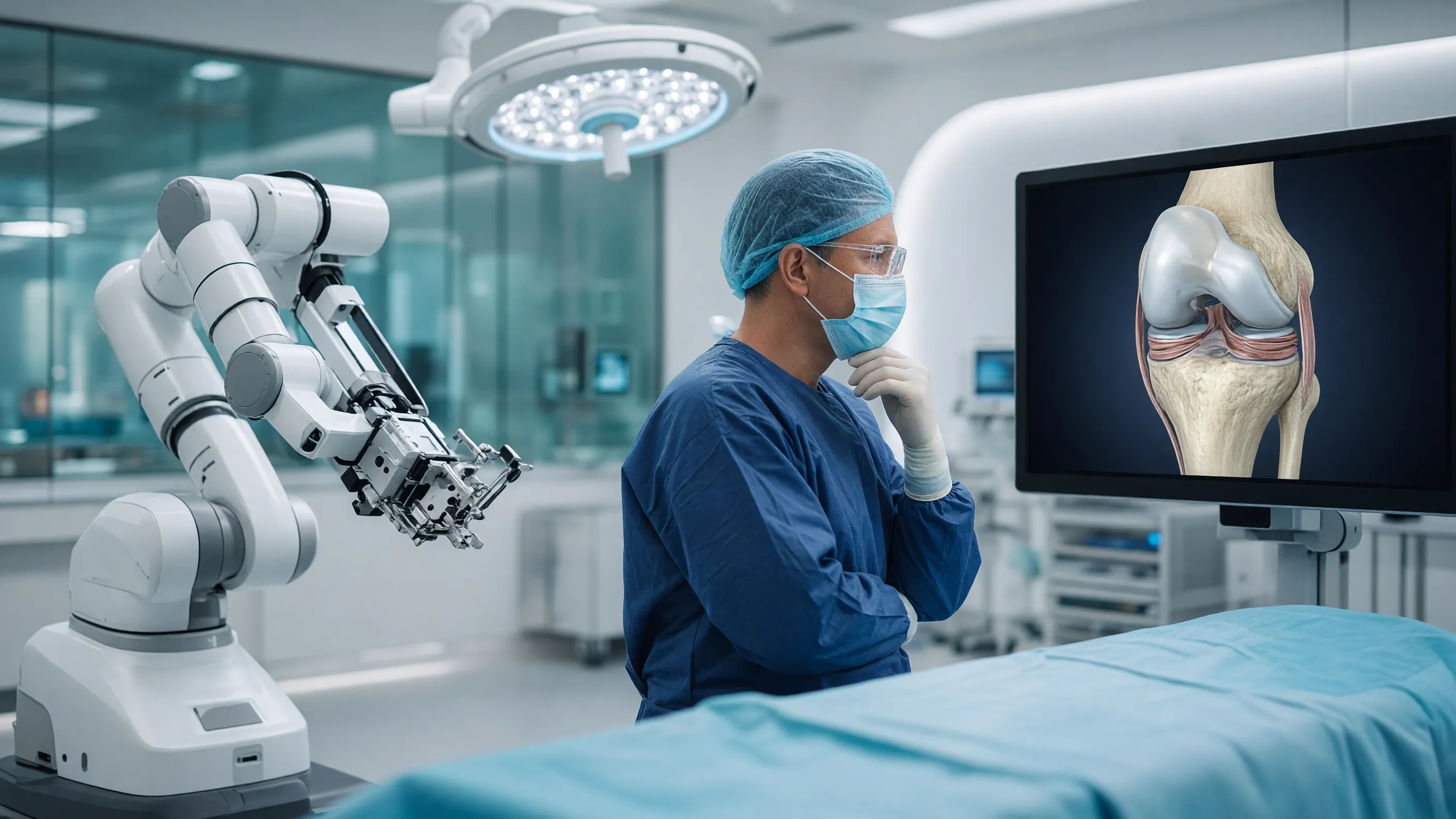
Robotic knee replacement is usually best for adults with moderate-to-severe knee arthritis whose pain and stiffness continue despite medicines, physiotherapy, or injections. Ideal candidates are healthy enough for surgery, committed to rehabilitation, and want precise, personalised implant placement. This guide explains what robotic-arm assisted knee surgery involves and the signs that you may qualify. It also covers who may not be suitable, how age, weight, and overall health affect eligibility, and how surgeons evaluate candidacy. Finally, you will learn what recovery looks like and how Lux Hospitals supports patients at every step of the journey.
24 November 2026

Cervical myelopathy symptoms usually begin subtly, with clumsy or numb hands, trouble with fine tasks like buttoning a shirt, and new unsteadiness while walking. These signs appear when the spinal cord in the neck is squeezed, most often by age-related wear and tear. Because the condition can slowly worsen, spotting it early really matters. In this guide, you will learn what cervical myelopathy is, its early and advanced warning signs, and the common causes and risk factors. We also explain how doctors diagnose it, which treatments are available, and when you should see a spine specialist.
16 November 2026

Dr Sai Kishan Sirasala is a Consultant Orthopaedic Surgeon at Lux Hospitals, Hyderabad. His clinical interests include joint replacement, arthroscopy, sports-related injuries and musculoskeletal conditions. He holds an MS in Orthopaedics and fellowships in arthroscopy, sports medicine, and joint replacement surgery. Lux Hospitals lists his experience as 8 years.
9 November 2026
Send your reports across and a senior surgeon will review them, explain the options and tell you honestly whether surgery is the right call.
Plot No.116, Lumbini Avenue, HITEC CITY, Near IKEA, Hyderabad – 500032