Dr. Samhitha Reddy
Consultant Proctologist & Laparoscopic Surgeon
MBBS, MS, FMAS, FISCP, DMAS
- 8 Yrs
- ASCRS Member
By Dr. M. Ram Prabhu · MBBS, MS, MCH (Plastic Surgery) 9 May 2025 3 min read Updated 8 December 2025
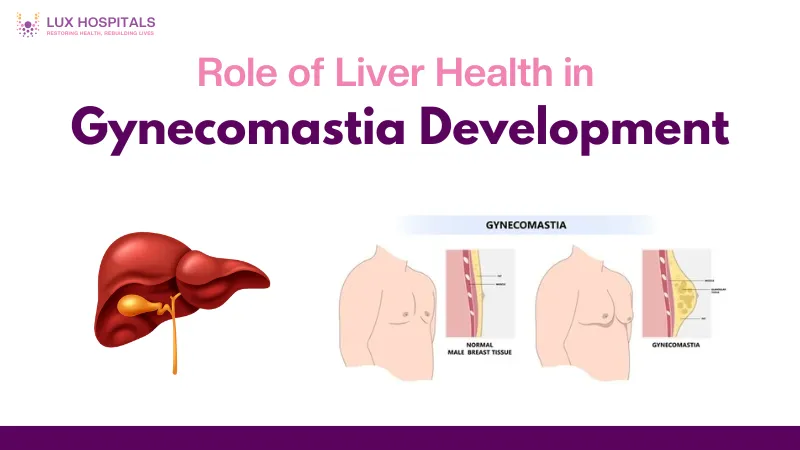
The liver is essential for controlling hormone levels, and when it malfunctions, it can cause gynecomastia and other health issues. Male breast tissue expansion is the result of this disorder, which is frequently caused by an imbalance between estrogen and testosterone. Gynecomastia can result from elevated estrogen levels caused by liver dysfunction. Early identification, efficient treatment, and prevention of associated health issues depend on understanding this relationship.
The liver helps maintain hormonal balance by breaking down and eliminating excess hormones. When the liver is damaged due to conditions like cirrhosis, hepatitis, or fatty liver disease, its ability to regulate hormones diminishes. As a result, there may be an imbalance that could result in gynecomastia, with testosterone levels declining and estrogen levels rising. Hyperestrogenism, a condition caused by chronic liver disease, often occurs, which significantly contributes to gynecomastia in men
Gynecomastia is the enlargement of glandular breast tissue in males caused by hormonal imbalances, primarily an increase in estrogen relative to testosterone. Unlike fat buildup from weight gain, gynecomastia is firm and often sensitive to the touch. It can affect one or both breasts and may be accompanied by tenderness or swelling.
Early indicators of gynecomastia are easy to miss since the hormonal imbalance in cases associated with liver failure is frequently gradual. Understanding this link can lead to immediate medical attention.
Several liver disorders are directly associated with the development of gynecomastia, including
Several liver disorders are directly associated with the development of gynecomastia, including
Men with liver cirrhosis have higher amounts of estrogen and changes in hormone metabolism. This change has a significant role in the development of gynecomastia. The degree of liver disease progression is frequently correlated with the size of breast growth.
Excessive alcohol damages the liver and disrupts testosterone production, encouraging estrogen dominance. As a result, gynecomastia can appear in long-term alcohol users. Alcohol also directly stimulates estrogen production in the liver.
These conditions impair liver function and disrupt hormone regulation. Long-standing inflammation or fat buildup in the liver may indirectly cause gynecomastia by interfering with typical hormone breakdown. Lifestyle changes can reduce both liver damage and symptoms of gynecomastia.
Symptoms of gynecomastia include:
Diagnosis typically involves physical examination, hormone testing, liver function tests, and imaging if necessary. Comprehensive testing is necessary to determine the underlying cause of gynecomastia because liver disease can conceal or mimic other disorders.
To lower your risk of developing gynecomastia due to liver problems:
A healthy liver helps maintain hormonal balance, reducing the likelihood of hormone-driven conditions like gynecomastia.
The connection between liver health and gynecomastia is significant and often overlooked. When the liver cannot properly regulate hormones, the resulting imbalance can lead to male breast enlargement. Recognizing this link can lead to earlier diagnoses and better outcomes. Treating liver disease is key to managing hormone levels and preventing gynecomastia. With proper care, many cases can be reversed or improved. Maintaining liver health is essential for overall hormonal balance and male wellness.
Yes, liver disease can lead to gynecomastia by disrupting hormone metabolism. This results in higher estrogen levels in men. The hormonal imbalance contributes to male breast enlargement.
Cirrhosis impairs the liver’s ability to break down hormones, especially estrogen. This leads to a hormonal imbalance that favors breast tissue growth. The likelihood of liver damage increases with its severity of Gynecomastia
Treating the underlying liver condition can often reduce or eliminate gynecomastia. If the liver begins to function normally, hormone levels may stabilize. However, chronic damage might require surgical correction.
The main hormones involved in lifestyle modifications, such as cutting back on alcohol consumption, can enhance gynecomastia. A rise in estrogen or a drop in testosterone can trigger breast tissue growth. Liver disease interferes with this delicate hormonal balance.
Yes, chronic alcohol use can raise estrogen levels and harm the liver. Gynecomastia is exacerbated by this, particularly in men who suffer from alcoholic liver disease. Reversing the condition can be achieved by reducing alcohol consumption.

Gynecomastia surgery requires an incision, so some scarring is expected. The scar’s size and location depend on how much tissue is removed and whether excess skin also needs treatment. Scars usually fade over time, but they don’t disappear completely. If you are thinking about gynecomastia surgery, you may already have questions about the result.
14 October 2026

Puffy nipples treatment starts with finding out why the nipple area looks enlarged or projects through clothing. During an assessment, a plastic surgeon examines the chest, nipple-areola area, and surrounding tissue checks for gynecomastia or excess fat; assesses chest asymmetry; and may recommend blood tests or imaging when clinically indicated.
11 October 2026

Losing excess weight can change your body shape significantly, but your chest may not become as flat or defined as you expect. Some men notice that breast fullness, a firm area beneath the nipple, or loose chest skin remains even after achieving a healthier weight.
4 October 2026
Send your reports across and a senior surgeon will review them, explain the options and tell you honestly whether surgery is the right call.
Plot No.116, Lumbini Avenue, HITEC CITY, Near IKEA, Hyderabad – 500032