Dr. Samhitha Reddy
Consultant Proctologist & Laparoscopic Surgeon
MBBS, MS, FMAS, FISCP, DMAS
- 8 Yrs
- ASCRS Member
By Dr. M. Ram Prabhu · MBBS, MS, MCH (Plastic Surgery) 28 April 2026 4 min read

Skin growths can be concerning, particularly if you notice an unusual lesion, lump, or bump. Fortunately, many of these growths are non-cancerous skin tumours, which are usually benign and curable. However, to avoid discomfort, aesthetic issues, and problems, early diagnosis and adequate treatment are crucial. In this detailed guide, we will explore the best treatment options for Non-Cancerous Skin Tumors, how they are diagnosed, and when you should seek expert medical care
Skin That Is Not Cancerous. Unusual growths of skin cells that do not spread to other parts of the body are called tumours. Another name for them is benign skin tumours. Genetics, sun exposure, ageing, infections, or blocked glands can all cause these growths.
Common types include:
While Non-Cancerous Skin Tumors are not life-threatening, they may cause discomfort, irritation, cosmetic concerns, or emotional distress. That is why proper evaluation by a skin specialist is important.
Even though Non-Cancerous Skin Tumors are usually harmless, you should consult a specialist if you notice:
Early consultation ensures that the growth is not mistaken for skin cancer and allows timely treatment
A dermatologist typically diagnoses Non-Cancerous Skin Tumors through:
The doctor carefully examines the size, texture, colour, and location of the growth.
A special magnifying device helps examine skin layers more clearly.
If needed, a small tissue sample is taken to confirm the diagnosis and rule out malignancy.
Accurate diagnosis ensures the right treatment plan tailored to your condition.
Not all non-malignant skin tumours require immediate treatment. Your doctor may suggest monitoring the tumour over time if it is small, painless, and not growing
Not every non-cancerous skin tumour needs to be treated right away. Should the tumour be small, painless, and not expanding, your physician might advise tracking it over time.
Regular follow-ups help ensure the tumour remains benign.
One of the most effective treatments for non-cancerous skin tumours is surgical excision. Under local anaesthesia, the entire tumour is removed during the treatment.
Benefits:
Surgical excision works well for lipomas, cysts, and larger growths.
Laser therapy offers a modern, minimally invasive approach for certain Non-Cancerous Skin Tumours, such as skin tags, warts, and superficial lesions.
Advantages:
Laser treatment is ideal for patients concerned about cosmetic results.
Liquid nitrogen is used in cryotherapy to freeze and kill aberrant tissue. It is frequently applied to minor, superficial non-cancerous skin tumours and warts.
Key benefits:
Some patients may need multiple sessions for complete removal.
Electrocautery uses controlled electrical heat to burn and remove the growth. This method works well for small Non-Cancerous Skin Tumors such as skin tags and certain benign lesions.
Why choose it?
It is often combined with curettage for better results.
Some Non-Cancerous Skin Tumors, especially warts, respond to topical medications or oral treatments.
Options may include:
Medication works best for early or small growths.
Modern dermatology offers advanced minimally invasive techniques that reduce downtime and improve cosmetic outcomes.
These treatments:
Choosing the right approach depends on the type of Non-Cancerous Skin Tumors you have.
Although Non-Cancerous Skin Tumors are not cancerous, ignoring them may lead to:
Timely evaluation provides peace of mind and prevents complications
While not all Non-Cancerous Skin Tumors are preventable, you can reduce risk by:
Early detection makes treatment easier and less invasive.
You should consult a Plastic and Cosmetic Surgeon if:
Expert assessment ensures safe and effective management of Non-Cancerous Skin Tumors.
Living with Non-Cancerous Skin Tumors can cause anxiety, discomfort, and cosmetic concerns, but modern medicine offers safe and effective solutions. From simple observation to advanced laser therapy and surgical excision, treatment options are highly personalised. Our skilled dermatology team at Lux Hospital uses advanced technology and patient-centred care to provide thorough diagnosis and advanced treatment for non-cancerous skin tumours. To guarantee the greatest results, we prioritise safety, accuracy, and aesthetic quality. Make an appointment for your consultation at Lux Hospital right now to start along the path to clearer, healthier skin.
Non-cancerous skin tumours are generally harmless and do not spread to other organs, but they can cause discomfort, infection, or cosmetic concerns if left untreated. Some benign tumours may resemble malignant ones, making professional evaluation essential.
Non-cancerous skin tumours do not always require removal if they are small, painless, and stable in size. However, doctors may recommend removal if the tumour grows rapidly, causes pain, becomes infected, or creates cosmetic concerns. Surgical and minimally invasive options offer safe and effective solutions.
Most Non-Cancerous Skin Tumors do not turn into cancer, as they remain localised and non-invasive. However, some skin growths may initially appear benign but later show suspicious changes. Regular monitoring and professional skin checks help detect any abnormal transformation early.
The fastest way to remove Non-Cancerous Skin Tumors often involves minor surgical excision or laser therapy performed under local anaesthesia. These procedures typically take less than an hour and allow same-day discharge.
Laser treatment is a safe and effective option for selected Non-Cancerous Skin Tumours, particularly for superficial lesions such as skin tags and warts. It precisely targets abnormal tissue while preserving surrounding healthy skin.
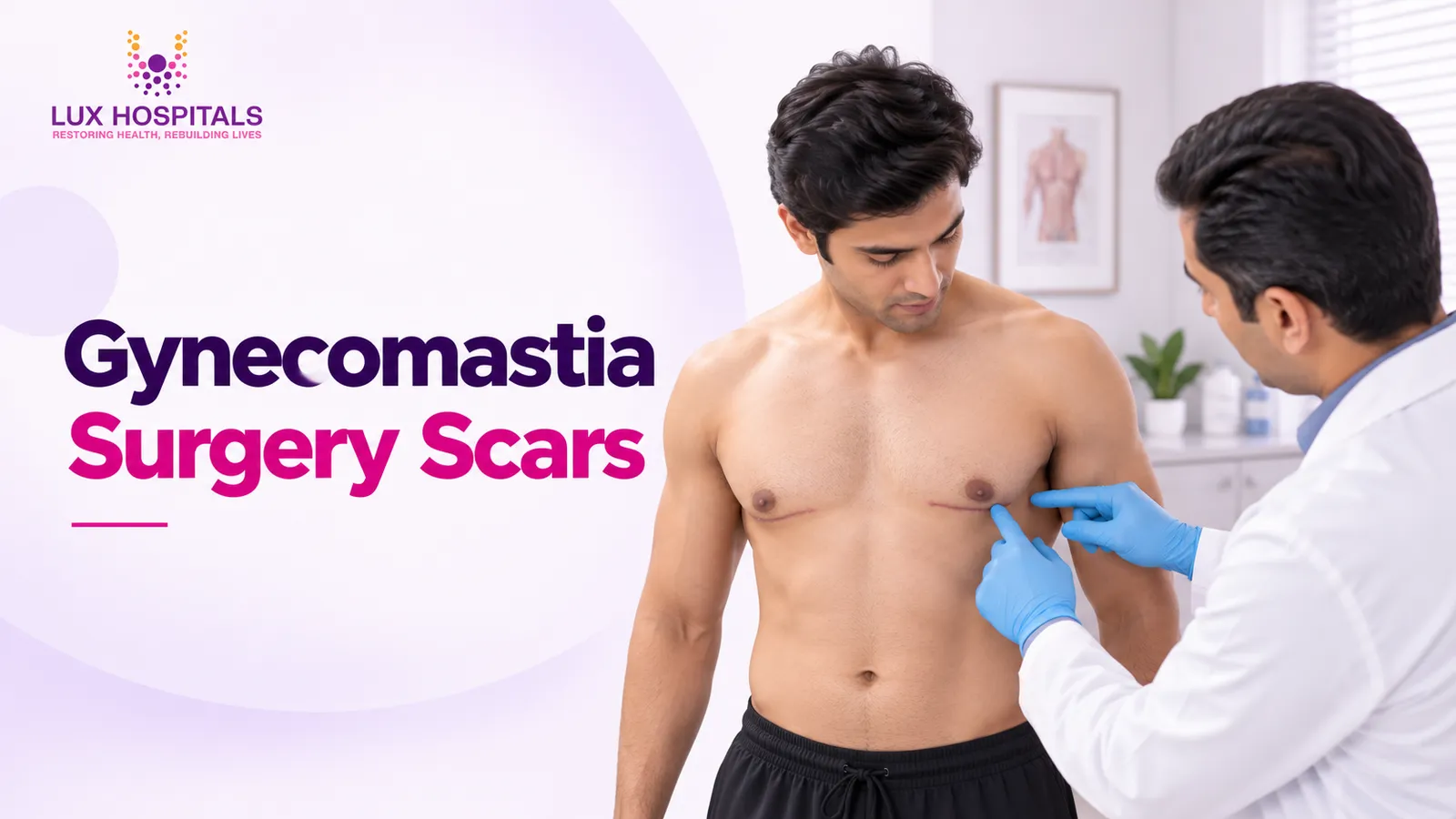
Gynecomastia surgery requires an incision, so some scarring is expected. The scar’s size and location depend on how much tissue is removed and whether excess skin also needs treatment. Scars usually fade over time, but they don’t disappear completely. If you are thinking about gynecomastia surgery, you may already have questions about the result.
14 October 2026
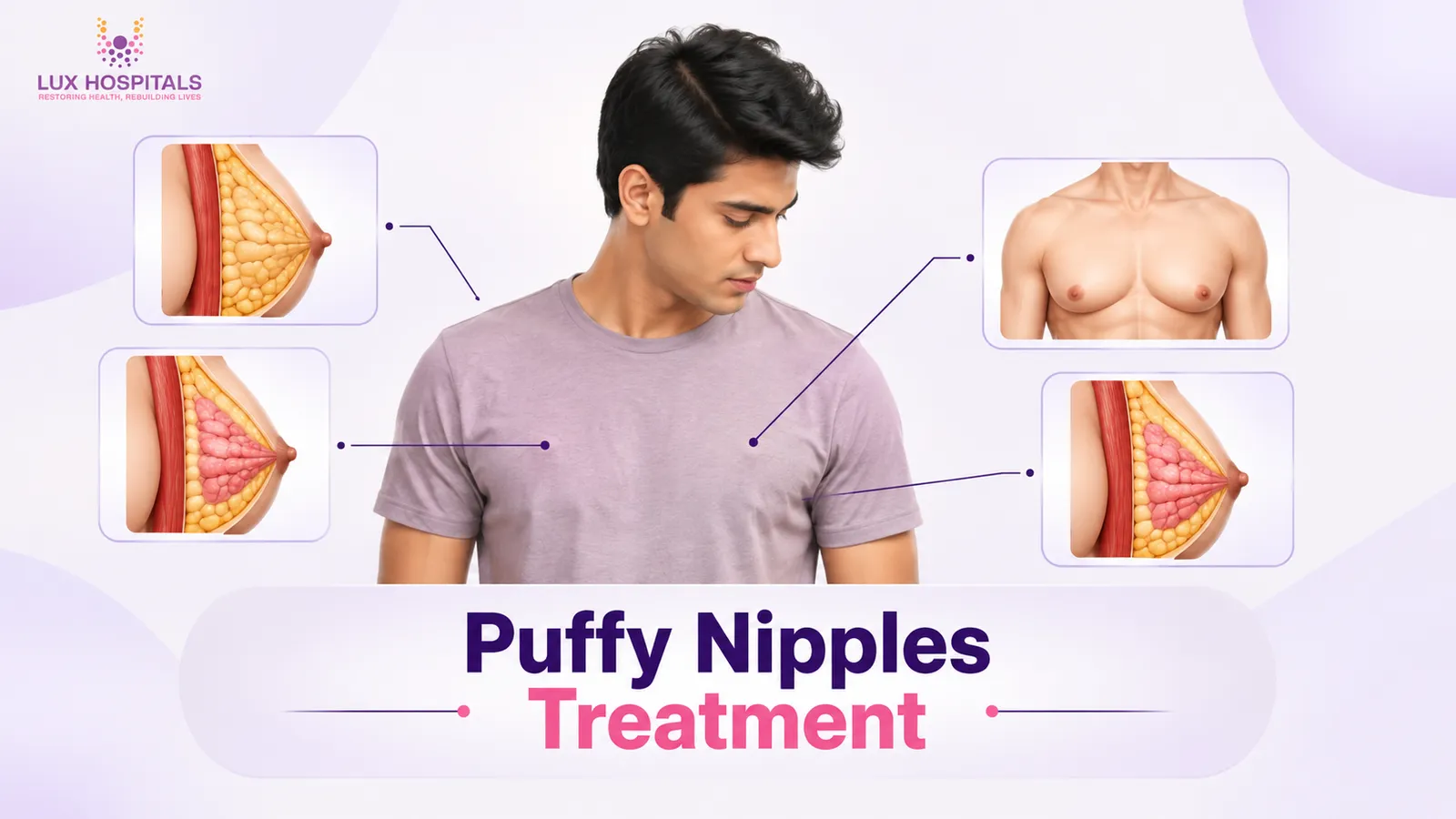
Puffy nipples treatment starts with finding out why the nipple area looks enlarged or projects through clothing. During an assessment, a plastic surgeon examines the chest, nipple-areola area, and surrounding tissue checks for gynecomastia or excess fat; assesses chest asymmetry; and may recommend blood tests or imaging when clinically indicated.
11 October 2026
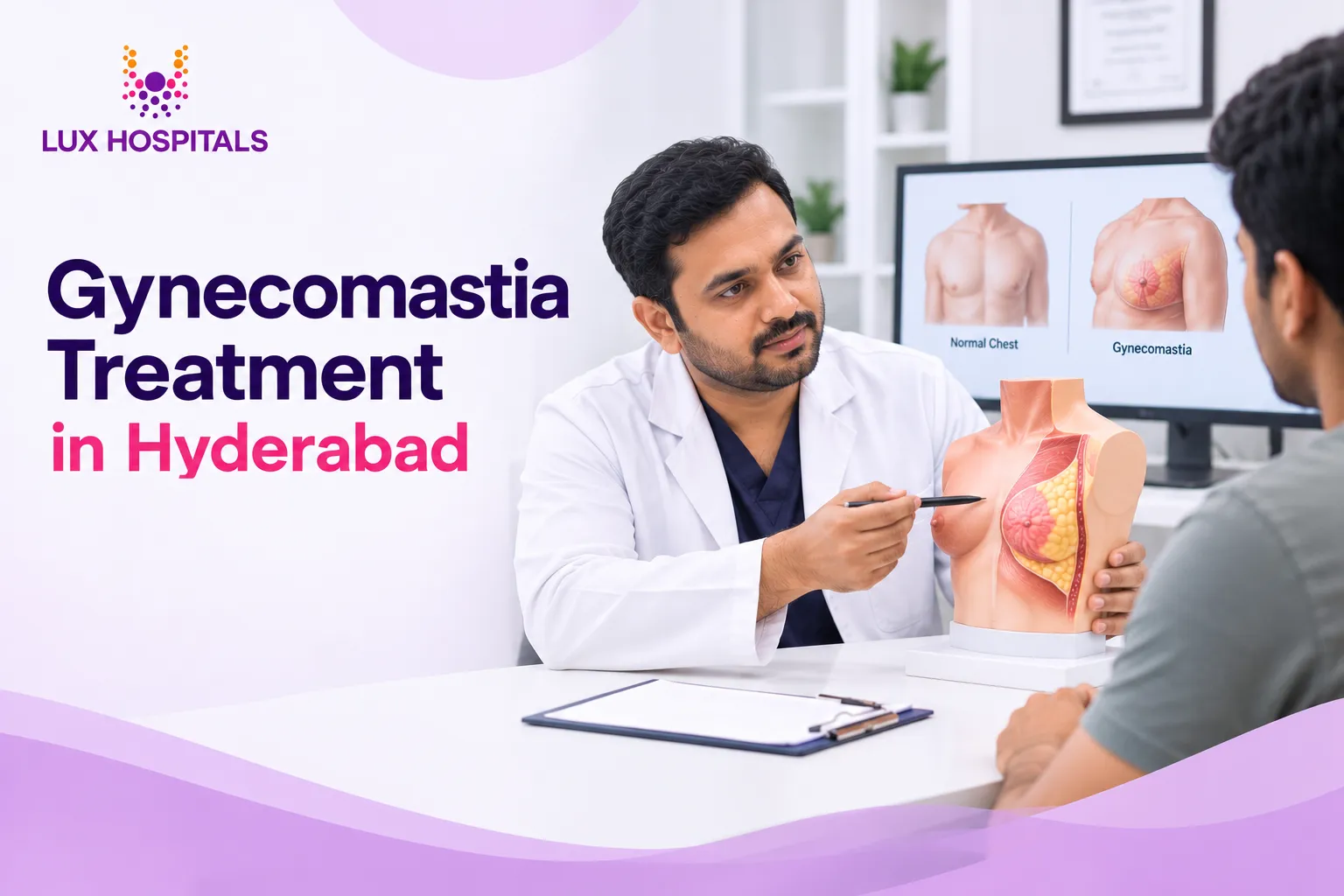
Losing excess weight can change your body shape significantly, but your chest may not become as flat or defined as you expect. Some men notice that breast fullness, a firm area beneath the nipple, or loose chest skin remains even after achieving a healthier weight.
4 October 2026
Send your reports across and a senior surgeon will review them, explain the options and tell you honestly whether surgery is the right call.
Plot No.116, Lumbini Avenue, HITEC CITY, Near IKEA, Hyderabad – 500032