Dr. Samhitha Reddy
Consultant Proctologist & Laparoscopic Surgeon
MBBS, MS, FMAS, FISCP, DMAS
- 8 Yrs
- ASCRS Member
General and Laparoscopic Surgery
By Dr Abhishek Katha · MBBS, MS, FMAS 6 May 2025 4 min read Updated 18 June 2026
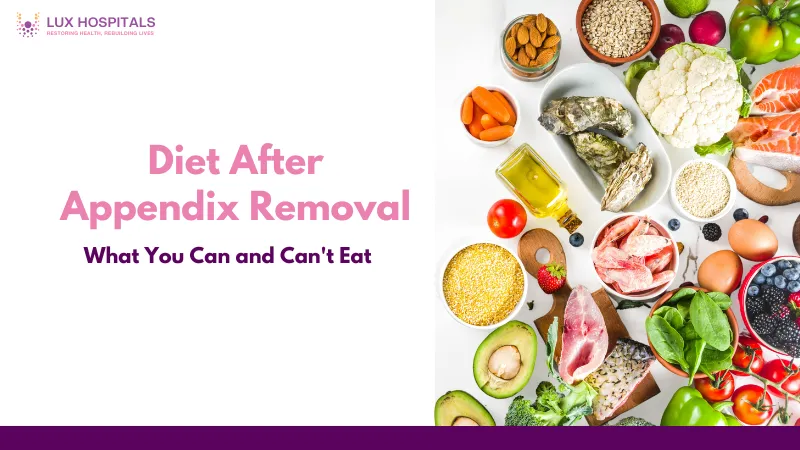
Diet After Appendix Removal plays an important role in supporting recovery and promoting healing after surgery. Recovering from appendix removal surgery can feel like a new chapter in your health journey. Whether you’ve undergone laparoscopic or open appendix removal surgery, the foods you choose can influence how quickly and comfortably you recover. Following the right diet after appendix removal can help manage digestive symptoms, restore energy levels, support wound healing, and reduce the risk of complications during recovery. Understanding what to eat and what to avoid is essential for a smooth return to daily life.
This blog will cover everything you need to know about diet after appendix removal, including healing-friendly foods, common appendix removal dietary restrictions, and the best nutrition practices to follow.
After the appendix is removed, it takes time for your digestive system to adapt. Your stomach and intestines may be sensitive for the first few days after surgery, so it’s critical to maintain a healthy, mild diet. A well-planned Diet After Appendix Removal helps prevent complications after appendix removal, such as bloating, constipation, and indigestion, while supporting your immune system for faster healing.
Start with clear liquids immediately following surgery. These include:
Clear liquids keep you hydrated and help your body transition back to digesting food without putting pressure on your gut.
As your body begins to recover, introduce soft foods such as:
These are gentle on the digestive system and minimise the risk of discomfort.
Constipation is a common side effect of appendix removal, especially if you’re taking pain medications. Add fibre-rich foods gradually:
Eating these foods can help you have simpler bowel movements and prevent stress of your abdominal muscles.
Protein is important for wound healing and tissue repair.
Eggs, in particular, are rich in vitamins like A, B12, and E, which aid recovery.
Boost your immunity and speed up healing by eating:
These nutrients help your body repair itself after appendix removal surgery
Hydration supports your metabolism and digestion.
Knowing the foods to avoid after appendix surgery is equally important. These can irritate your digestive tract and delay recovery.
These may cause stomach pain or diarrhea during recovery.
These can lead to bloating and discomfort.
They lack nutrition and add unnecessary burden to your healing system.
These can dehydrate you and irritate the stomach lining.
You can return to a more regular diet once you’re past the initial recovery phase. To enjoy the advantages of appendix removal, such as fewer inflammations or infections in the abdomen, maintaining a nutritious, well-balanced Diet After Appendix Removal is crucial.
Diet after appendix removal plays a key role in healing. Explore the best foods, dietary restrictions, and recovery tips after surgery.
While most patients recover smoothly, some may experience mild side effects such as:
If these continue, see your physician for more dietary guidance. They might suggest probiotics or other modifications to your Diet After Appendix Removal, depending on your circumstances and any specific dietary restrictions following an appendectomy.
Conclusion
without placing unnecessary stress on the digestive system. Starting with foods that are easy to tolerate and gradually returning to a balanced diet can make the transition more comfortable. Protein-rich foods can provide nutrients needed for recovery, while gradually increasing fibre and maintaining adequate fluid intake may help support regular bowel movements. However, every patient's recovery is different. If you develop persistent vomiting, worsening abdominal pain, fever, severe constipation or changes around the surgical wound, contact your surgical team rather than attempting to manage these symptoms through diet alone.
After appendix surgery, avoid fatty, fried, spicy, and processed foods, as well as carbonated drinks, alcohol, and high-fiber items that can cause gas or bloating.
Yes, you should avoid fatty, fried, spicy, and processed foods immediately after appendix surgery. These may cause discomfort or constipation by irritating your digestive tract. Carbonated drinks, alcohol, and caffeine should also be limited.
Depending on your recovery, dietary restrictions following appendix removal usually last one to two weeks. As advised by your physician, it’s critical to gradually resume regular diets while keeping an eye out for any discomfort.
Appendix removal benefits include preventing serious complications like a ruptured appendix or abscess formation. It’s a life-saving procedure with minimal long-term effects for most patients.
Most patients don’t need supplements following a balanced, nutrient-rich diet. However, temporary supplementation may be recommended if your doctor finds deficiencies or if you’re unable to eat certain foods.
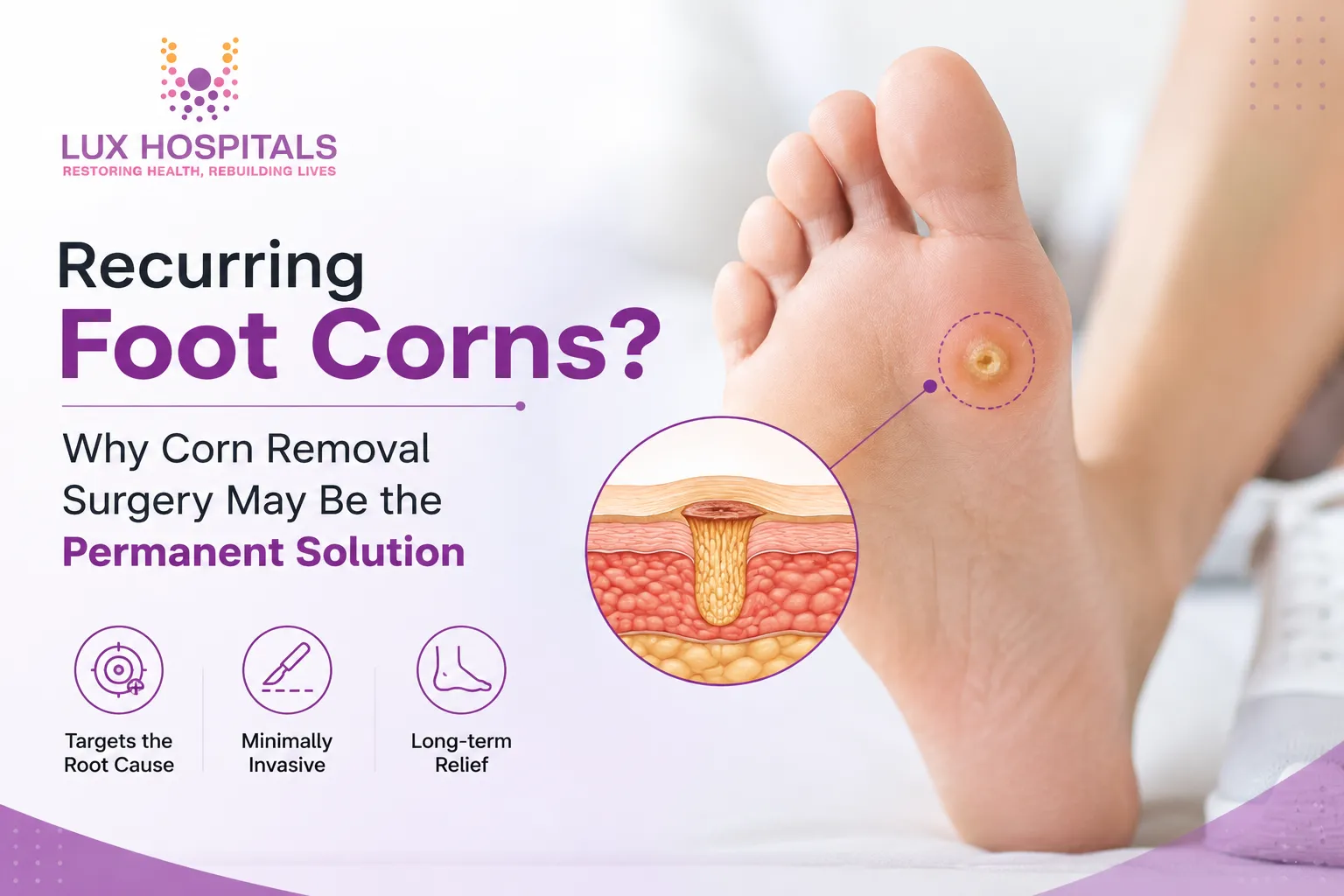
There is more to recurrent foot corns than merely a cosmetic issue. They may result in ongoing pain, trouble walking, and recurrent discomfort that interferes with day-to-day activities. Home treatments and over-the-counter corn pads may offer short-term comfort, but they frequently don’t address the root cause.
29 July 2026
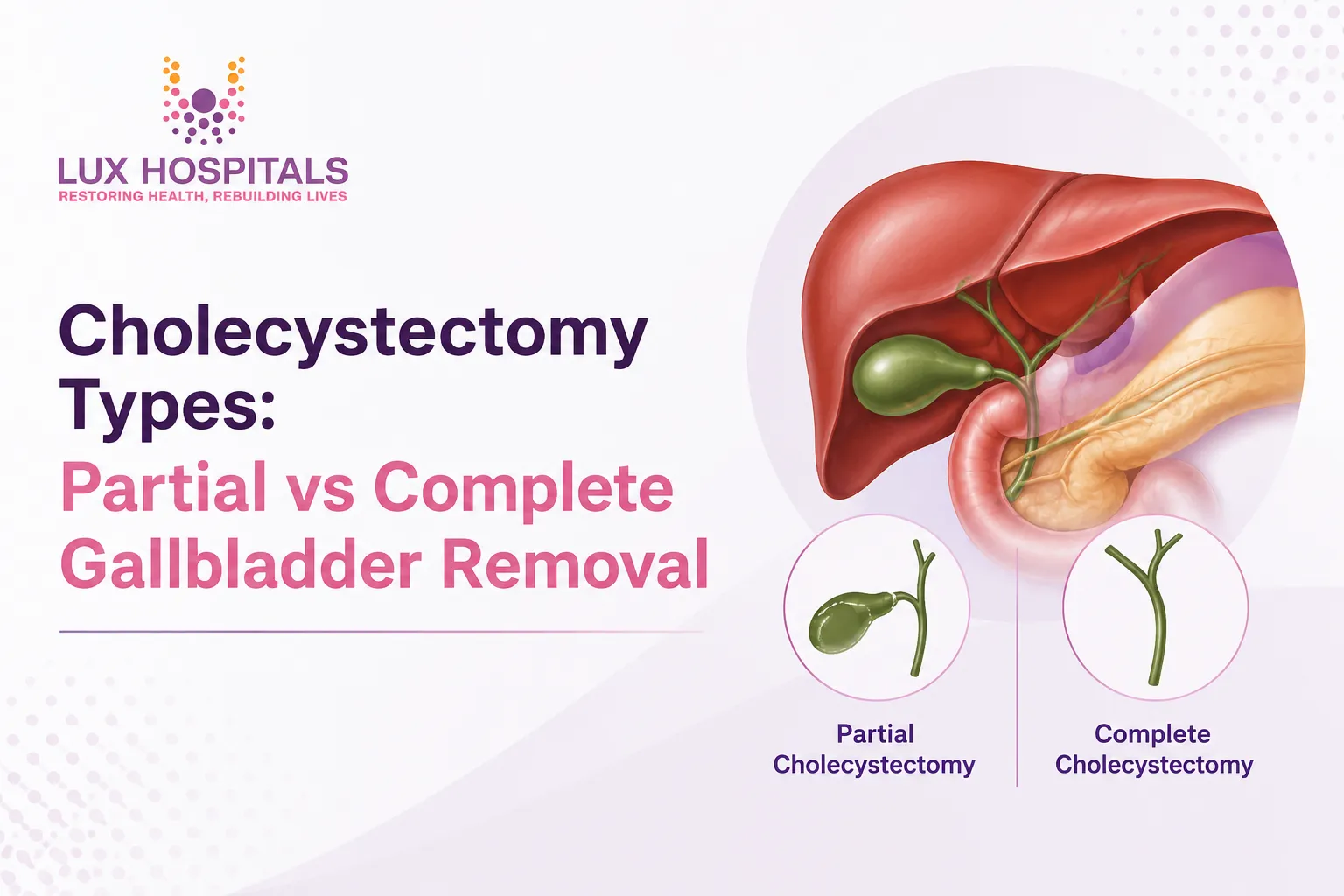
Gallbladder disease is a prevalent digestive problem that affects millions of people worldwide. To prevent serious consequences, surgery is often necessary to treat conditions such as gallstones, gallbladder inflammation, and infections. Partial removal may be advised in certain circumstances where removing the entire gallbladder could be dangerous, even though total removal is the typical technique.
24 July 2026
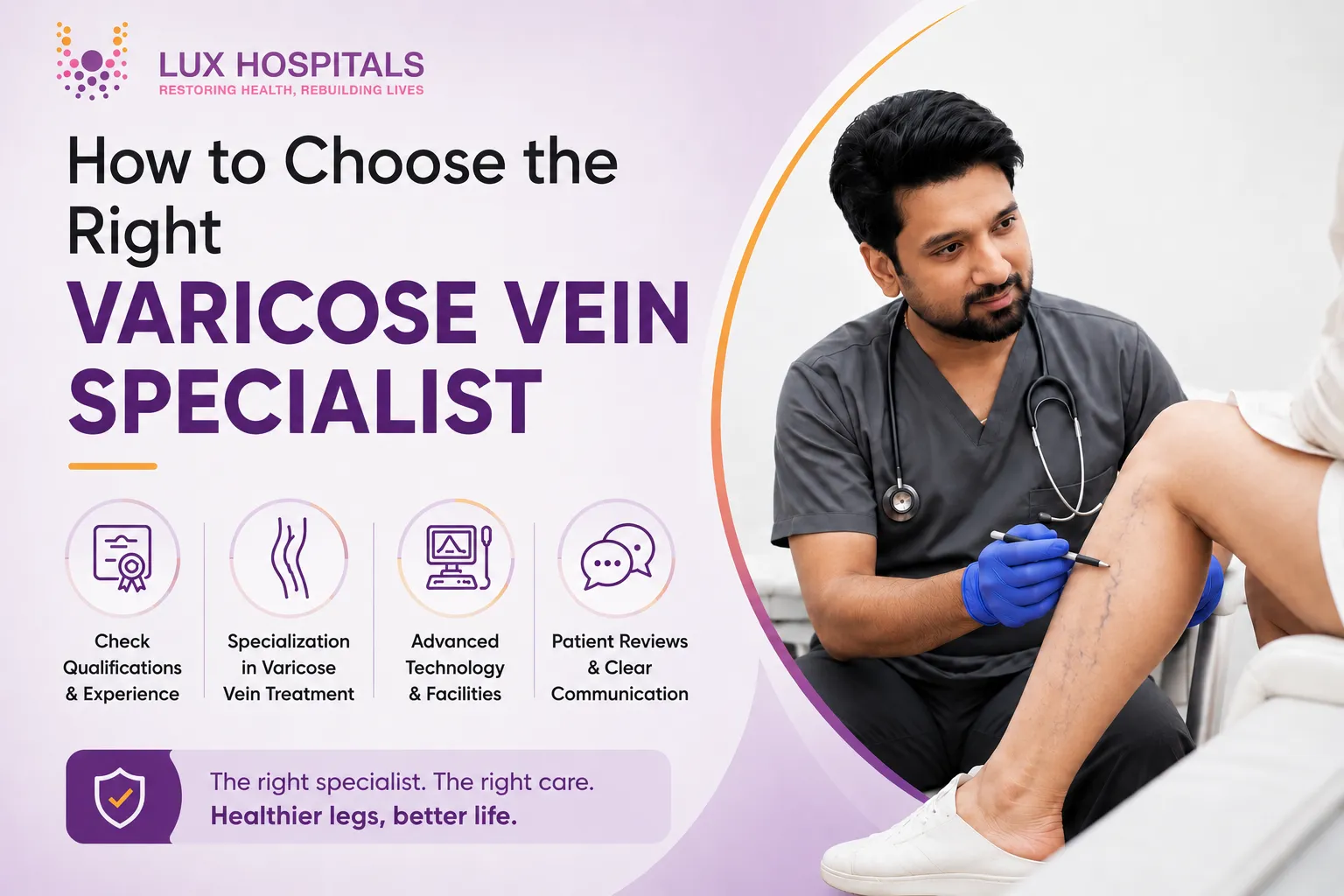
There is more to varicose veins than just appearance. If neglected, they might result in skin changes, pain, oedema, leg heaviness, and even problems. One of the most crucial choices you can make for successful treatment and long-term comfort is selecting the correct varicose vein specialist.
20 July 2026
Send your reports across and a senior surgeon will review them, explain the options and tell you honestly whether surgery is the right call.
Plot No.116, Lumbini Avenue, HITEC CITY, Near IKEA, Hyderabad – 500032