Dr. Samhitha Reddy
Consultant Proctologist & Laparoscopic Surgeon
MBBS, MS, FMAS, FISCP, DMAS
- 8 Yrs
- ASCRS Member
By Dr Harshita Kakarla · MBBS, MS, FMAS 2 July 2026 7 min read Updated 17 September 2026
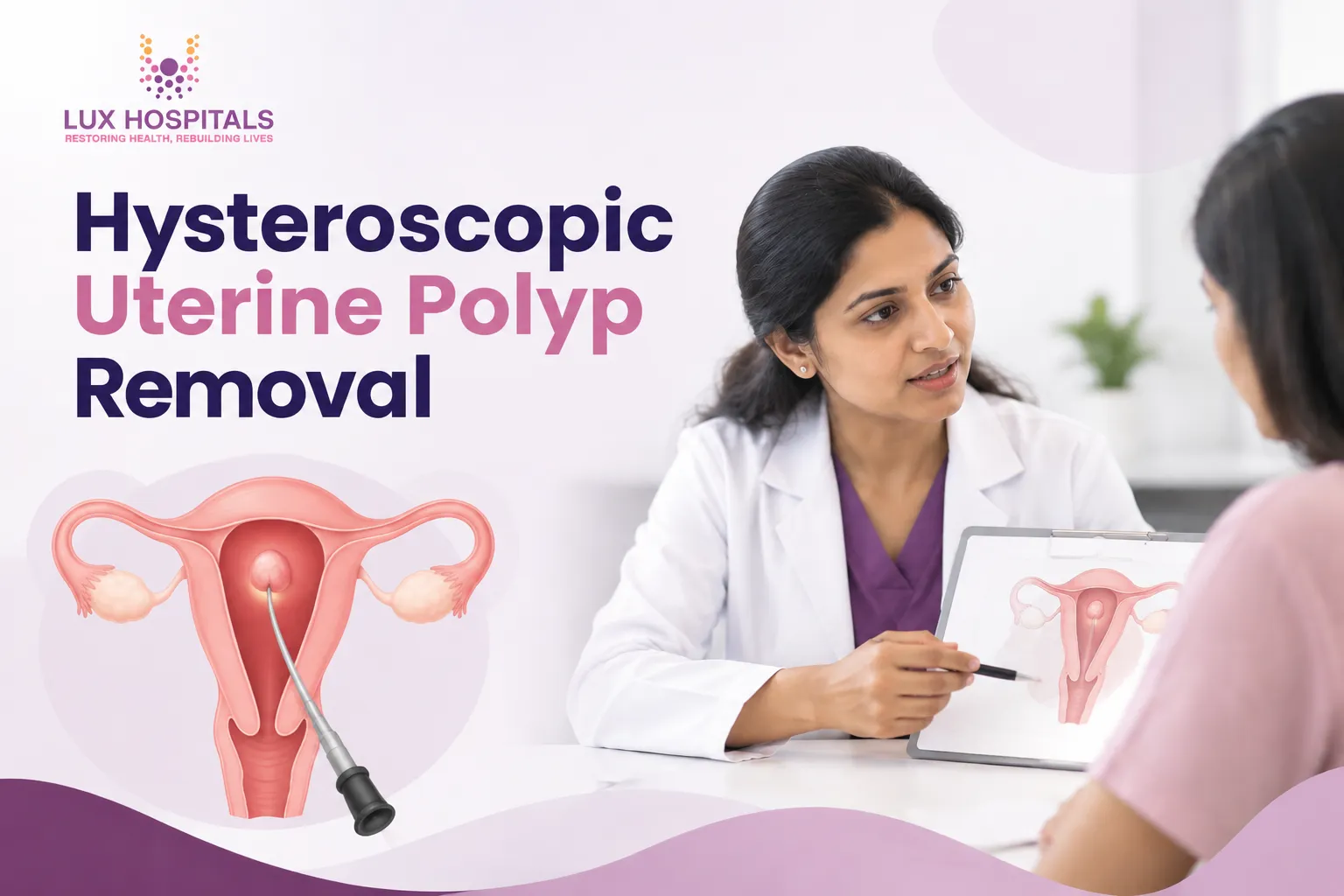
Uterine polyps may occasionally be associated with irregular periods, spotting between cycles, abnormal uterine bleeding, or trouble getting pregnant. A woman’s reproductive health and general comfort may be impacted by these tiny, non-cancerous growths that form inside the uterus. Thankfully, modern techniques like hysteroscopy make therapy quicker, less intrusive, and safer. Uterine Polyp Removal through […]
Uterine polyps may occasionally be associated with irregular periods, spotting between cycles, abnormal uterine bleeding, or trouble getting pregnant. A woman’s reproductive health and general comfort may be impacted by these tiny, non-cancerous growths that form inside the uterus. Thankfully, modern techniques like hysteroscopy make therapy quicker, less intrusive, and safer. Uterine Polyp Removal through hysteroscopy is a minimally invasive procedure that allows doctors to identify and remove polyps directly from the uterine lining without major surgery. At Lux Hospitals, experienced gynaecologists use modern techniques to provide accurate diagnosis, effective treatment, and better recovery outcomes for women dealing with uterine polyps.
Uterine polyps are soft tissue growths that form from the inner lining of the uterus, known as the endometrium. They are usually benign, but they can sometimes cause uncomfortable symptoms or interfere with fertility.
Common reasons why doctors recommend Uterine Polyp Removal include:
Although some small polyps may not cause symptoms, larger or multiple polyps can affect the normal functioning of the uterus. A gynaecologist may recommend removal after evaluating symptoms, ultrasound findings, and medical history.
At Lux Hospitals, specialists carefully assess each patient to determine whether removal is required and choose the most suitable treatment approach.
Hysteroscopy is an advanced procedure where a thin instrument called a hysteroscope is inserted through the vagina and cervix to view the inside of the uterus. This allows doctors to locate and remove polyps accurately without making external cuts. During Uterine Polyp Removal, the doctor uses specialised instruments attached to the hysteroscope to gently remove the growth from the uterine lining. The removed tissue is usually sent for laboratory testing to confirm its nature.
This advanced approach allows women to return to their normal routine sooner while receiving effective treatment.
Larger incisions and longer recovery times may be necessary for traditional surgical techniques. By enabling medical professionals to immediately observe and treat the affected area, hysteroscopy offers a more accurate remedy.
Doctors may suggest hysteroscopy because it offers:
Hysteroscopy provides a clear view of the uterine cavity, helping medical professionals determine the precise position, size, and number of polyps.
Unlike procedures that involve removing surrounding tissue, hysteroscopy focuses only on the abnormal growth, helping protect healthy uterine tissue.
Most women return to daily activities more quickly because the procedure does not involve major surgical incisions.
For women experiencing fertility challenges, removing polyps may improve the chances of successful conception by creating a healthier uterine environment. At Lux Hospitals, the focus remains on providing personalised care based on each woman’s symptoms, health condition, and treatment goals.
Proper preparation helps ensure a smooth and safe procedure. Your doctor may provide specific instructions depending on your medical history.
Before the procedure, patients may need to:
Your gynaecologist may also explain the steps of the procedure, possible risks, and the expected recovery timeline. At Lux Hospitals, patients receive complete guidance before treatment so they understand every stage of their healthcare journey.
Depending on the patient’s needs, the process typically starts by preparing them for sedation or anaesthesia. The hysteroscope is delicately introduced into the uterus via the natural vaginal route.
The doctor then:
The entire procedure is generally completed within a short duration, and most patients can go home the same day.
Modern hysteroscopic techniques make Uterine Polyp Removal a safe and effective option for many women experiencing abnormal bleeding or fertility concerns.
Recovery is usually quick because hysteroscopy does not require large surgical incisions. Most women can return home the same day and gradually resume their usual activities as instructed by their doctor.
After Uterine Polyp Removal, some common experiences may include:
Patients should follow post-procedure instructions carefully to support proper healing.
Most women experience significant symptom improvement after successful treatment.
The size of the polyp, the patient’s general health, and the reason for removal all affect the outcome of treatment. Many women notice improvements after Uterine Polyp Removal, including:
Polyps can be removed to help manage irregular bleeding patterns, heavy periods, and unexpected spotting brought on by uterine growths.
Removing abnormal tissue reduces discomfort caused by polyps and helps preserve a healthier uterine environment.
For women trying to conceive, removing polyps may improve the chances of embryo implantation by creating a better environment inside the uterus.
The removed tissue is often examined in a laboratory to confirm whether the growth is benign and to rule out any concerning changes. At Lux Hospitals, specialists combine advanced technology with compassionate care to help women achieve better reproductive health outcomes.
Although hysteroscopic procedures are considered safe, patients should understand possible risks before treatment.
Rare complications may include:
Choosing an experienced gynaecologist and a trusted healthcare facility can help minimise these risks. At Lux Hospitals, patient safety, accurate diagnosis, and advanced surgical techniques remain key priorities throughout the treatment process.
Doctors may recommend Uterine Polyp Removal for women who experience persistent symptoms or have polyps that may affect fertility or uterine health.
You may benefit from hysteroscopic removal if you have:
A detailed evaluation helps determine whether removal is the best treatment option.
Every patient is different, and treatment decisions should always be made after consultation with a qualified gynaecologist.
Choosing the right hospital is important for achieving safe, successful treatment outcomes. Lux Hospitals provides comprehensive gynaecological care with a patient-focused approach.
Reasons to choose Lux Hospitals include:
Throughout their treatment, the staff at Lux Hospitals strive to make each patient feel at ease, knowledgeable, and self-assured.
Due to its safer, less intrusive, and more efficient nature, hysteroscopic treatment has revolutionised the way physicians treat uterine polyps. In addition to improving uterine health and addressing issues related to fertility, uterine polyp removal helps many women overcome irregular bleeding. Lux Hospitals offers dependable solutions for women seeking skilled gynaecological treatment with advanced technology, knowledgeable professionals, and compassionate care. Seeing a professional might help you determine the best course of action if you are having symptoms associated with uterine polyps.
Hysteroscopic Uterine Polyp Removal is usually performed with anaesthesia or sedation to minimise discomfort during the procedure. Some women may experience mild cramps or spotting after treatment, which generally improves within a few days.
Compared to conventional surgical techniques, recovery following hysteroscopic uterine polyp removal is typically quicker. Depending on how quickly they recuperate, most women resume their regular activities in a few days.
Although Uterine Polyp Removal successfully removes existing polyps, new polyps can occasionally develop. Regular gynaecological check-ups can help monitor uterine health and detect early changes.
Yes, by improving the environment for embryo implantation, uterine polyp removal may help some women become more fertile. Sometimes, uterine polyps can obstruct conception or the course of a pregnancy.
Lux Hospitals provides modern facilities, patient-centred treatment programs, and advanced gynaecological care from qualified specialists. The hospital prioritises precise diagnosis, less-invasive treatments, and a peaceful recovery.
For assessment and individualised treatment recommendations, patients can arrange a consultation with Lux Hospitals' gynaecology specialists. The medical staff answers questions about procedures and helps patients understand their treatment options.
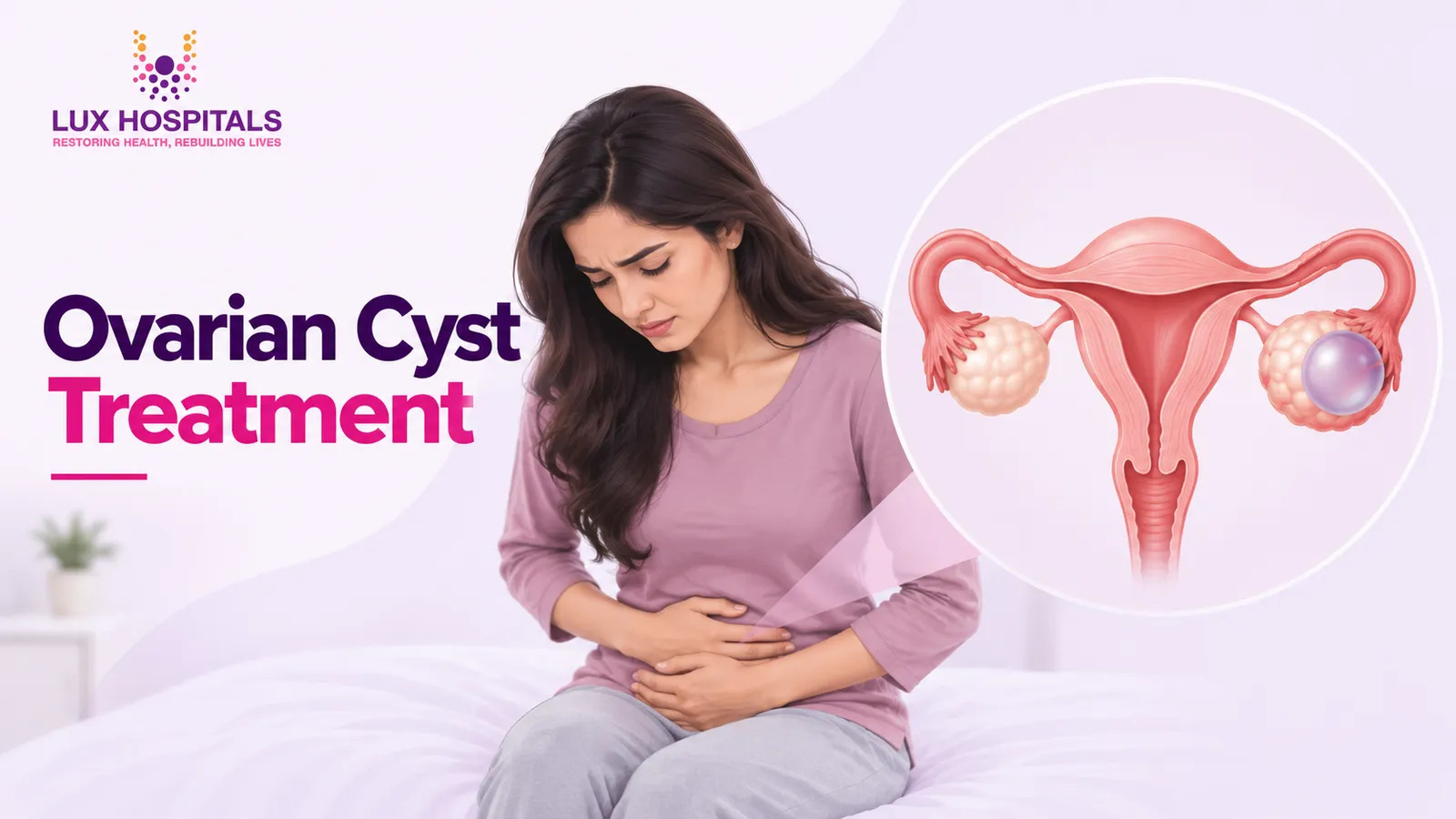
An ovarian cyst that remains on repeat scans does not automatically mean that surgery is needed. Many ovarian cysts are benign and may disappear without treatment. Your gynaecologist will consider the cyst’s size, appearance, symptoms, age, menstrual status, and whether it changes over time when deciding whether to monitor or treat. Being told that an […]
14 October 2026
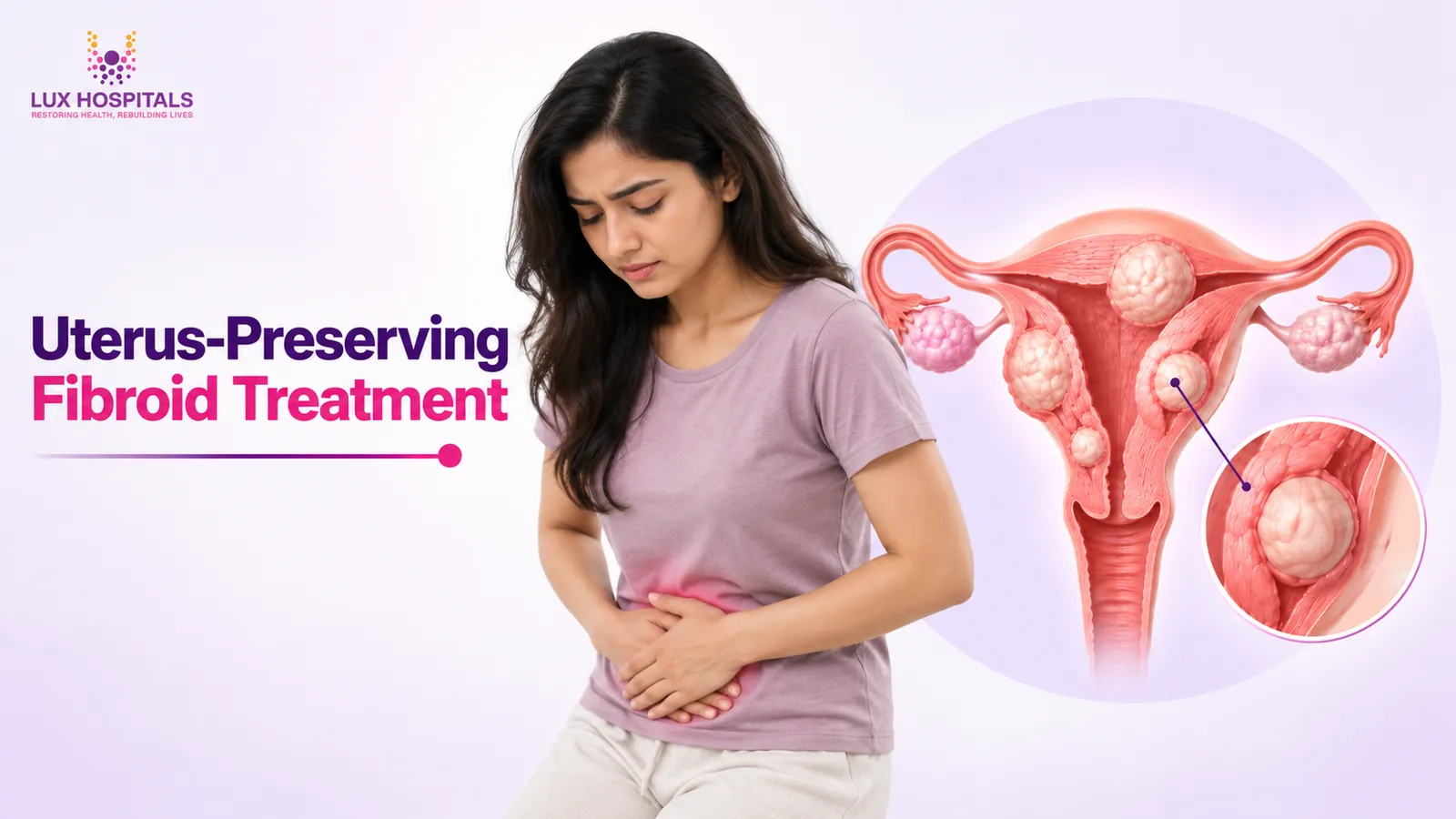
Uterus-preserving fibroid treatment may be considered when a woman wants to manage fibroids while keeping the uterus for future pregnancy. The right option depends on the fibroid’s size, number, location, symptoms, effect on the uterine cavity, age, fertility plans and overall health. Myomectomy is one uterus-preserving option. Fibroid location and whether the uterine cavity is […]
12 October 2026
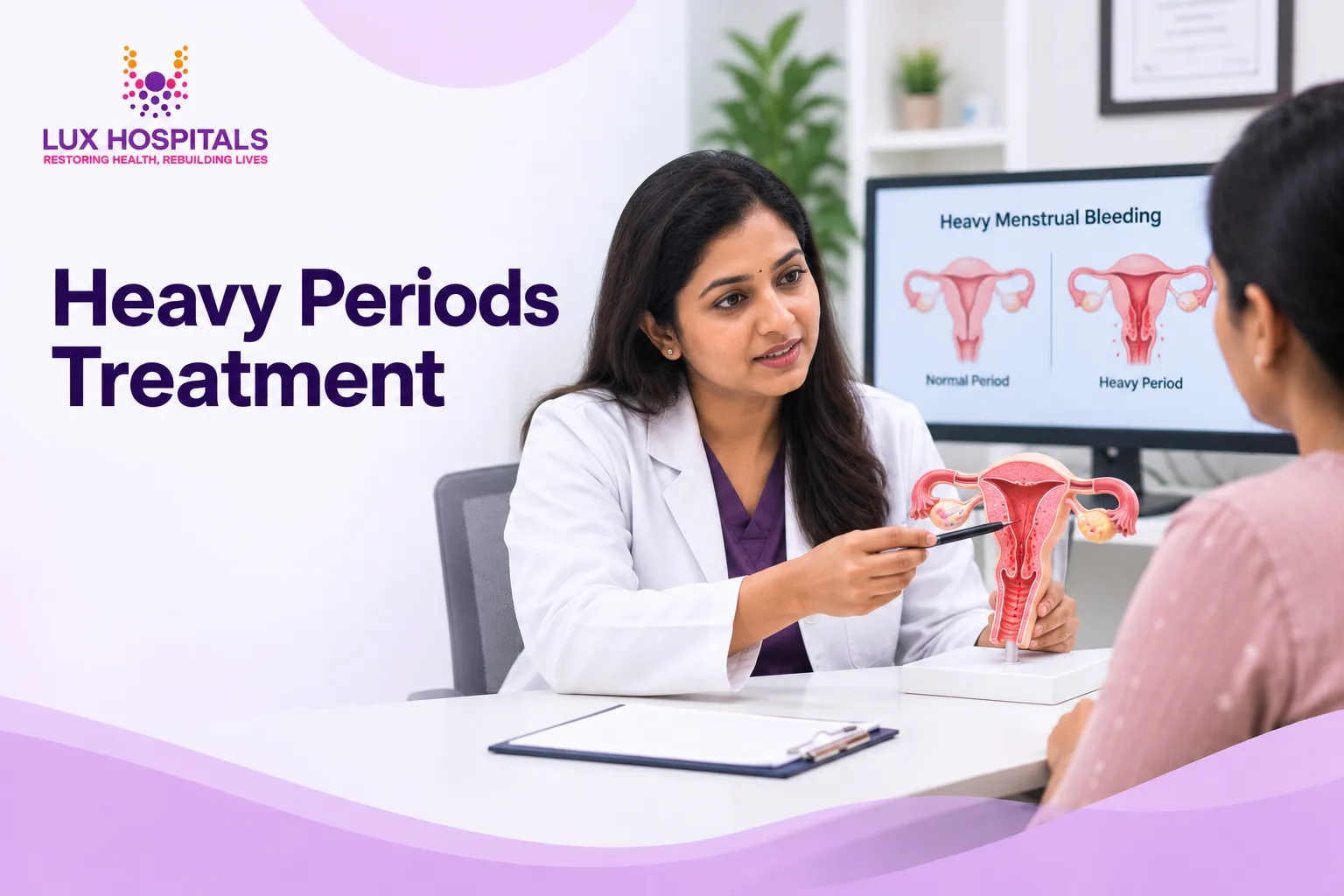
Heavy periods might influence your energy, work, sleep, emotions, and daily routine. While some women may experience less bleeding after taking medication, symptoms may occasionally persist or recur. Rather than continuing to self-medicate, persistent severe bleeding should be properly evaluated by a gynaecologist. If you are looking for heavy periods treatment in Hyderabad, your next […]
6 October 2026
Send your reports across and a senior surgeon will review them, explain the options and tell you honestly whether surgery is the right call.
Plot No.116, Lumbini Avenue, HITEC CITY, Near IKEA, Hyderabad – 500032