Dr. Samhitha Reddy
Consultant Proctologist & Laparoscopic Surgeon
MBBS, MS, FMAS, FISCP, DMAS
- 8 Yrs
- ASCRS Member
By Dr. Priyank Ashokkumar Salecha · MBBS, MS, MCH, DNB 8 May 2025 3 min read Updated 24 September 2025
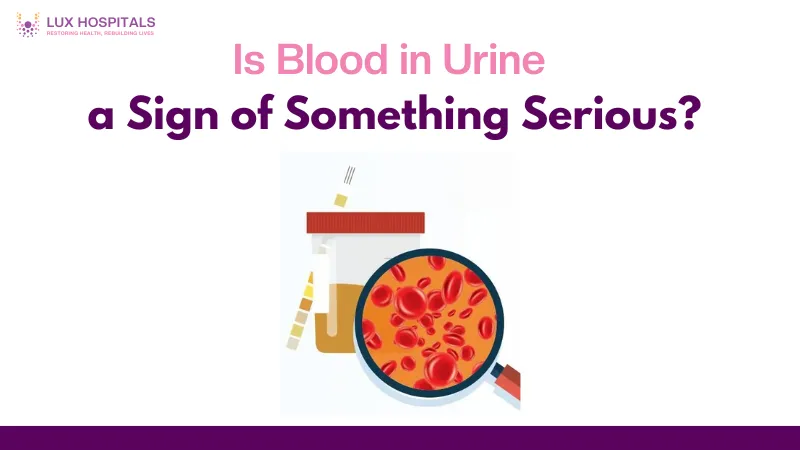
Urine-containing blood might be concerning and should never be disregarded. Whether apparent or identified by testing, this symptom can point to anything from simple infections to serious illnesses. Although blood in the urine is often not harmful, it is a warning indication that has to be addressed by a doctor. This article explains the causes, possible implications, and steps to take if you notice blood in your urine and helps you decide when to see a doctor.
Blood in urine, also known as hematuria, occurs when the pee contains red blood cells. It may be gross hematuria (visible) or microscopic hematuria (detected only in tests). While not always painful, blood in urine can be the first sign of an underlying health problem and should never be dismissed without proper evaluation.
There are multiple reasons why someone might notice blood in urine. These causes range from mild to more severe, such as
While blood in urine isn’t always linked to serious health threats, it should be evaluated, especially if it’s persistent or accompanied by other symptoms. Blood in the urine is the first sign of conditions, including renal illness, bladder cancer, or prostate problems that may begin quietly. Since early diagnosis enhances treatment results, timely medical evaluation is crucial.
If you notice blood in your urine along with these symptoms, seek immediate medical attention:
These associated symptoms could indicate that the blood in the urine is part of a more complex condition that requires treatment.
To find out why there is blood in the pee, doctors may recommend:
Testing helps doctors pinpoint why blood in the urine occurs and guides treatment decisions.
Blood in urine treatment is based on its root cause:
The key to resolving blood in urine is addressing the underlying condition, not just the symptom.
Although blood in the urine can be frightening, it’s not usually an indication of a serious medical condition. It is essential to see a doctor and treat it as a severe symptom to rule out underlying disorders. Better outcomes can come from an early diagnosis, especially in infections, cancer, or kidney issues. Don’t ignore the signs blood in urine is your body’s way of telling you something might need attention. Be proactive and protect your health.
Painless blood in urine can still be a sign of serious issues like kidney disease or cancer. See a doctor even if you’re not feeling discomfort, which is essential. Early diagnosis is crucial to rule out silent but serious causes.
If you notice persistent blood in urine, especially with pain or weight loss, seek immediate care. These could be symptoms of something serious, like stones or cancer. Always follow up with your healthcare provider.
Urinary tract infections are the most frequent cause of blood in urine, especially in women. Bleeding results from bladder lining irritation caused by these infections. Thankfully, antibiotics are a simple way to treat them.
Dehydration rarely causes blood in urine, but it can contribute to stone formation. Kidney stones may then scratch the urinary tract and cause bleeding. Staying hydrated helps prevent such complications.
Not always: blood in urine can result from infections, stones, or physical activity. However, it can also be a symptom of cancers in the urinary tract. It’s essential to get evaluated to rule out severe conditions.
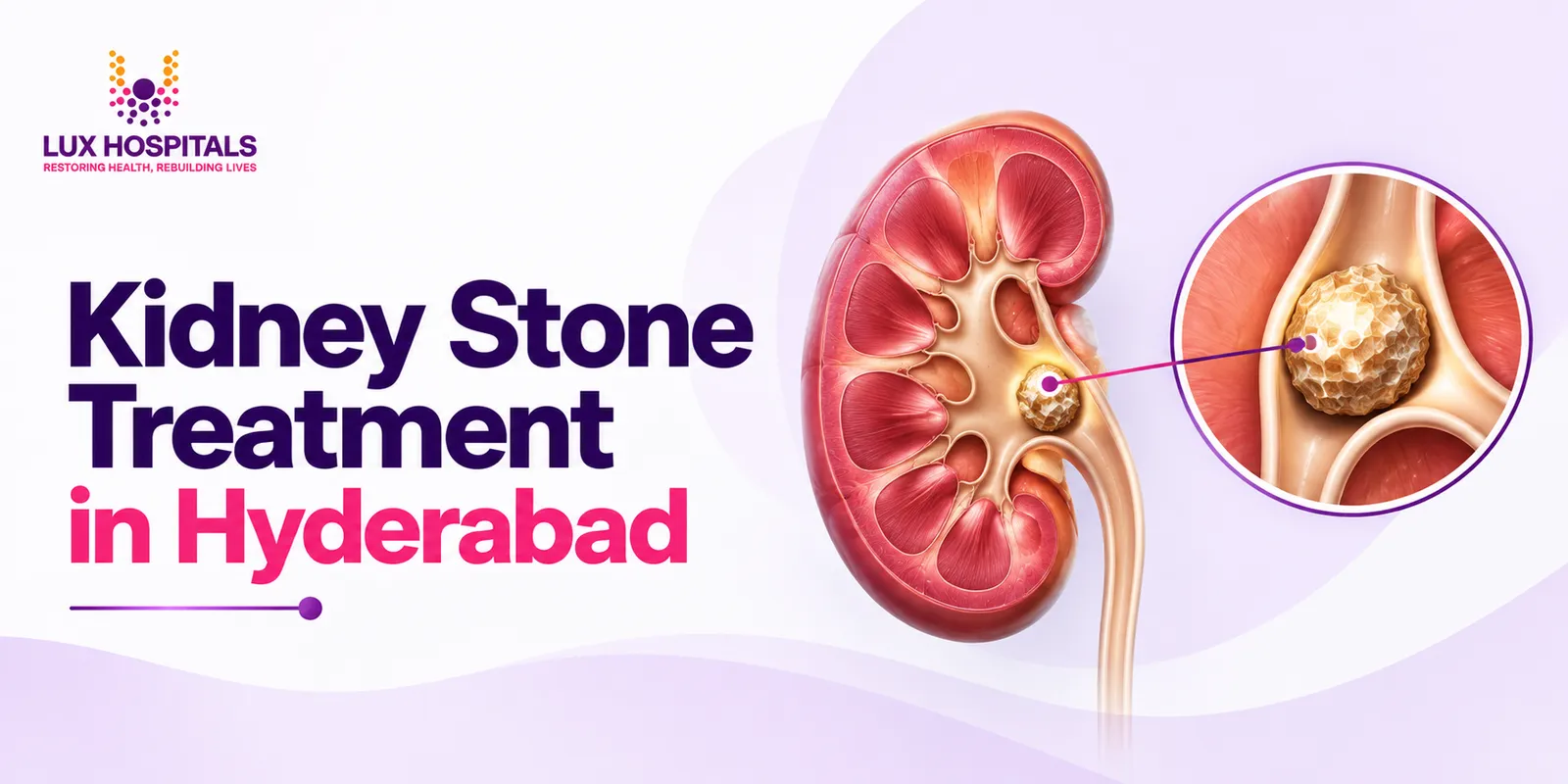
A kidney stone that remains visible on repeat scans can leave you wondering what to do next. Should you wait, change medicines, or consider a procedure? The answer depends on the stone’s size, location, symptoms, blockage, kidney function, and whether it is growing or moving.
8 October 2026

Kidney stones can cause sudden, intense pain, difficulty passing urine, nausea and blood in the urine. If a stone doesn’t pass naturally or causes obstruction, infection, or ongoing symptoms, you may need treatment. But with several options available, many patients ask: What is the Best treatment for kidney stones?
17 September 2026

Kidney stones can cause sudden pain, nausea, blood in the urine, and difficulty passing urine. When a stone is too large to pass naturally or causes repeated symptoms, your urologist may recommend a procedure to remove it. Two commonly used options are RIRS and PCNL.
2 September 2026
Send your reports across and a senior surgeon will review them, explain the options and tell you honestly whether surgery is the right call.
Plot No.116, Lumbini Avenue, HITEC CITY, Near IKEA, Hyderabad – 500032