












Pelvic Floor Therapy for Urinary Incontinence: Does It Help?
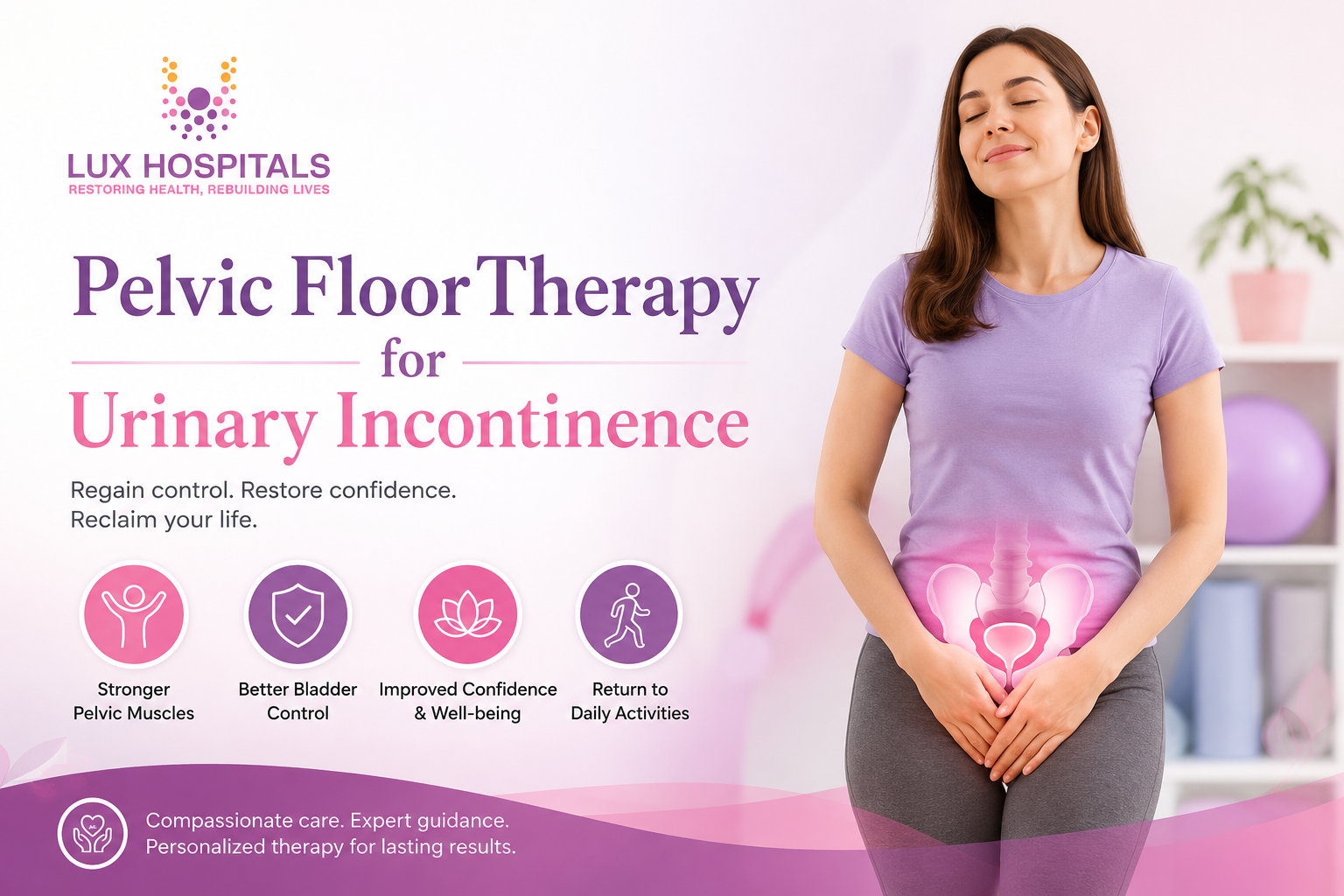
Many people experience accidental urine leakage but hesitate to discuss it due to embarrassment or discomfort. However, Urinary Incontinence is a common health concern that can affect daily activities, confidence, and overall quality of life. Pelvic floor therapy has become an effective non-surgical approach to improving bladder control and strengthening the muscles that support the bladder and urinary system. With proper guidance, many patients experience significant improvement in their symptoms. At Lux Hospitals, specialists focus on identifying the underlying causes of bladder control problems and providing personalised treatment solutions that improve patient comfort and long-term health.

What is Urinary Incontinence?
Urinary incontinence is the term used to describe the involuntary flow of urine that happens when a person cannot fully control bladder function. Men and women can both have the illness, but women are more likely to have it because of pelvic muscle weakness, hormonal changes, pregnancy, and childbirth.
Common symptoms include:
- Leakage of urine while coughing, sneezing, or laughing
- Sudden strong urges to urinate
- Frequent bathroom visits
- Difficulty controlling urine flow
- Night-time urination
- Reduced confidence during social activities
Understanding the cause of Urinary Incontinence is the first step toward finding the right treatment.
What is Pelvic Floor Therapy?
Pelvic floor therapy is a specialised treatment designed to strengthen and improve the function of pelvic floor muscles. These muscles support important organs, including the bladder, uterus, and rectum. When pelvic muscles become weak or damaged, they may fail to control urine leakage effectively. A trained therapist helps patients learn proper exercises and techniques to improve muscle coordination.
Pelvic floor therapy may include:
- Pelvic muscle strengthening exercises
- Breathing and relaxation techniques
- Bladder training methods
- Lifestyle guidance
- Biofeedback therapy
This approach helps address the root cause of Urinary Incontinence rather than just managing symptoms.
How Does Pelvic Floor Therapy Help With Urinary Incontinence?
Pelvic floor therapy strengthens the muscles that support the bladder and improves bladder control. Here are a few advantages of Pelvic floor therapy.
1. Strengthens Weak Pelvic Muscles
The bladder is supported by the pelvic floor muscles. As these muscles weaken, they are unable to adequately regulate the release of urine. By teaching these muscles how to contract and relax properly, pelvic floor treatment enhances bladder support and minimises undesired leakage. Patients who regularly adhere to treatment guidelines may have increased confidence and greater bladder control.
2. Improves Muscle Coordination and Control
Sometimes the issue is not just weak muscles but also a lack of coordination between pelvic muscles and bladder impulses. Through therapy, individuals learn to identify bladder feelings and react accordingly. This enhances control over urinating and lessens abrupt urgency. Improving muscle timing can greatly lessen symptoms for many people with urinary incontinence.
Types of Urinary Incontinence That May Improve With Pelvic Floor Therapy
Pelvic floor therapy can help improve different forms of Urinary Incontinence by strengthening bladder-supporting muscles and improving control over urine flow. Below are types of Urinary Incontinence that may benefit from pelvic floor therapy
Stress Urinary Incontinence
Stress-related leakage happens when pressure is placed on the bladder during activities such as:
- Sneezing
- Coughing
- Laughing
- Lifting heavy objects
- Exercising
Pelvic floor strengthening is often recommended because stronger muscles provide better support to the bladder.
Urge Urinary Incontinence
This happens when someone suddenly feels the urge to urinate and is unable to reach the bathroom in time. Patients can enhance control and manage urgency by combining pelvic floor treatment with bladder training.
Post-Pregnancy Urinary Incontinence
Pelvic muscles may be weakened or stretched during pregnancy and childbirth. Due to changes in pelvic support, many women experience bladder leakage after giving birth. Early pelvic floor therapy might enhance recovery and help rebuild muscular strength.
Who Can Benefit From Pelvic Floor Therapy?
Pelvic floor therapy can help different groups of people experiencing bladder control concerns, including:
- Women after childbirth
- Older adults experiencing muscle weakness
- Individuals recovering after pelvic surgery
- People with frequent urine leakage
- Patients experiencing reduced bladder control
The Urinary Incontinence treatment approach depends on symptom severity and the patient’s overall health. At Lux Hospitals, specialists evaluate each patient carefully before recommending suitable treatment options.
Lifestyle Changes That Support Pelvic Floor Health
Along with therapy, certain lifestyle habits can improve bladder control and prevent worsening symptoms.
Helpful practices include:
Maintain a Healthy Weight
Extra weight can increase pressure on the bladder and pelvic muscles.
Stay Physically Active
Regular movement supports muscle strength and overall circulation.
Avoid Bladder Irritants
Reducing excessive caffeine, alcohol, and carbonated drinks may help decrease urgency.
Practice Healthy Bathroom Habits
Avoid delaying urination for long periods, as this can affect bladder function.
These simple changes can support pelvic floor therapy results and improve management of Urinary Incontinence.
When Should You Consult Lux Hospitals?
Many people delay medical consultation because they consider urine leakage a normal part of ageing. However, persistent symptoms should be evaluated by a healthcare professional.
You should consult specialists if you experience:
- Frequent urine leakage
- Difficulty controlling urination
- Pain while urinating
- Blood in urine
- Symptoms affecting daily activities
- Reduced quality of life
Early evaluation helps identify the cause and allows doctors to recommend effective treatment.
Why Choose Lux Hospitals for Urinary Incontinence Treatment?
Lux Hospitals focuses on delivering comprehensive care through advanced diagnostic methods and personalised treatment plans.
Patients receive:
- Expert medical consultation
- Accurate diagnosis
- Individualised treatment strategies
- Supportive patient care
- Modern healthcare facilities
The goal is to help patients regain confidence, improve bladder function, and enjoy a better quality of life.
Conclusion
By strengthening pelvic muscles, enhancing bladder control, and minimising undesired leaks, pelvic floor therapy can be a useful treatment for urinary incontinence. It provides a non-surgical method of treating the root causes of bladder weakness. Many individuals might see significant improvement with appropriate evaluation, regular therapy, and good lifestyle choices Experienced professionals at Lux Hospitals assist patients in overcoming bladder control issues with compassionate care and cutting-edge treatment choices.