Dr. Samhitha Reddy
Consultant Proctologist & Laparoscopic Surgeon
MBBS, MS, FMAS, FISCP, DMAS
- 8 Yrs
- ASCRS Member
By Dr. Priyank Ashokkumar Salecha · MBBS, MS, MCH, DNB 25 May 2026 5 min read Updated 27 May 2026
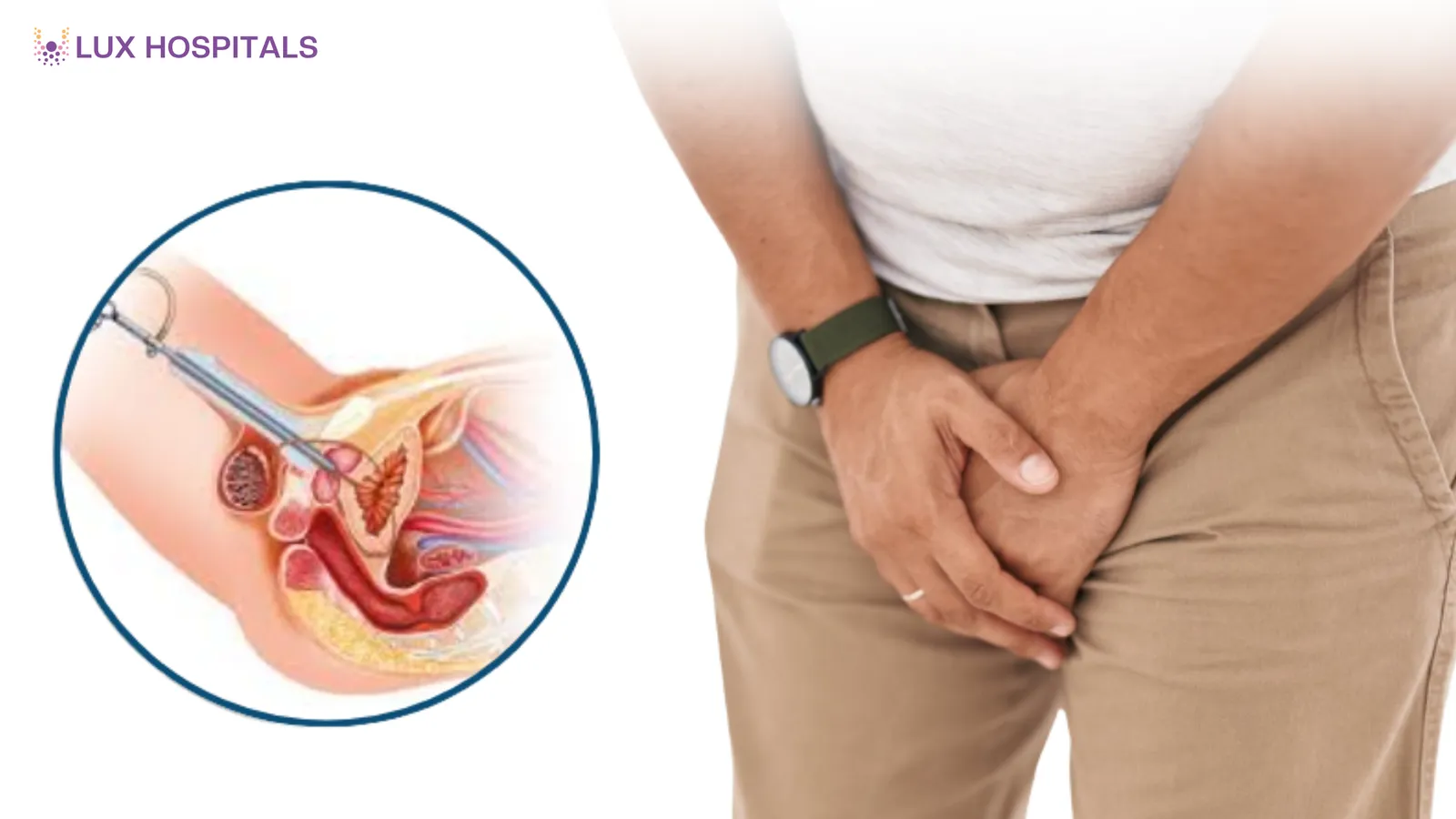
A person’s everyday comfort and general well-being are greatly influenced by their urinary health. Urine flow can be disrupted when the urethra narrows or becomes clogged, which can cause several unpleasant symptoms. Understanding Urethral Stricture Affects Urination is essential because the condition can gradually worsen and interfere with everyday life if left untreated. Many patients […]
A person’s everyday comfort and general well-being are greatly influenced by their urinary health. Urine flow can be disrupted when the urethra narrows or becomes clogged, which can cause several unpleasant symptoms. Understanding Urethral Stricture Affects Urination is essential because the condition can gradually worsen and interfere with everyday life if left untreated. Many patients ignore early urinary symptoms such as weak urine flow, straining, or frequent infections. Lux Experts explains how Urethral Stricture Affects Urination, its symptoms, causes, impact on daily life, and treatment options to help patients make informed decisions.
A urethral stricture occurs when scar tissue forms inside the urethra, narrowing the passage through which urine leaves the body. The urethra carries urine from the bladder to the outside, so even a small blockage can significantly disrupt urine flow. When a urethral stricture affects urination, the bladder must work harder to push urine through the narrowed channel. Over time, this pressure can lead to bladder problems, urinary infections, and discomfort during urination.
Recognising the early symptoms helps prevent long-term urinary complications.
The symptoms of urethral stricture usually develop gradually. Many people notice small changes in their urinary habits before realising that Urethral Stricture Affects Urination.
When a urethral stricture affects urination, these symptoms may worsen over time and significantly reduce a person’s quality of life. Patients often experience frustration and discomfort due to frequent bathroom visits or difficulty urinating.
Scar tissue can form inside the urethra due to various illnesses and external factors. Patients can avoid complications and seek prompt treatment by being aware of these reasons.
Pelvic injuries, accidents, or catheter insertions may damage the urethra and lead to scarring. When healing occurs, scar tissue can narrow the urethral passage, significantly affecting urination.
Sexually transmitted infections and severe urinary infections can inflame the urethra. Repeated inflammation increases the risk that Urethral Stricture Affects Urination due to tissue scarring.
Certain medical procedures involving the urinary tract or prostate can cause urethral damage. As tissues heal, the resulting scar may narrow, leading to Urethral Stricture Affects Urination.
Patients who require urinary catheters for extended periods may develop urethral irritation. This irritation can sometimes result in scar formation and, eventually, Urethral Stricture Affects Urination.
Understanding these causes encourages patients to seek early evaluation when symptoms appear.
The bladder must exert greater force to expel urine through the constricted opening when a urethral stricture hinders urination. This additional work could result in:
Over time, persistent pressure can weaken bladder muscles. If a urethral stricture affects urination for a prolonged period, patients may develop severe complications such as bladder infections or kidney problems.
Many patients underestimate how much urinary issues can affect daily routines. When a urethral stricture affects urination, it can create physical discomfort and emotional stress.
Regular trips to the restroom might disrupt social relationships, travel, and work. When a urethral stricture affects urination, people may worry about swiftly accessing bathrooms.
Night-time urination becomes more common when Urethral Stricture Affects Urination, leading to poor sleep quality and daytime fatigue.
Persistent urinary symptoms may cause embarrassment, anxiety, or frustration. Many patients avoid social gatherings due to fear of urinary difficulties.
If untreated, Urethral Stricture Affects Urination can make simple daily tasks uncomfortable, affecting physical health and emotional well-being.
Seeking professional medical care can significantly improve the quality of life.
Doctors use several diagnostic tests to confirm urethral narrowing.
These tests help determine the extent of Urethral Stricture on Urination and guide the appropriate treatment plan.
Treatment depends on the severity of the narrowing and the patient’s symptoms.
Doctors gently widen the urethra using specialised instruments. This procedure temporarily improves urine flow when a urethral stricture affects urination.
Minimally invasive procedures may cut the scar tissue to open the urethral passage. This treatment helps restore normal flow when a urethral stricture significantly affects urination.
For severe cases, surgeons reconstruct the urethra to permanently remove the narrowed section. This advanced treatment provides long-term relief when a urethral stricture affects urination repeatedly.
Patients should seek medical care if they notice persistent urinary symptoms such as weak urine flow, difficulty urinating, or frequent infections. These symptoms may indicate that a Urethral Stricture Is Affecting Urination and requires professional evaluation.
Early treatment helps prevent bladder damage, kidney complications, and chronic discomfort.
Urinary symptoms should never be ignored, especially when a urethral stricture affects urination and interferes with daily life. Early diagnosis and expert treatment can restore healthy urine flow and improve comfort. At Lux Hospitals, experienced specialists diagnose and use advanced technology and patient-centered treatment to address urinary disorders. Seeking prompt medical attention can safeguard your urinary health and quality of life if a urethral stricture interferes with your daily routine and affects your ability to urinate.
Urine cannot exit the bladder normally when a urethral stricture narrows the urethra. A weak stream, difficulty initiating urination, or incomplete bladder emptying may result from this obstruction.
Yes, urethral stricture can significantly affect daily activities and comfort. Patients often experience frequent urination, interrupted sleep, and difficulty passing urine. These symptoms may cause embarrassment or anxiety in social and professional settings
Urethral stricture can become serious if left untreated. The narrowing of the urethra can lead to urinary retention, bladder infections, and increased bladder pressure. In severe cases, it may even affect kidney function due to prolonged urinary blockage.
Early signs often include weak urine flow, difficulty starting urination, and frequent urination. Some patients also experience burning during urination or a feeling that the bladder is not empty.
Yes, many treatment options can effectively manage or permanently treat urethral stricture. Procedures such as urethral dilation, endoscopic surgery, or urethroplasty can restore normal urine flow.
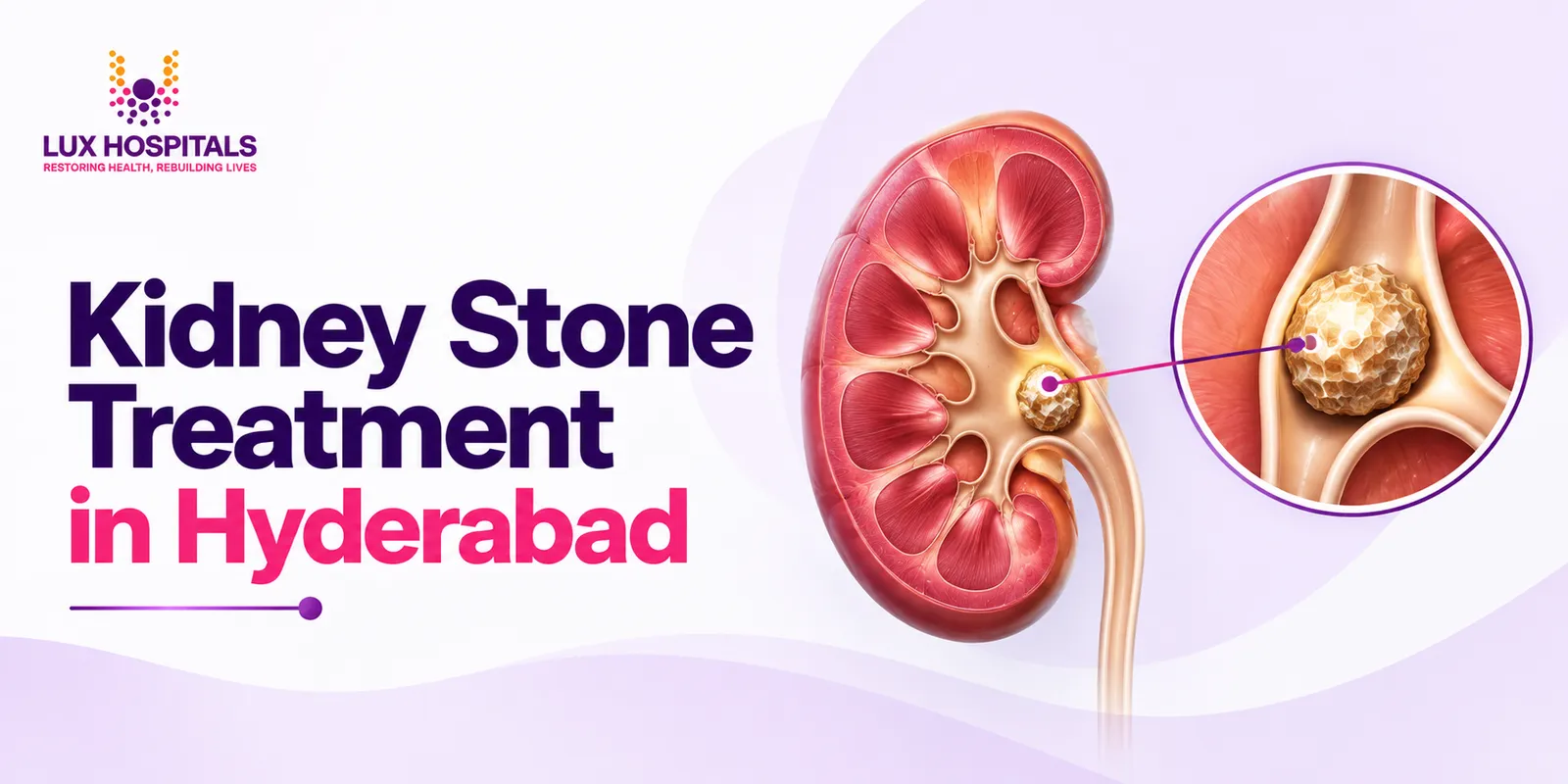
A kidney stone that remains visible on repeat scans can leave you wondering what to do next. Should you wait, change medicines, or consider a procedure? The answer depends on the stone’s size, location, symptoms, blockage, kidney function, and whether it is growing or moving. Don’t choose kidney stone treatment in Hyderabad based on the […]
8 October 2026

Kidney stones can cause sudden, intense pain, difficulty passing urine, nausea and blood in the urine. If a stone doesn’t pass naturally or causes obstruction, infection, or ongoing symptoms, you may need treatment. But with several options available, many patients ask: What is the Best treatment for kidney stones? The answer depends on several factors, […]
17 September 2026

Kidney stones can cause sudden pain, nausea, blood in the urine, and difficulty passing urine. When a stone is too large to pass naturally or causes repeated symptoms, your urologist may recommend a procedure to remove it. Two commonly used options are RIRS and PCNL. But how do you know which treatment is right for […]
2 September 2026
Send your reports across and a senior surgeon will review them, explain the options and tell you honestly whether surgery is the right call.
Plot No.116, Lumbini Avenue, HITEC CITY, Near IKEA, Hyderabad – 500032