Dr. Samhitha Reddy
Consultant Proctologist & Laparoscopic Surgeon
MBBS, MS, FMAS, FISCP, DMAS
- 8 Yrs
- ASCRS Member
By Dr. Priyank Ashokkumar Salecha · MBBS, MS, MCH, DNB 7 May 2025 4 min read Updated 24 September 2025
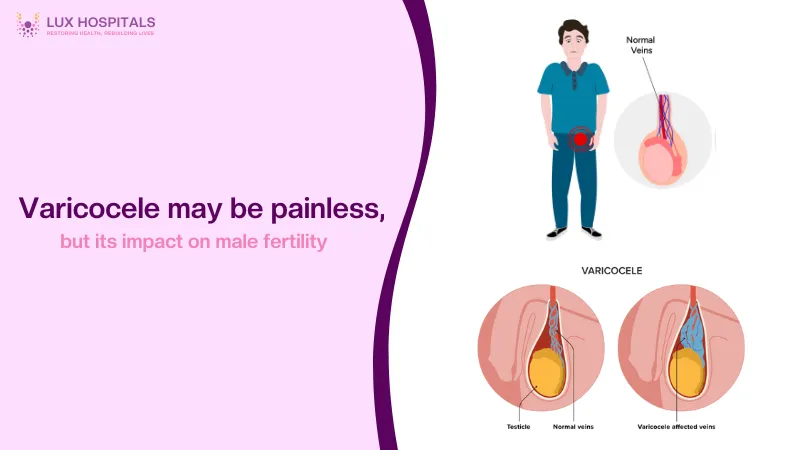
Not every health issue has an early warning sign. Some, like varicocele veins, are frequently overlooked and gradually impact a man’s health and ability to conceive in the future. Male fertility may be greatly impacted by this condition’s hidden effects, even though it may not always produce pain or suffering.
Let’s dive into what varicocele veins are, how they affect fertility, and what you can do about it.
Varicocele veins are enlarged, twisted veins that develop in the scrotum, specifically around the testicles much like varicose veins in the legs. They form when the valves inside the veins that carry blood away from the testicles fail to function properly, causing blood to pool. This condition most often affects the left testicular vein varicocele due to its anatomical position.
These varicocele-enlarged veins in the scrotum are typically found during routine checkups or fertility evaluations. Although they are usually painless, they can create a warmer-than-normal environment around the testicles, which is problematic for sperm health.
One of the testicles’ main roles is to produce healthy sperm. For that to happen, they must stay cooler than the rest of the body. The pooling of blood caused by varicocele veins increases the temperature in the scrotum, disrupting this delicate balance.
Over time, this can lead to:
These effects can quietly contribute to male fertility challenges. Varicocele veins are present in up to 40% of men diagnosed with infertility.
Most men with varicocele veins don’t experience noticeable symptoms. However, some may report:
These varicocele veins symptoms are often more apparent during physical activity or in hot environments. Even if you’re not in pain, if you’re experiencing fertility issues or testicular changes, it’s essential to get checked.
A physical exam by a urologist is often enough to detect varicocele veins, particularly when performed while the patient is standing. A scrotal ultrasound may be performed in some situations to assess the size of the varicocele-enlarged veins in the scrotum and to confirm the diagnosis.
Not every case of varicocele veins needs immediate treatment. But if you’re facing infertility, testicular pain, or shrinkage, intervention may help improve sperm quality and overall testicular health.
Choosing the right varicocele vein treatment. Depending on a number of variables, such as how severe the illness is, your symptoms, and your fertility goals. The best approach is to discuss options with a specialist.
After treatment, many men experience an improvement in sperm parameters within 3 to 6 months. This is especially encouraging for couples trying to conceive. Even if fertility isn’t a current concern, treating varicocele veins can help preserve long-term testicular function and hormone levels.
Recovery time is usually minimal especially with options like laser treatment for varicocele veins and most men can return to daily activities within a few days.
If you don’t experience any pain, varicocele veins may appear insignificant. But they can have a big, unseen effect on male fertility. The good news? With the correct diagnosis and modern treatment options including advanced laser treatment for varicocele veins you can take control of your reproductive health.
At Lux Hospitals, our experienced urologists specialize in diagnosing and treating varicocele veins with a personalized, compassionate approach. Whether you’re dealing with infertility or want peace of mind, we’re here to help you every step of the way.
Yes, varicocele veins can be effectively treated and managed. While they may not always need treatment, procedures like microsurgery, embolization, or laser treatment can help improve symptoms and fertility. Early diagnosis and the right treatment plan can lead to a complete recovery.
Varicocele is not always serious, but it can become a concern if it causes pain, testicular shrinkage, or infertility. In such cases, medical evaluation and treatment are recommended.
Varicocele veins are caused by malfunctioning valves in the veins of the scrotum, which prevent proper blood flow. This leads to blood pooling and enlargement of the veins, most commonly in the left testicular vein, for anatomical reasons.
Varicose veins typically do not go away on their own. While lifestyle changes can help manage symptoms, medical treatments like sclerotherapy, laser therapy, or surgery are often needed to remove or close off the affected veins.
Grade 3 varicocele is the most severe form, where the enlarged veins in the scrotum are visibly noticeable and can be easily felt even without touching. It may cause discomfort and is more likely to affect male fertility.
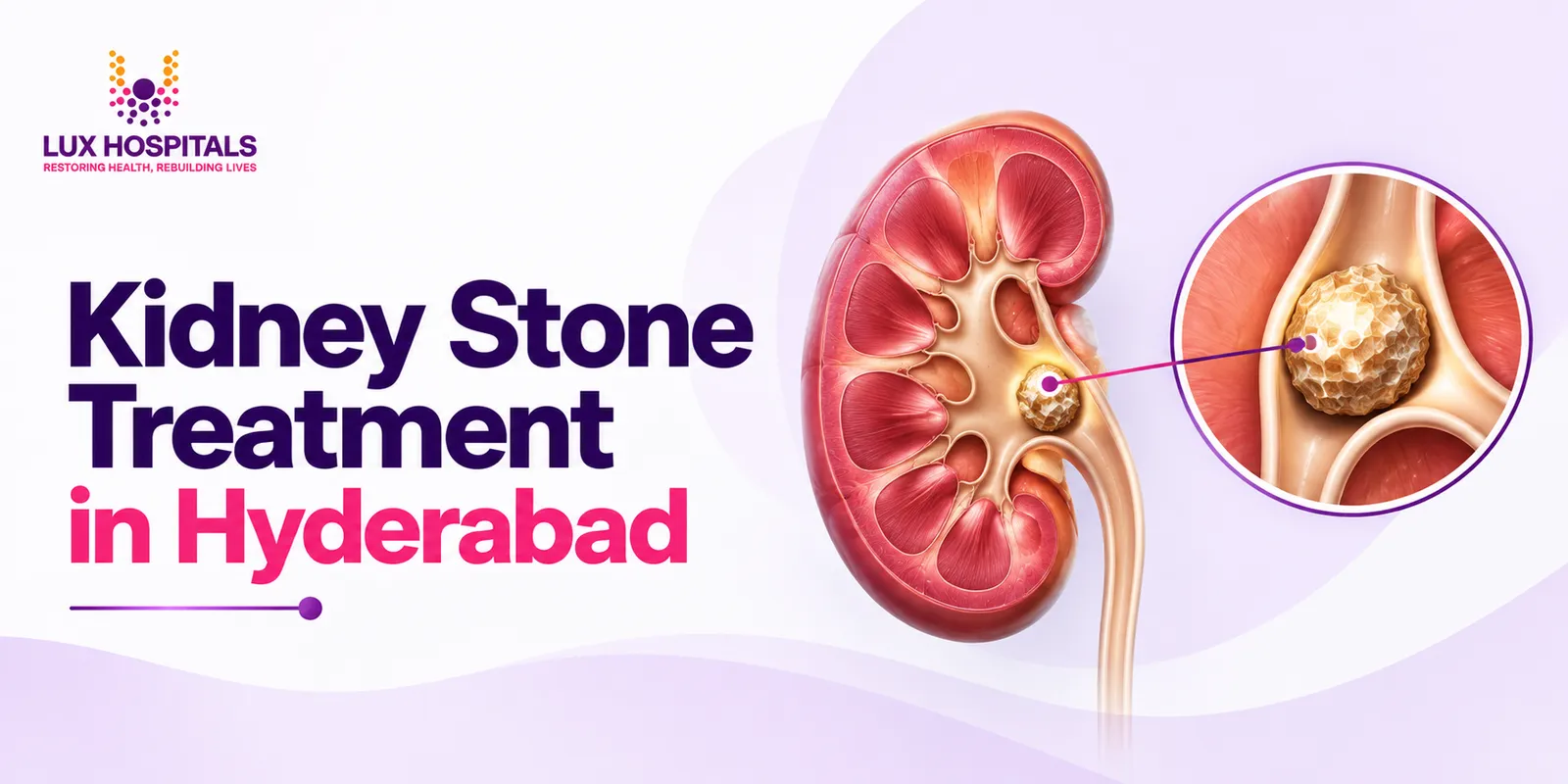
A kidney stone that remains visible on repeat scans can leave you wondering what to do next. Should you wait, change medicines, or consider a procedure? The answer depends on the stone’s size, location, symptoms, blockage, kidney function, and whether it is growing or moving.
8 October 2026
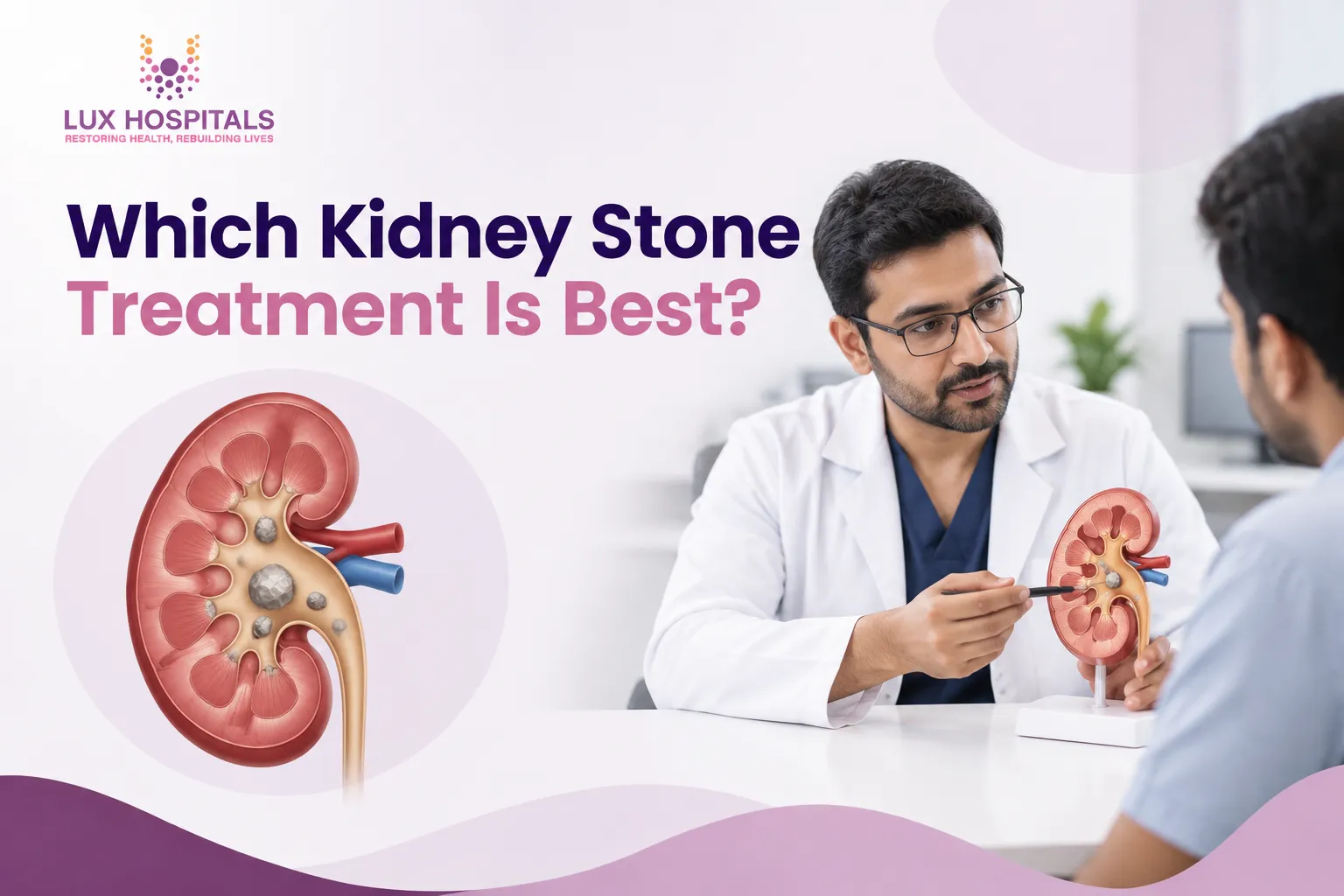
Kidney stones can cause sudden, intense pain, difficulty passing urine, nausea and blood in the urine. If a stone doesn’t pass naturally or causes obstruction, infection, or ongoing symptoms, you may need treatment. But with several options available, many patients ask: What is the Best treatment for kidney stones?
17 September 2026
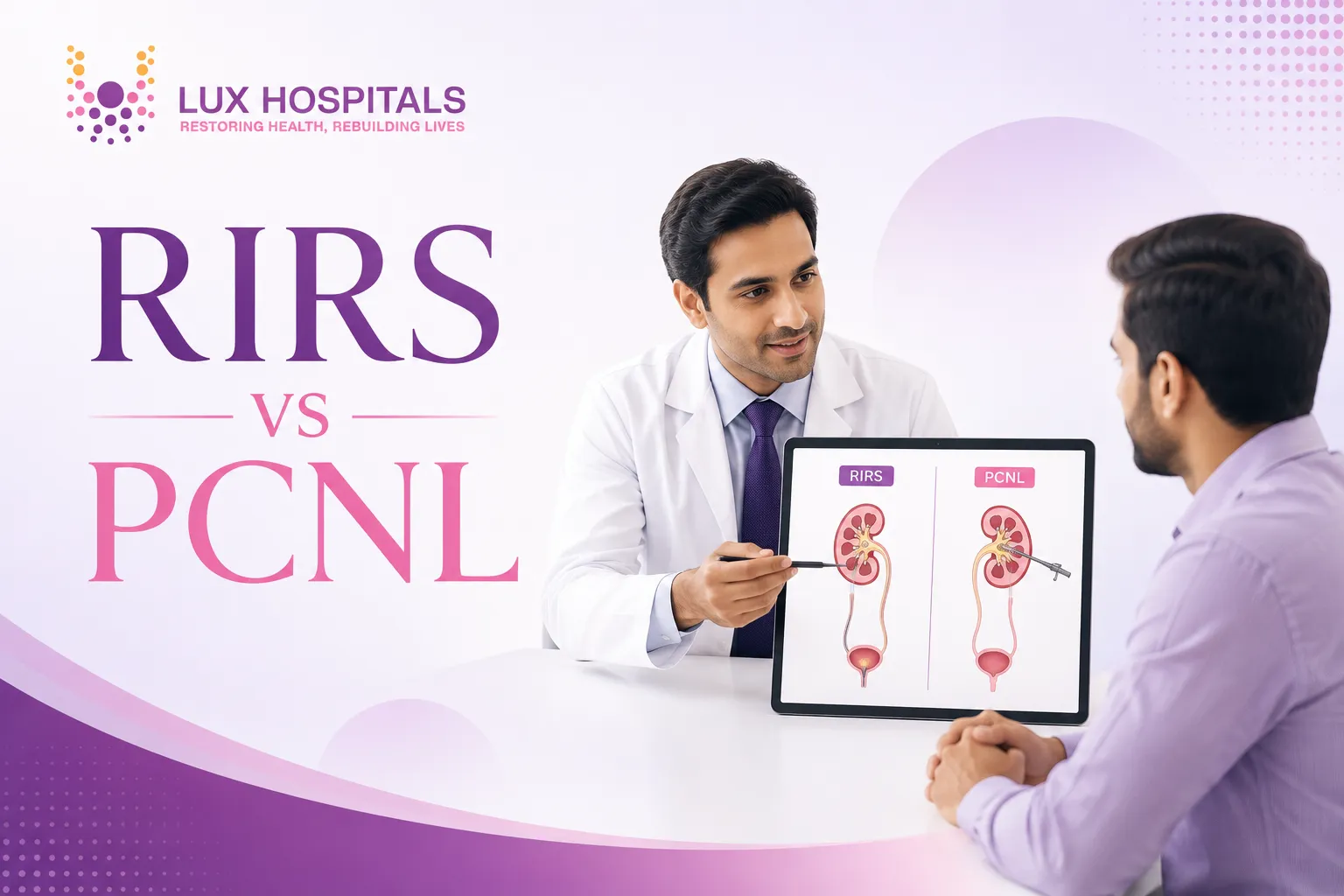
Kidney stones can cause sudden pain, nausea, blood in the urine, and difficulty passing urine. When a stone is too large to pass naturally or causes repeated symptoms, your urologist may recommend a procedure to remove it. Two commonly used options are RIRS and PCNL.
2 September 2026
Send your reports across and a senior surgeon will review them, explain the options and tell you honestly whether surgery is the right call.
Plot No.116, Lumbini Avenue, HITEC CITY, Near IKEA, Hyderabad – 500032