Dr. Samhitha Reddy
Consultant Proctologist & Laparoscopic Surgeon
MBBS, MS, FMAS, FISCP, DMAS
- 8 Yrs
- ASCRS Member
General and Laparoscopic Surgery
By Dr Abhishek Katha · MBBS, MS, FMAS 27 May 2025 4 min read Updated 25 September 2025
It takes time, patience, and attention to your body’s needs to recover from hernia surgery. Your recuperation is essential to avoiding recurrence and regaining strength, regardless of whether you have had abdominal, umbilical, or inguinal hernia surgery. In this blog, we’ll guide you through essential aspects of hernia surgery recovery, including diet after hernia surgery, […]
It takes time, patience, and attention to your body’s needs to recover from hernia surgery. Your recuperation is essential to avoiding recurrence and regaining strength, regardless of whether you have had abdominal, umbilical, or inguinal hernia surgery.
In this blog, we’ll guide you through essential aspects of hernia surgery recovery, including diet after hernia surgery, safe exercises, and self-care tips, to help you heal faster and feel better sooner.
After hernia surgery, it’s normal to experience mild discomfort, swelling, or a feeling of tightness in the operated area. This is especially common in the first few days. Everyone’s recovery time from hernia surgery is slightly different, depending on the type of hernia, the surgical method (open vs. laparoscopic), and overall health.
Most people return to light activities within a week, but complete recovery from hernia surgery may take 4–6 weeks. It’s important to follow your surgeon’s instructions closely and avoid straining your body too soon.
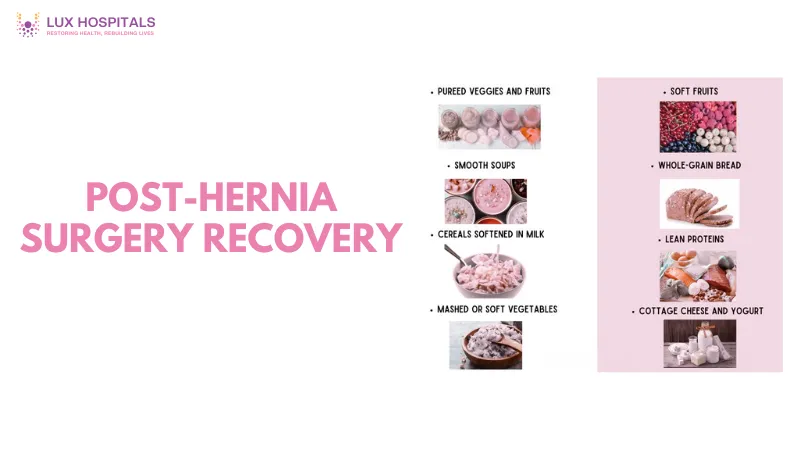
Your hernia surgery recovery diet is critical to the healing process. Eating the right foods can reduce bloating, ease bowel movements, and prevent straining, one of the most significant risks for hernia after surgery.
Sticking to a gentle, nutritious hernia surgery diet in the first few weeks will ease discomfort and reduce the chance of complications.
Exercise is essential for a smooth hernia surgery recovery, but timing and intensity matter.
Remember, hernia surgery recovery time can vary. Always listen to your body and avoid rushing the process.
The simple routines shown below can significantly improve your recovery:
Controlling pain is essential, especially in the beginning. As directed, take prescription medications to maintain your comfort and abilities.
Belts and tight jeans should be avoided since they may cause irritation to the surgical site.
A fibre-rich hernia surgery recovery diet and adequate water intake can help. If needed, ask your doctor about stool softeners.
Use your hand or a small pillow to support your belly when coughing or sneezing.
Your surgeon will keep an eye on your recuperation and offer you personalized guidance.
Even if you’re following all the recovery tips, staying alert for warning signs is essential. Contact your doctor if you notice:
Early medical intervention can guarantee appropriate healing and avoid problems.
With the right care, most people recover completely following hernia surgery and return to their normal activities, even though recovery takes time. Following a balanced diet, exercising with caution, and paying attention to your body are the best ways to prevent a recurrence after surgery for a hernia.
If your symptoms are getting worse or you’re worried about how long it will take to recover from hernia surgery, don’t be afraid to call your doctor. You are getting closer to a stronger, pain-free tomorrow with each action you take today.
Hernia surgery recovery time typically ranges from 4 to 6 weeks. However, recovery may be quicker for laparoscopic procedures and slower for open surgery. Your doctor will provide you advice depending on your unique situation.
A proper diet after hernia surgery should include high-fibre foods, lean proteins, and plenty of fluids to avoid Constipation. In the early days, avoid greasy, spicy, and carbonated foods.
Yes, gentle walking is encouraged within 24 hours of hernia surgery to improve circulation and reduce the risk of blood clots. Until your doctor gives the all-clear, refrain from strenuous exercise or heavy lifting.
It depends on your job. Most people with desk jobs return within 1–2 weeks, but physically demanding work may require up to 4–6 weeks of hernia surgery recovery time.
Yes, mild bloating and discomfort are common during the early recovery period. Following a gentle hernia surgery recovery diet can help ease symptoms.
Watch for swelling, pain, or a bulge near the surgery site. If you suspect a recurrence, consult your doctor promptly to evaluate the possibility of a hernia after surgery.
Light walking and stretching are safe during the first few weeks. However, avoid core workouts, heavy lifting, and high-impact activities until your doctor gives you permission.
While a specific hernia surgery diet is most important during the initial recovery phase, maintaining a fibre-rich, balanced diet long-term can help prevent strain and reduce the risk of recurrence.

There is more to recurrent foot corns than merely a cosmetic issue. They may result in ongoing pain, trouble walking, and recurrent discomfort that interferes with day-to-day activities. Home treatments and over-the-counter corn pads may offer short-term comfort, but they frequently don’t address the root cause. Consequently, Recurring Foot Corns continue to recur, causing discomfort […]
29 July 2026
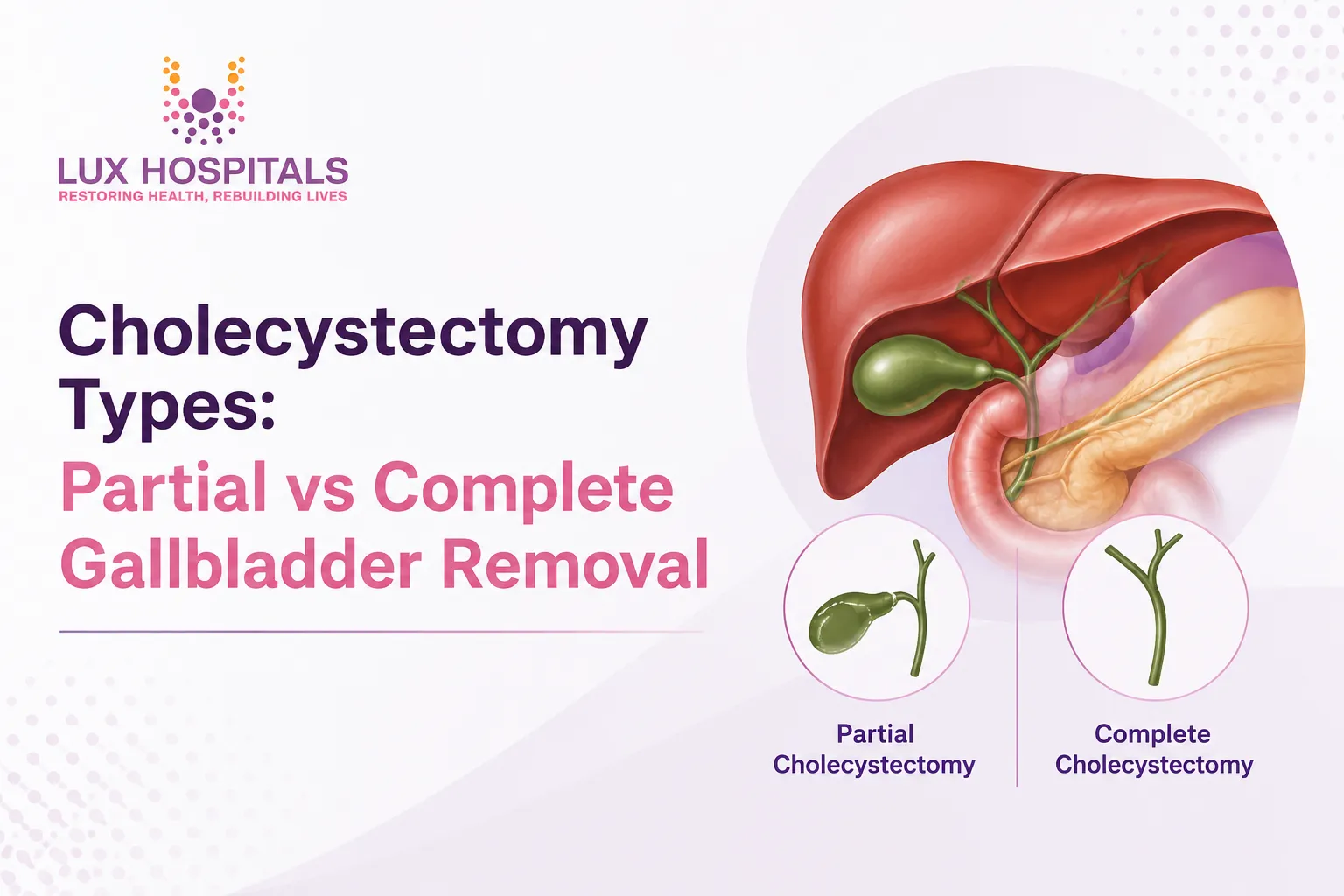
Gallbladder disease is a prevalent digestive problem that affects millions of people worldwide. To prevent serious consequences, surgery is often necessary to treat conditions such as gallstones, gallbladder inflammation, and infections. Partial removal may be advised in certain circumstances where removing the entire gallbladder could be dangerous, even though total removal is the typical technique. […]
24 July 2026
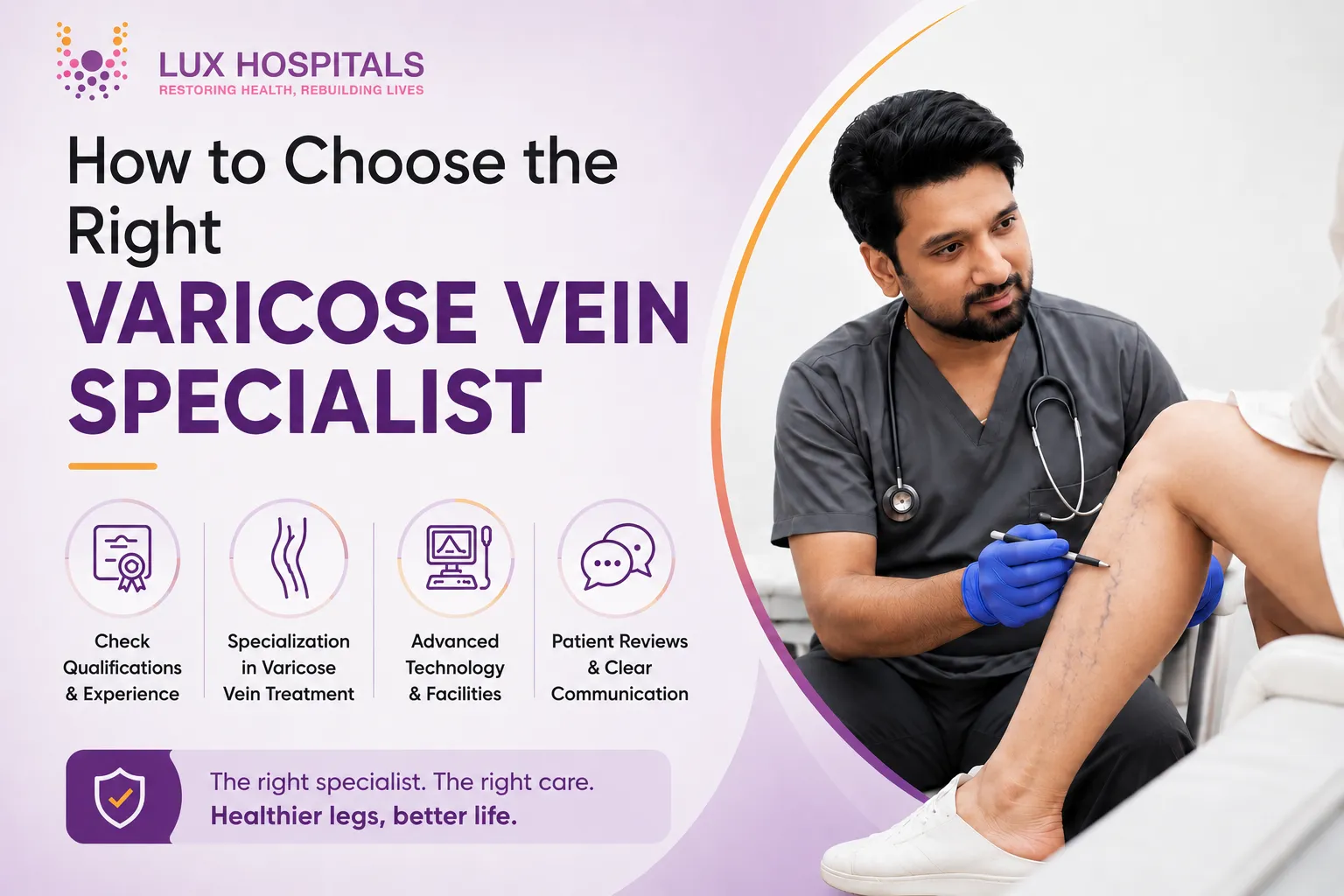
There is more to varicose veins than just appearance. If neglected, they might result in skin changes, pain, oedema, leg heaviness, and even problems. One of the most crucial choices you can make for successful treatment and long-term comfort is selecting the correct varicose vein specialist. A skilled expert can correctly identify the underlying problem, […]
20 July 2026
Send your reports across and a senior surgeon will review them, explain the options and tell you honestly whether surgery is the right call.
Plot No.116, Lumbini Avenue, HITEC CITY, Near IKEA, Hyderabad – 500032