Dr. Samhitha Reddy
Consultant Proctologist & Laparoscopic Surgeon
MBBS, MS, FMAS, FISCP, DMAS
- 8 Yrs
- ASCRS Member
By Dr. Priyank Ashokkumar Salecha · MBBS, MS, MCH, DNB 21 May 2026 4 min read
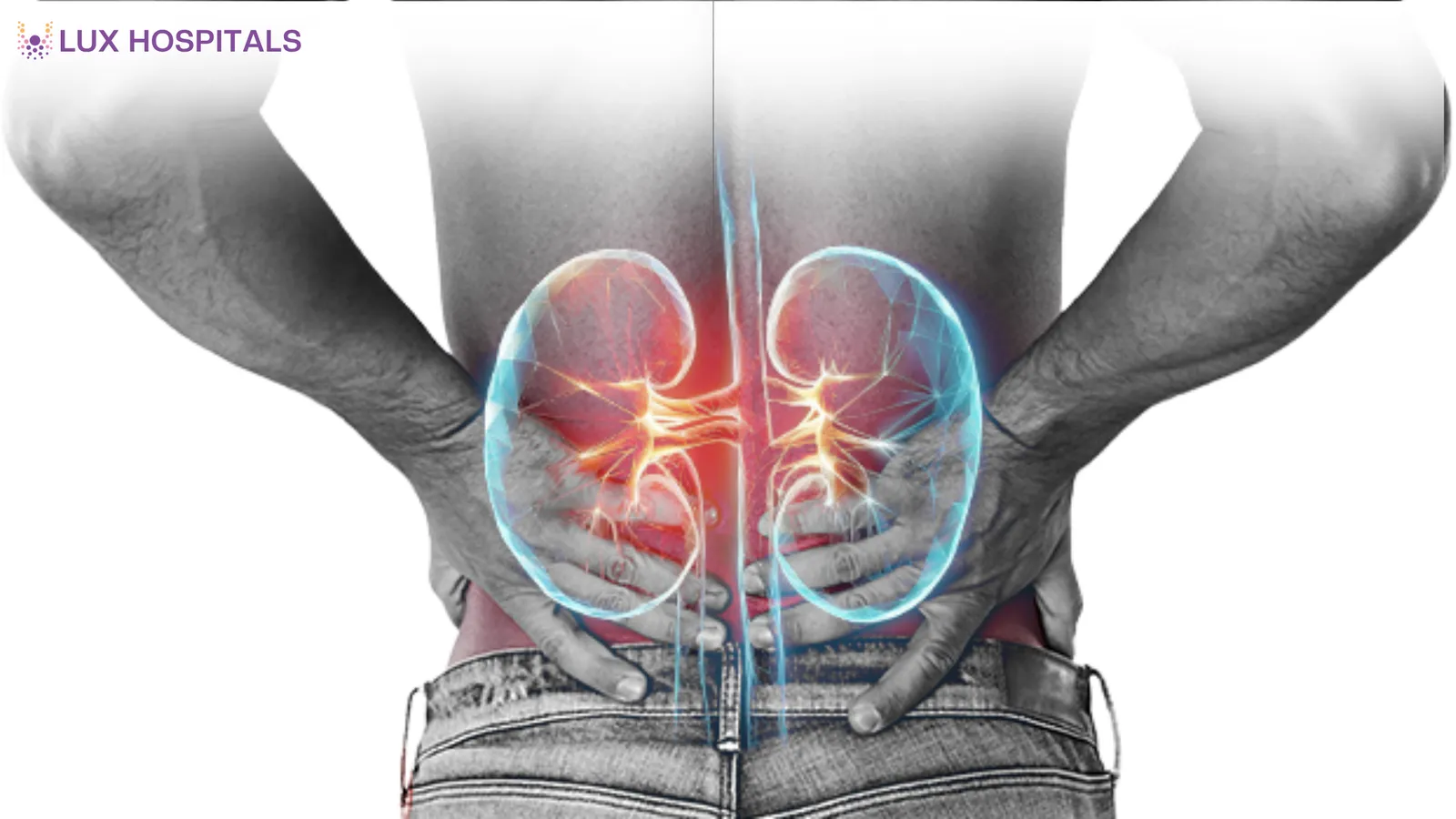
Every day, your kidneys function silently. They help produce red blood cells, balance fluids, filter waste, and regulate blood pressure. However, until the situation worsens, many people ignore the warning signs of renal failure. Your life and kidneys can be saved by early detection. When the kidneys are unable to effectively filter waste, renal failure, […]
Every day, your kidneys function silently. They help produce red blood cells, balance fluids, filter waste, and regulate blood pressure. However, until the situation worsens, many people ignore the warning signs of renal failure. Your life and kidneys can be saved by early detection. When the kidneys are unable to effectively filter waste, renal failure, also known as kidney failure, occurs. Acute events can occur abruptly, while chronic events occur gradually over time.
These symptoms may appear mild at first but can signal serious kidney damage. Recognising them early can help prevent long-term complications and kidney failure.
One of the most overlooked Warning Signs of Renal Failure is constant tiredness. When your kidneys fail to filter toxins, waste builds up in your blood. This causes fatigue, lack of energy, and difficulty concentrating.
Your urine reveals a lot about kidney health. Notice these changes:
These urinary changes are common Warning Signs of Renal Failure. Foamy urine may indicate protein leakage, while blood in urine suggests kidney damage.
When kidneys fail to remove excess fluid, swelling occurs. This condition, called edema, often appears in:
Fluid retention is one of the visible Warning Signs of Renal Failure. Ignoring swelling can worsen underlying kidney issues.
Kidney dysfunction can cause fluid buildup in the lungs. Additionally, anaemia linked to kidney disease reduces oxygen delivery to tissues. This leads to breathlessness, especially during physical activity. Shortness of breath combined with fatigue is among the serious Warning Signs of Renal Failure that require urgent medical attention.
As toxins accumulate in the bloodstream, you may feel nauseous. Loss of appetite, vomiting, and metallic taste in the mouth are also common symptoms. These digestive issues often appear as subtle Warning Signs of Renal Failure, especially in chronic cases.
Your kidneys help regulate blood pressure. When they malfunction, blood pressure rises. At the same time, uncontrolled hypertension damages the kidney blood vessels. High blood pressure is both a cause and a warning sign of renal failure because of this detrimental loop.
Toxin buildup can cause dry, itchy skin. Mineral and bone disorders associated with kidney disease may also cause skin irritation. Persistent itching without an obvious reason may signal underlying Warning Signs of Renal Failure.
Sleep habits might be disturbed by kidney illness. Waste accumulation can alter brain chemistry and cause insomnia or restless nights. A medical examination should be prompted when sleep difficulties are paired with other warning signs of renal failure.
Healthy kidneys maintain electrolyte balance. When they fail, the levels of sodium, potassium, and calcium fluctuate. This imbalance causes muscle cramps, weakness, and irregular heart rhythms.
Certain individuals should watch closely for the Warning Signs of Renal Failure:
If you fall into any of these categories, schedule regular kidney function tests.
You should seek medical help if you experience:
Early screening tests include blood creatinine, GFR (glomerular filtration rate), urine analysis, and imaging studies. Timely diagnosis can slow or even prevent the progression of kidney failure.
Preventing kidney damage is possible with simple lifestyle steps:
Recognizing the Warning Signs of Renal Failure and adopting preventive habits can significantly improve your quality of life.
Many patients ignore the Warning Signs of Renal Failure because symptoms develop slowly. By the time severe signs appear, kidney function may already be critically low.
Early intervention helps:
Ignoring the Warning Signs of Renal Failure can lead to life-threatening complications. Early detection offers hope, control, and better outcomes. At Lux Hospital, our expert nephrology team provides advanced diagnostics and compassionate care. Lux Hospital focuses on early intervention, personalised treatment, and patient-centred support. Choose Lux Hospital for trusted kidney care and long-term wellness.
Fatigue, modest foot oedema, and minor changes in urine patterns are frequently the earliest warning signs of renal failure. Additionally, a lot of folks report increased midnight urination or frothy urine.
Yes, chronic kidney disease can progress silently without obvious symptoms in the early stages. Many patients do not notice the warning signs of Renal Failure until kidney function significantly declines.
If medical professionals promptly diagnose and treat the underlying cause, acute renal failure may be reversible. On the other hand, chronic kidney failure typically worsens over time and needs ongoing care.
Doctors diagnose renal failure through blood tests that measure creatinine and GFR levels, along with urine tests to check protein leakage. Imaging studies, such as ultrasound, may also evaluate kidney structure.
You should worry if you experience persistent fatigue, swelling, changes in your urine, or uncontrolled high blood pressure. These may be Warning Signs of Renal Failure that require medical evaluation.
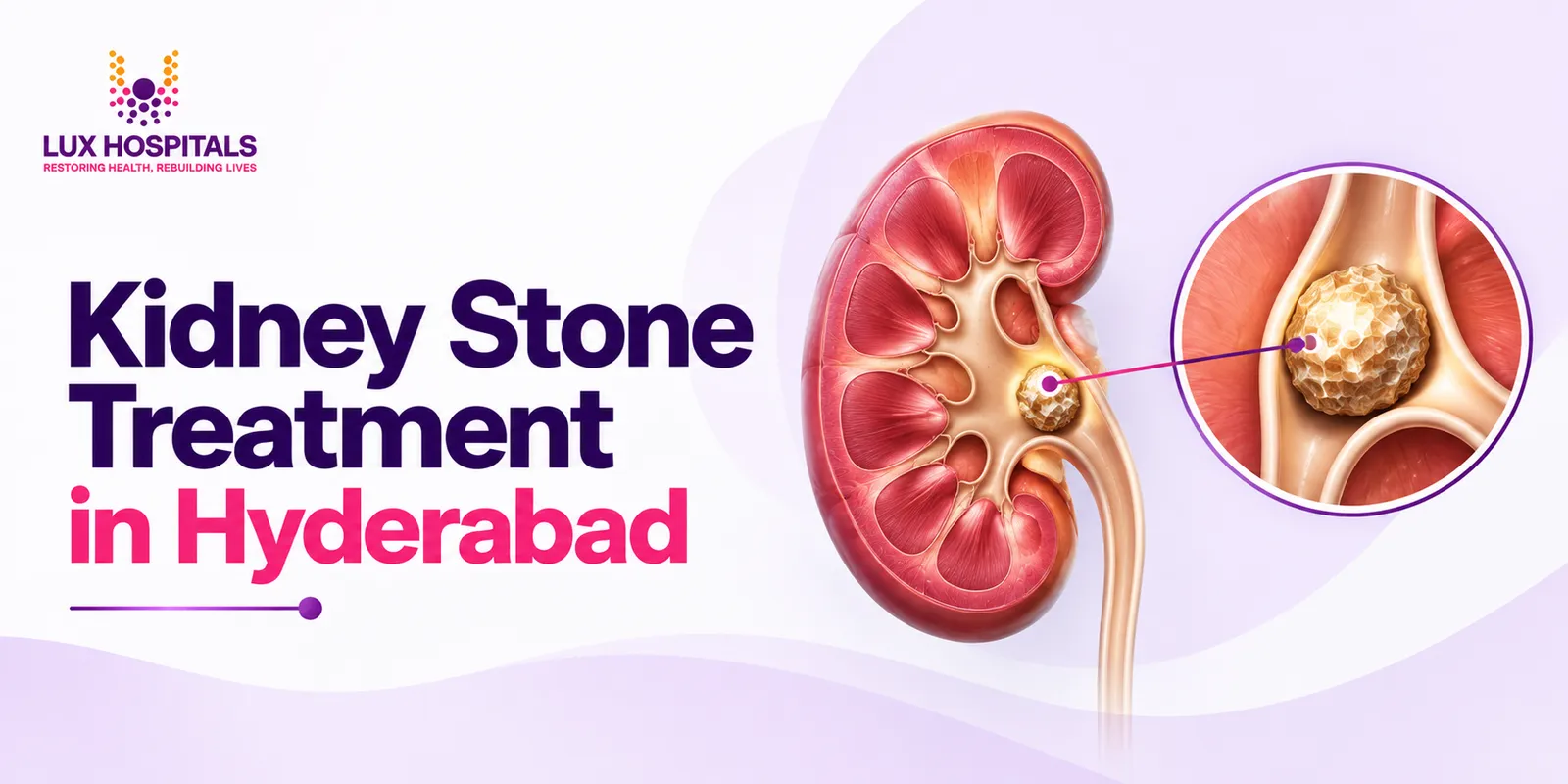
A kidney stone that remains visible on repeat scans can leave you wondering what to do next. Should you wait, change medicines, or consider a procedure? The answer depends on the stone’s size, location, symptoms, blockage, kidney function, and whether it is growing or moving. Don’t choose kidney stone treatment in Hyderabad based on the […]
8 October 2026

Kidney stones can cause sudden, intense pain, difficulty passing urine, nausea and blood in the urine. If a stone doesn’t pass naturally or causes obstruction, infection, or ongoing symptoms, you may need treatment. But with several options available, many patients ask: What is the Best treatment for kidney stones? The answer depends on several factors, […]
17 September 2026

Kidney stones can cause sudden pain, nausea, blood in the urine, and difficulty passing urine. When a stone is too large to pass naturally or causes repeated symptoms, your urologist may recommend a procedure to remove it. Two commonly used options are RIRS and PCNL. But how do you know which treatment is right for […]
2 September 2026
Send your reports across and a senior surgeon will review them, explain the options and tell you honestly whether surgery is the right call.
Plot No.116, Lumbini Avenue, HITEC CITY, Near IKEA, Hyderabad – 500032