Dr. Samhitha Reddy
Consultant Proctologist & Laparoscopic Surgeon
MBBS, MS, FMAS, FISCP, DMAS
- 8 Yrs
- ASCRS Member
By Dr Samhitha Reddy · MBBS, MS, FISCP, FMAS, DMAS 22 September 2025 5 min read
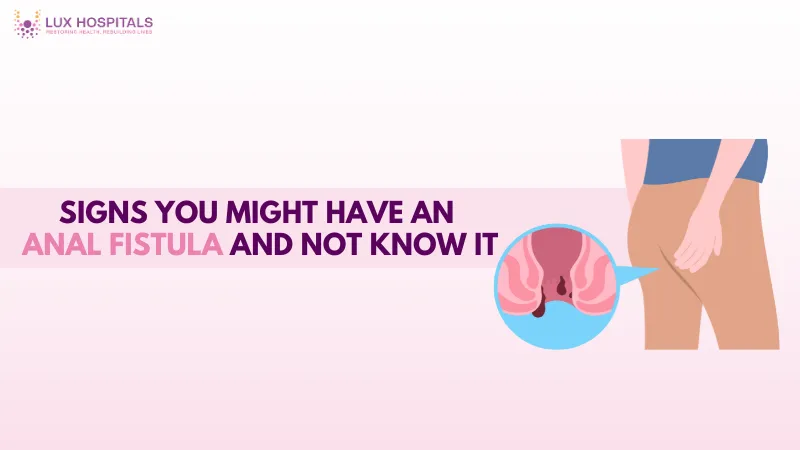
Anal fistula is a small tunnel-like connection between the inside of the anus and the skin around it, often caused by an infection or abscess. While it may seem like a minor issue at first, leaving it untreated can lead to significant discomfort and complications. Many people do not even realize they have an anal […]
Anal fistula is a small tunnel-like connection between the inside of the anus and the skin around it, often caused by an infection or abscess. While it may seem like a minor issue at first, leaving it untreated can lead to significant discomfort and complications. Many people do not even realize they have an anal fistula until symptoms become severe. Understanding the signs early can help you seek medical care before the condition worsens. The key will be explained in this post. signs of an anal fistula, what causes it, and why it’s essential to get timely treatment.
An anal fistula usually develops when an anal gland develops an abscess after becoming infected, which then creates a tract leading to the skin surface. It may cause continuous or intermittent drainage of pus, discomfort, and sometimes bleeding. This condition can occur due to chronic infections, inflammatory bowel disease, trauma, or previous surgeries. Anal fistulas, in contrast to transient skin infections, usually necessitate medical or surgical intervention because they do not heal on their own.
Recognizing the signs of an anal fistula is crucial for early treatment. These are some symptoms to be aware of.
A severe, throbbing pain around the anus is one of the most typical symptoms of an anal fistula. When you sit, move, or have bowel movements, this pain might get worse. Sometimes the discomfort doesn’t go away even while you’re at rest, which means there’s an infection or inflammation going on.
An underlying anal fistula may be the cause of any bulge or lump you observe around the anus. An infection may be indicated by this swelling, which frequently feels sensitive to the touch and may be accompanied by warmth or redness. Sometimes the tumor will spontaneously drain blood or pus.
The drainage of pus, blood, or both from the orifice close to the anus is a clear indication of an anal fistula. The discharge may leave stains on undergarments and frequently has an unpleasant smell. Constant drainage may necessitate frequent cleaning and make personal hygiene difficult.
The drainage of pus, blood, or both from the orifice close to the anus is a clear indication of an anal fistula. The discharge may leave stains on undergarments and frequently has an unpleasant smell. Constant drainage may necessitate frequent cleaning and make personal hygiene difficult.
Systemic symptoms, including fever, chills, and exhaustion, can occasionally be brought on by anal fistulas. These happen when the illness gets worse or spreads, which means you need to see a doctor at once. Ignoring these indicators may result in more significant problems.
Several factors can lead to the development of an anal fistula:
Understanding the cause helps doctors plan appropriate treatment and prevent recurrence.
An untreated anal fistula can lead to chronic pain, recurrent infections, and severe abscesses. Sometimes the infection spreads farther, leading to consequences that necessitate major surgery. Improving recovery results and preventing additional harm are two benefits of early diagnosis and treatment. Most treatments involve minor surgery, but modern techniques ensure minimal discomfort and quick healing. If left ignored, the illness could get worse and have an impact on your overall quality of life.
Let’s say you think you may have an anal fistula. In order to evaluate the situation, a physician will perform a physical examination and might prescribe imaging tests like an MRI or ultrasound.
Early intervention helps prevent recurrence and improves healing time.
Maintaining proper hygiene, using sitz baths for comfort, and closely adhering to your doctor’s recommendations are all important aspects of managing an anal fistula both before and after treatment.
Taking these steps can help improve comfort and speed up recovery.
Although an anal fistula might appear to be a small concern, if treatment is not received, it can lead to long-term issues. You can seek medical attention before difficulties emerge by being aware of the warning signals, which include pain, swelling, drainage, or recurrent abscesses. Systemic symptoms, including fever, chills, and exhaustion, can occasionally be brought on by anal fistulas. These happen when the illness gets worse or spreads, which means you need to see a doctor very often. Ignoring these indicators may result in more significant problems.
The first signs of an anal fistula often include pain around the anus, swelling, and discharge of pus or blood. You may also notice irritation or a foul-smelling discharge from the opening. If left untreated, abscesses may recur frequently.
Most anal fistulas do not heal on their own and require medical or surgical treatment. While antibiotics may help control infection temporarily, they do not close the fistula tract. Surgery is often the most effective way to ensure complete healing.
Although rarely fatal, an anal fistula can result in severe pain, discomfort, and infections if treatment is not received. Your everyday life and general health may also be impacted by recurrent abscesses. Early intervention lowers these risks.
While most anal fistulas are caused by infections or inflammatory conditions, in rare cases, chronic fistulas may be linked to cancer. If symptoms persist or worsen, it’s essential to get evaluated by a specialist.
Doctors usually diagnose an anal fistula through a physical assessment and could employ imaging tests such as MRI or ultrasound. a physical assessment and could employ imaging tests such as

If a piles lump comes out with every bowel movement, it may indicate prolapsing haemorrhoids. The right prolapsed piles treatment depends on the severity of the prolapse, bleeding, pain, bowel habits and whether the lump goes back on its own. A specialist examination can help identify the right treatment. Noticing a lump coming out during […]
14 October 2026
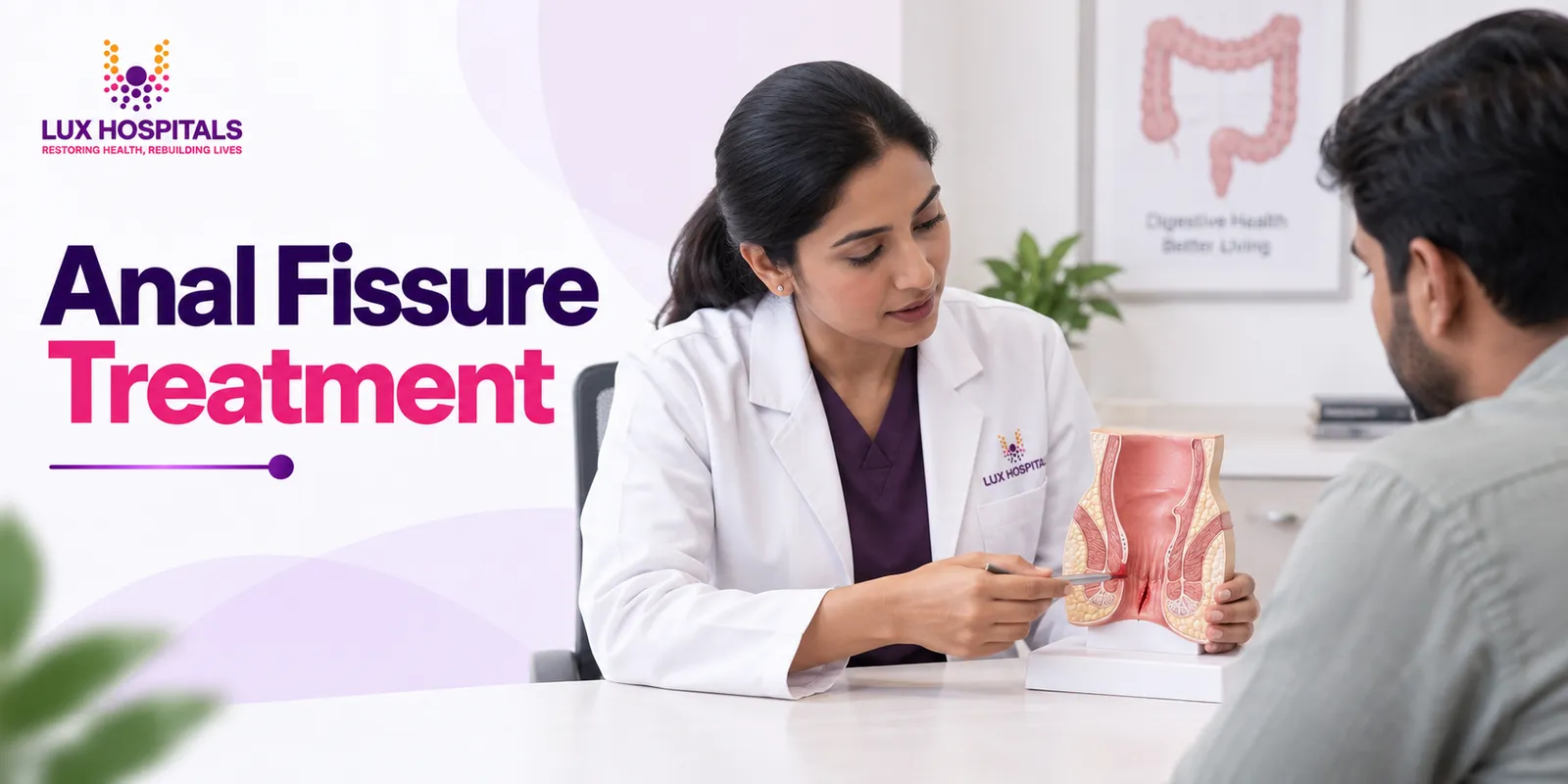
Anal fissure treatment should be discussed with a doctor when pain continues despite prescribed ointment, especially if pain lasts after bowel movements, bleeding keeps returning, or symptoms interfere with daily life. Persistent symptoms may mean the fissure has not healed, is recurring, or needs a different treatment approach.Pain after passing stool is a common reason […]
8 October 2026
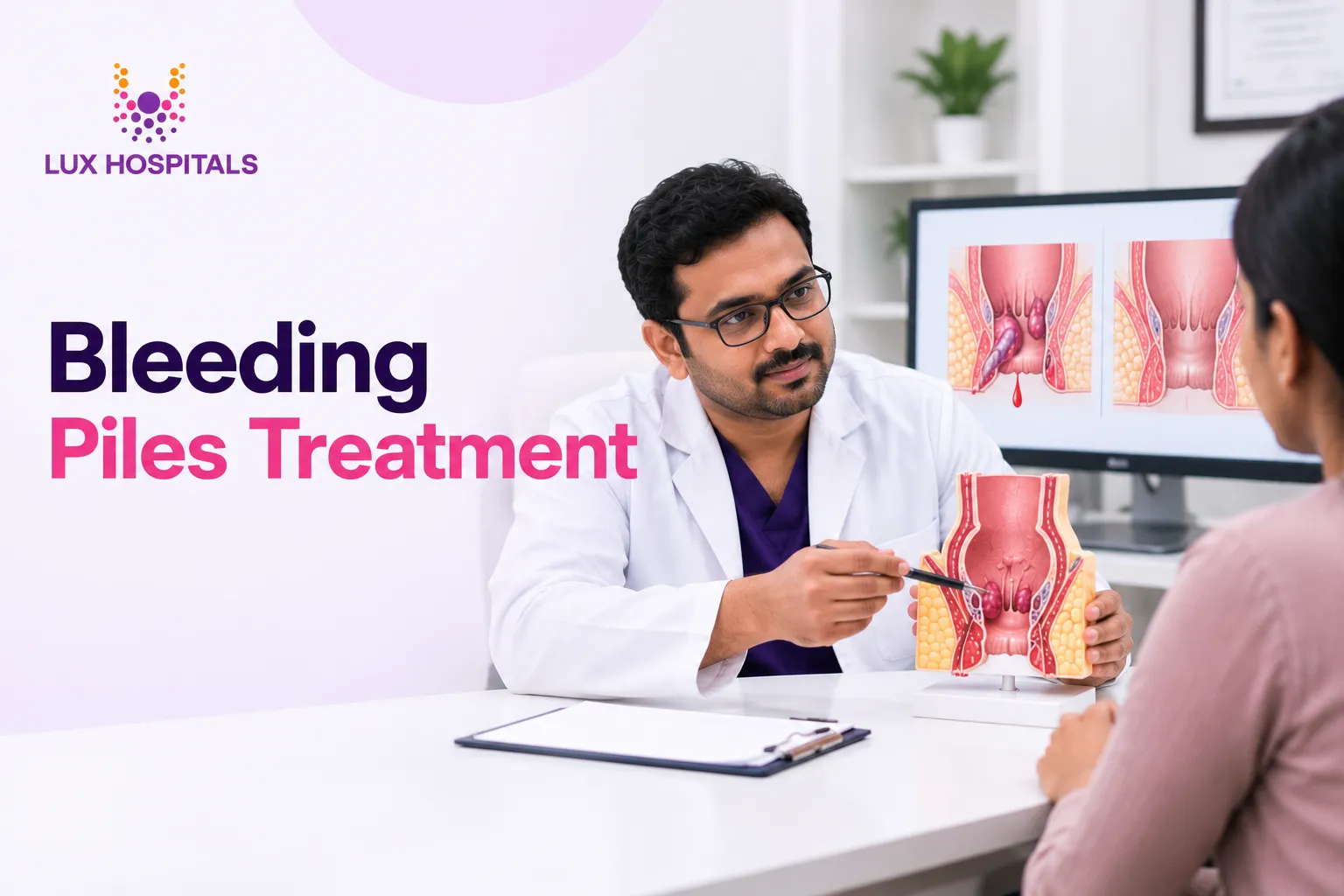
Bleeding during bowel movements is one of the common symptoms of piles, but when it keeps returning despite medicines, it should not simply be ignored. Temporary relief from creams, tablets, or other medicines does not always address the reason behind recurrent bleeding. The severity and type of haemorrhoids, bowel habits, constipation, straining, and other possible […]
4 October 2026
Send your reports across and a senior surgeon will review them, explain the options and tell you honestly whether surgery is the right call.
Plot No.116, Lumbini Avenue, HITEC CITY, Near IKEA, Hyderabad – 500032