Dr. Samhitha Reddy
Consultant Proctologist & Laparoscopic Surgeon
MBBS, MS, FMAS, FISCP, DMAS
- 8 Yrs
- ASCRS Member
By Dr Samhitha Reddy · MBBS, MS, FISCP, FMAS, DMAS 12 September 2024 4 min read Updated 3 September 2025
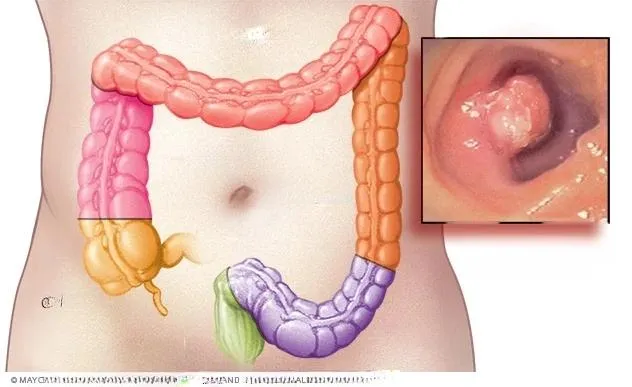
can appear in the rectum or anus. While they are often benign, some types of anal polyps can lead to more serious conditions, including cancer. Fortunately, there are lifestyle changes you can adopt to reduce your risk of developing anal polyps. This blog will explore these lifestyle modifications in detail, helping you understand how to proactively prevent anal polyps.
Before diving into preventive measures, it’s essential to understand what anal polyps are and their potential risks. Anal polyps are small, non-cancerous growths that develop on the lining of the rectum or anus. They can vary in size and number and are often asymptomatic, meaning they may not present noticeable symptoms until they become larger or more problematic.
A high-fiber diet is one of the most effective lifestyle changes to prevent anal polyps. Fiber aids in digestion and promotes regular bowel movements, which can help prevent constipation and reduce strain during bowel movements.
Proper hydration is crucial for maintaining bowel health and preventing constipation, which can contribute to the formation of anal polyps.
Regular physical activity is beneficial for digestive health and can help prevent conditions that contribute to anal polyps.
Obesity and excess weight can increase the risk of developing anal polyps and other health issues. Maintaining a healthy weight is essential for overall well-being and can help reduce this risk.
Both alcohol and tobacco use can negatively impact digestive health and increase the risk of various health conditions, including anal polyps.
While not a lifestyle change per se, regular health screenings are an essential preventive measure. Early detection of any abnormalities can lead to timely intervention and treatment.
Chronic stress can affect various aspects of health, including digestive function. Managing stress effectively can support overall well-being and help prevent conditions that may lead to anal polyps.
Preventing anal polyps involves a combination of dietary adjustments, lifestyle changes, and regular health screenings. By adopting a high-fiber diet, staying hydrated, exercising regularly, maintaining a healthy weight, limiting alcohol and tobacco, managing stress, and undergoing regular screenings, you can significantly reduce your risk of developing anal polyps and support overall digestive health.
Remember, while these lifestyle changes can help prevent anal polyps, it’s essential to consult with a healthcare provider for personalized advice and regular check-ups. Taking proactive steps towards a healthier lifestyle can make a significant difference in your overall well-being and help you avoid potential health issues in the future.
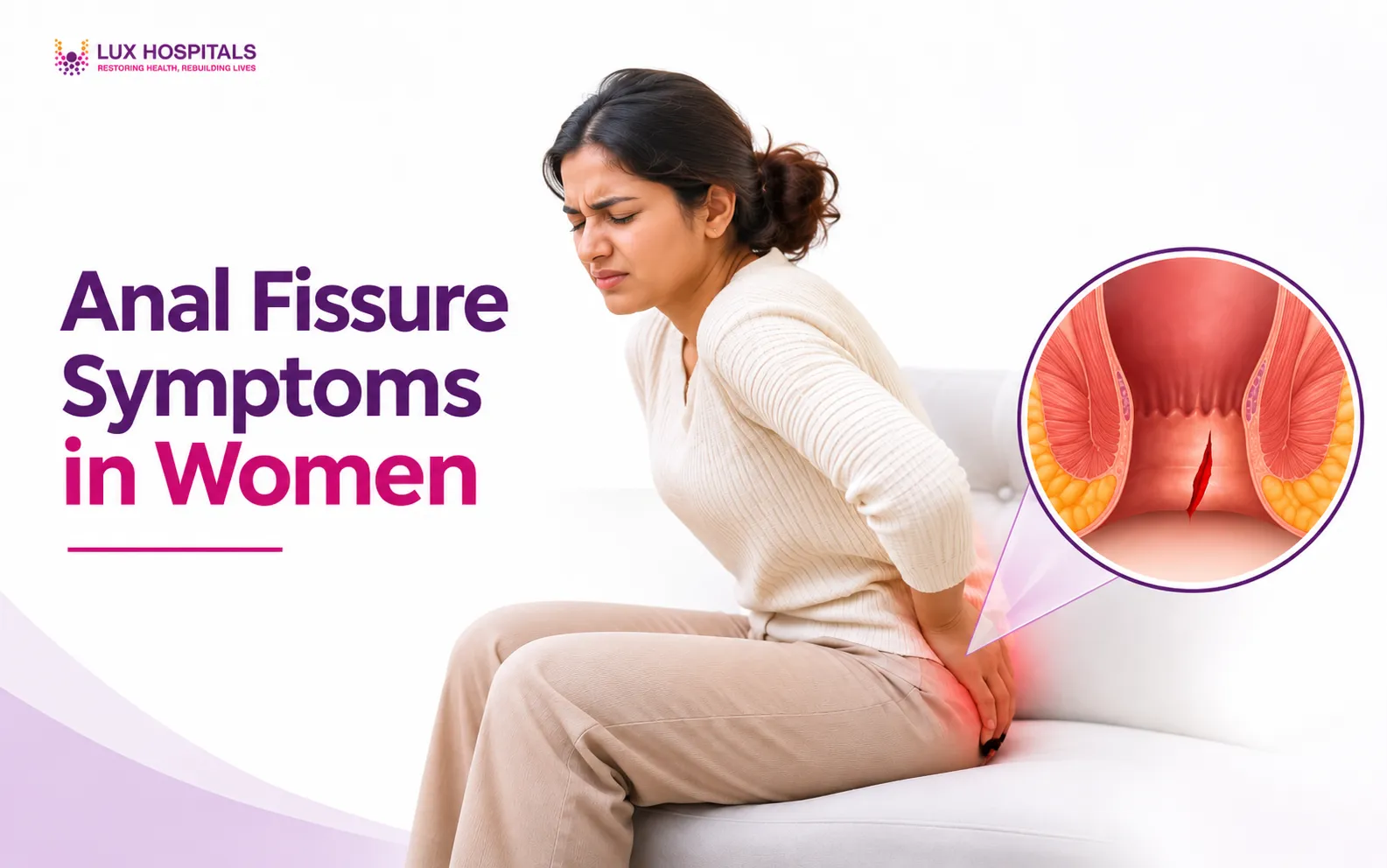
What Is an Anal Fissure? An anal fissure is a small tear in the lining of the anal canal. It can cause sharp or burning pain during bowel movements and may produce a small amount of bright-red bleeding. The existing Lux article highlights constipation, childbirth and changes in bowel habits as factors that may contribute to anal fissures in women. Although anal fissures can occur in anyone, women may experience additional considerations related to pregnancy, childbirth and changes in bowel habits.
11 November 2026

After fistula surgery, your body needs nutrients to support wound healing. At the same time, avoiding constipation and excessive straining can help make bowel movements more comfortable. A suitable fistula surgery diet should provide fibre, fluids, protein, and other nutrients, adjusted according to your doctor's instructions.
9 November 2026
If a piles lump comes out with every bowel movement, it may indicate prolapsing haemorrhoids. The right prolapsed piles treatment depends on the severity of the prolapse, bleeding, pain, bowel habits and whether the lump goes back on its own. A specialist examination can help identify the right treatment.
14 October 2026
Send your reports across and a senior surgeon will review them, explain the options and tell you honestly whether surgery is the right call.
Plot No.116, Lumbini Avenue, HITEC CITY, Near IKEA, Hyderabad – 500032