Dr. Samhitha Reddy
Consultant Proctologist & Laparoscopic Surgeon
MBBS, MS, FMAS, FISCP, DMAS
- 8 Yrs
- ASCRS Member
By Dr Samhitha Reddy · MBBS, MS, FISCP, FMAS, DMAS 9 November 2026 1 min read
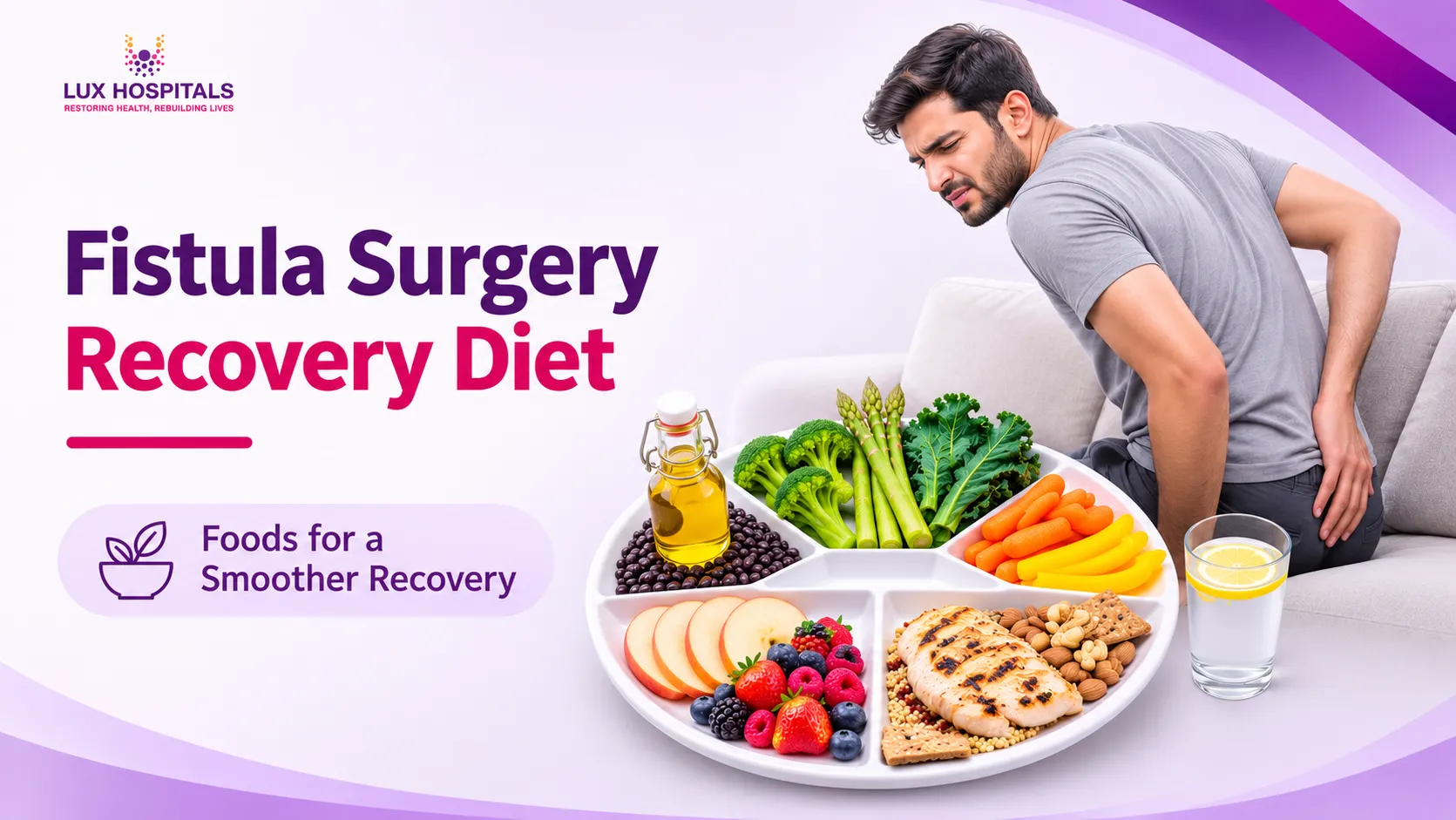
After fistula surgery, your body needs nutrients to support wound healing. At the same time, avoiding constipation and excessive straining can help make bowel movements more comfortable. A suitable fistula surgery diet should provide fibre, fluids, protein, and other nutrients, adjusted according to your doctor's instructions.
Gradually include:
Increase fibre gradually because a sudden increase may cause bloating.
Water helps fibre work effectively and can help keep stools soft.
Other options may include:
Protein supports tissue repair.
Depending on your dietary preferences, options include:
Soft meals such as khichdi, cooked vegetables, dalia, and soups may be easier to tolerate during early recovery.
During recovery, some people may need to reduce:
Your surgeon may give different instructions depending on the procedure and your recovery.
Do not start laxatives or supplements without appropriate medical advice.
Contact your doctor if you develop:
Conclusion
A balanced fistula surgery diet can support recovery by providing protein, fibre and fluids while helping maintain comfortable bowel movements. Follow your surgeon's individual instructions because dietary needs can vary after different procedures.
Soft, easily tolerated foods such as khichdi, dalia, soups, cooked vegetables, and suitable protein sources may help. Adjust your diet based on your bowel habits, medical condition, and your surgeon's instructions.
If extremely spicy meals irritate your bowel or increase digestive discomfort, it may be best to limit them. As you heal, follow your surgeon's advice, as tolerance varies.
Increase fibre gradually, stay hydrated, move slowly, and refrain from straining. Before taking a laxative if constipation persists, consult your physician.
Fluid requirements vary by age, health conditions, medications, and your doctor's advice. Unless you have been given a fluid restriction, stay hydrated throughout the day.
For many people, eggs can be a helpful protein source while they heal. But preparation and personal tolerance are important. Follow your doctor's dietary recommendations and select a preparation that you can stomach.
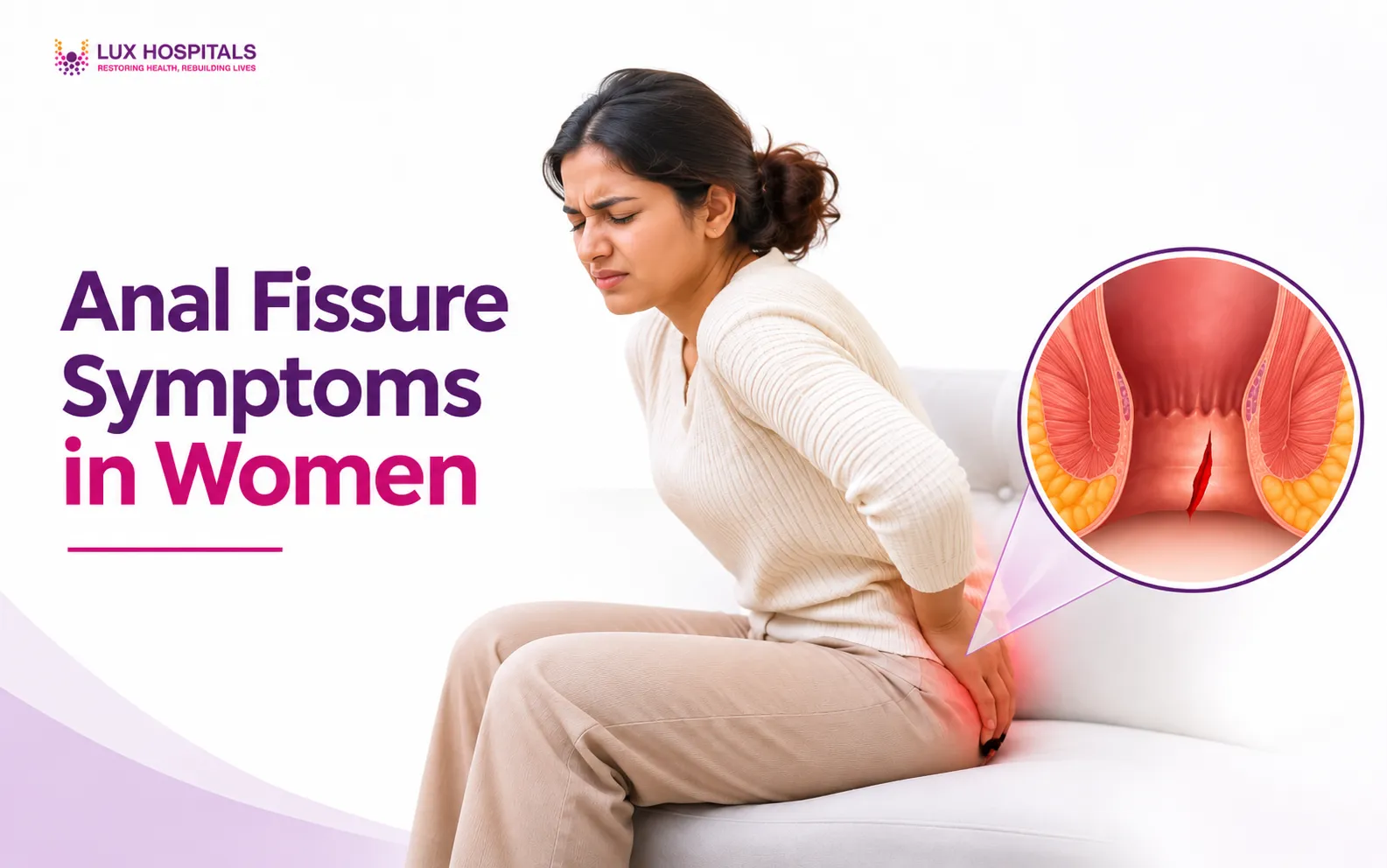
What Is an Anal Fissure? An anal fissure is a small tear in the lining of the anal canal. It can cause sharp or burning pain during bowel movements and may produce a small amount of bright-red bleeding. The existing Lux article highlights constipation, childbirth and changes in bowel habits as factors that may contribute to anal fissures in women. Although anal fissures can occur in anyone, women may experience additional considerations related to pregnancy, childbirth and changes in bowel habits.
11 November 2026

If a piles lump comes out with every bowel movement, it may indicate prolapsing haemorrhoids. The right prolapsed piles treatment depends on the severity of the prolapse, bleeding, pain, bowel habits and whether the lump goes back on its own. A specialist examination can help identify the right treatment.
14 October 2026
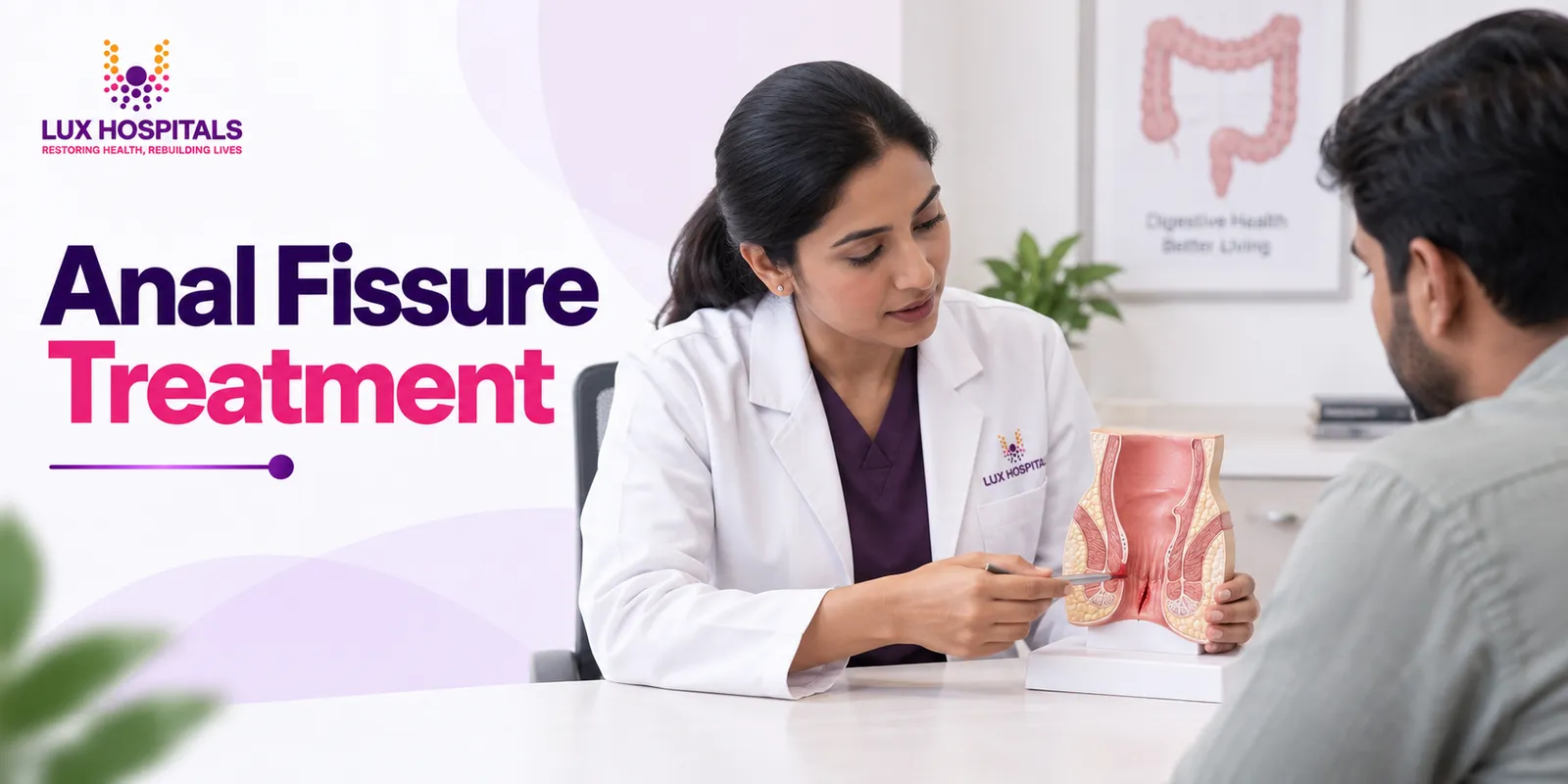
Anal fissure treatment should be discussed with a doctor when pain continues despite prescribed ointment, especially if pain lasts after bowel movements, bleeding keeps returning, or symptoms interfere with daily life.
8 October 2026
Send your reports across and a senior surgeon will review them, explain the options and tell you honestly whether surgery is the right call.
Plot No.116, Lumbini Avenue, HITEC CITY, Near IKEA, Hyderabad – 500032