Dr. Samhitha Reddy
Consultant Proctologist & Laparoscopic Surgeon
MBBS, MS, FMAS, FISCP, DMAS
- 8 Yrs
- ASCRS Member
By Dr Samhitha Reddy · MBBS, MS, FISCP, FMAS, DMAS 11 September 2025 2 min read Updated 21 August 2026
Stool normally has an unpleasant odour because of digestion and bacterial activity in the intestine. A temporary change in smell may occur after eating certain foods or changing your diet. However, persistent foul-smelling stools may warrant medical evaluation, especially if the change is accompanied by diarrhoea, abdominal pain, weight loss, fever, or changes in stool appearance.
Certain foods can temporarily alter stool odour.
Changes may occur after eating:
Some people develop digestive symptoms after eating foods they don't tolerate well.
Symptoms may include:
Some infections can cause sudden changes in stool smell and consistency.
Diarrhoea, abdominal cramps and fever may occur alongside the stool changes.
Persistent foul-smelling or greasy stools may occur when the digestive system doesn't properly break down or absorb nutrients.
Changes in the balance of intestinal bacteria can affect digestion and stool characteristics.
Pay attention to:
Stool appearance can provide useful information, but it cannot establish a diagnosis on its own.
Seek medical evaluation if foul-smelling stools persist or occur with:
Before your consultation, it may help to note:
This information can help your doctor decide whether you need further testing.
Depending on symptoms, your doctor may recommend:
Not everyone with a change in stool odour requires extensive testing.
Conclusion
Foul-smelling stools are not automatically a sign of serious disease. Diet, temporary digestive changes and infections can all affect stool odour. However, persistent changes deserve more attention when they occur with diarrhoea, abdominal pain, blood, weight loss or unusual stool appearance. Rather than relying on stool smell alone, consider the full symptom pattern. Recording changes in diet, bowel frequency and stool appearance can help a doctor understand what may be happening. If the change continues or is accompanied by warning signs, professional evaluation can help identify the underlying cause and prevent ongoing digestive problems from being overlooked.
Diet, illnesses, or digestive issues can all cause foul-smelling feces. Let's assume the odor persists, typically accompanied by other symptoms like diarrhea or weight loss. If so, there may be a serious problem. Consulting a medical expert is essential for a diagnosis.
In rare cases, gastrointestinal cancers may be connected to foul-smelling feces, especially if they are accompanied by lethargy, blood, or weight loss. But more frequent culprits are nutrition, malabsorption, or illness. Avoid making long-term bowel habit changes because early detection is crucial.
Infections like Giardiasis, Clostridium difficile, or Salmonella can lead to foul-smelling stools. These infections disturb normal digestion and result in gas, cramps, and smelly diarrhea. Most require medical treatment with antibiotics or antiparasitic drugs.
Yes, probiotics can improve gut health and reduce foul-smelling stools caused by dysbiosis or antibiotic use. They help restore the balance of good bacteria in the digestive tract. Regular use may prevent recurrence and support overall digestion.
For example, the odor may be oily, persistent, or accompanied by symptoms such as fatigue, discomfort, or weight loss. If so, it could indicate a serious digestive illness. You should not ignore these signs. Medical evaluation and testing can help determine the cause.
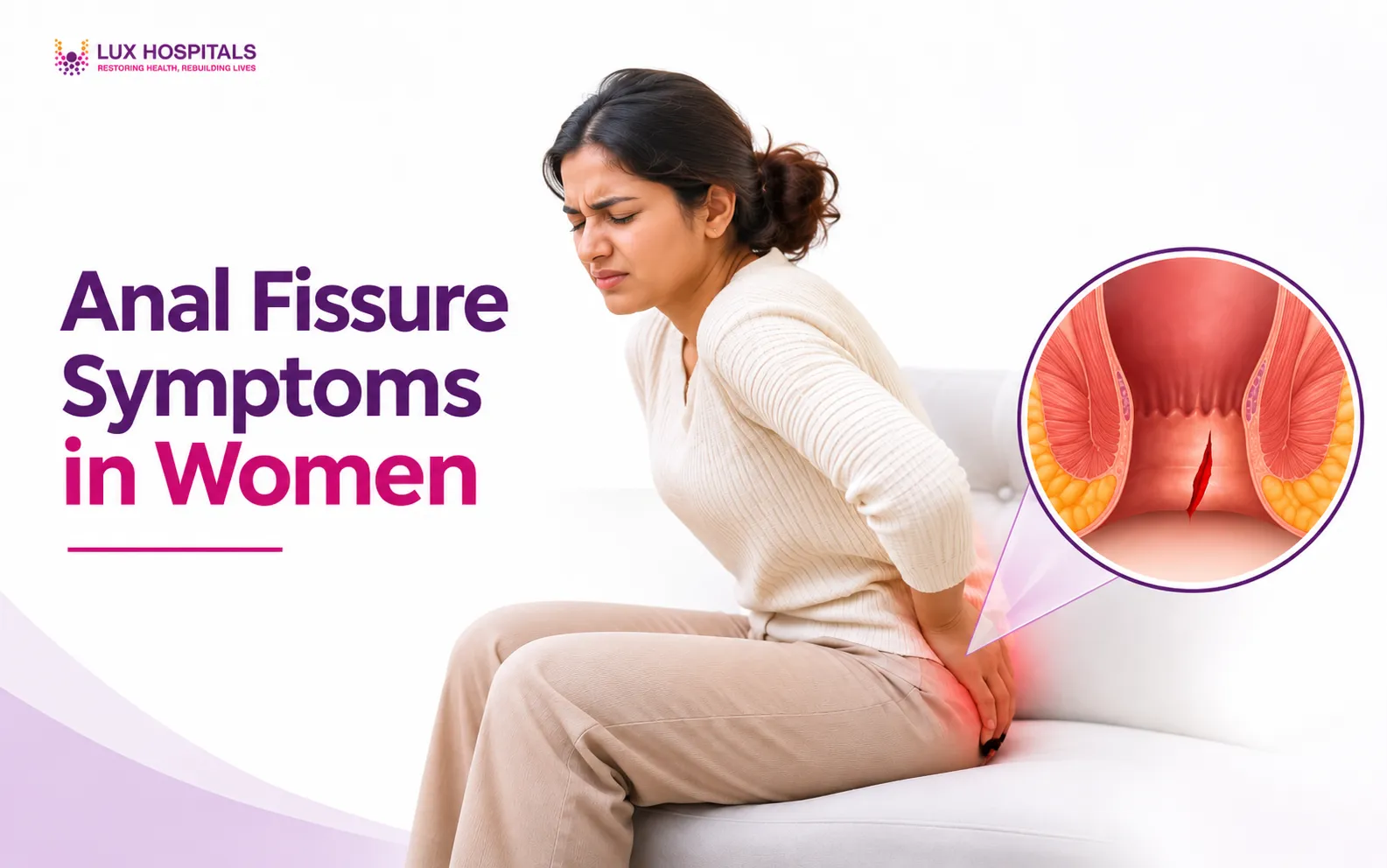
What Is an Anal Fissure? An anal fissure is a small tear in the lining of the anal canal. It can cause sharp or burning pain during bowel movements and may produce a small amount of bright-red bleeding. The existing Lux article highlights constipation, childbirth and changes in bowel habits as factors that may contribute to anal fissures in women. Although anal fissures can occur in anyone, women may experience additional considerations related to pregnancy, childbirth and changes in bowel habits.
11 November 2026
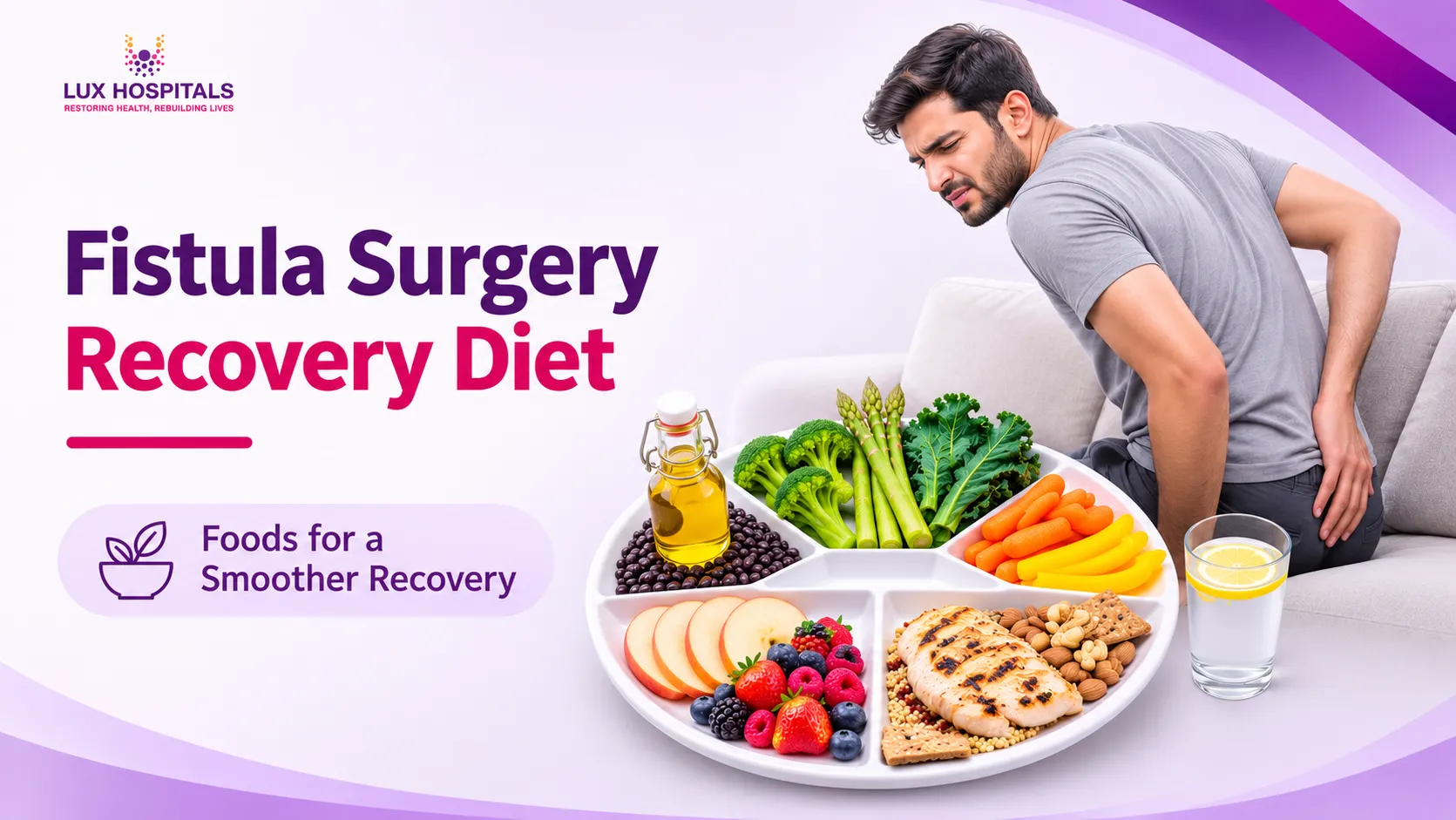
After fistula surgery, your body needs nutrients to support wound healing. At the same time, avoiding constipation and excessive straining can help make bowel movements more comfortable. A suitable fistula surgery diet should provide fibre, fluids, protein, and other nutrients, adjusted according to your doctor's instructions.
9 November 2026

If a piles lump comes out with every bowel movement, it may indicate prolapsing haemorrhoids. The right prolapsed piles treatment depends on the severity of the prolapse, bleeding, pain, bowel habits and whether the lump goes back on its own. A specialist examination can help identify the right treatment.
14 October 2026
Send your reports across and a senior surgeon will review them, explain the options and tell you honestly whether surgery is the right call.
Plot No.116, Lumbini Avenue, HITEC CITY, Near IKEA, Hyderabad – 500032