Dr. Samhitha Reddy
Consultant Proctologist & Laparoscopic Surgeon
MBBS, MS, FMAS, FISCP, DMAS
- 8 Yrs
- ASCRS Member
By Dr Samhitha Reddy · MBBS, MS, FISCP, FMAS, DMAS 28 May 2026 5 min read Updated 9 June 2026
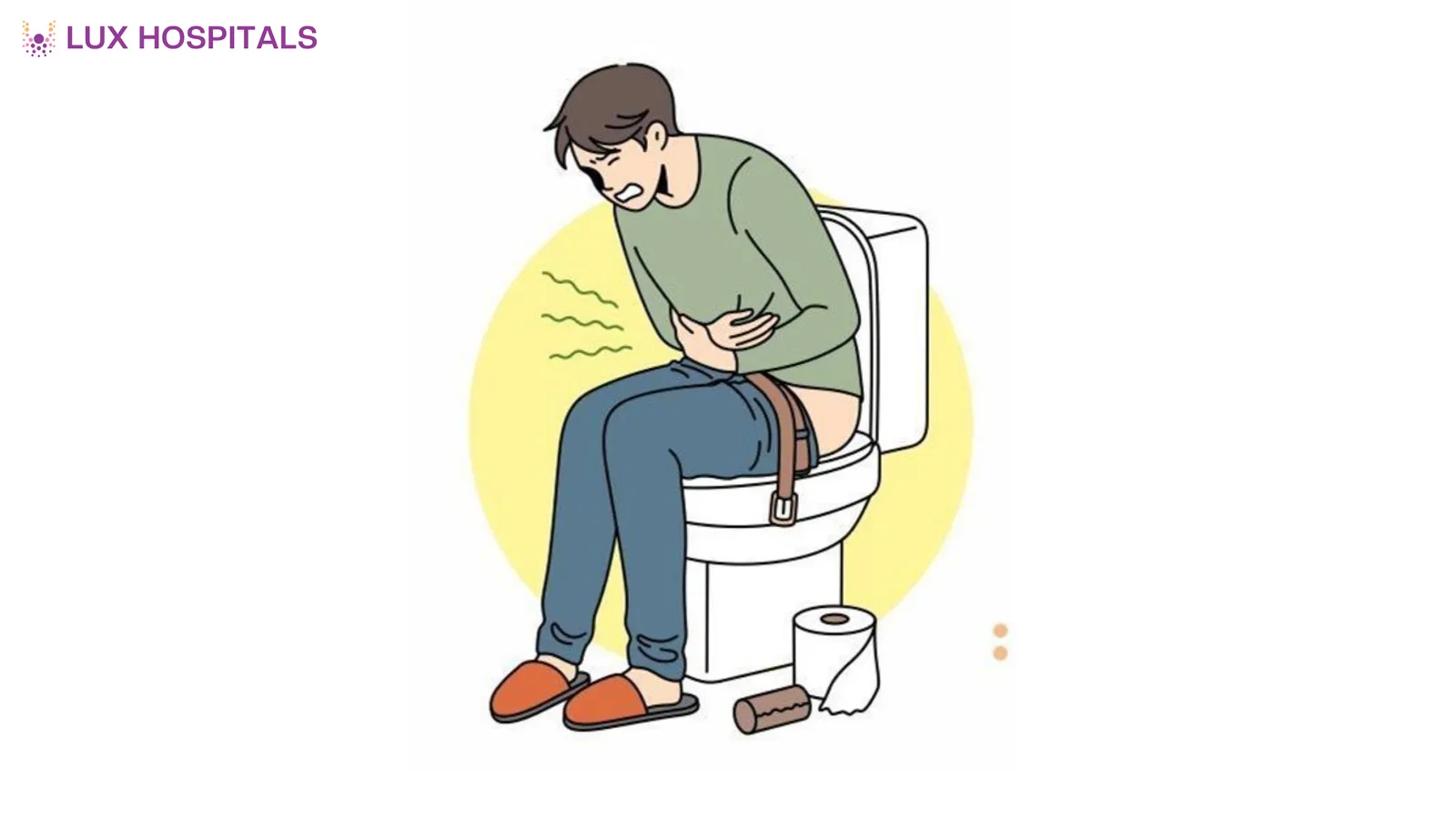
Are you experiencing Frequent Loose Motions almost every week? Many people ignore digestive issues, thinking they are caused by outside factors such as food, stress, or infection. However, when Frequent Loose Motions continue for a long time, it may indicate Irritable Bowel Syndrome (IBS), a common digestive disorder that affects the large intestine.
IBS can interfere with day-to-day activities, lower your self-esteem, and have an impact on your employment, travel, and eating habits. Professional gastroenterologists at Lux Hospitals help patients identify the precise cause of frequent loose stools and offer advanced therapies for long-term relief. Early understanding of IBS can greatly enhance your quality of life and help avoid discomfort.
Irritable Bowel Syndrome (IBS) is a chronic digestive condition that affects the intestines. It does not permanently damage the intestines, but it can cause uncomfortable symptoms that recur.
People with IBS often experience:
IBS occurs because the digestive system becomes highly sensitive. Stress, food intolerance, hormonal changes, and gut bacteria imbalance can trigger symptoms. Some patients mainly suffer from constipation, while others experience Frequent Loose Motions repeatedly.
The condition is commonly known as IBS-D, in which diarrhoea is the dominant symptom. Patients may feel sudden bowel urgency after eating or during stressful situations.
Ignoring Frequent Loose Motions for months can lead to dehydration, fatigue, weakness, and nutritional deficiencies.
Many people confuse IBS symptoms with food poisoning or stomach infection. However, recurring digestive problems should never be ignored. If your symptoms continue for more than a few weeks, a medical evaluation becomes necessary.
Patients with IBS may pass loose stools 3–6 times daily. The condition often worsens after meals.
Pain usually reduces after passing stool but returns later. This is a major sign linked with Frequent Loose Motions caused by IBS.
Throughout the day, the stomach may feel tight, puffy, or uncomfortable.
Throughout the day, the stomach may feel tight, puffy, or uncomfortable.IBS sufferers may unexpectedly need to use the restroom, particularly when travelling or attending meetings.
Gut health is directly impacted by emotional stress. Anxiety can cause frequent loose motions in a lot of people.
Some individuals feel their bowel movement is incomplete even after using the restroom.
If these symptoms continue regularly, consulting a specialist is essential. Lux Hospitals provides comprehensive digestive evaluations to accurately identify IBS.
There is no single test that immediately confirms IBS. Doctors first rule out other serious digestive conditions before diagnosing IBS.
At Lux Hospitals, specialists conduct detailed evaluations to identify the exact cause behind Frequent Loose Motions.
Doctors analyse:
The abdomen is checked for tenderness, bloating, and pain.
These help rule out:
Doctors may check for bacteria, parasites, or blood in the stool.
In some cases, colonoscopy helps identify intestinal inflammation or other bowel disorders.
Seek medical help immediately if Frequent Loose Motions are associated with:
Early diagnosis helps patients manage symptoms effectively and prevent complications.
IBS treatment mainly focuses on symptom control, dietary management, and improving gut health. Since triggers vary from person to person, treatment plans are customised.
At Lux Hospitals, gastroenterologists provide personalised IBS treatment for patients struggling with Frequent Loose Motions.
Diet plays a major role in controlling IBS symptoms.
Doctors may also suggest a Low-FODMAP diet for some patients.
Stress directly impacts the digestive system. Managing stress can significantly reduce Frequent Loose Motions.
Helpful methods include:
Depending on symptoms, doctors may prescribe:
Simple lifestyle changes can provide major relief:
Patients with IBS should:
With proper care, most patients can control Frequent Loose Motions and lead a healthy, active life.
Lux Hospitals offers advanced digestive care with experienced Proctologists who focus on accurate diagnosis and patient-centred treatment.
Patients suffering from Frequent Loose Motions receive complete evaluation and long-term symptom management support under expert supervision.
You should never disregard persistent, frequent loose motions, especially if they get in the way of your day-to-day activities. Although IBS is a tolerable condition, long-term relief requires early diagnosis and appropriate treatment. You can effectively manage your symptoms by recognising your triggers, making dietary changes, and seeking medical care.
For professional IBS care, speak with the experts at Lux Hospitals if you or a loved one is experiencing recurrent digestive discomfort. Lux Hospitals assists patients in regaining confidence and digestive health through sophisticated diagnostics, individualised care, and caring support.
Yes, one of the most prevalent signs of IBS, particularly IBS-D, is frequent loose motions. For weeks or months, patients may have frequent diarrhoea, bloating, and abdominal pain. Because comparable symptoms can also be caused by other digestive problems, a proper diagnosis is crucial.
Frequent loose motions are frequently triggered in IBS patients by spicy foods, greasy meals, dairy products, caffeine, alcohol, and processed foods. Symptoms may also be exacerbated by stress and irregular eating patterns. Effective management of the illness can be achieved by identifying personal food triggers.
IBS is usually not life-threatening, but it can significantly affect daily life and emotional well-being. Recurrent loose motions, pain, and urgency may disrupt work, travel, and sleep. Early treatment and lifestyle modifications help patients manage symptoms successfully.
Lux Hospitals provides expert gastroenterology care with advanced diagnostic methods and personalised treatment plans for IBS patients. The hospital focuses on identifying the root causes of Frequent Loose Motions and on improving long-term digestive health. Patients receive compassionate care and continuous medical support throughout treatment.
If Frequent Loose Motions interfere with your daily routine, cause pain, bloating, or weakness, or last for several weeks, you should see Lux Hospitals. If symptoms include blood in the stool, dehydration, fever, or abrupt weight loss, immediate medical assistance is required. Early assessment enhances treatment results and helps avoid problems.
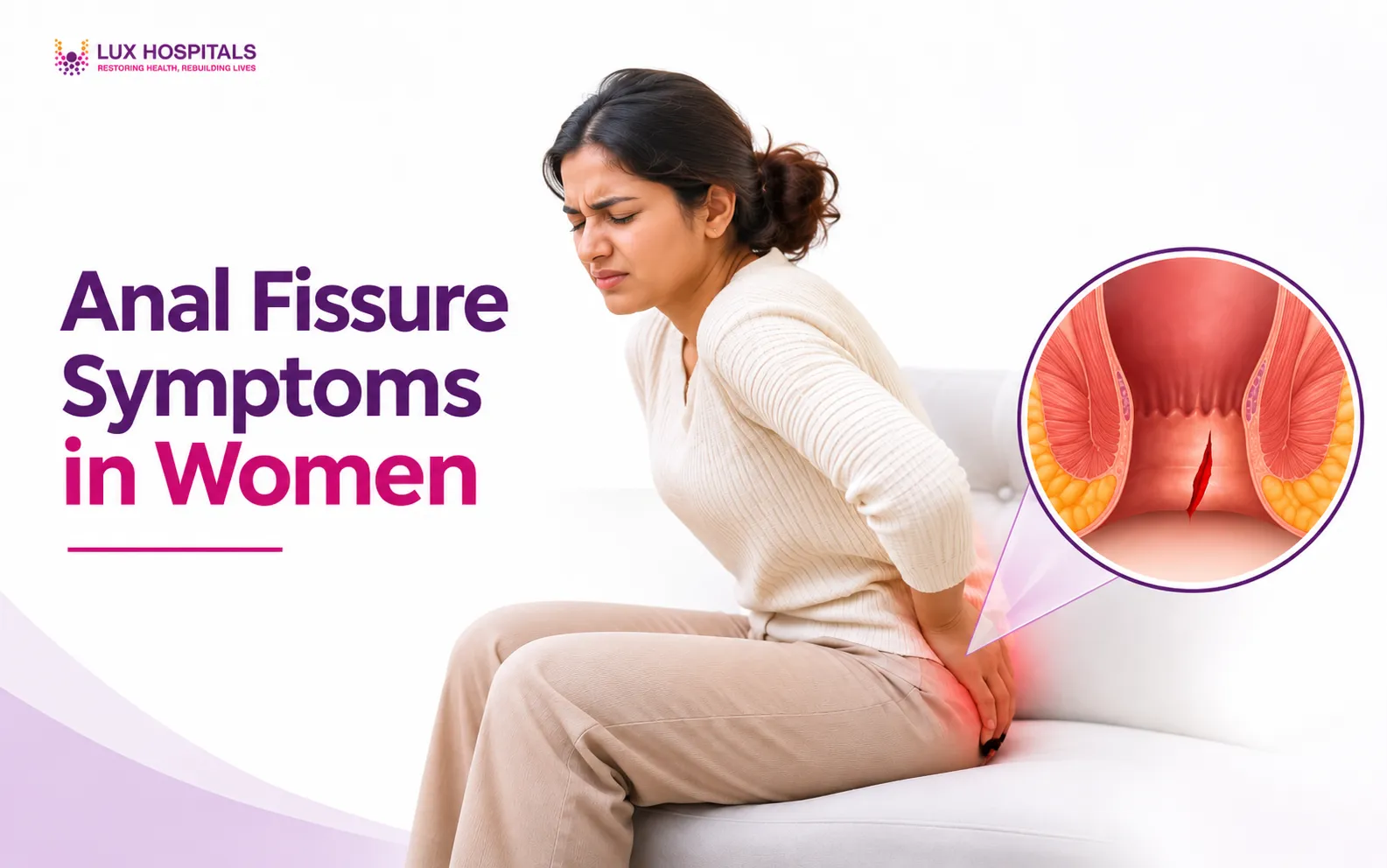
What Is an Anal Fissure? An anal fissure is a small tear in the lining of the anal canal. It can cause sharp or burning pain during bowel movements and may produce a small amount of bright-red bleeding. The existing Lux article highlights constipation, childbirth and changes in bowel habits as factors that may contribute to anal fissures in women. Although anal fissures can occur in anyone, women may experience additional considerations related to pregnancy, childbirth and changes in bowel habits.
11 November 2026

After fistula surgery, your body needs nutrients to support wound healing. At the same time, avoiding constipation and excessive straining can help make bowel movements more comfortable. A suitable fistula surgery diet should provide fibre, fluids, protein, and other nutrients, adjusted according to your doctor's instructions.
9 November 2026

If a piles lump comes out with every bowel movement, it may indicate prolapsing haemorrhoids. The right prolapsed piles treatment depends on the severity of the prolapse, bleeding, pain, bowel habits and whether the lump goes back on its own. A specialist examination can help identify the right treatment.
14 October 2026
Send your reports across and a senior surgeon will review them, explain the options and tell you honestly whether surgery is the right call.
Plot No.116, Lumbini Avenue, HITEC CITY, Near IKEA, Hyderabad – 500032