Dr. Samhitha Reddy
Consultant Proctologist & Laparoscopic Surgeon
MBBS, MS, FMAS, FISCP, DMAS
- 8 Yrs
- ASCRS Member
By Dr Samhitha Reddy · MBBS, MS, FISCP, FMAS, DMAS 24 July 2026 4 min read Updated 28 July 2026
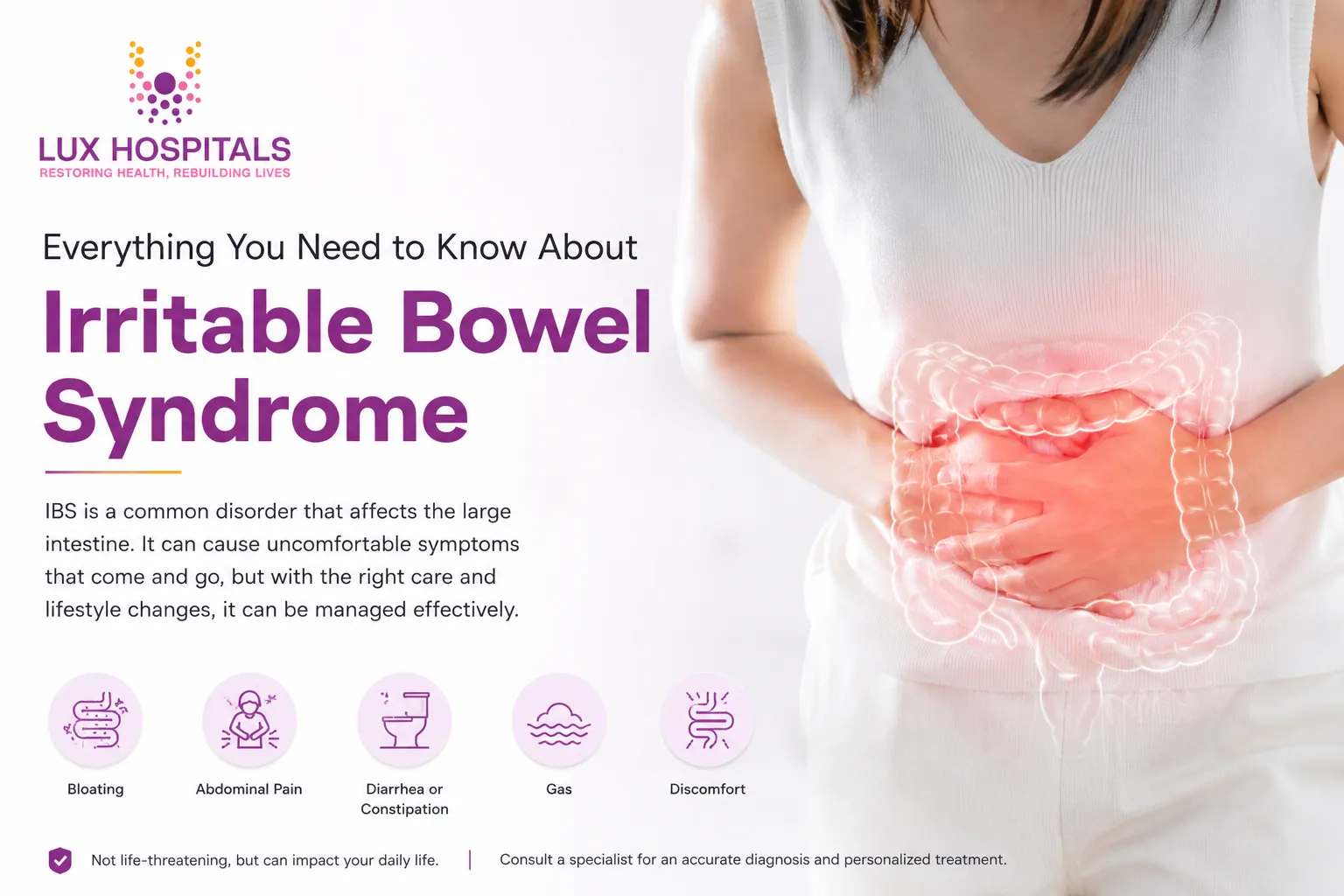
Digestive problems are common, but when symptoms such as abdominal pain, bloating, constipation, or diarrhoea occur repeatedly, they may indicate Irritable Bowel Syndrome. Many people ignore these symptoms, believing they are caused by stress or unhealthy eating habits. However, Irritable Bowel Syndrome can affect your daily routine, work, social life, and emotional well-being if left untreated. Irritable Bowel Syndrome is not life-threatening, but in order to enhance quality of life, it needs to be properly diagnosed and managed over time.
A persistent condition called irritable bowel syndrome interferes with the large intestine’s normal function. Irritable Bowel Syndrome does not result in ulcers, bleeding, or irreversible digestive system damage, in contrast to Crohn’s disease or ulcerative colitis. Rather, it causes unpleasant digestive symptoms by interfering with the intestines’ ability to contract and assimilate food. Early identification is crucial for successful treatment because symptoms may come and go.
Early diagnosis helps prevent unnecessary discomfort and improves long-term digestive health.
Although the exact cause of Irritable Bowel Syndrome remains unknown, researchers have identified several contributing factors that increase the likelihood of developing the condition.
The brain and digestive tract constantly communicate. When these signals are disrupted, the intestines may become overly sensitive, leading to pain and changes in bowel habits.
The muscles in your intestines help move food through the digestive tract. Strong contractions may cause diarrhoea, while weak contractions may result in constipation.
Healthy bacteria play an important role in digestion. An imbalance in gut microbiota may contribute to symptoms of Irritable Bowel Syndrome.
Although stress, worry, and depression do not directly cause irritable bowel syndrome, they usually exacerbate pre-existing symptoms and produce flare-ups.
Many people notice worsening symptoms after eating certain foods, such as:
The symptoms of Irritable Bowel Syndrome vary from person to person. Some people experience mild discomfort, while others struggle with symptoms that affect work, travel, and everyday life.
If these symptoms persist for several weeks or recur, consult a proctologists for proper evaluation.
Since the symptoms of many digestive problems are similar, diagnosing Irritable Bowel Syndrome necessitates a thorough evaluation. Before prescribing tests, Lux Hospitals’ experts thoroughly consider your lifestyle, symptoms, and medical history.
These tests help rule out serious digestive diseases and accurately confirm the diagnosis.
Irritable bowel syndrome has no known cure, but with the correct care, symptoms can be greatly reduced, and your quality of life can be enhanced.
Doctors may recommend:
Depending on symptoms, treatment may include:
Every treatment plan at Lux Hospitals is personalised based on the patient’s symptoms, medical history, and lifestyle.
Adopting healthy practices helps lessen the frequency and intensity of flare-ups, even if Irritable Bowel Syndrome cannot always be prevented.
Small lifestyle changes can make a significant difference in managing Irritable Bowel Syndrome.
Every patient at Lux Hospitals should receive thorough, compassionate digestive care, in our opinion.
Skilled proctologists Sophisticated diagnostic tools
We focus on identifying the root cause of digestive symptoms and delivering treatments that improve long-term digestive health.
Irritable bowel syndrome is a common digestive condition that can significantly lower your quality of life if left untreated. Even if recurrent symptoms do not permanently damage the intestines, they might interfere with work, social activities, and mental health. For Irritable Bowel Syndrome to be effectively managed, early diagnosis, good eating practices, stress reduction, and professional medical care are crucial. Consult Lux Hospitals’ skilled proctologists if you frequently have digestive discomfort, bloating, constipation, diarrhoea, or persistent abdominal pain. To assist you in regaining your digestive health, our staff provides sophisticated diagnosis, individualised care, and sympathetic support.
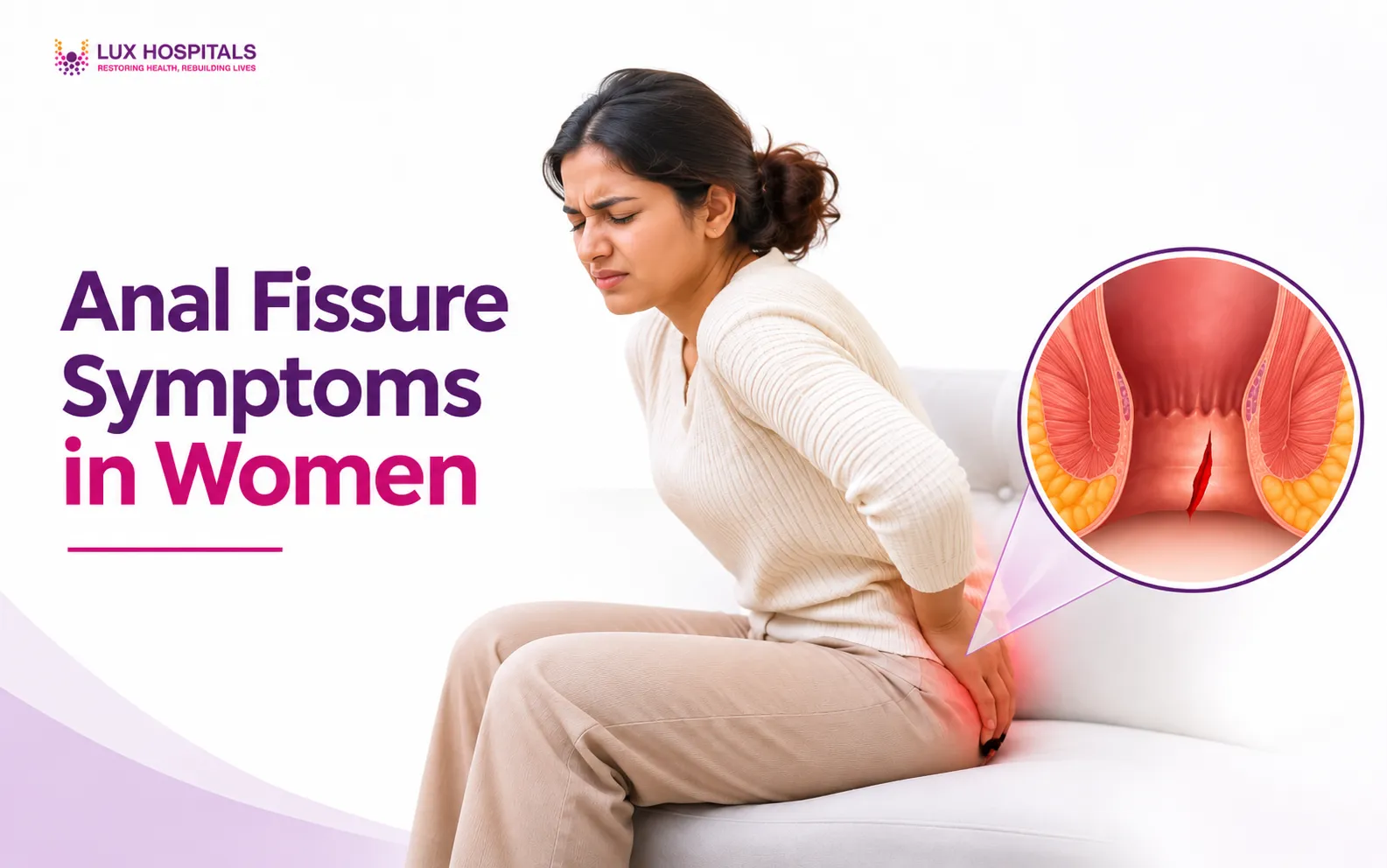
What Is an Anal Fissure? An anal fissure is a small tear in the lining of the anal canal. It can cause sharp or burning pain during bowel movements and may produce a small amount of bright-red bleeding. The existing Lux article highlights constipation, childbirth and changes in bowel habits as factors that may contribute to anal fissures in women. Although anal fissures can occur in anyone, women may experience additional considerations related to pregnancy, childbirth and changes in bowel habits.
11 November 2026

After fistula surgery, your body needs nutrients to support wound healing. At the same time, avoiding constipation and excessive straining can help make bowel movements more comfortable. A suitable fistula surgery diet should provide fibre, fluids, protein, and other nutrients, adjusted according to your doctor's instructions.
9 November 2026

If a piles lump comes out with every bowel movement, it may indicate prolapsing haemorrhoids. The right prolapsed piles treatment depends on the severity of the prolapse, bleeding, pain, bowel habits and whether the lump goes back on its own. A specialist examination can help identify the right treatment.
14 October 2026
Send your reports across and a senior surgeon will review them, explain the options and tell you honestly whether surgery is the right call.
Plot No.116, Lumbini Avenue, HITEC CITY, Near IKEA, Hyderabad – 500032