Dr. Samhitha Reddy
Consultant Proctologist & Laparoscopic Surgeon
MBBS, MS, FMAS, FISCP, DMAS
- 8 Yrs
- ASCRS Member
By Dr Samhitha Reddy · MBBS, MS, FISCP, FMAS, DMAS 30 April 2026 4 min read

Bowel control and everyday confidence are impacted by the delicate but prevalent condition of faecal incontinence. It might vary from sporadic leaks to total loss of stool control. Faecal incontinence is a medical condition that needs professional care, not silence, but many people put off treatment out of embarrassment. Lux Hospital Proctologists are experts at […]
Bowel control and everyday confidence are impacted by the delicate but prevalent condition of faecal incontinence. It might vary from sporadic leaks to total loss of stool control. Faecal incontinence is a medical condition that needs professional care, not silence, but many people put off treatment out of embarrassment. Lux Hospital Proctologists are experts at determining the underlying cause and offering efficient therapies tailored to each patient’s needs.
Faecal incontinence occurs when the rectum, anal sphincter muscles, or nerves fail to work together properly. Normal bowel control depends on muscle strength, nerve signals, stool consistency, and rectal capacity. When any of these functions are impaired, faecalincontinence may develop. Importantly, faecal incontinence is not a normal part of ageing and should always be evaluated by a specialist.
Effective treatment of faecal incontinence begins with identifying the reason. Proctologists evaluate a variety of contributing elements.
Faecal incontinence can develop from weakening of the muscles that regulate bowel movements due to childbirth, trauma, or surgery.
Conditions such as diabetes, spinal cord injuries, or stroke may disrupt nerve signals required for bowel control. Nerve-related dysfunction is a frequent reason behind chronic faecal incontinence.
Hard stool can stretch the rectal muscles over time. Impacted stool may also cause leakage around the blockage, worsening faecalincontinence.
Because loose stools are more difficult to hold, episodes of faecal incontinence occur more frequently and with greater urgency.
Weak pelvic floor muscles reduce rectal support and contribute significantly to faecalincontinence.
Accurate diagnosis ensures targeted treatment. Proctologists follow a structured and evidence-based approach to evaluate faecal incontinence.
Doctors ask about symptom frequency, bowel habits, diet, medications, childbirth history, and previous surgeries. Honest communication helps pinpoint triggers of faecal incontinence.
A physical assessment checks muscle tone, structural abnormalities, and signs of nerve damage contributing to faecal incontinence.
These tests help determine the severity and underlying cause of faecal incontinence, allowing precise treatment planning.
The intensity and cause determine the course of treatment. Most cases of faecal incontinence resolve without surgery, especially if the issue is identified early.
These adjustments help reduce episodes of faecal incontinence naturally.
Stool-bulking or anti-diarrheal medications control bowel movements and lessen the urgency brought on by faecal incontinence.
Kegel exercises strengthen sphincter muscles and enhance bowel control. Regular practice significantly improves faecal incontinence symptoms.
This therapy retrains muscles and improves coordination between rectal sensation and muscle response, reducing chronic faecal incontinence.
For moderate to severe faecal incontinence, proctologists may recommend:
These procedures restore muscle integrity and nerve communication for long-term relief.
Occasional digestive upset is common, but persistent leakage, urgency, or frequent accidents are not normal. If faecal incontinence interferes with your daily routine, social life, or emotional well-being, it is time to seek help.
Delaying care may worsen symptoms and cause skin irritation, infections, or psychological stress. Early treatment of faecal incontinence improves recovery rates and restores confidence faster.
Most people improve their quality of life and regain bowel control with the appropriate treatment strategy. Changes in lifestyle, medical advice, and follow-up treatment are necessary for managing faecal incontinence. Specialists at Lux Hospital offer considerate, private treatment to help regain comfort and dignity.
Faecal incontinence is treatable, and no one should suffer in silence. With advanced diagnostics and personalised treatment strategies, proctologists can successfully manage even complex cases. Early action leads to faster relief and improved quality of life. At Lux Hospital, our expert proctology team offers confidential consultations, advanced testing, and customised treatment plans for faecal incontinence. If you are experiencing symptoms, schedule your appointment at Lux Hospital today and take the first step toward restored confidence and complete bowel control.
The most common cause of faecal incontinence is damage to the anal sphincter muscles, often occurring during childbirth or surgery. Nerve damage from diabetes, stroke, or spinal injuries also plays a major role in bowel control problems.
Faecal incontinence can often be significantly improved and sometimes fully resolved with appropriate treatment. Lifestyle changes, pelvic floor therapy, and medications provide excellent results in mild to moderate cases.
Proctologists diagnose faecal incontinence through medical history review and physical examination. Anal manometry measures muscle pressure and coordination during bowel control. Imaging tests, such as ultrasound or MRI, detect structural damage or pelvic floor dysfunction.
Faecal incontinence can affect physical health, emotional well-being, and social confidence if untreated. Persistent symptoms may indicate underlying nerve or muscle damage requiring medical care. Skin infections and irritation can occur due to repeated leakage.
Yes, increasing fibre intake and staying hydrated help regulate bowel consistency. Pelvic floor exercises strengthen muscles and improve sphincter control. Avoiding trigger foods reduces urgency and unexpected leakage episodes.
If a piles lump comes out with every bowel movement, it may indicate prolapsing haemorrhoids. The right prolapsed piles treatment depends on the severity of the prolapse, bleeding, pain, bowel habits and whether the lump goes back on its own. A specialist examination can help identify the right treatment. Noticing a lump coming out during […]
14 October 2026
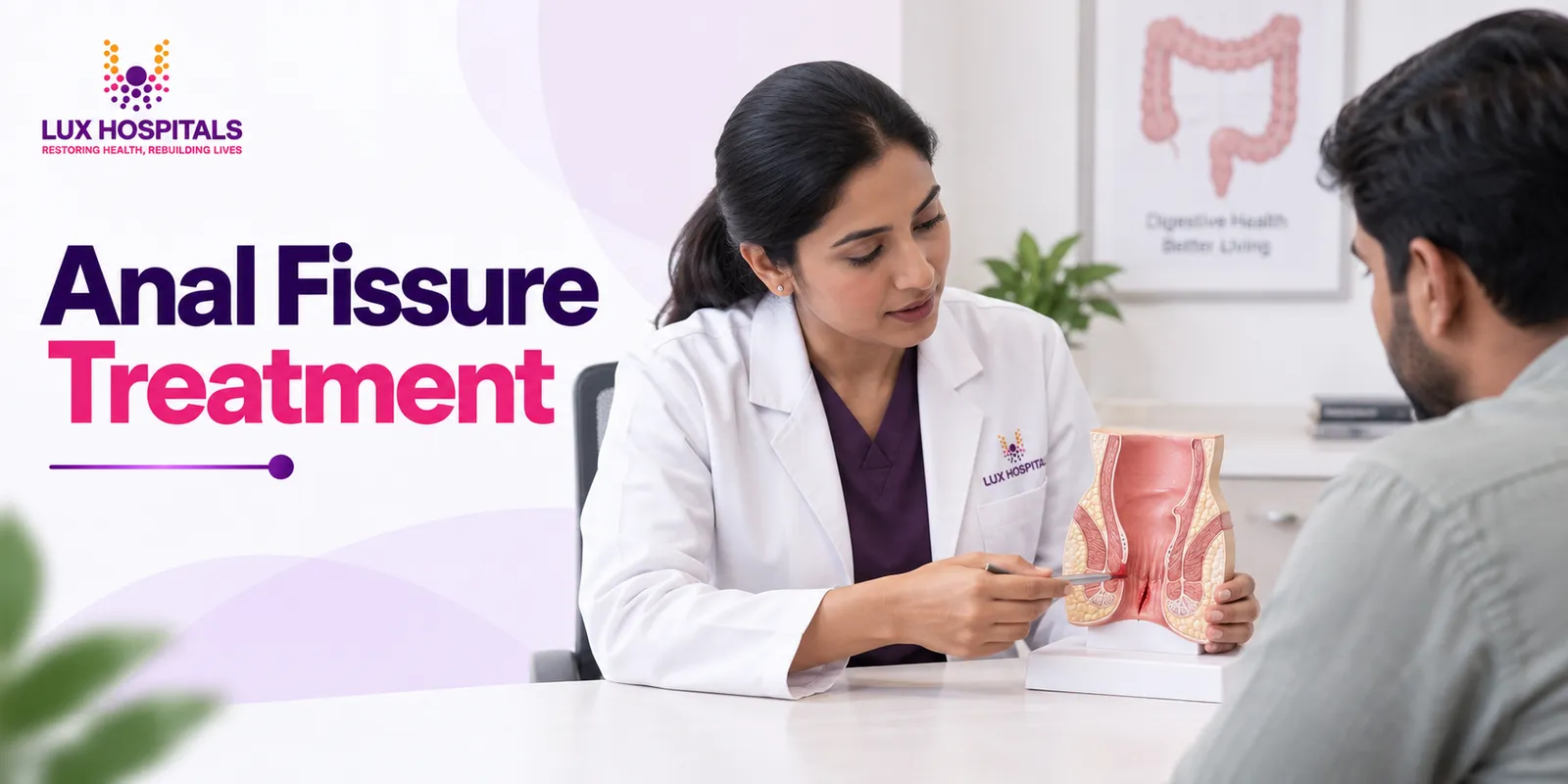
Anal fissure treatment should be discussed with a doctor when pain continues despite prescribed ointment, especially if pain lasts after bowel movements, bleeding keeps returning, or symptoms interfere with daily life. Persistent symptoms may mean the fissure has not healed, is recurring, or needs a different treatment approach.Pain after passing stool is a common reason […]
8 October 2026

Bleeding during bowel movements is one of the common symptoms of piles, but when it keeps returning despite medicines, it should not simply be ignored. Temporary relief from creams, tablets, or other medicines does not always address the reason behind recurrent bleeding. The severity and type of haemorrhoids, bowel habits, constipation, straining, and other possible […]
4 October 2026
Send your reports across and a senior surgeon will review them, explain the options and tell you honestly whether surgery is the right call.
Plot No.116, Lumbini Avenue, HITEC CITY, Near IKEA, Hyderabad – 500032