Dr. Samhitha Reddy
Consultant Proctologist & Laparoscopic Surgeon
MBBS, MS, FMAS, FISCP, DMAS
- 8 Yrs
- ASCRS Member
By Dr Samhitha Reddy · MBBS, MS, FISCP, FMAS, DMAS 6 August 2026 4 min read
Haemorrhoids, another name for piles, are enlarged veins in the lower rectum and anus that can be painful, itchy, bleeding, and uncomfortable. Some people eventually need surgery, even though many instances improve with medicine and lifestyle modifications. “Which grade of Piles Needs Surgery?” is a frequently asked question by patients. The severity of the illness, […]
Haemorrhoids, another name for piles, are enlarged veins in the lower rectum and anus that can be painful, itchy, bleeding, and uncomfortable. Some people eventually need surgery, even though many instances improve with medicine and lifestyle modifications. “Which grade of Piles Needs Surgery?” is a frequently asked question by patients. The severity of the illness, its symptoms, and how well non-surgical treatments work will determine the answer. At Lux Hospitals, our experienced colorectal surgeons provide advanced diagnosis and minimally invasive treatment options tailored to every patient’s condition.
Piles are enlarged blood vessels around the anus or inside the rectum. They develop due to increased pressure on the veins caused by constipation, pregnancy, obesity, prolonged sitting, or heavy lifting.
Although mild piles usually respond well to conservative treatment, advanced cases often require surgery for long-term relief.
Doctors classify haemorrhoids into four grades based on severity.
Grade I haemorrhoids remain inside the rectum and do not protrude outside.
Usually, Piles Need Surgery is not recommended for Grade I. Lifestyle changes, dietary fibre, hydration, and medications are usually effective.
These haemorrhoids prolapse during bowel movements but return inside on their own.
Most Grade II haemorrhoids improve with non-surgical treatments such as rubber band ligation or medications. However, persistent symptoms may indicate that piles need surgery if conservative management fails.
These haemorrhoids come out during bowel movements and require manual pushing back.
Grade III haemorrhoids frequently mean Piles Need Surgery, especially when symptoms interfere with daily life or recur despite medical treatment.
Grade IV haemorrhoids remain permanently outside the anus and cannot be pushed back.
Yes, Piles Need Surgery is usually the best course of action, and Grade IV is the most serious stage. Surgery avoids complications and offers long-lasting relief.
Doctors recommend surgery when symptoms become severe or conservative treatment no longer works.
These situations clearly indicate that Piles require surgery for effective, permanent symptom relief.
At Lux Hospitals, surgeons choose the best treatment based on the grade and severity.
Laser treatment is minimally invasive and highly effective.
Benefits
This procedure treats prolapsed haemorrhoids by repositioning the tissue and reducing the blood supply.
It offers:
This surgery removes large or complicated haemorrhoids completely.
It is often recommended that Piles Need Surgery due to severe Grade III or Grade IV disease.
Delaying treatment can worsen symptoms and increase the risk of complications.
Seeking treatment early helps patients recover comfortably when Piles Need Surgery.
Most patients recover quickly with proper postoperative care.
Following these recommendations ensures faster healing after surgery for piles.
Healthy lifestyle habits reduce the progression of haemorrhoids.
Prevention Tips
Early lifestyle changes may delay or prevent the stage where Piles Need Surgery becomes necessary.
Lux Hospitals offers advanced colorectal care using the latest minimally invasive techniques.
Lux Hospitals offers professional care to determine whether piles require surgery and to suggest the best course of action for long-term relief, regardless of how severe your issue is.
Although not all haemorrhoids require surgery, patients can make better decisions by knowing which grades do. While Grade III and Grade IV haemorrhoids frequently benefit from surgical treatment, particularly when symptoms become severe or chronic, Grade I and the majority of Grade II haemorrhoids respond well to conservative treatment. Our professionals at Lux Hospitals offer precise diagnosis, advanced laser therapy, and individualised care to ensure a successful recovery with the least suffering. Don’t put off treatment if you have prolapsed piles, ongoing bleeding, or pain. Your quality of life can be enhanced and issues avoided with early consultation.
Because they prolapse extensively, cause ongoing pain, bleeding, and discomfort, and frequently do not respond to medication or other conservative therapies, Grade III and Grade IV haemorrhoids are the most prevalent stages that necessitate surgery.
Yes, dietary modifications, increased fibre intake, medicines, and less invasive procedures such as rubber band ligation help the majority of Grade II piles. Only when problems persist after receiving appropriate medical care or substantially interfere with day-to-day functioning is surgery considered.
Laser piles surgery is a minimally invasive option that offers less pain, reduced bleeding, faster healing, and a quicker return to normal activities compared to conventional surgery. However, the best treatment depends on the grade of piles, overall health, and your surgeon's evaluation.
Lux Hospitals provides safe, efficient, and minimally invasive treatment for piles, delivered by skilled colorectal surgeons, advanced laser technology, modern testing facilities, and individualised treatment plans. Faster recovery and thorough follow-up care are guaranteed by our patient-centred approach.
You should consult the specialists at Lux Hospitals if you experience persistent rectal bleeding, severe pain, prolapsed haemorrhoids, itching, swelling, or symptoms that do not improve with home remedies or medications. Early diagnosis and timely treatment can prevent complications and improve your overall quality of life.
If a piles lump comes out with every bowel movement, it may indicate prolapsing haemorrhoids. The right prolapsed piles treatment depends on the severity of the prolapse, bleeding, pain, bowel habits and whether the lump goes back on its own. A specialist examination can help identify the right treatment. Noticing a lump coming out during […]
14 October 2026
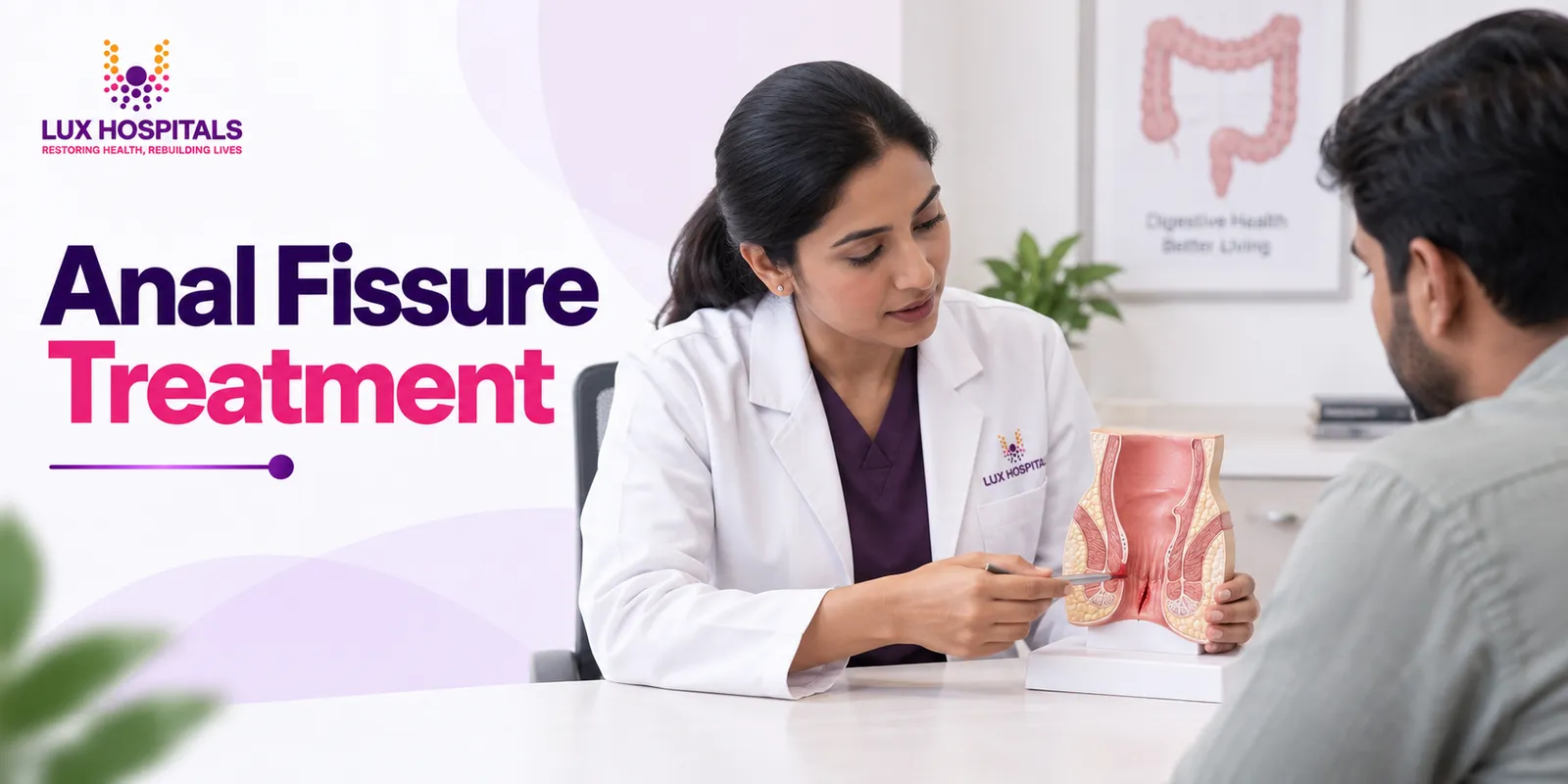
Anal fissure treatment should be discussed with a doctor when pain continues despite prescribed ointment, especially if pain lasts after bowel movements, bleeding keeps returning, or symptoms interfere with daily life. Persistent symptoms may mean the fissure has not healed, is recurring, or needs a different treatment approach.Pain after passing stool is a common reason […]
8 October 2026
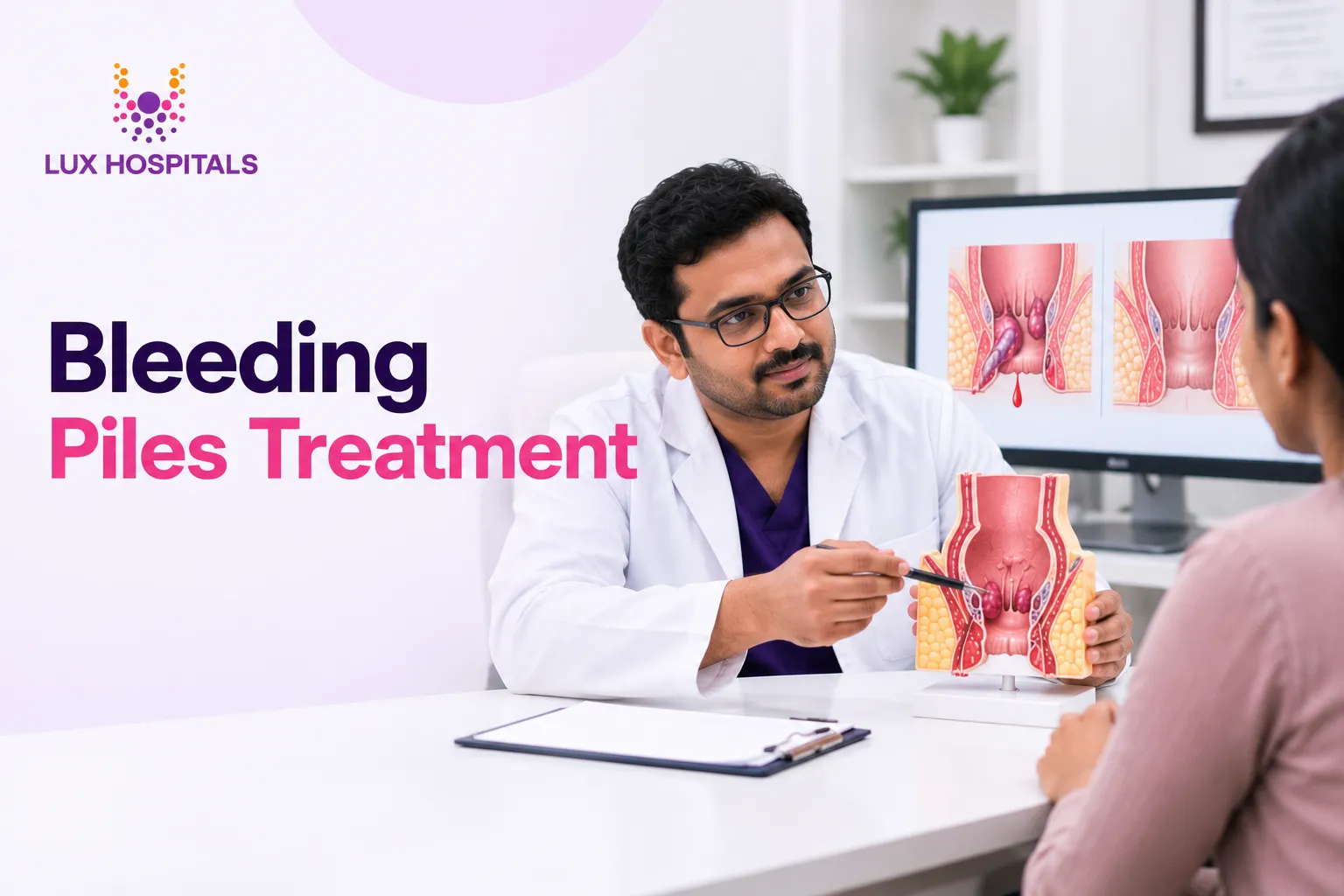
Bleeding during bowel movements is one of the common symptoms of piles, but when it keeps returning despite medicines, it should not simply be ignored. Temporary relief from creams, tablets, or other medicines does not always address the reason behind recurrent bleeding. The severity and type of haemorrhoids, bowel habits, constipation, straining, and other possible […]
4 October 2026
Send your reports across and a senior surgeon will review them, explain the options and tell you honestly whether surgery is the right call.
Plot No.116, Lumbini Avenue, HITEC CITY, Near IKEA, Hyderabad – 500032