Dr. Samhitha Reddy
Consultant Proctologist & Laparoscopic Surgeon
MBBS, MS, FMAS, FISCP, DMAS
- 8 Yrs
- ASCRS Member
By Dr Samhitha Reddy · MBBS, MS, FISCP, FMAS, DMAS 26 May 2025 3 min read Updated 24 September 2025
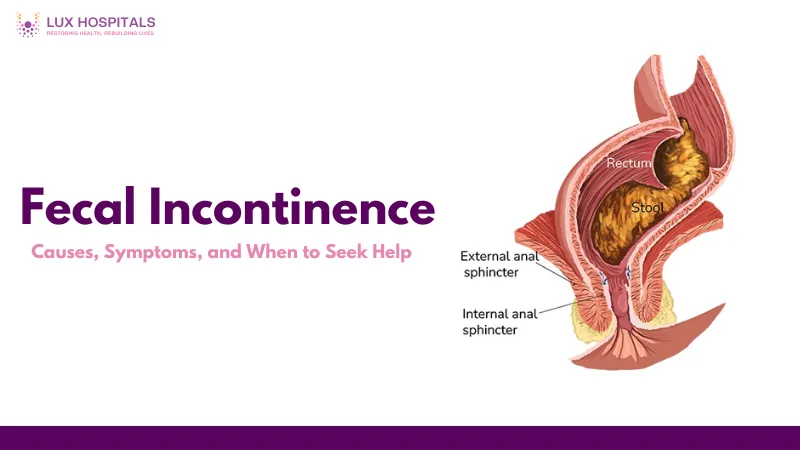
Fecal incontinence is a disorder where the inability to regulate bowel movements causes unexpected stool leakage. This illness may significantly impact a person’s quality of life, leading to emotional distress and social embarrassment. Understanding the causes, symptoms, and available treatments is crucial for effective management. Although it is more common among older adults, it can impact individuals of any age, including women after childbirth and people with neurological or gastrointestinal disorders.
The term “fecal incontinence” describes the involuntary exit of stool, ranging from occasional leakage while passing gas to a complete loss of bowel control. It may be caused by several things, such as nerve injury, muscle damage, or other underlying health conditions. Although elderly persons are more likely to have the illness, it can affect individuals of all ages.
Fecal incontinence is the inability to control bowel movements, leading to accidental leakage of stool (feces). This condition can range from occasional leakage while passing gas to a complete loss of control over bowel movements.
Several factors can contribute to the development of fecal incontinence:
The symptoms can range in intensity and include unexpected gas or stool leakage.
Diagnosing fecal incontinence involves a comprehensive evaluation
The underlying cause of fecal incontinence determines how to treat it. And intensity:
Fecal incontinence management requires both emotional and physical coping mechanisms.
Among the preventive actions are
Fecal incontinence can be a distressing and life-altering condition, but it does not have to be silently endured. With the right medical advice, lifestyle modifications, and occasionally therapeutic or surgical procedures, people can regain control and confidence in their everyday lives. It is important to remember that help is available and that this disease is more common than most people think. By candidly discussing and dealing with fecal incontinence, people can lessen stigma and enhance public awareness and personal health.
Common causes include Damage to the anal sphincter muscles, which may occur during childbirth or due to trauma or surgery in the rectal area. Nerve damage caused by illnesses, including diabetes, multiple sclerosis, or spinal injuries, can also impair the ability to control bowel movements.
Absolutely. Changes such as increasing dietary fiber, avoiding trigger foods (like caffeine or dairy), and practicing regular bowel habits can improve consistency and reduce episodes. Pelvic floor exercises, guided by a specialist, can aid in strengthening the bowel control muscles, and wearing protective garments may provide additional confidence during daily activities.
While fecal incontinence is more frequently observed, it shouldn’t be seen as a natural occurrence in elderly folks or an inevitable part of aging. Many older individuals maintain complete bowel control, and incontinence often signals an underlying medical issue that can be addressed.
You should consult a healthcare provider if you experience frequent bowel leakage, urgent defecation needs that are hard to control, or if it interferes with your quality of life. Delaying medical consultation can result in worsening symptoms or skin damage from frequent exposure to stool.
Yes, there are several surgical interventions available for individuals with severe or treatment-resistant fecal incontinence. Options include sphincteroplasty (repairing a damaged anal muscle), sacral nerve stimulation (electrical stimulation to improve bowel control), or the implantation of an artificial bowel sphincter.
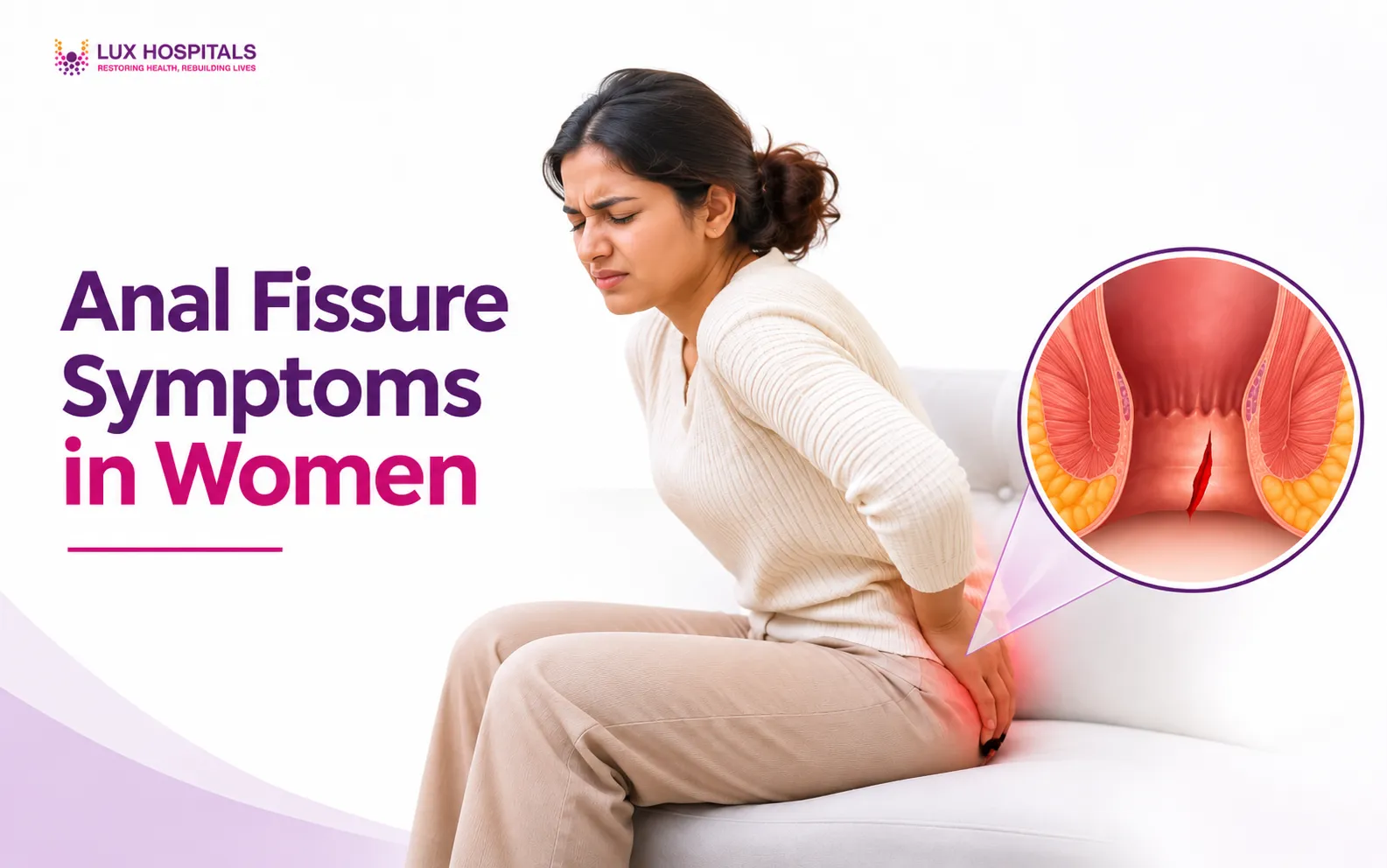
What Is an Anal Fissure? An anal fissure is a small tear in the lining of the anal canal. It can cause sharp or burning pain during bowel movements and may produce a small amount of bright-red bleeding. The existing Lux article highlights constipation, childbirth and changes in bowel habits as factors that may contribute to anal fissures in women. Although anal fissures can occur in anyone, women may experience additional considerations related to pregnancy, childbirth and changes in bowel habits.
11 November 2026

After fistula surgery, your body needs nutrients to support wound healing. At the same time, avoiding constipation and excessive straining can help make bowel movements more comfortable. A suitable fistula surgery diet should provide fibre, fluids, protein, and other nutrients, adjusted according to your doctor's instructions.
9 November 2026
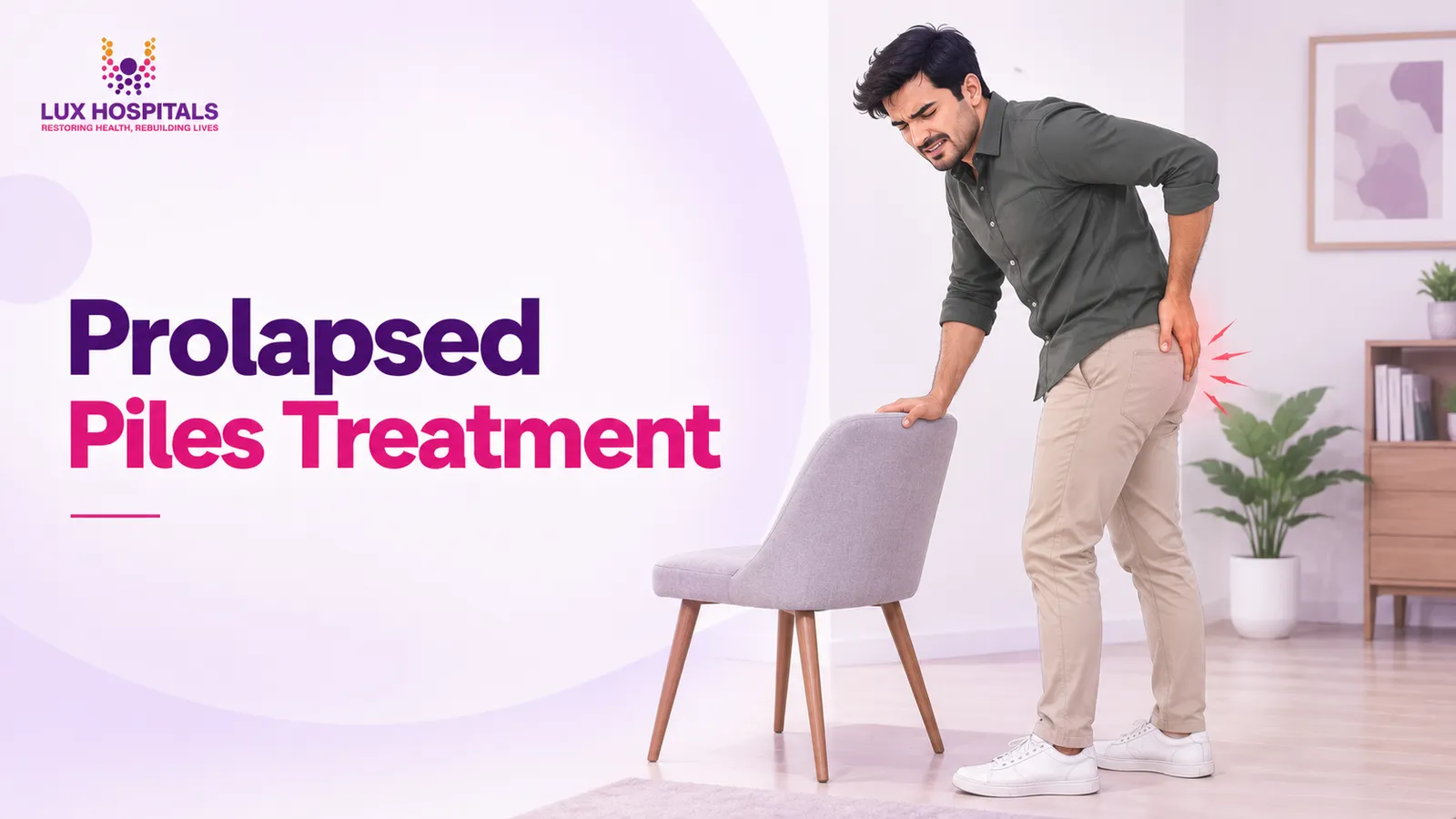
If a piles lump comes out with every bowel movement, it may indicate prolapsing haemorrhoids. The right prolapsed piles treatment depends on the severity of the prolapse, bleeding, pain, bowel habits and whether the lump goes back on its own. A specialist examination can help identify the right treatment.
14 October 2026
Send your reports across and a senior surgeon will review them, explain the options and tell you honestly whether surgery is the right call.
Plot No.116, Lumbini Avenue, HITEC CITY, Near IKEA, Hyderabad – 500032