Dr. Samhitha Reddy
Consultant Proctologist & Laparoscopic Surgeon
MBBS, MS, FMAS, FISCP, DMAS
- 8 Yrs
- ASCRS Member
By Dr Samhitha Reddy · MBBS, MS, FISCP, FMAS, DMAS 30 May 2025 4 min read Updated 21 August 2026
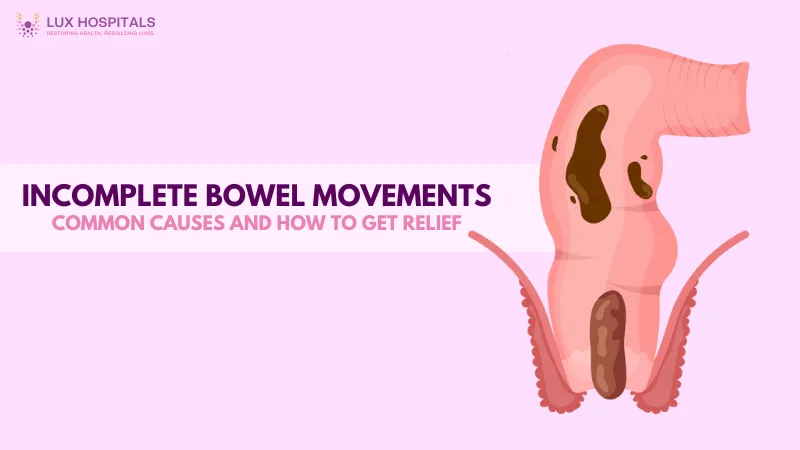
It can be painful and frustrating to have incomplete bowel movements. Even after using the restroom, you could feel as though your bowels haven’t been fully emptied. Diet, stress, and underlying medical issues are some of the causes of this prevalent digestive problem. Thankfully, there are helpful strategies for managing and getting relief. In this […]
It can be painful and frustrating to have incomplete bowel movements. Even after using the restroom, you could feel as though your bowels haven’t been fully emptied. Diet, stress, and underlying medical issues are some of the causes of this prevalent digestive problem. Thankfully, there are helpful strategies for managing and getting relief. In this blog, we’ll go over the reasons, signs, and practical remedies to help you feel better and restore regular bowel movements.
Incomplete bowel movements refer to the sensation of not fully emptying the bowels even after defecation. Abdominal pain, bloating, or frequent impulses to use the restroom may accompany this. It’s crucial to realize that this feeling isn’t always related to the amount of feces; occasionally, it results from nerve or muscle problems that impact the colon and rectum.
Depending on the underlying cause, these symptoms could change. condition affecting your bowel movements.
Persistent incomplete bowel movements, rectal bleeding, unintentional weight loss, or severe pain require medical attention. These may indicate a more serious underlying problem, such as colorectal cancer or an inflammatory bowel disease. Timely diagnosis ensures appropriate treatment and avoids complications.
Preventing incomplete bowel movements involves a consistent lifestyle that supports digestive health over time.
Incomplete bowel movements can negatively impact your comfort, digestion, and daily existence. This prevalent problem can be alleviated with dietary adjustments, adequate hydration, exercise, and better toilet posture. Never be scared to seek additional testing from a medical professional if these methods fail to address the issue at Lux Hospitals. The first step to restoring full and easy bowel motions for improved digestive health is to comprehend your symptoms and their causes.
Constipation, IBS, pelvic floor dysfunction, or rectal structural issues often cause incomplete bowel movements. Dehydration, a poor diet, and inactivity might also be elements. Identifying the root cause is essential to getting the proper treatment.
Fixing incomplete bowel movements involves lifestyle changes like increasing fibre and water intake, regular exercise, and better toilet posture. In persistent cases, medical treatment or pelvic floor therapy may be required. Addressing any underlying health issues is also key.
Occasional incomplete bowel movements are usually not serious, but frequent occurrences may signal a chronic condition. It could be a symptom of IBS, rectal prolapse, or other digestive disorders. A doctor should evaluate persistent symptoms.
High-fiber foods like oats, beans, leafy greens, apples, and flaxseeds support healthy bowel movements. Probiotic-rich foods like yogurt also promote gut health. Staying hydrated while eating fiber-rich foods is essential for proper stool formation and passage.
Yes, anxiety can interfere with bowel movements by disrupting gut motility and increasing muscle tension. Stress-related conditions like IBS can also cause a feeling of incomplete evacuation. Stress management techniques can improve symptoms significantly.
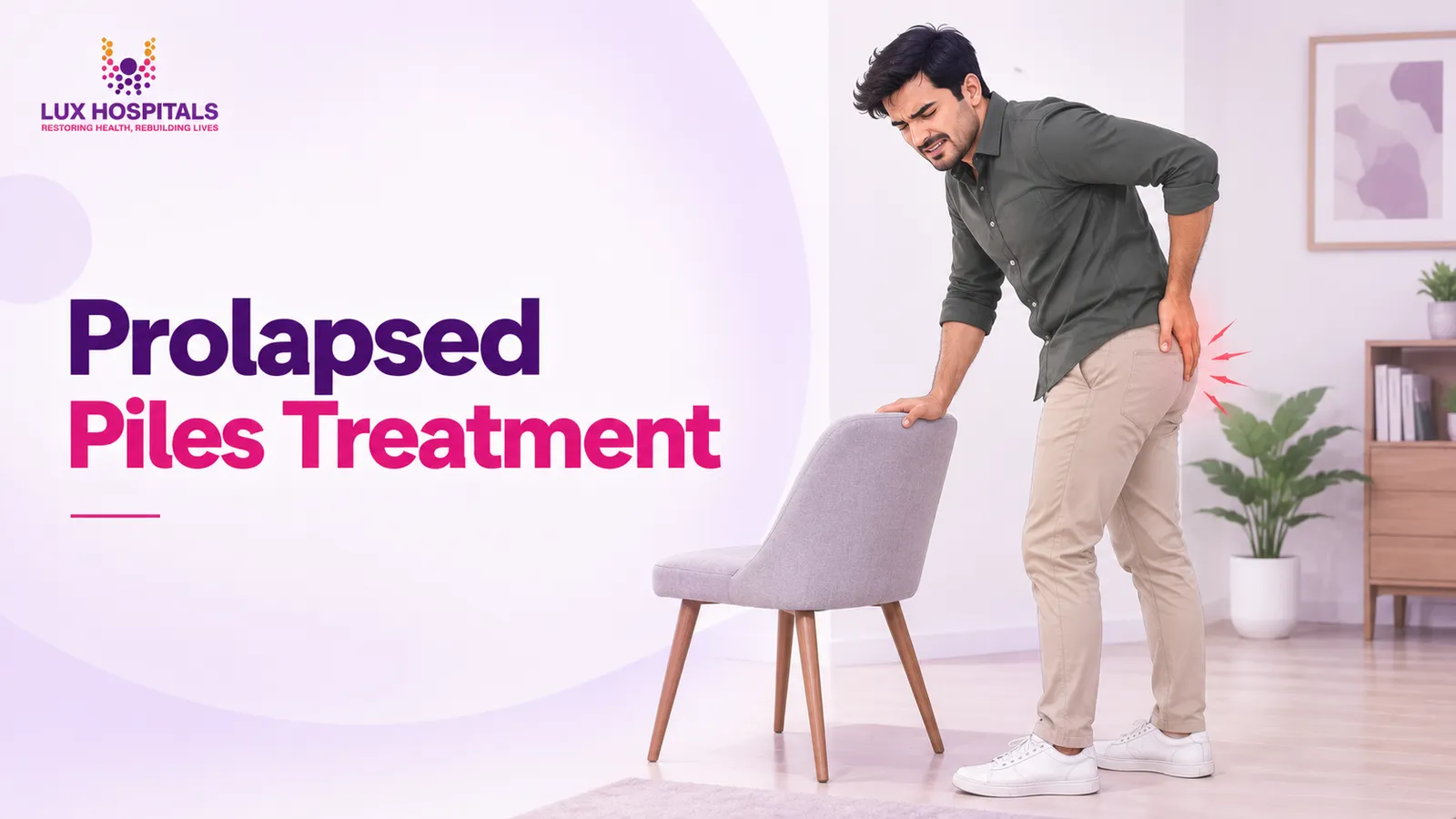
If a piles lump comes out with every bowel movement, it may indicate prolapsing haemorrhoids. The right prolapsed piles treatment depends on the severity of the prolapse, bleeding, pain, bowel habits and whether the lump goes back on its own. A specialist examination can help identify the right treatment. Noticing a lump coming out during […]
14 October 2026
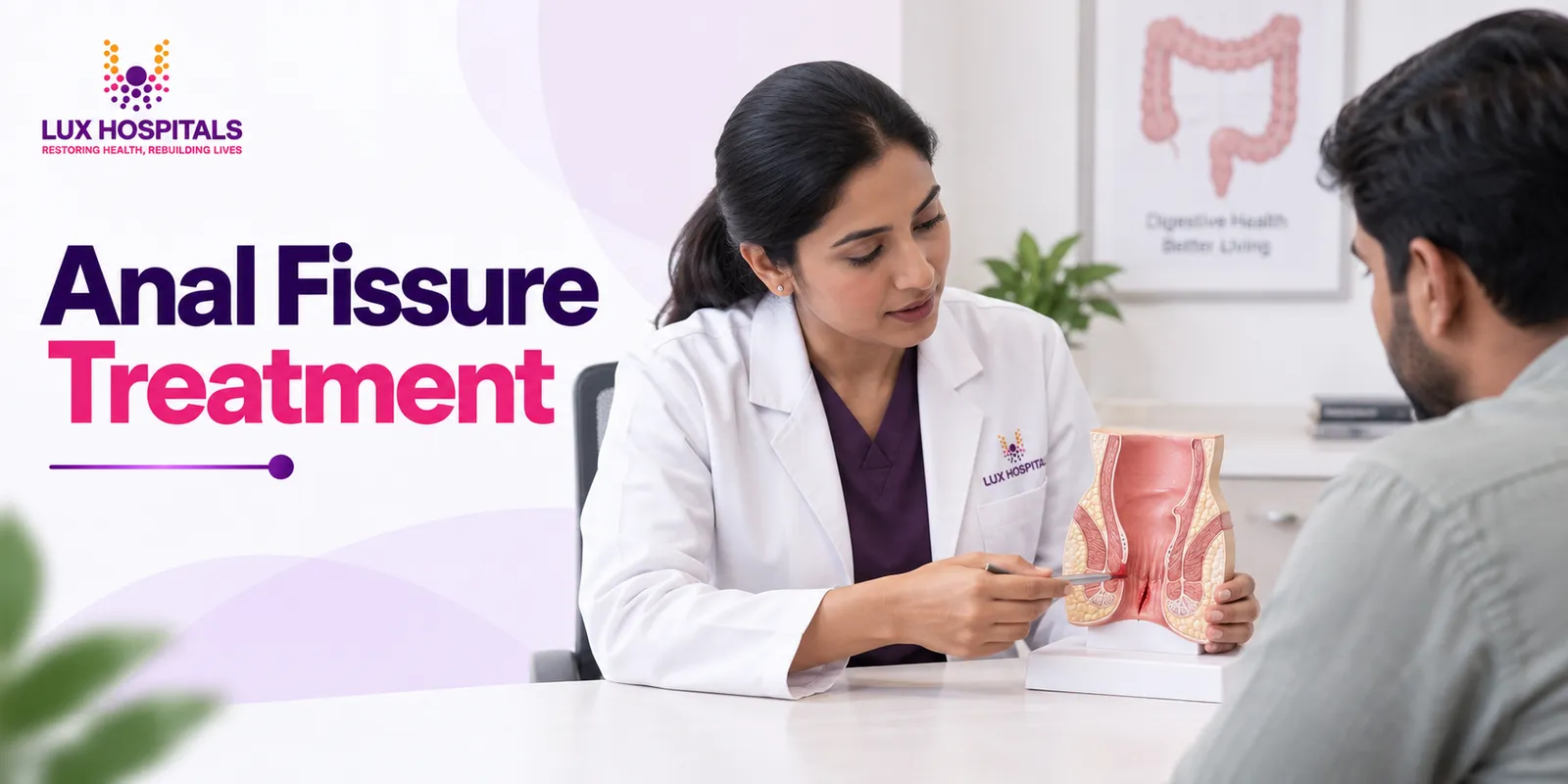
Anal fissure treatment should be discussed with a doctor when pain continues despite prescribed ointment, especially if pain lasts after bowel movements, bleeding keeps returning, or symptoms interfere with daily life. Persistent symptoms may mean the fissure has not healed, is recurring, or needs a different treatment approach.Pain after passing stool is a common reason […]
8 October 2026
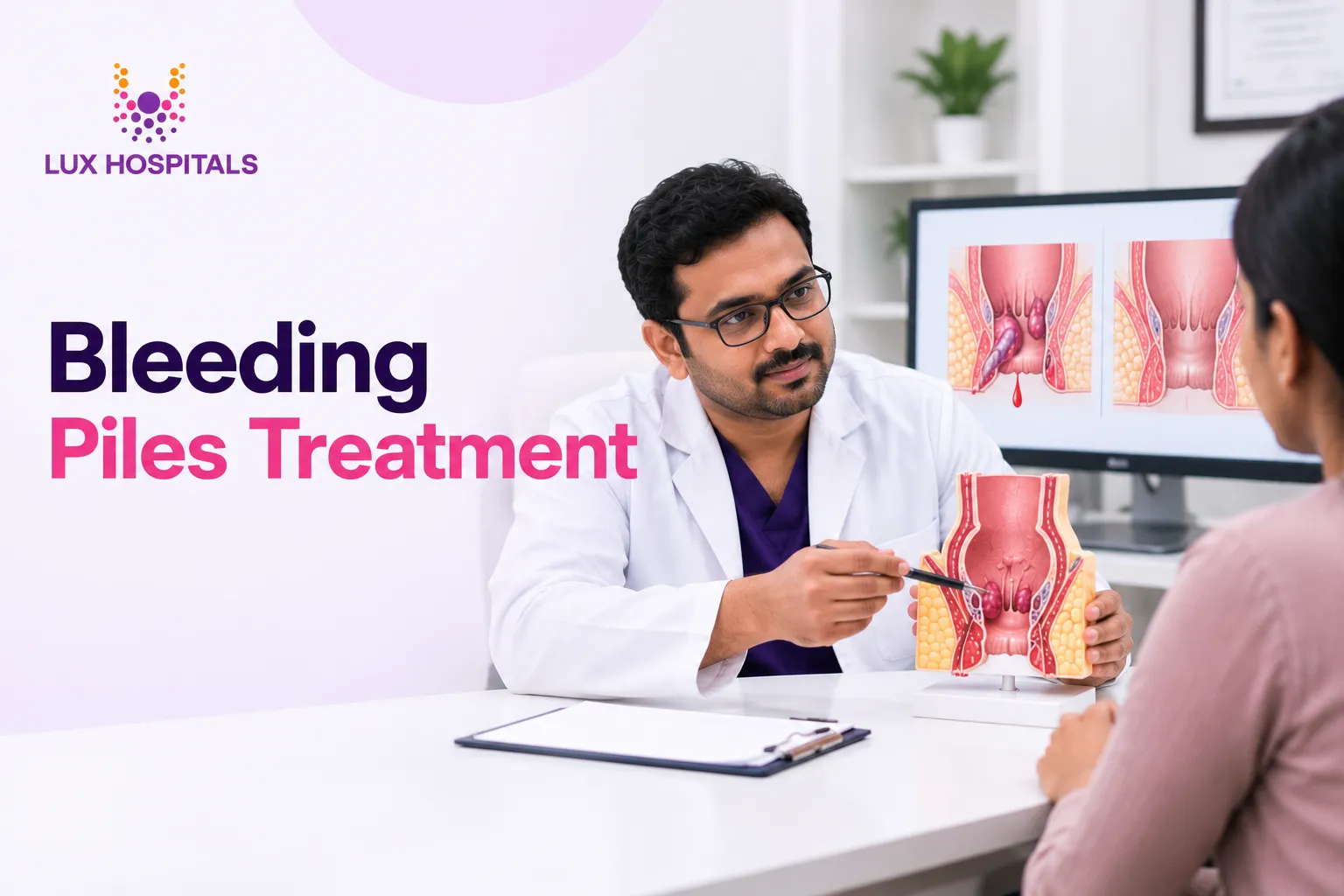
Bleeding during bowel movements is one of the common symptoms of piles, but when it keeps returning despite medicines, it should not simply be ignored. Temporary relief from creams, tablets, or other medicines does not always address the reason behind recurrent bleeding. The severity and type of haemorrhoids, bowel habits, constipation, straining, and other possible […]
4 October 2026
Send your reports across and a senior surgeon will review them, explain the options and tell you honestly whether surgery is the right call.
Plot No.116, Lumbini Avenue, HITEC CITY, Near IKEA, Hyderabad – 500032